






Ever since my late teens, cleansing has taken centre stage in my skincare routine. Squinting in the early morning light, I relished the watery wake-up call of a cleansing gel lathered over damp skin. Once a week, that format would change to a face wash laced with exfoliating acids to buff away clingy dead skin cells. Then, at night, I’d take the story up a notch with a carefully choreographed double cleanse. So. Much. Cleansing.
But for the past six months, I’ve done something that will leave fans of a three-step routine reaching for their smelling salts. Egged on by dermatologists’ chatter around the importance of keeping the skin barrier strong, I’ve skipped my morning cleanser in favour of just a few splashes of lukewarm water or a spritz of face mist. In other words, I’m rinsing rather than cleansing my skin – and the results have been surprising.
Should you wash your face in the morning?
TikTok and skincare experts are still divided on whether you really need to wash your face every morning. Those in favour of the AM cleanse, say that it helps to remove residue from your overnight serums, bacteria from your pillow case, as well as sweat and dead skin cells. But, with sensitive skin on the rise, and over-cleansing often cited as a reason, there’s another camp that suggests that some skin types could benefit from skipping their morning cleanse to avoid stripping away their natural barrier.
The benefits of skipping a morning cleanse
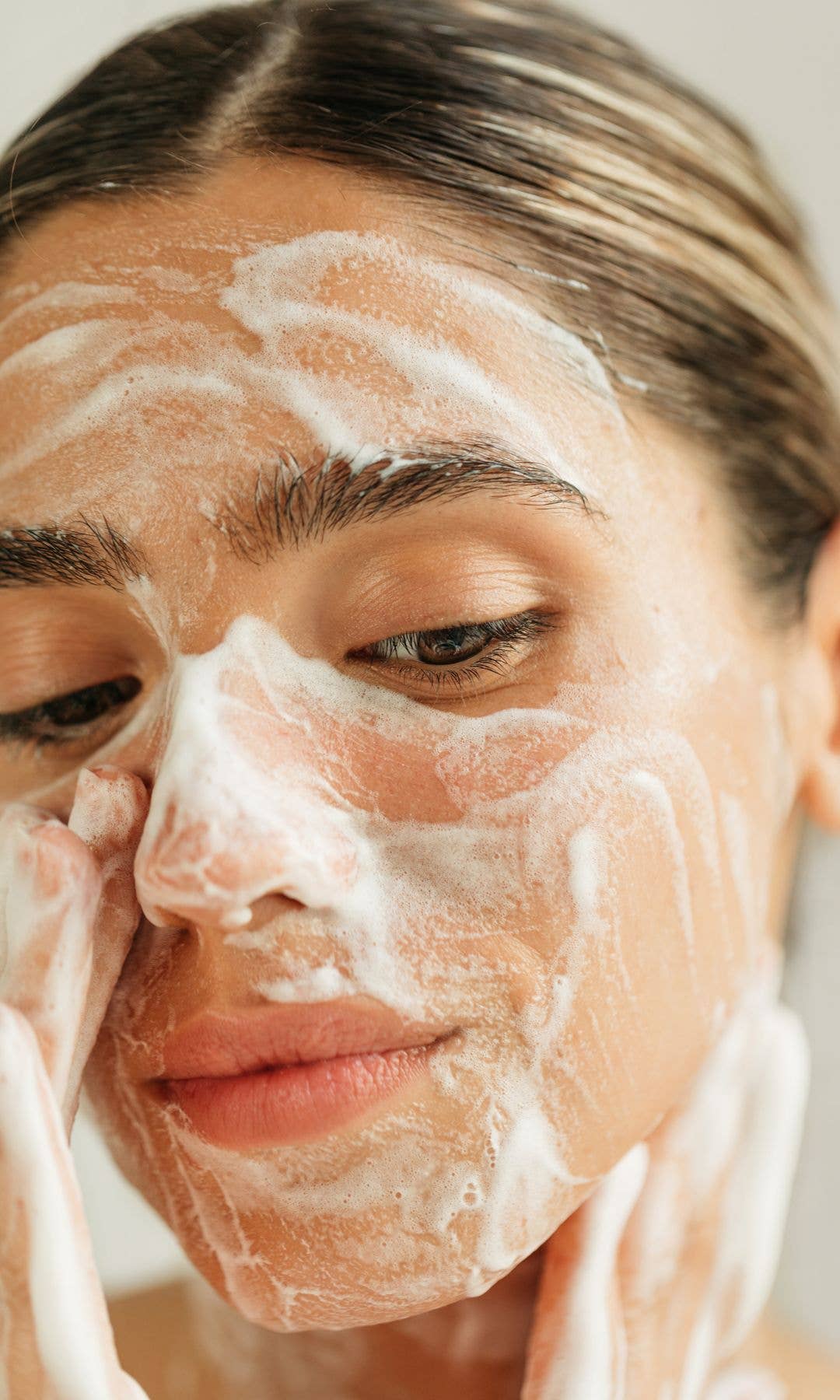
“The main purpose of cleansing is to remove products or substances that accumulate on the skin such as makeup, sunscreen, excess oil, sweat, pollution and environmental debris,” says consultant dermatologist Dr Volha Shpadaruk, who has sensitive skin and swears by a splash of water to cleanse her own face in the morning. “When you’ve been asleep, your skin generally hasn’t been exposed to most of these. For many people, especially those with dry or sensitive skin, there simply isn’t much to remove in the morning. As a result, some dermatologists recommend rinsing with lukewarm water only, or using a very gentle cleanser only when needed. The goal is to avoid removing beneficial components of the skin barrier [the skin’s outermost layer] unnecessarily.”
Another argument against cleansing in the morning is that your skin has been busy overnight building a barrier of oils and ceramides that keep it soft and supple. “While sleeping, your skin is actively involved in repair processes and barrier recovery,” says Dr Shpadaruk. “By morning, a thin layer of natural oils and moisturising factors is often present on the skin. For dry or sensitive skin, preserving some of these naturally occurring lipids can reduce water loss from the skin, improve hydration, decrease feelings of tightness after washing, reduce irritation from active skincare ingredients and help maintain a healthy skin microbiome.”
Can all skin types skip AM cleansing?
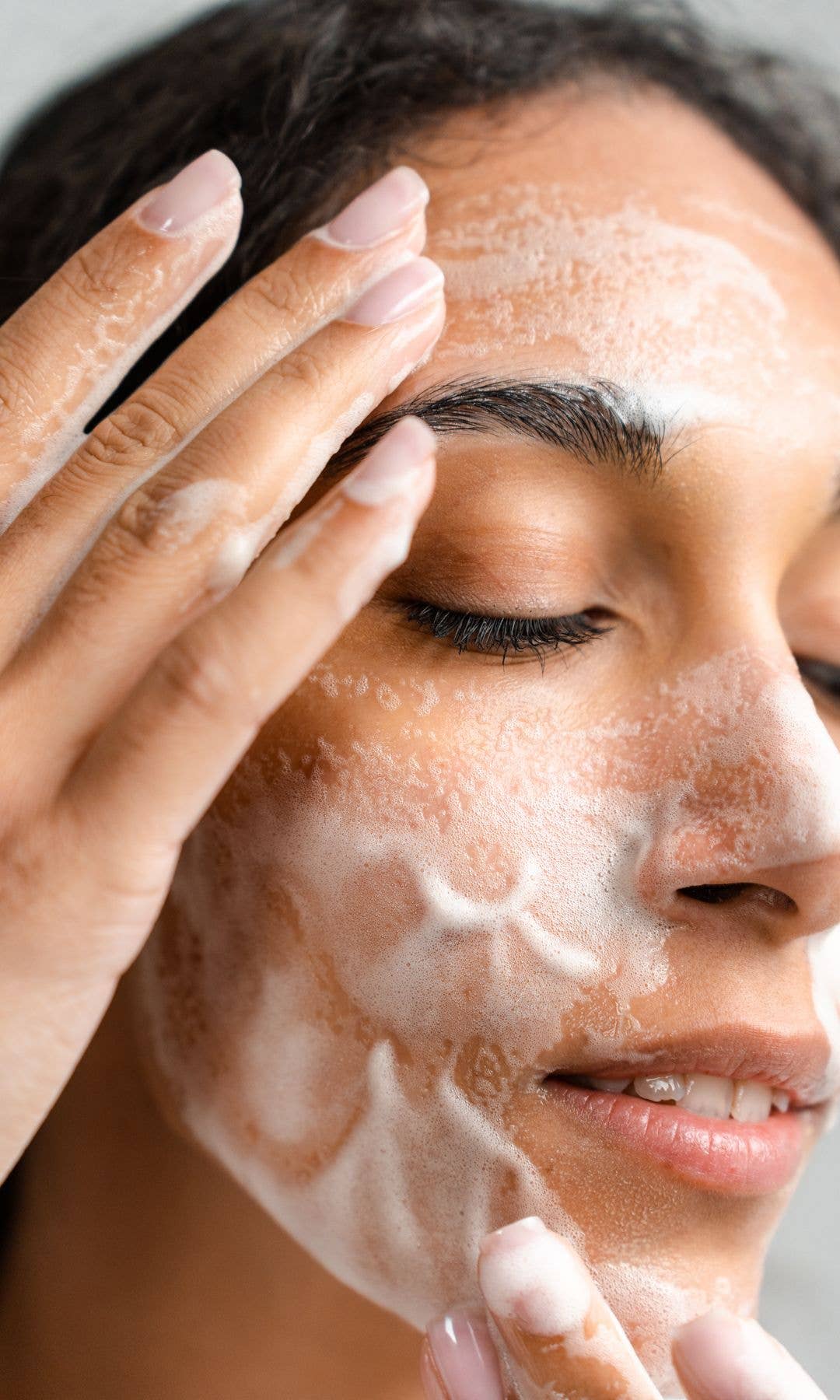
As with most things in beauty, there’s no one-size-fits-all approach. And much of the conversation about skipping the morning cleanse comes down to preference, skin type and lifestyle.
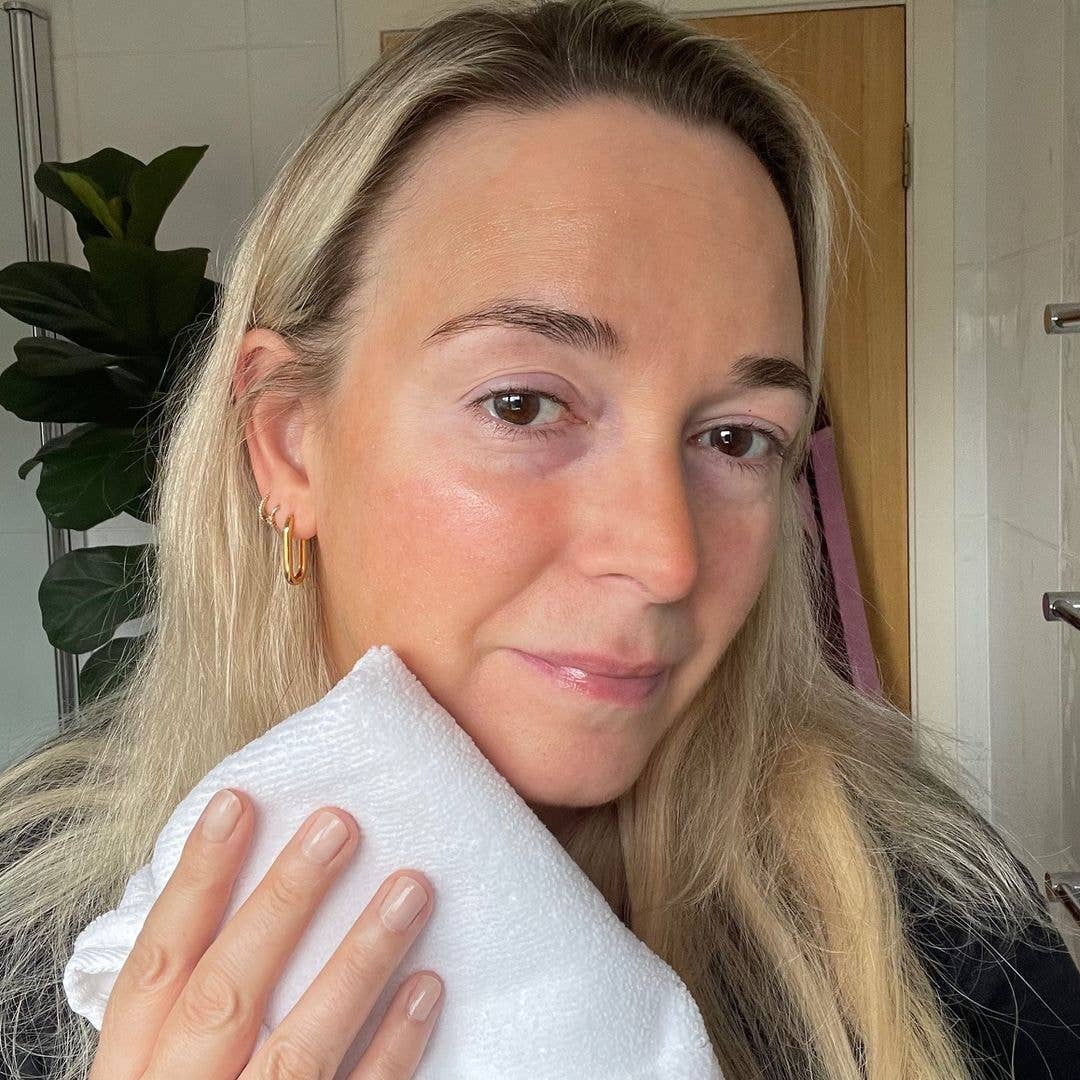
I have combination skin but since my mid-thirties, I’ve been increasingly grappling with dry patches of skin on my cheeks, redness and sensitivity. I started to notice that doubling down on a twice-daily cleansing routine exacerbated these issues and left my skin angry, tight and uncomfortable, especially during the colder months when you’re already feeling the effects of extreme temperature changes. Dr Shpadaruk qualifies this thinking by noting that over-cleansing dry, sensitive skin can actually make it more reactive and you may find yourself in a loop, which she calls “the compensatory irritation cycle” – both of which were true for me. “People often respond to dryness by cleansing more frequently, then applying more products, which can lead to further irritation. This creates a cycle that can be difficult to break.”

It’s also worth noting that I tend to use the same skincare products at night as I do by day, with the exception of SPF. So there’s little point in stripping my skin in the morning only to put these same hard-working vitamins and hydrators back in. Plus, most serums work best when applied to damp skin and a face mist is the perfect medium as it’s packed with its own hydrators. I love the Kama Ayurveda Rose Water Hydrating Mist, £25, as it contains just six ingredients, including soothing rose water as the hero.

Also good is Caudalie’s cult Beauty Elixir, £36, which feels instantly refreshing when it hits the skin thanks to the blend of rose, grape, rosemary and bitter orange (the spa-like scent is heavenly, too).
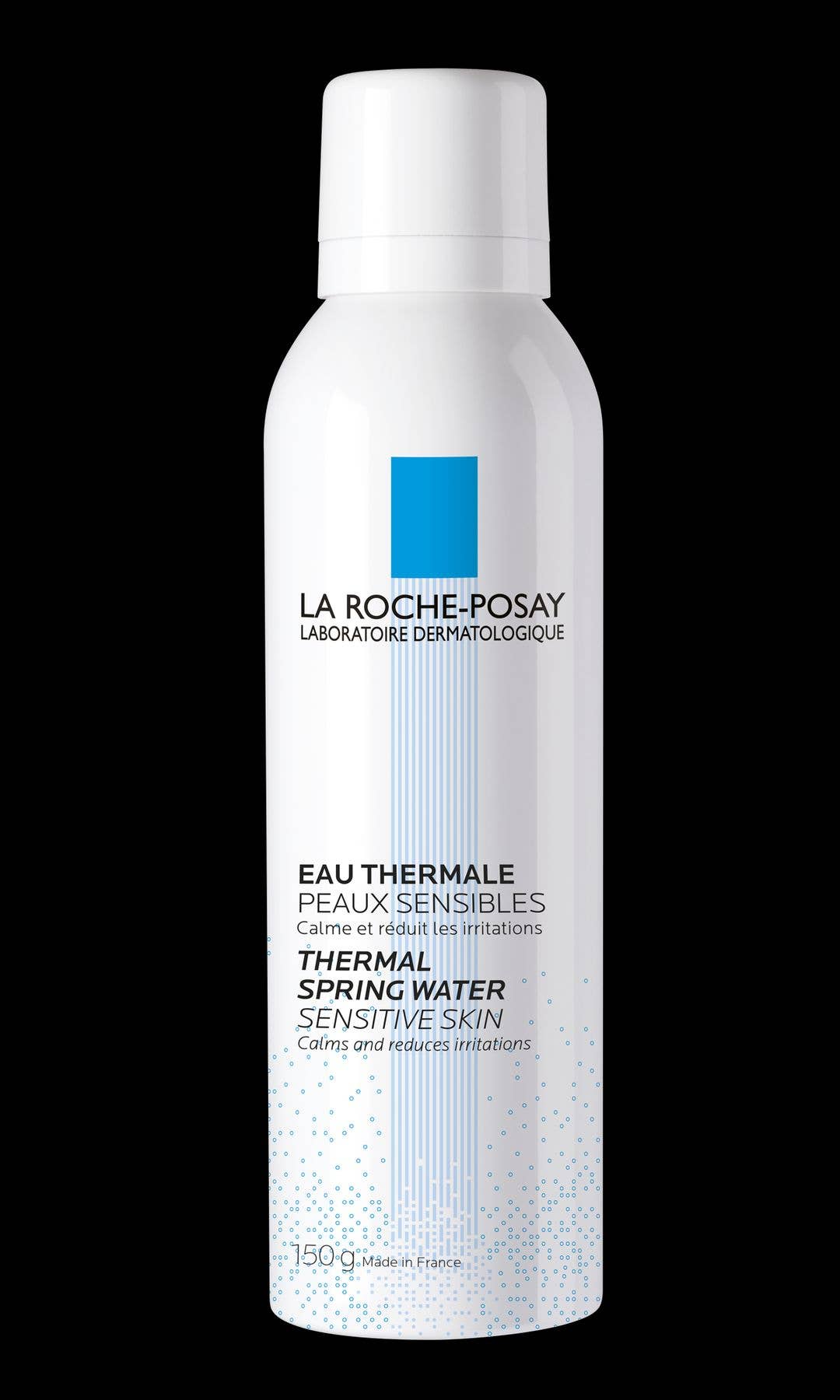
Another favourite is La Roche-Posay’s Thermal Spring Water, £10.50, which is purely powered by mineral-rich thermal spring water – the perfect antidote to my stressed-out skin.
Why it might not be for you
That said, not cleansing in the morning isn’t for everyone. Those with oily and acne-prone skin should still cleanse twice daily, says Dr Shpadaruk. This advice is echoed by aesthetic doctor Dr Brendan Khong. “Sebaceous glands continue to produce oil overnight, skin cells are shed and any active ingredients applied the night before are still being processed,” he says. “By the morning, this leaves a layer of sebum and residual product sitting on the skin’s surface. In oily and acne skin types, this matters because excess sebum mixed with debris is exactly the environment that acne-causing bacteria thrive in.”
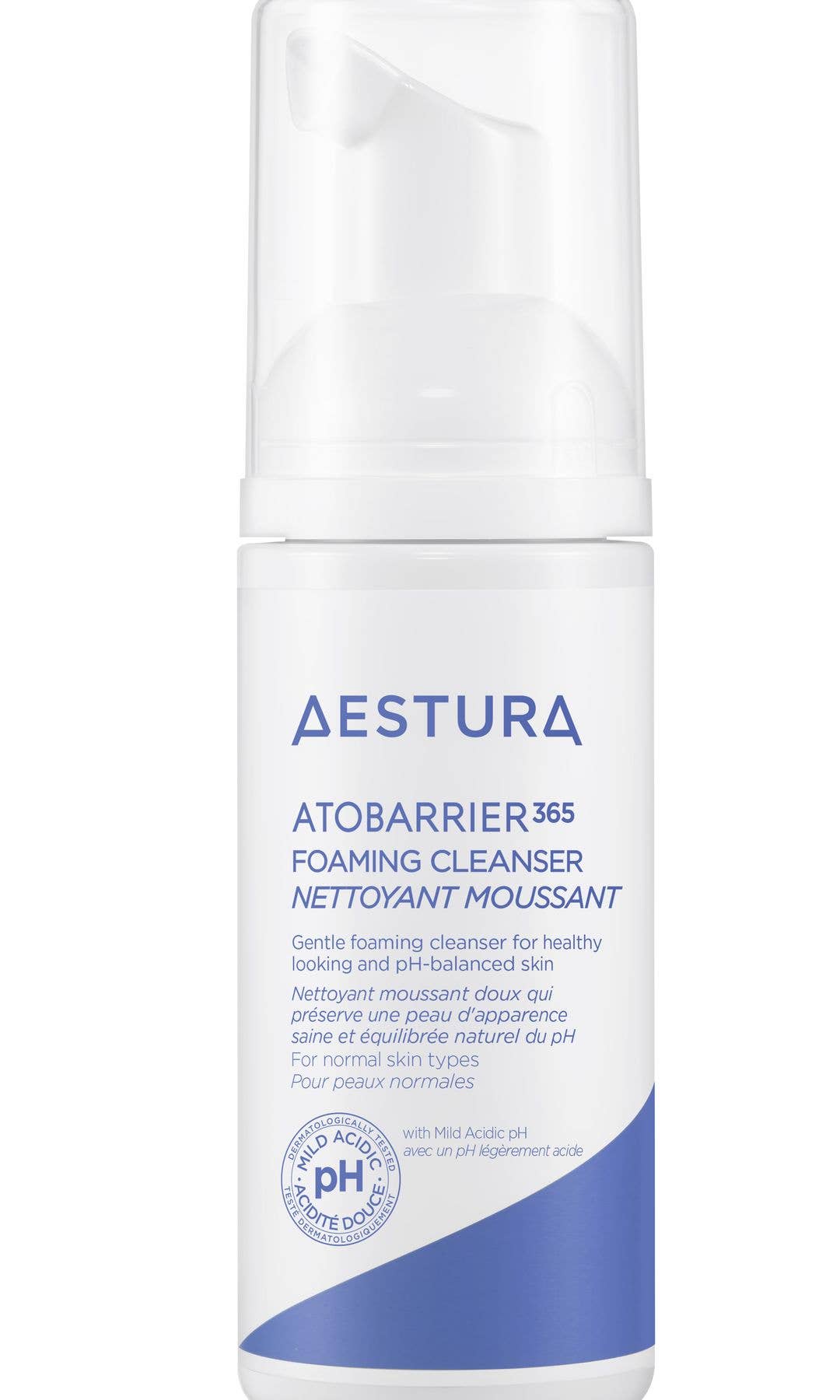
Dr Khong also points out that skipping the morning cleanse means you’re applying products – serum, moisturiser and SPF – directly onto this oily film. “This can reduce SPF efficacy and increase the likelihood of clogged pores and breakouts throughout the day,” he says, adding that his recommendation would be to use a gentle milk cleanser or a low-to-no-foam cleanser (he’s a fan of Aestura Atobarrier365 Foaming Cleanser, £16, which is specifically designed for sensitive skin, and Allies of Skin Molecular Silk Amino Hydrating Cleanser, £38, which infuses skin with hydrating hyaluronic acid, lipids and a stable form of brightening vitamin C).
A morning cleanse is also essential if you’ve used potent ingredients like retinol or strong acids overnight, neither of which should be exposed to the sun. “Retinoids and acids like glycolic and lactic acid work overnight by accelerating cell turnover,” Dr Khong says. “By morning, what remains on the surface is spent product mixed with the dead skin cells these actives have helped to loosen, plus the sebum produced overnight. If you don’t cleanse this away, you’re essentially layering your morning products and SPF on top of this residue. This can lead to reduced penetration and even cause pilling or irritation.”

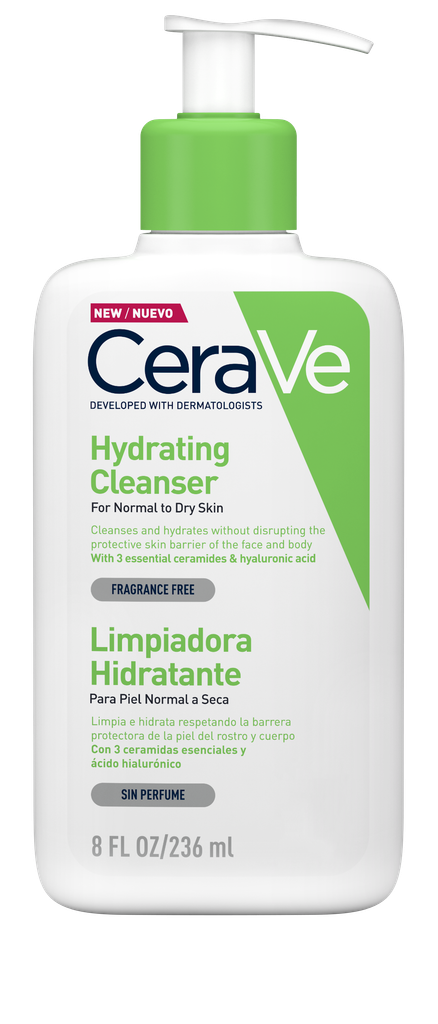
Another situation where I cleanse in the morning is if I’ve worked out, as leaving a souped-up film of sweat and bacteria on your skin for the rest of the day can lead to breakouts. Likewise, in an extreme heat wave, when humidity is high and I’m sweating more than usual, I’ll reach for a cream cleanser such as CeraVe’s Hydrating Cleanser, £12.50, which removes impurities but also contains ceramides to boost the skin barrier. Or I’ll swipe a cotton pad with micellar water over my face. Dr Sam’s Flawless Cleansing Water, £18, is brilliant as it combines anti-inflammatory ingredients with hydrating glycerin.
What about cleansing at night?

My night-time cleanse is non-negotiable. Water alone won’t remove the grime, sunscreen and makeup that has built up on my face throughout the day. What’s more, skin goes into repair mode overnight, so you want a supremely clean canvas for the serums and moisturisers that follow to sink in better and support its anti-ageing efforts.
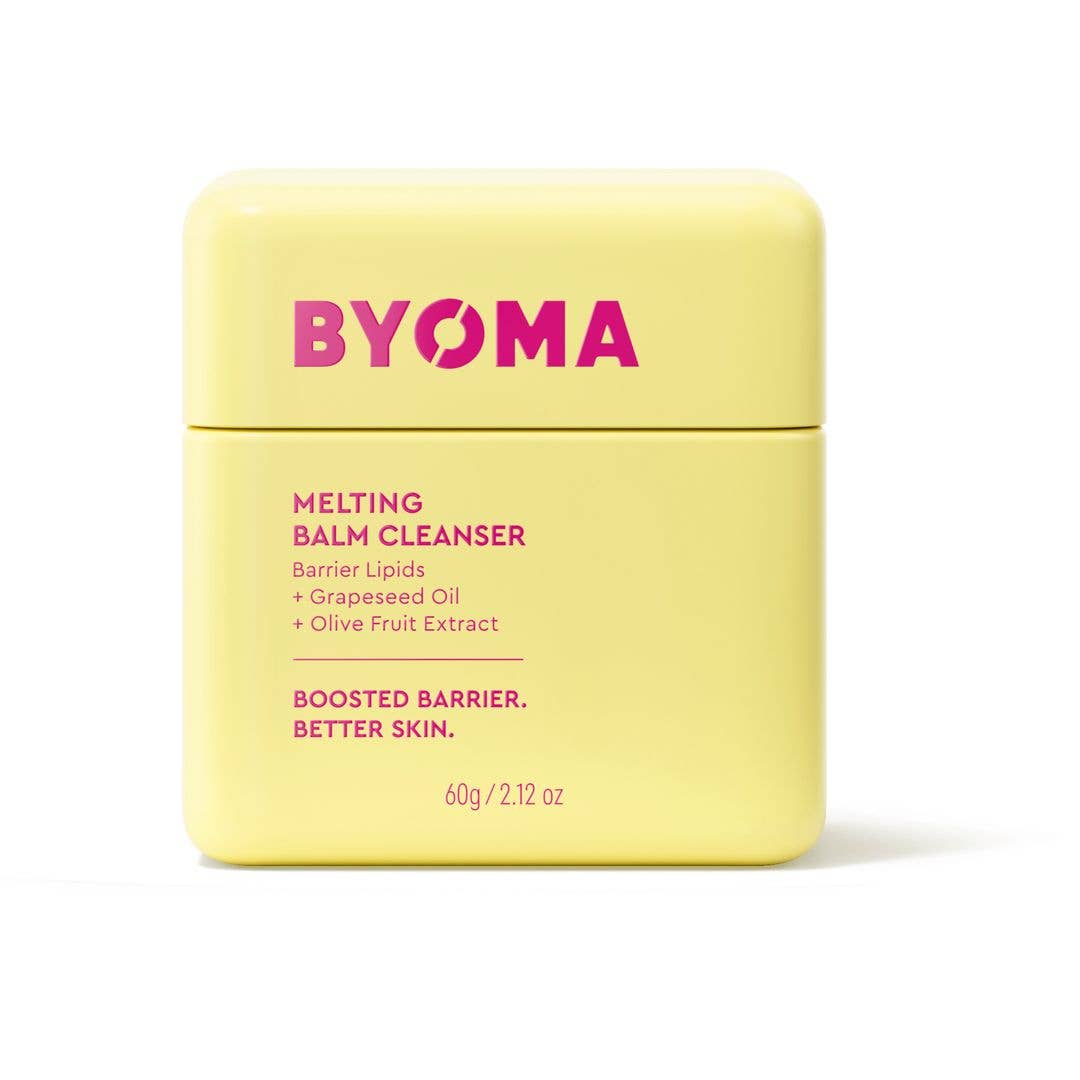
Dr Khong recommends a double cleanse, something I’ve done for years, starting with a cleansing oil or a balm so buttery you could pull a knife through it. “This helps to break down film-forming makeup and SPF,” says Dr Khong. I don’t believe that you have to spend a fortune on a cleanser for it to be effective, which is why I rate the Beauty of Joseon Ginseng Cleansing Oil, £17. An oil-meets-micellar cleanser, it does the job of lifting the day away but still feels indulgent. If I’m reaching for a cleansing balm, Bioma’s Melting Balm Cleanser, £15, tops my list as it contains all the goodness of the brand’s cult moisturisers, including balancing niacinamide and lipids.
“The second cleanse should be your water-based or gel cleanser – this addresses any remaining residue, debris and impurities,” adds Dr Khong. I was one of the first beauty editors to try the new Medik8 Total Moisture Daily Cleansing Gel, £29, back in December. By their very nature, gel cleansers are rarely moisturising but this one takes a hydration-first approach with a roll call of ingredients that draw moisture into the skin and one of the mildest lathers I’ve come across.
At first it feels like a giant leap of faith not to cleanse in the morning when it’s ingrained in our routines to start the day with a lather and rinse. But I’m at an age now when I have to listen to what my skin actually needs rather than follow protocol. Since simplifying my cleansing routine, my temperamental skin feels less dry; it feels calmer and looks brighter. Plus, a pared-back morning routine gives me precious snooze time while my evening cleanse has become a more mindful ritual that delivers clean pores and deep relaxation.
Read the full article here