


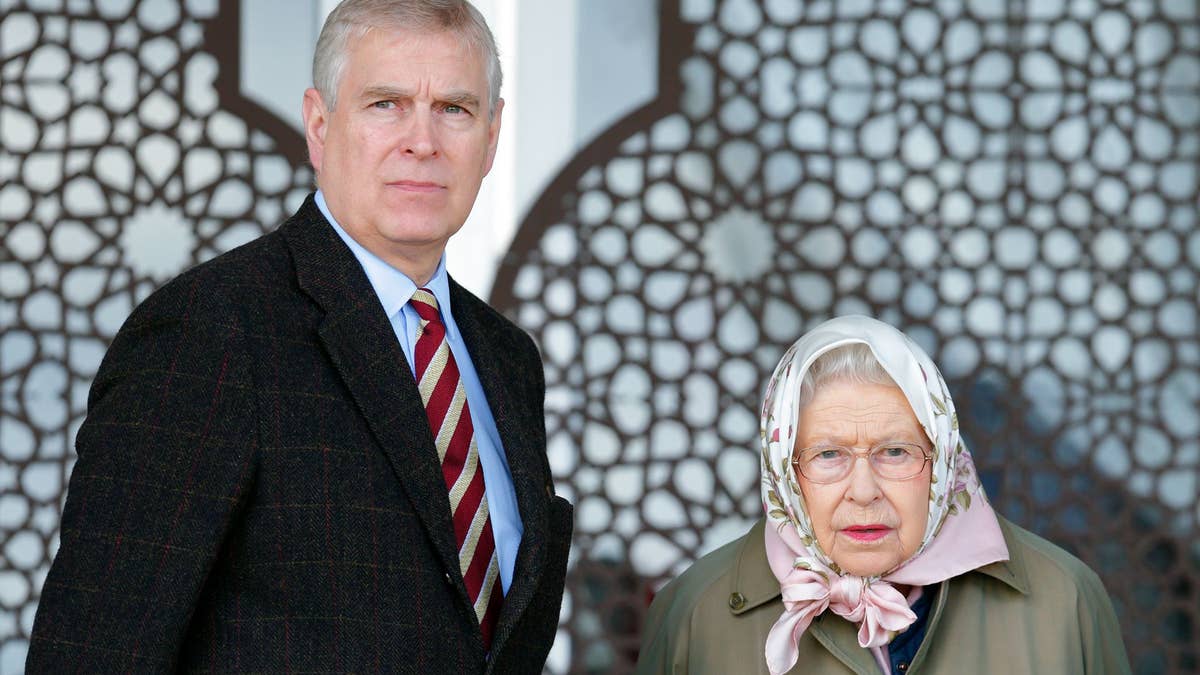

There are several home comforts Andrew Mountbatten-Windsor was forced to leave behind when he was ousted from Royal Lodge in Windsor earlier this year.
After King Charles initiated a formal process to remove the Style, Titles and Honours held by Andrew amid his links to paedophile financier Jeffrey Epstein, he relocated from his long-term family home, Royal Lodge on the Windsor Great Park estate, to the Sandringham estate, where he now lives at a converted farmhouse called Marsh Farm.
While renovated, the new property is decidedly more modest, without 30 rooms and 98 acres of land, which housed a swimming pool, six lodge cottages, a gardener’s cottage and a life-size playhouse that was gifted to his late mother Queen Elizabeth. However, there’s another lesser-known feature that King Charles’ disgraced brother was never pictured enjoying – the aviary.
Royal Lodge aviary
After King George VI and the Queen Mother took over Royal Lodge in 1931, they invested time and money into transforming their country retreat into a beautiful childhood home that could be enjoyed by their daughters, Princess Elizabeth and Princess Margaret.
Amid the landscaping and garden renovations, it is believed that they first set up the aviary, a compact enclosure with mesh walls to allow guests to view the exotic birds inside. Elizabeth was even spotted getting a closer look inside the aviary in 1940!
By 1951, it had appeared largely the same, but a photographer and architecture student named Antony Armstrong-Jones later designed a hexagonal timber birdcage for the Queen Mother to add to the Royal Lodge gardens in the late 1950s.
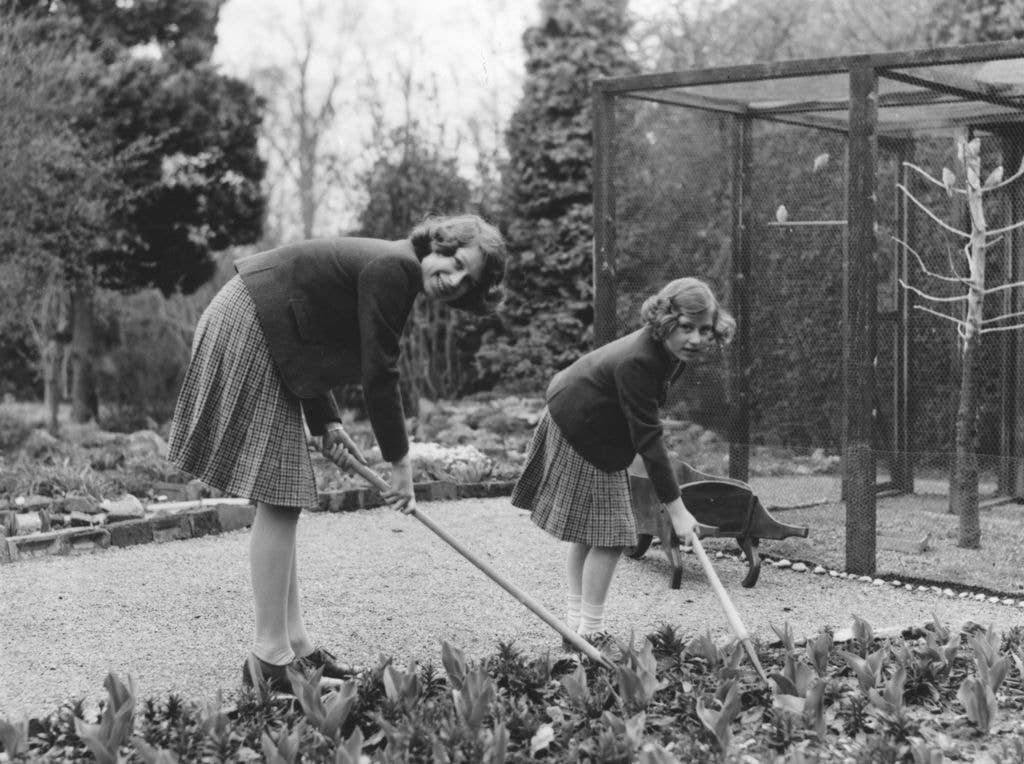 © Lisa Sheridan
It was spotted by the London Zoological Society, who then offered Antony, Princess Margaret’s future husband, a job. He went on to design the iconic Snowdon Aviary at the London Zoo in the 1960s.
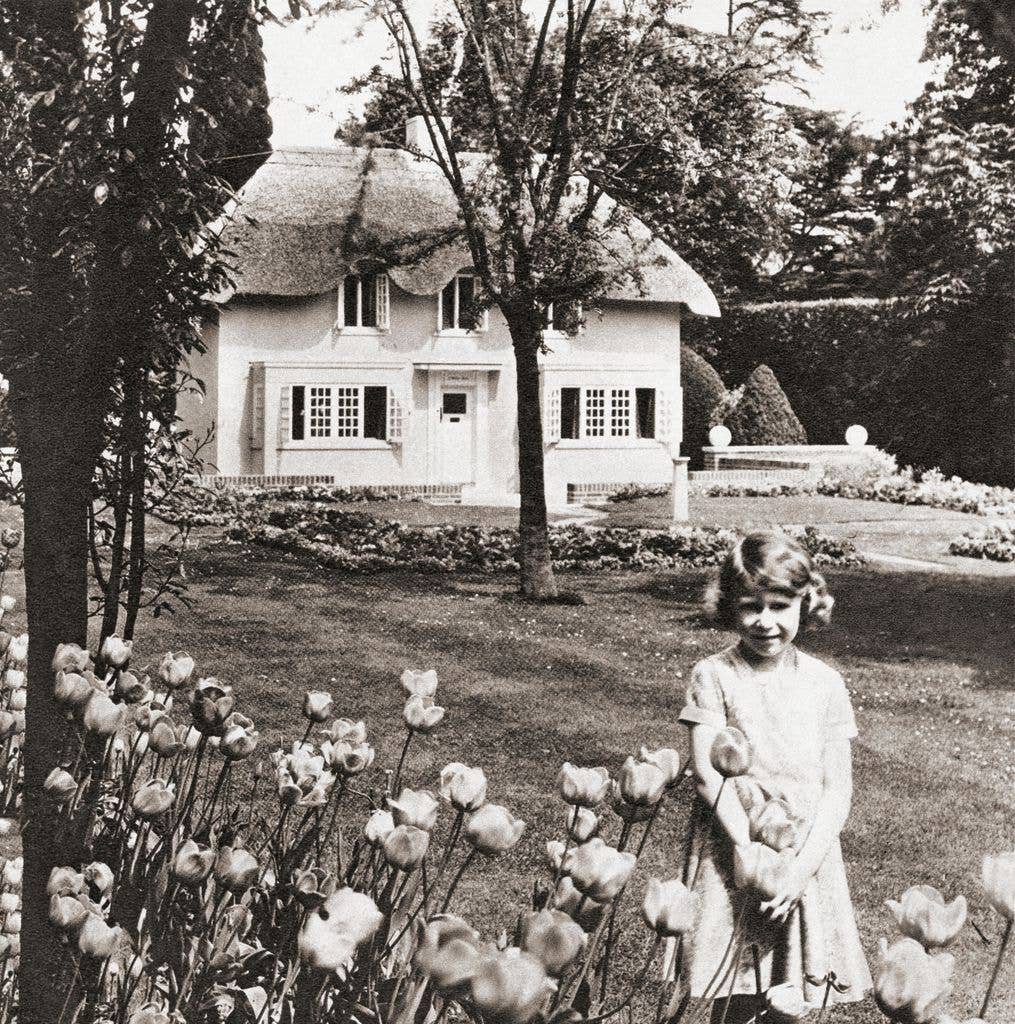 © Alamy
Andrew’s relocation means he will no longer have the aviary (or her childhood Wendy house) on his doorstep, which was a lasting reminder of his late mother Queen Elizabeth, who died in 2022.
Historic Windsor feature
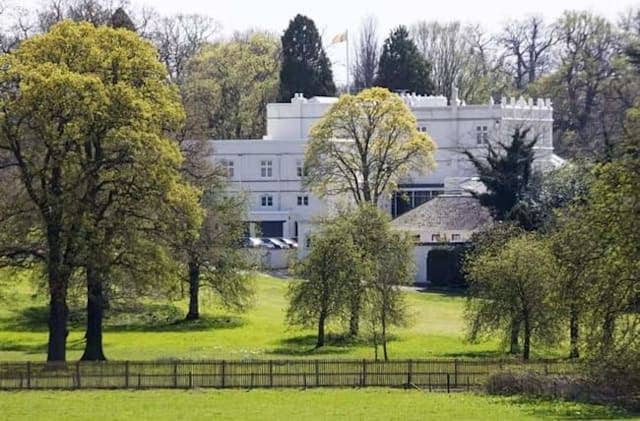
The mini aviary that the late monarch was pictured playing with in the garden was not the first on the Windsor estate. Years earlier, in 1842, Prince Albert drew on his passion for birds from his childhood in Germany to model the Royal Aviary and Poultry Farm near Windsor Castle.
It not only became home to poultry, doves, storks and pheasants, but also featured a private “sitting room” for Queen Victoria where she could view the birds, according to the Royal Collection Trust.
One watercolour on their website depicts the long building, situated at the edge of a pond where ducks and birds had flocked.
Read the full article here