




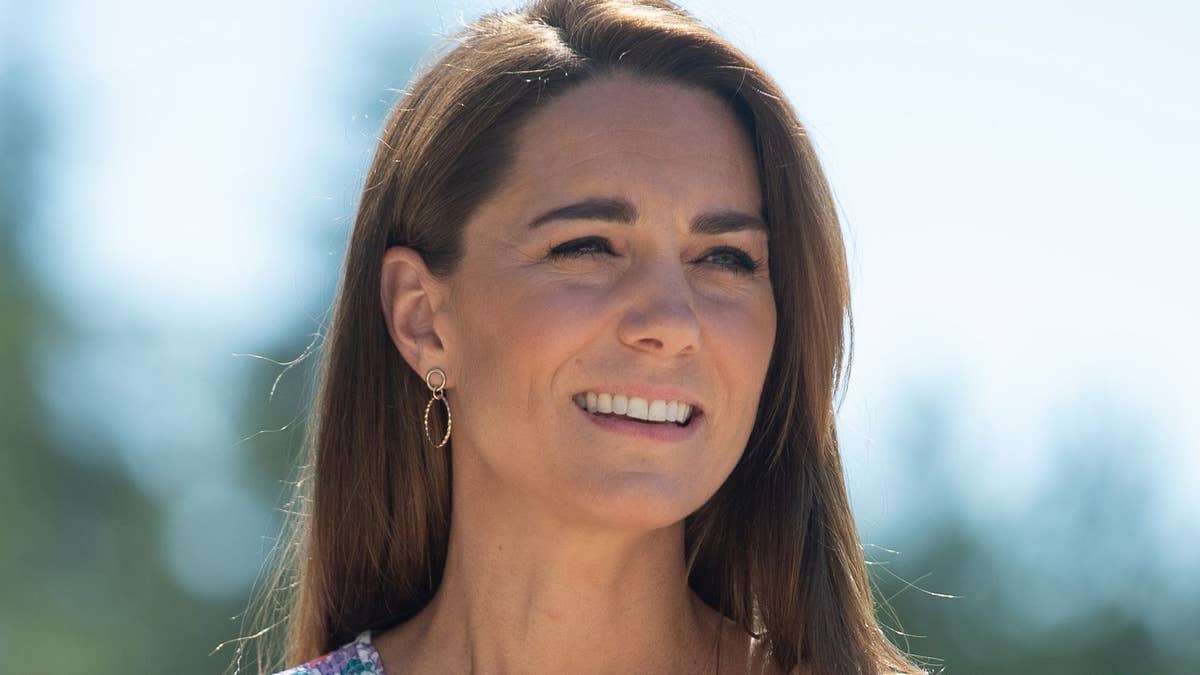

Over the weekend, we were treated to more photos from Princess Kate’s Three Peaks Challenge, with the emotional snapshots showing the royal reuniting with her kids, Prince George, Princess Charlotte and Prince Louis, after she completed the feat.
As charming as the photos were – and as tall as all the Wales kids looked – my attention was drawn elsewhere. To the Princess of Wales’ Apple Watch. On the screen of her watch, you could see the royal had been tracking her workout, with the time spent and calories burned clearly visible on the tracker.
Fitness tracker backlash
While fitness trackers can be helpful for monitoring your activity levels, there has been a backlash against them in recent months, with some fitness professionals preferring to ignore monitoring their data altogether.
One such individual is 50-year-old Tara Riley, who teaches Pilates and Barre and never looks at a tracker. “The more we rely on watches, apps and metrics, the less we tune into how our bodies actually feel,” she says of her aversion to fitness tech.
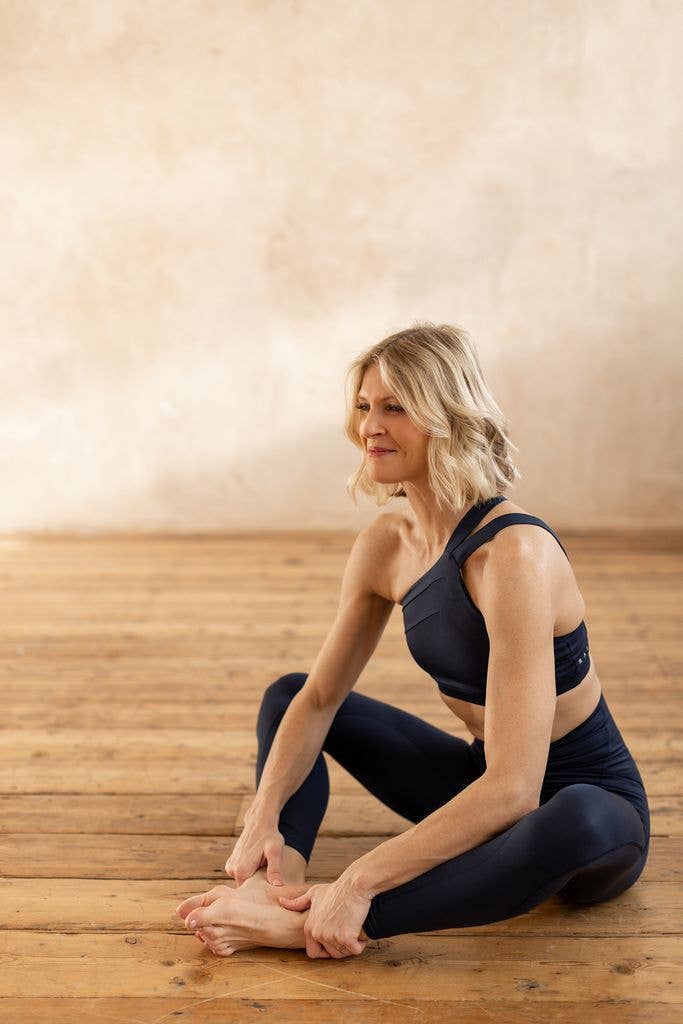 © yogaandphoto.com
“Every day is different – your energy, hormones, recovery and stress levels all play a part – and I think learning to listen to your body is far more valuable than constantly looking at numbers.”
Why we shouldn’t wear a fitness tracker
On the negatives of tracking our fitness, Tara cautions: “It’s very easy to become overly focused on external validation rather than your own body’s signals.
“Some people can become quite obsessive about the graphs, calories or performance metrics, and that can take away from the enjoyment of movement. It can even create unnecessary performance anxiety if you feel like every workout has to be better than the last.”
Fellow fitness pro Sarah Campus is pragmatic about trackers: “For some people it creates clarity, accountability and motivation, while for others, it can become another thing to overthink, overplan and can be a bit overwhelming, especially if short on time.
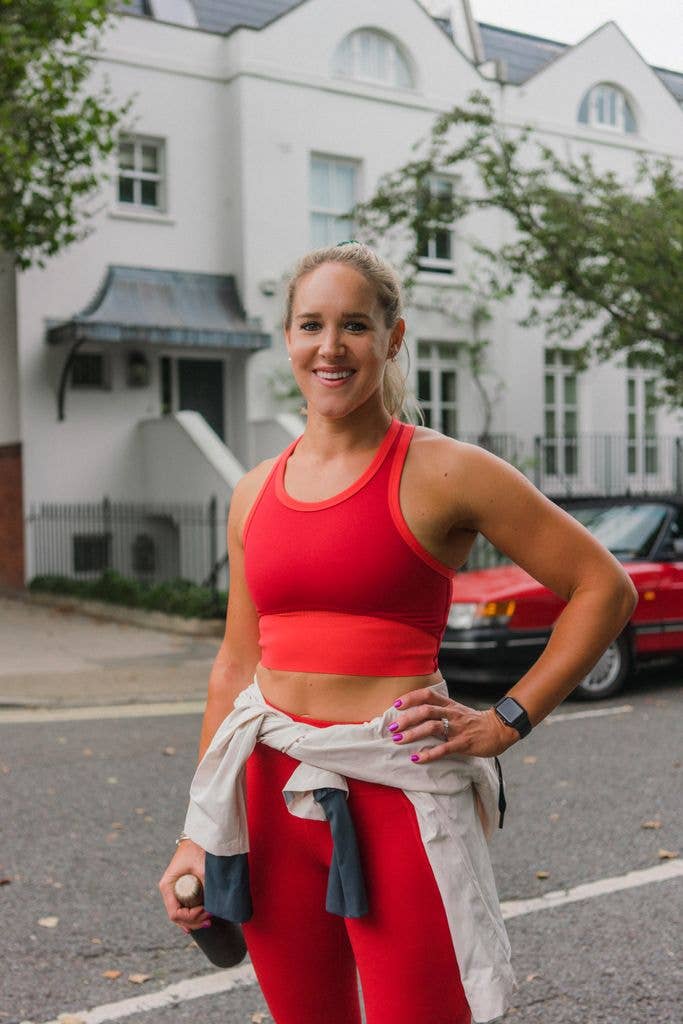
“Some people become too attached to the numbers. They may feel like a workout “doesn’t count” if it isn’t logged, or they keep pushing to beat previous performances even when their body is telling them to back off. Tracking can also make it easier to lose touch with how you’re actually feeling if you focus only on the data.”
Introducing tracker paralysis
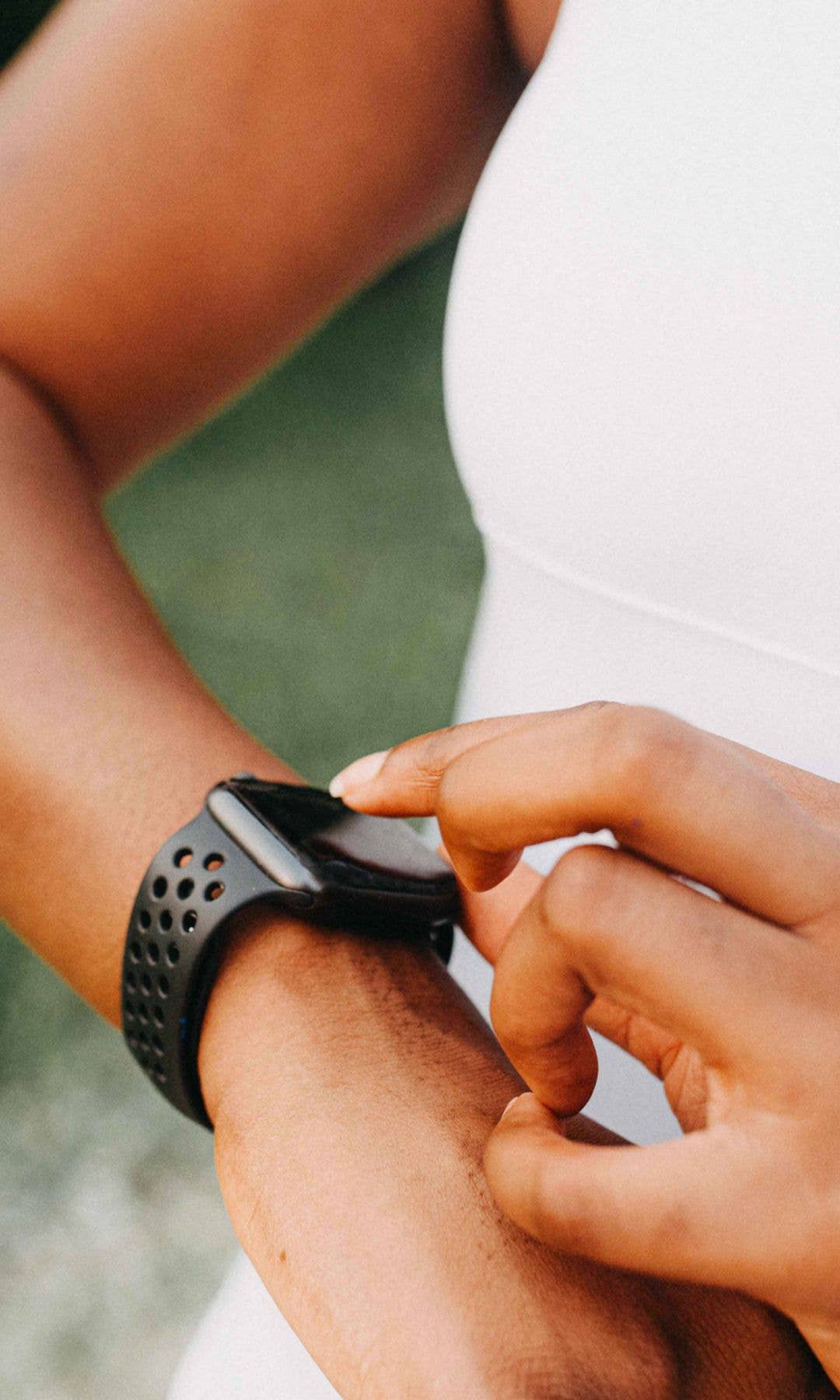
One bad side effect some people find from tracking their fitness is tracker paralysis. Certain tracking devices, such as Oura rings and Whoop bands, give you a readiness score each day, taking into account how active you’ve been, along with your stress levels and sleep, and let you know how much your body can take.
Though helpful in some instances, there’s a growing phenomenon of tracking paralysis, which sees keen exercisers left anxious about working out, because their device is telling them not to…
The benefits of a tracker like Princess Kate’s
In the Princess of Wales’ case, Tara does think trackers can play a part. “During the Three Peaks Challenge, where altitude, hydration and fatigue can affect how your body responds, having that extra information can be really beneficial.”
On how best to track, Sarah says: “For me, the best approach is to use tracking as a guide rather than a rule. Log your workouts to stay accountable (there are many apps that support this), monitor progress, provide structure, and help you reach your goals, but also pay attention to your energy, recovery, and how your body feels on any given day. For instance, if your legs are feeling tired, then you may wish and should perhaps switch to an upper body day.”
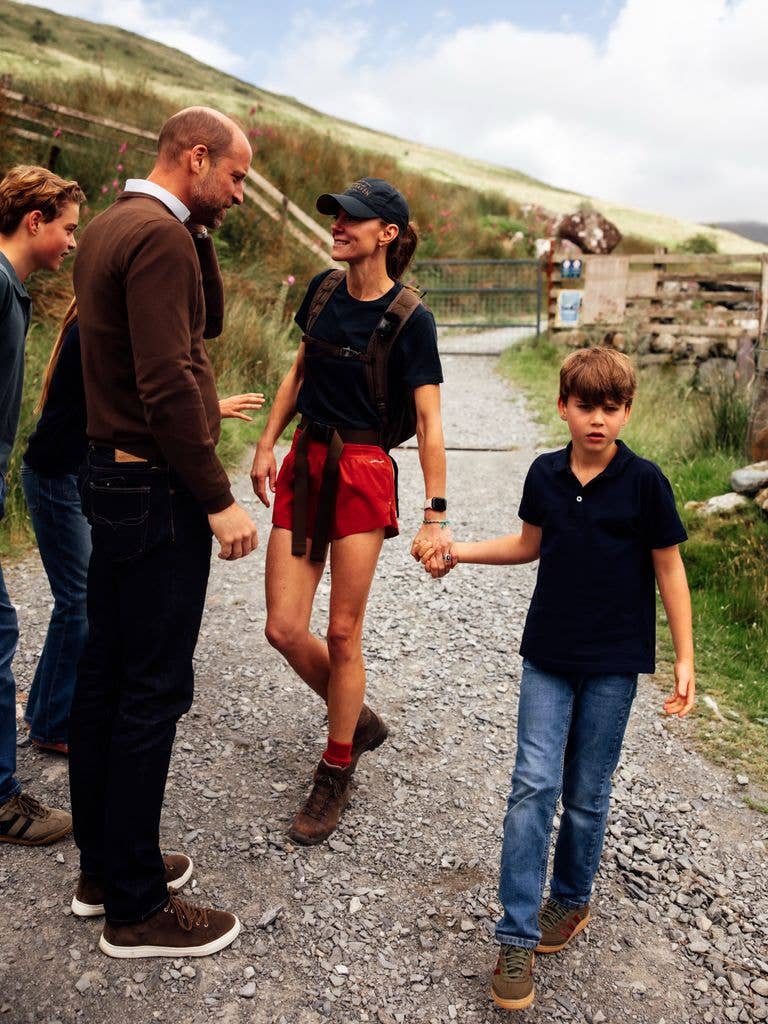 © The Prince and Princess of Wales
She continues: “Tracking helps with accountability, shows whether you’re actually progressing, gives your training structure, a plan to follow, and makes it easier to stay consistent. It also removes a lot of the guesswork from your sessions.”
Given that we’ve never seen the Princess of Wales wearing her tracker before (think of all the steps she’s missed out on counting), it’s likely she only uses it when training, rather than having an addiction to monitoring her movement, so we have a feeling the royal will be okay!
Read the full article here