




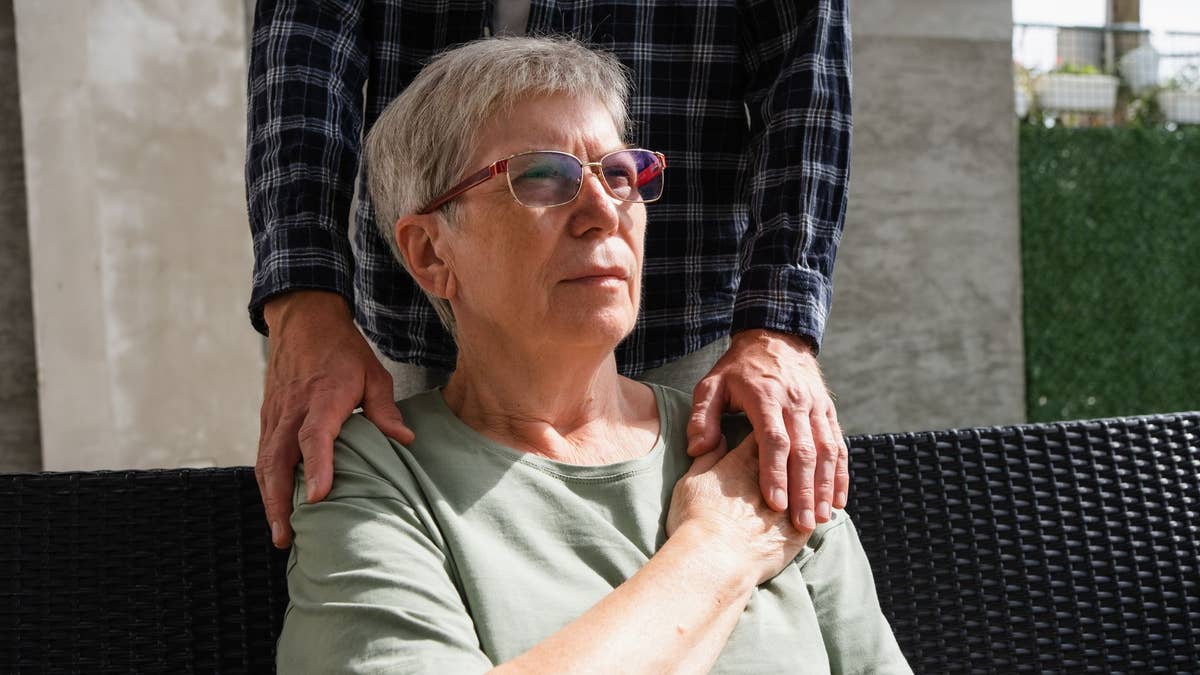

Some news shatters your world in an instant. For psychologist and author Juan Antonio López Gómez, that jolt came during his adolescence—a stage in life when you believe your loved ones will last forever and that nothing can alter the quiet order of your family.
He was just 15 when he noticed his grandmother, Francisca, was beginning to forget things. When she received a diagnosis of Alzheimer’s disease, it marked the start of a silent, anticipatory grief and a long journey filled with difficult questions for the family.
The first sign his grandmother was having issues came as an everyday moment: Juan Antonio asked his grandmother to make his favourite meal—a spaghetti carbonara she had cooked for him many times before. Francisca replied that she couldn’t, because she had never made it before.
“She’d made it for me only a few weeks earlier. How was it possible that my grandmother couldn’t remember?” the psychologist recalls thinking. “It made no sense.”
That moment—as ordinary as it was heartbreaking—marked the true beginning of the grieving process, the point at which forgetfulness stops being an anecdote and becomes a constant presence.
“My grandmother was one of those pillars who seemed immortal when you’re little—the kind of person you think will always be there,” he says. “To me, she was calm, safe, and felt like home. I grew up very close to her, and watching her change because of Alzheimer’s was one of the hardest things I’ve ever experienced.”
Years later, that life-changing moment turned into his professional calling, leading him to study psychology and eventually write a book about his experience. He speaks of the pain of saying goodbye to someone who is still physically present, the guilt that so often plagues carers, and the importance of holding on to the glimmers of love that survive beyond dementia.
Your grandmother began forgetting things when you were only a teenager. How do you look back on the impact of that diagnosis at an age when you’re still figuring out who you are?
“At that age, you assume the people you love will always stay the same. The diagnosis completely shattered that sense of security in an instant. It was a very tough lesson, because I had to start coming to terms with slowly losing someone who was still right there next to me. I think I was forced to grow up before my time when it came to dealing with loss.
“There are people with Alzheimer’s who no longer recognise a name, but still respond to a calm voice, a gentle touch, or a warm hug”
You talk about your favourite dish that your grandmother suddenly forgot how to make. How do you psychologically handle that first real dose of reality?
“It’s hard to give a single answer, as everyone copes differently based on their own emotional tools. In my case, to begin with, it simply hurt. It wasn’t just about forgetting a recipe; it was the sudden realisation that the illness was already barging into spaces that once felt completely safe. It’s a silent form of grief… Over time, you learn to cherish different kinds of moments but that initial shock never truly leaves you.”
 © Getty Images
In those first few months following the medical diagnosis, what did you find most unsettling about the illness?
“How unpredictable and strange it all was. There were days when she seemed her usual self, and others when the illness made itself known, reminding you this was real. I was also struck by how Alzheimer’s doesn’t just affect the person living with it—it completely upends the lives of the whole family. Without even realising it, we all started rearranging our lives around her.”
Alzheimer’s forces you to rewrite your relationships. How did your connection with your grandmother change, and how does a family rebuild itself when one of its main pillars starts to fade?
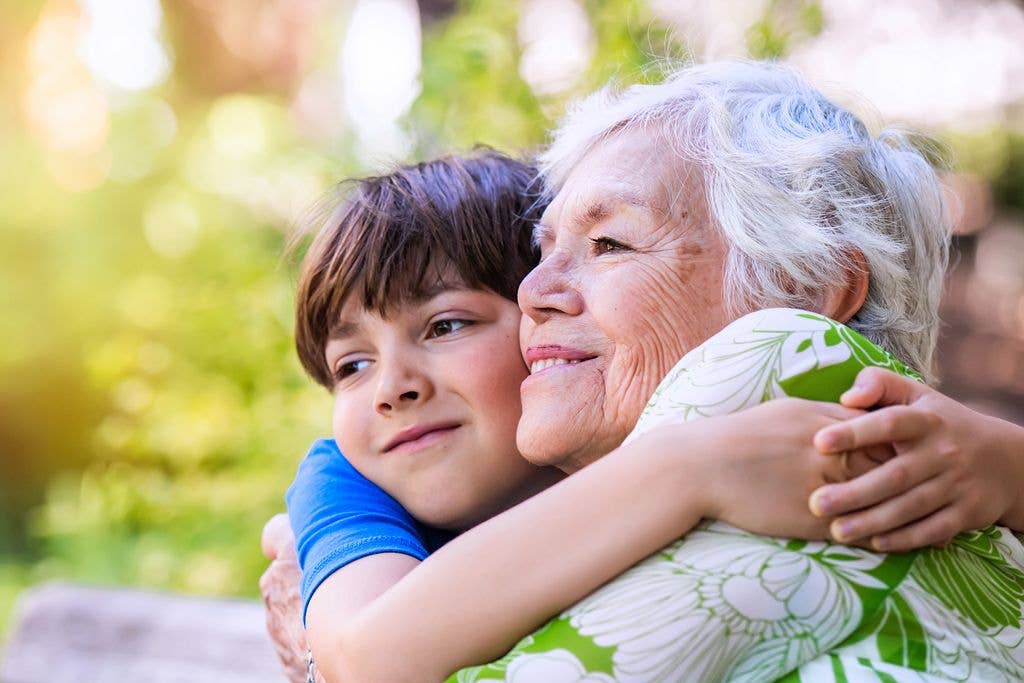
“The relationship stops being about long conversations and becomes all about presence. You learn that a simple look, a gentle stroke of the hand, or just sitting quietly beside them can mean the world. The family changes, too. Everyone finds their own way of dealing with the pain, which takes a lot of mutual understanding and zero judgement. Alzheimer’s definitely forces you to learn how to love in a different way, and to see life through a softer, healthier lens.”
“The key is to stop constantly searching for the person they used to be and start connecting with the person who is still here”
Your grandmother was a huge inspiration for your decision to study psychology. How did you manage to channel the pain of watching her suffer into a desire to help others through grief?
“It came from wanting to support people like her, as well as the families going through what we went through. Over time, she taught me that pain needs to be heard, never brushed under the carpet. I came to see that so many people navigate these kinds of losses feeling completely isolated. Studying psychology was my way of making sense of everything we’d lived through. If my experience could help lighten someone else’s load, then the whole story would have a purpose.”
You speak very candidly about carers, who are so often forgotten. Why are we so prone to feeling guilty when looking after a loved one?
“Because we want to get everything right, and that’s simply impossible. Guilt creeps in because we convince ourselves we could always have done more, or that what we’re doing isn’t enough… Caregivers don’t need to be perfect; they need to feel supported and know that they deserve care, too.”
“Caregiving also means feeling exhausted, scared, angry or needing a break. Humanising carers and giving them a voice is vital”
You talk about a concept that is as painful as it is real: anticipatory grief. How do you learn to say goodbye day by day to someone who is still physically right in front of you?
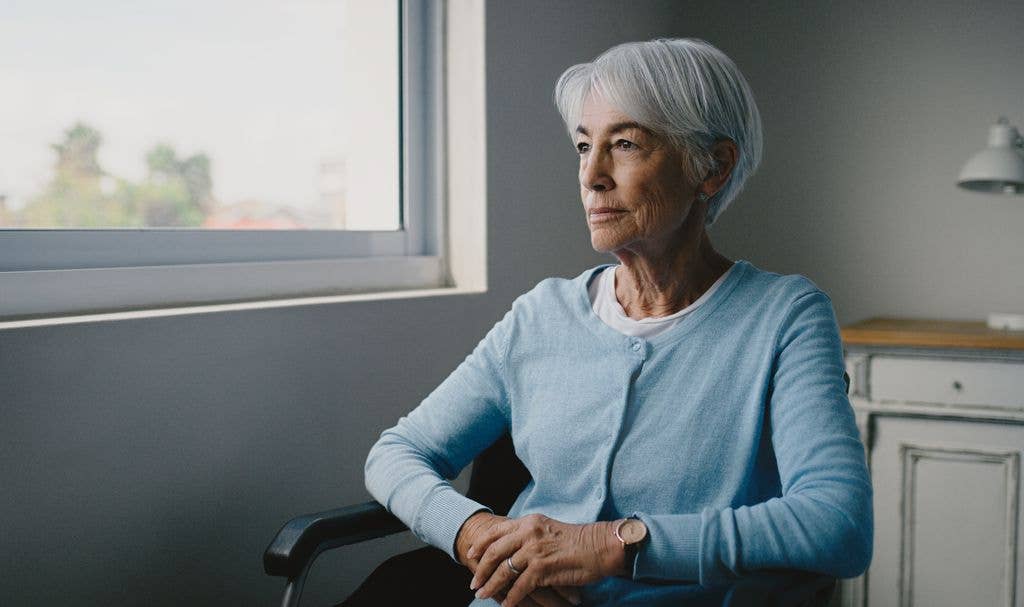
“You never fully learn—I think you just learn to live with the contradiction. There are days when you see glimpses of the person they were, and others where only a tiny, familiar gesture remains. But in later stages, most days are simply about being there with them and giving as much love as possible. The key is to stop constantly searching for the person they used to be and start connecting with the person who is still here, holding on to the little things—like a simple smile.”
 © Getty Images
When logic and names fade away… what is left?
“Love is left. It might sound cliché, but I truly believe emotional bonds endure far beyond memory… Memory can fade, but love leaves a much deeper mark.”
Despite the overwhelming heartbreak of this disease, there are always glimmers of warmth. What is a favourite memory of your grandmother Francisca that brings a smile to your face today?
“I remember her smile most of all. Even in the advanced stages, there were moments when a song, a photograph, a hug, or simply having the family gathered around would light up her face. Those moments lasted only a few seconds, but to us, they meant everything. She taught me that happiness can be found in the smallest of moments.”
“People never truly disappear just because they forget a name. As long as someone remembers them, loves them, and keeps telling their story, they live on”
If someone has just received a family member’s diagnosis today and feels as though their world is falling apart, what words of comfort would you offer as both a psychologist and a grandson?
“I would tell them to take a deep breath. It is completely normal to feel afraid, angry, sad or guilty. You don’t have to get everything right or have all the answers straight away. Make the most of the present, say everything you want to say, and hold them close while you still can. And, above all, don’t forget to look after yourself. You can’t support someone else if you aren’t taking care of yourself first.”
About the expert:
Psychologist Juan Antonio López Gómez shares his experience in a Spanish-language book, Aunque olvides mi nombre (Even Though You Forget My Name), in which he addresses the many facets of the disease impacting both his grandmother and all of her loved ones.
Read the full article here