




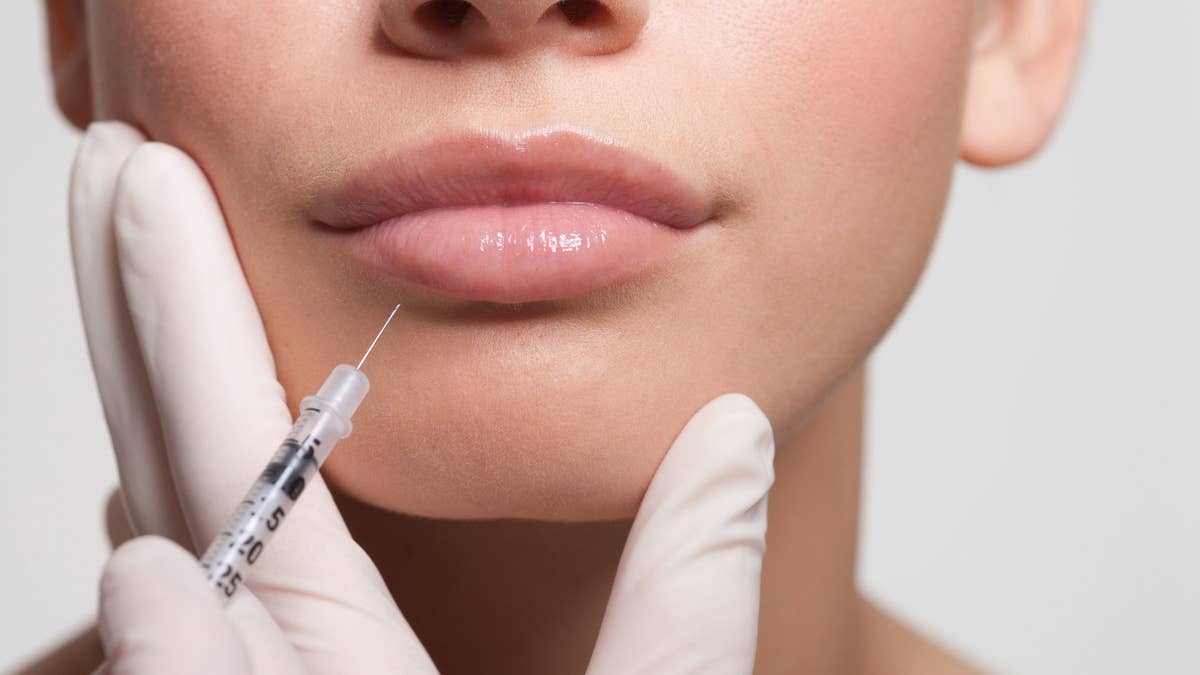

Botox and filler may have become as commonplace as a manicure in Hollywood, but Dr Terry Dubrow has a blunt warning for anyone tempted to book their next appointment on a whim: the needle is still a medical instrument.
Few people have witnessed the consequences of cosmetic procedures gone wrong as closely as the Beverly Hills plastic surgeon. Best known for transforming the lives of patients alongside Dr Paul Nassif on Botched, Terry has built an international reputation for tackling complex and sometimes devastating cases that other doctors have been unable – or unwilling – to repair.
His private practice is accustomed to high-profile clientele, although medical confidentiality means its A-list names remain firmly behind closed doors. Those who have publicly placed themselves in his hands on his show include supermodel Janice Dickinson, whose decades-old breast implants he replaced on Botched, and Terry’s wife, The Real Housewives of Orange County star Heather Dubrow.
But even some of Hollywood’s most recognisable women have admitted that injectables did not always produce the results they hoped for. Courteney Cox has spoken about undergoing treatments she regretted and feeling relieved that some of the effects could be dissolved, while Ariana Grande revealed she stopped having Botox and lip filler in 2018 because it had begun to feel like “too much”. Nicole Kidman previously described trying Botox as an “unfortunate move”, saying she was happy to be able to move her face again after stopping.
 © Getty Images
Terry’s message, however, is not anti-treatment. It is anti-excess, unrealistic expectations and allowing a social media trend or bargain price to determine what is injected into your face.
“The best work doesn’t announce itself,” he tells HELLO! “People should notice that you look healthy, rested and confident, not that you’ve had something done.”
Here, Terry reveals the red flags every patient should recognise, the questions to ask before agreeing to treatment and why chasing a filtered face can ultimately erase the very features that make someone unique.
Cosmetic treatments have become so normalised that people sometimes treat injectables like a beauty appointment. Do you think patients underestimate the medical risks involved?
Absolutely. Botox and filler are medical procedures, not beauty treatments. They’re extremely safe when performed by experienced, properly trained medical professionals, but they’re still injections into living tissue. Complications such as infection, vascular occlusion, tissue loss and even blindness, while rare, can occur. People often spend more time researching a restaurant than the person injecting their face, and that’s a mistake.
 © Getty Images
What are the biggest red flags people should watch for when choosing a cosmetic doctor, injector or clinic?
If the price seems too good to be true, it probably is. Be cautious of providers with little formal training, clinics that prioritise social media over patient safety, and anyone who promises perfection or pushes unnecessary treatments. You want someone who understands anatomy, can recognise complications immediately and knows how to treat them if they occur.
What questions should every patient ask before agreeing to Botox, filler or another non-surgical treatment?
Ask who is actually performing the procedure, what their qualifications are, how often they perform that specific treatment, what product they’re using and what happens if there’s a complication. Also ask about the risks, alternatives and expected longevity. An informed patient almost always makes better decisions.
 © FilmMagic
Are there any cosmetic procedures or injectable trends that have become popular on social media that you would personally advise people to avoid?
I’d be very cautious about treatments that become viral before they’re scientifically validated. DIY injectables, unapproved products bought online and excessive filler designed to chase a filtered look are all concerning. Social media rewards extremes, but great cosmetic medicine is about subtlety. The best work doesn’t announce itself.
You have treated many patients dealing with the consequences of previous procedures. What are the most common mistakes or regrets you see?
The biggest mistake is overdoing it. Patients often chase a trend instead of preserving their own anatomy. Too much filler, repeated treatments without a long-term plan and choosing an inexperienced injector because it was cheaper are the most common reasons people end up in my office seeking correction.
 © WireImage
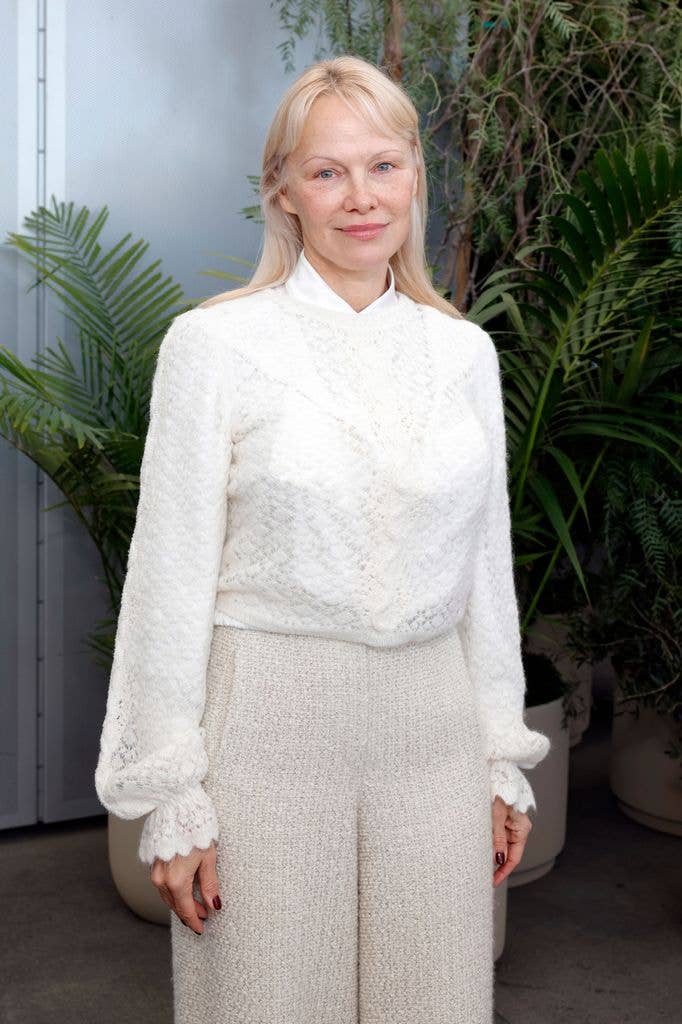
How have filters, FaceTune and celebrity images affected what patients expect to look like – and how do you respond when someone brings in an unrealistic reference photo?
Filters have blurred the line between what’s digitally possible and what’s biologically possible. When someone brings in an unrealistic photo, I use it to understand what feature they’re hoping to improve, not to recreate the exact image. Cosmetic surgery can enhance your appearance, but it shouldn’t erase your identity. My goal is to create the best version of you, not someone else’s face.
What is the one thing you wish every person knew before undergoing any cosmetic enhancement?
The best cosmetic work is almost invisible. People should notice that you look healthy, rested and confident, not that you’ve had something done. Cosmetic medicine is about preserving and enhancing what makes you unique, not transforming you into someone else. The right procedure, performed for the right reasons by the right professional, should leave you looking like yourself on your best day.
To find out more about Dr Terry Dubrow visit drdubrow.com
Read the full article here