






Now that spring is in full swing, it’s a good time to hit refresh and rethink your skincare routine. In addition to swapping out heavy creams for lighter layers, look to ingredients that will lift away dulling dead skin cells and ultimately, improve overall glow. Our top recommendation? Microspicules.
Another K-beauty innovation, microspicules are tiny, need-like structures that are increasingly cropping up in creams, serums and even sheet masks. Often referred to as “liquid microneedling”, they’re designed to mimic some of the effects of in-clinic treatments, but in a far gentler, at-home format.
As aesthetic doctor and K-beauty expert Dr Christine Hall explains, “microspicules create micro-channels in the skin and induce controlled micro-trauma, much like traditional microneedling – but they’re suspended in skincare, hence the term liquid.” The result? Enhanced absorption of active ingredients and, over time, smoother, more radiant-looking skin.
Intrigued to find out more? Ahead we break down the benefits of using spicule skincare and how to incorporate them into your spring skincare regime.
What are spicules?
Microspicules are microscopic, needle-shaped structures that are derived from highly purified sea sponge – essentially silica-based fragments that form part of the sponge’s natural skeleton. While invisible to the naked eye, under a microscope they resemble tiny shards.
“They work within the upper layers of the skin to improve ingredient delivery and stimulate renewal,” says celebrity facialist and brand founder, Sarah Chapman. “I would describe them as a skincare-led approach to micro-stimulation, rather than a replacement of in-clinic microneedling – which has the ability to penetrate much deeper and induce collagen production.”
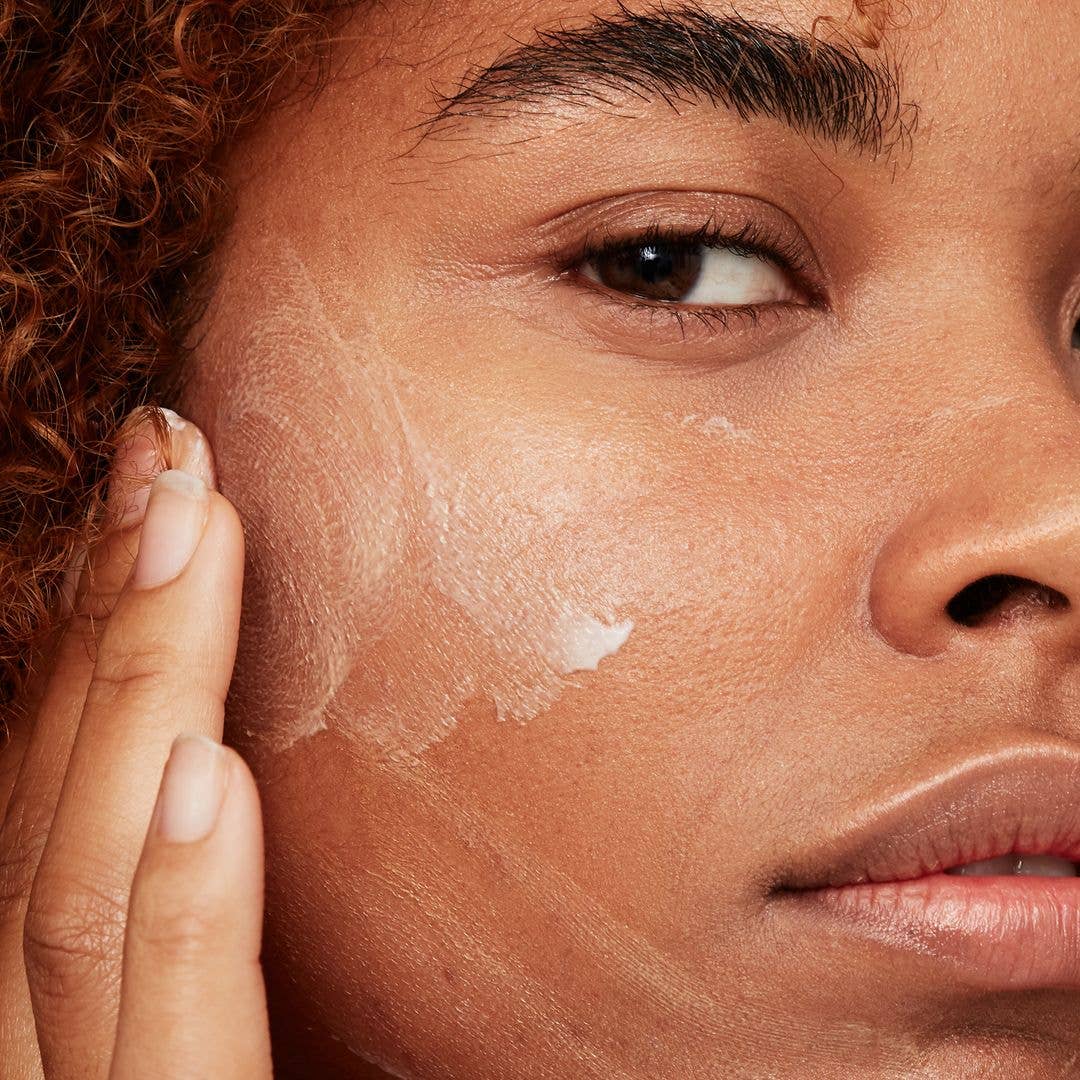 © Leandro_Crespi
How does spicule skincare work?
“When applied to the skin, spicules embed into the very outermost layer, creating tiny, temporary micro-channels. These channels are superficial but sufficient to enhance the absorption of active ingredients,” explains Dr Hall. Other benefits include:
- Gentle exfoliation:
“Their needle-like structure helps to dislodge and remove dead skin cells from the surface, effectively helping to slough away the outer layer of dull, accumulated cells. This provides a mild mechanical exfoliation, which can improve skin texture and radiance. It’s a subtle effect, but one that complements their role in enhancing overall skin clarity and smoothness,” she says.
- Boost collagen production:
Any time you create a small amount of trauma in the skin, you trigger a repair response, and with that comes some collagen stimulation. “Micro-spicules do induce this micro-trauma, and certain products have shown that they can stimulate collagen,” she says. However, it’s important to keep this in context: the effect is superficial and relatively modest. “While any increase in collagen is beneficial, it is not on the same scale as in-clinic treatments and should be seen as a supportive effect rather than a primary treatment for collagen induction.”
- Help actives absorb deeper:
The skin barrier is designed to prevent penetration, both to protect against pathogens and to reduce water loss, which is beneficial biologically but limiting from a skincare perspective. “Microspicules temporarily bypass this barrier by creating superficial channels in the skin. This allows active ingredients to travel deeper than they ordinarily would, effectively carrying them into the skin as the spicules embed. Unlike traditional delivery systems, which rely on formulation chemistry or penetration enhancers, this is a purely physical mechanism. Crucially, it remains confined to the outer surface layers, so it enhances delivery without reaching depths that would trigger more significant inflammation,” she explains.
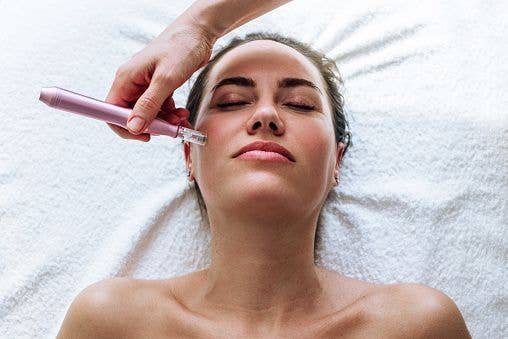 © Getty Images
Are spicules as good as microneedling?
In short, no – but they do offer a useful middle ground. “Nothing replaces the precision and intensity of in-clinic treatments,” says Chapman. “But spicule technology offers a way to extend and enhance in-clinic results. It also gives us an option for those clients who can’t tolerate microneedling – it’s a softer in-between treatment.”
Dr Hall agrees that professional treatments remain the gold standard, particularly when it comes to collagen stimulation and deeper structural change. However, she points out that they come with downtime and are typically performed far less frequently. “Micro-spicules, by contrast, offer a no-downtime, topical alternative that enhances ingredient delivery on a more regular basis,” she explains.
Interestingly, while the channels created by spicules are much smaller, they’re far more numerous. “You actually create far more of them – potentially over a million, even up to one and a half million depending on the formulation – compared to something like a dermaroller, which might create around half a million in a session,” Dr Hall notes.
That said, the results are not directly comparable. “It occurs on a far more superficial level, with significantly less trauma and therefore less collagen stimulation overall,” she adds. “While no topical treatment can truly replicate in-clinic procedures, this is one of the closer analogies within skincare.”
Who can use spicule skincare?
Micro-spicules are best suited to those looking to boost radiance and refine skin texture. “They are particularly effective for enhancing skin luminosity and achieving that ‘glass skin’ look,” says Dr Hall, noting they can also help target pigmentation, early signs of ageing and fine lines by improving the absorption of active ingredients. Chapman adds that they’re ideal for “skin that feels dull, tired or sluggish,” as well as thicker or more congested skin types, helping to smooth and revive the complexion.
Although generally well tolerated, Dr Hall advises caution if your skin barrier is compromised. “Because they create micro-channels in the skin, you can experience some mild irritation and tingling – especially initially,” she explains. Those with conditions such as eczema or rosacea should proceed carefully, and it’s best to avoid using them on broken skin altogether. As with any active-led skincare, introducing them gradually and patch testing first is key.
How to incorporate spicule skincare into your regime?
“They should be applied early in the routine, immediately after cleansing, on dry skin and typically at night,” says Dr Hall. “You would then follow with hydrating or calming ingredients (such as cica, humectants or peptides) to take advantage of the enhanced absorption.” She also stresses the importance of building up usage slowly.
Chapman warns that “overuse and over-layering are two common mistakes,” noting that spicules work best when paired with a considered, balanced routine rather than multiple competing actives. “Avoid using them alongside retinol or exfoliating acids, as they already penetrate effectively on their own and combining them can increase the risk of irritation,” adds Dr Hall.
Our top spicule skincare picks to add to your routine…
Sarah Chapman Spicule Collagen Infusion Mask, £22 for one
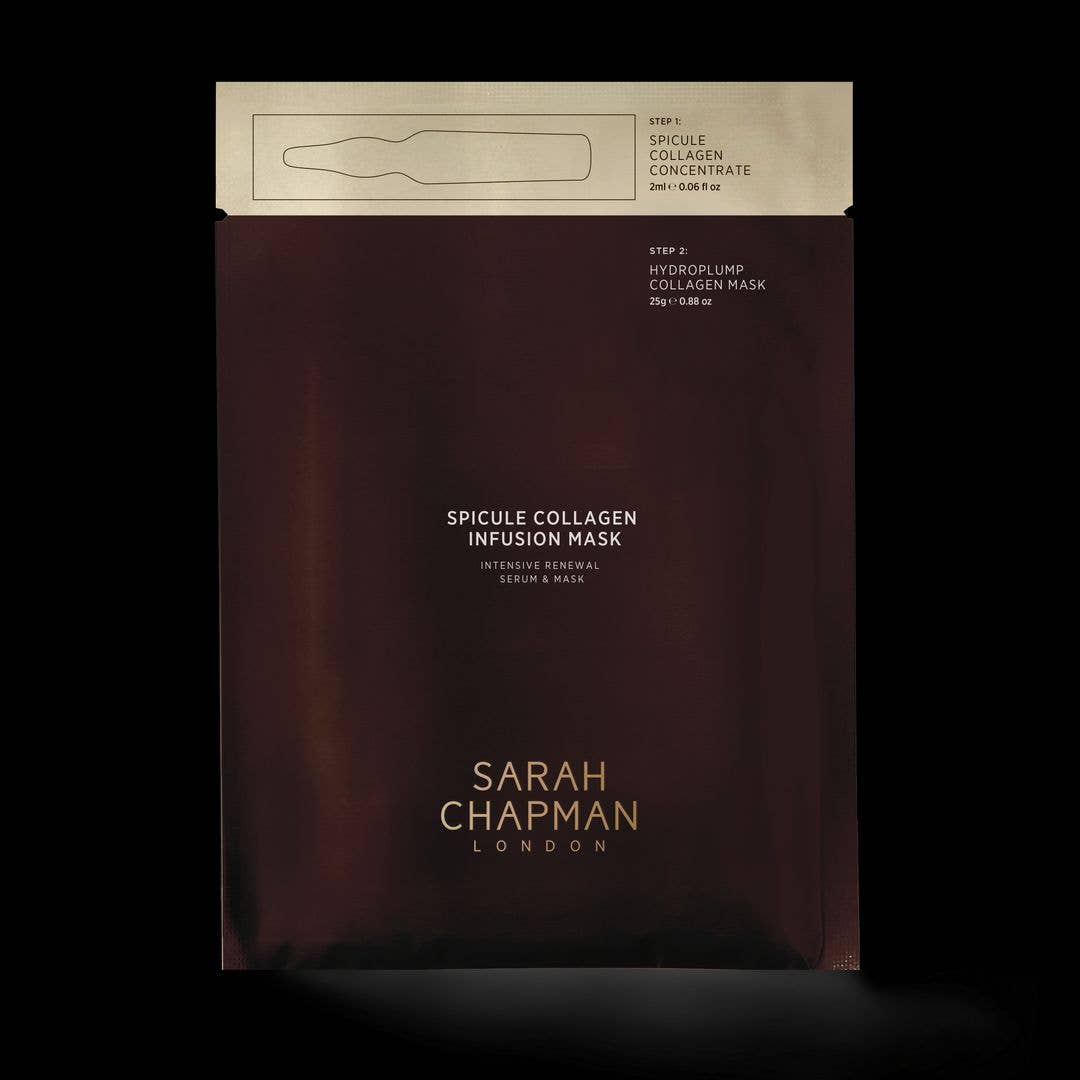
Designed as an at-home skin-activating treatment, this two-step mask is ideal between clinic visits. As Chapman explains, it helps keep skin “responsive, energised and optimised for in-clinic results,” while delivering an instant tightening and plumping effect. Apply the spicule concentrate first, pressing it into clean skin, before layering the hydrogel mask on top and leaving it to work for 20–30 minutes.
Erborian Ginseng Micro Shot Starter 0.1%, £42
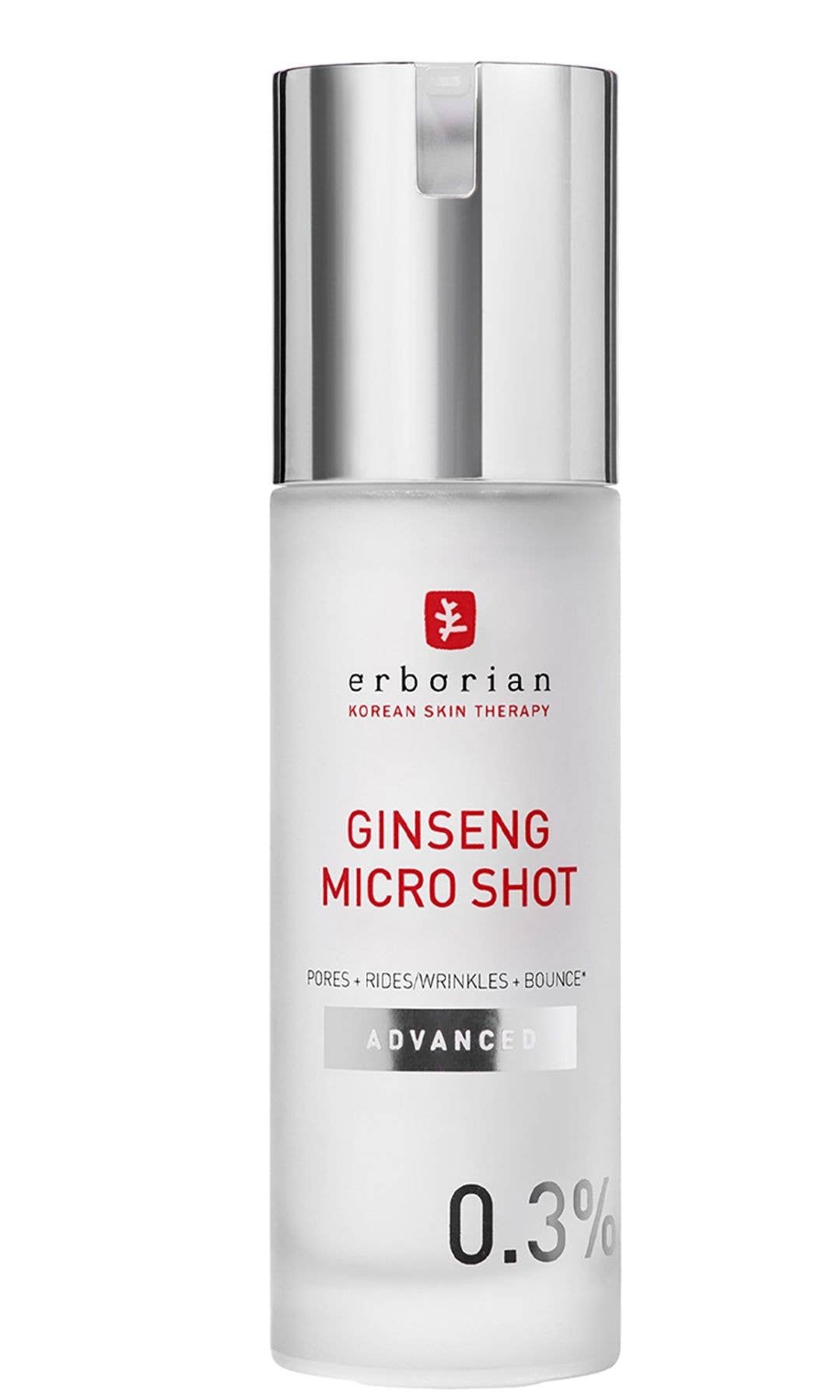
A great entry point for the spicule-curious, this low-strength formula combines microspicules with another popular K-beauty ingredient – ginseng. Designed to refine texture and boost glow over time, it’s gentle enough for beginners but still delivers that tell-tale tingling sensation (a sign it’s getting to work beneath the surface).
VT Reedle Shot 100 Serum, £27
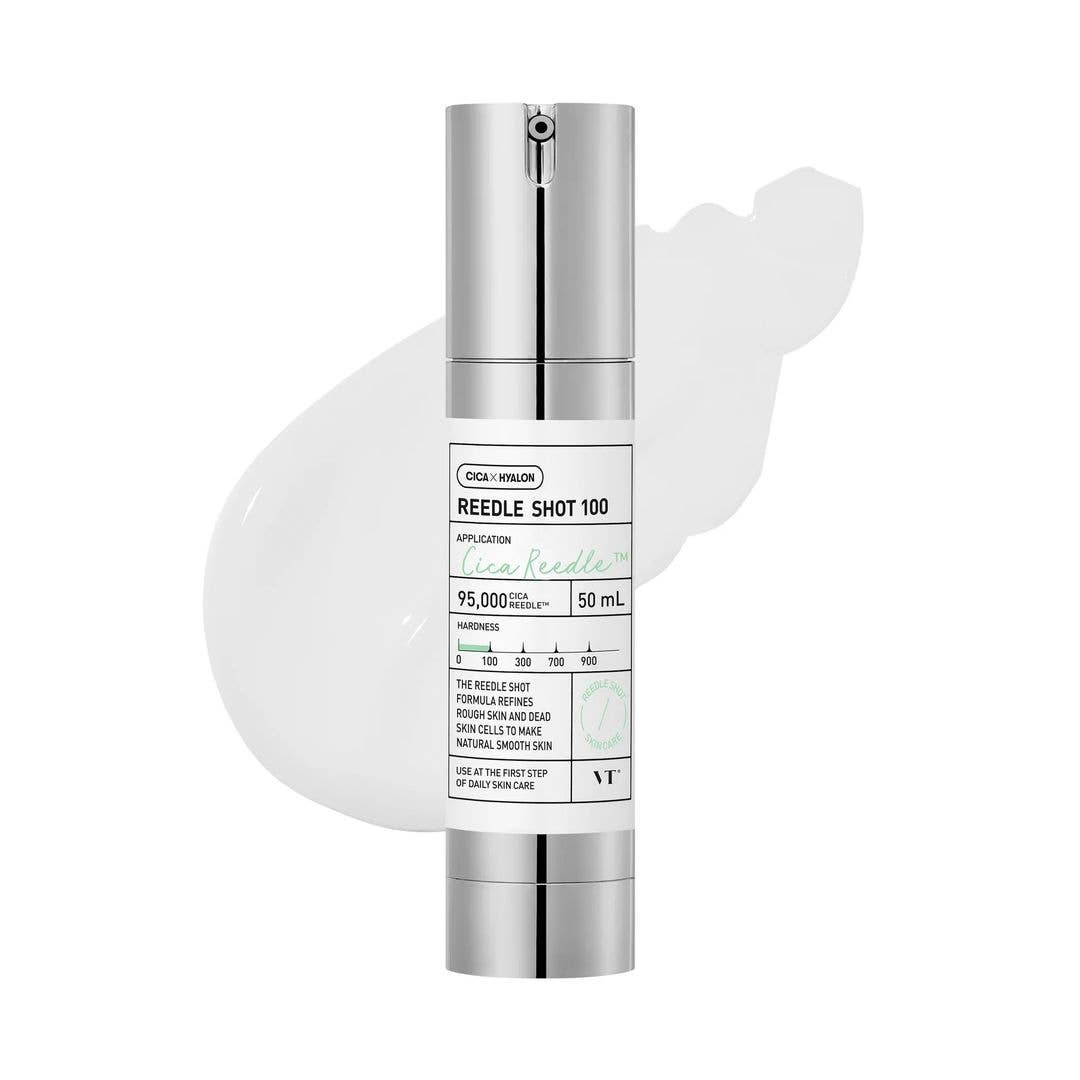
One of the most talked-about formulas to come out of Korea, this serum has achieved cult status for a reason. Powered by cica-coated micro-spicules, it works to smooth texture, support skin renewal and amplify the effects of the products you layer on top. Expect a clearer, more refined-looking complexion with continued use.
Medicube One Day Exosome Shot Pore Ampoule 7500, £25
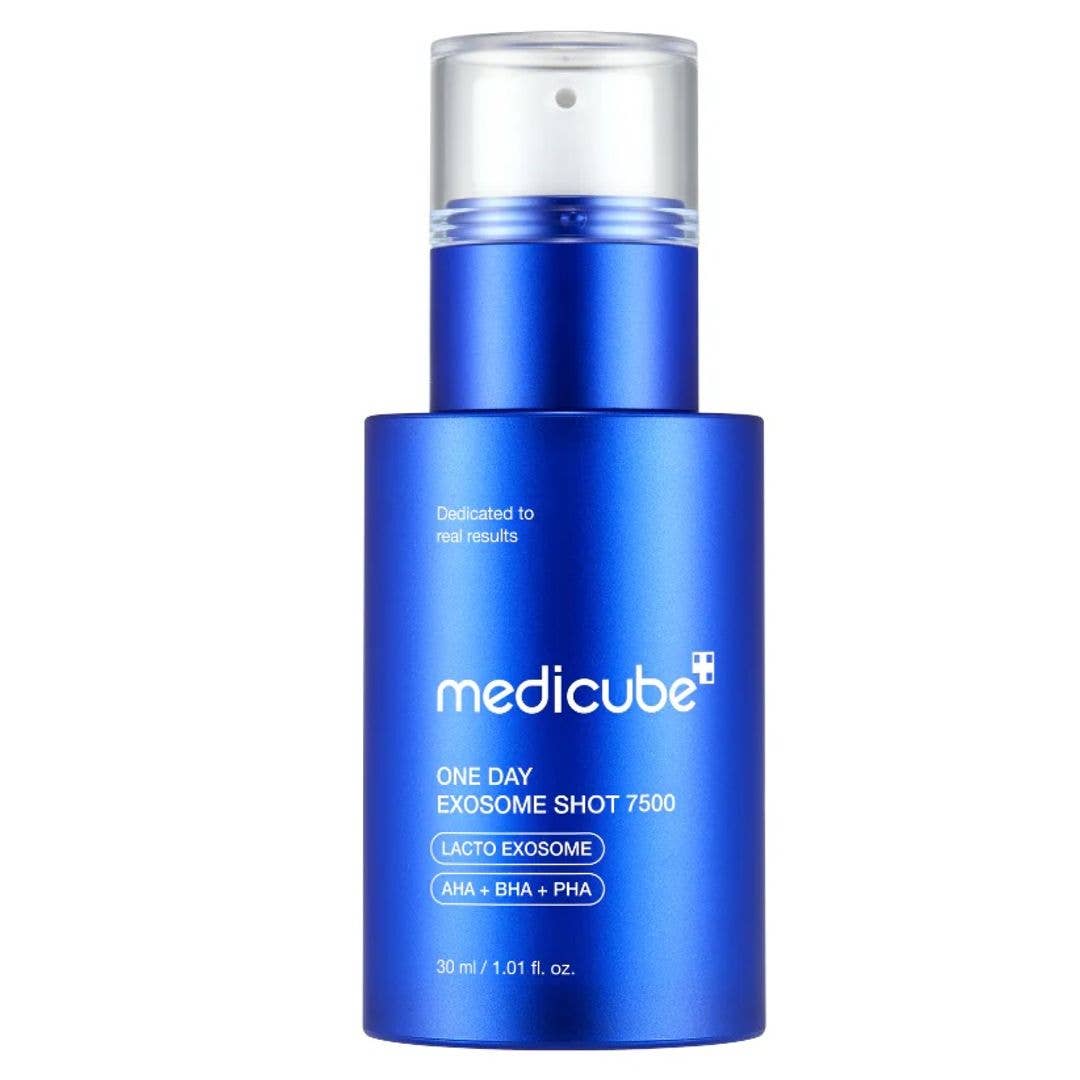
Blending microspicule technology with exosomes, this ampoule is all about fast-tracking results. It targets enlarged pores, uneven texture and dullness in one step, helping skin appear smoother and more luminous with continued use. Lightweight but powerful, it slots easily into an evening routine when your skin needs a bit of a reset.
Read the full article here