





Inheritance, which has long been the mechanism for preserving dynastic power and the financial aristocracy, is facing a profound sociological shift.
In recent years, an increasingly influential club of tech magnates, Wall Street investors and Hollywood A-listers with massive net worths have made a radical decision: to forgo massive trust funds for their children.
Operating on the premise that multi-million-dollar inheritances are a form of “curse” that stifles ambition, distorts reality and triggers deep identity crises, often dragging younger generations into spirals of addiction or apathy, the top one per cent are publicly rewriting their wills.
The message to their children is clear: your surname will grant you an invaluable network of contacts, but if you want money in the bank, you’ll have to earn it.
This trend, far from being a bout of stinginess, is backed by damning statistics that are causing sleepless nights for major wealth management firms.
Reports from organizations like the Williams Group and the Family Business Institute reveal a statistic that terrifies the founders of business empires: 70 per cent of wealthy families lose or completely squander their fortune by the second generation, and 90 per cent see it vanish entirely by the third.
To prevent this, the financial elite are turning to aggressive “lifetime giving” to draw down family accounts before they pass away.
Apple founder Steve Jobs’s widow Laurene Powell Jobs isn’t interested in legacy wealth building – ‘If I live long enough, it ends with me,’ she has said
Alternatively, they are opting for the sophisticated drafting of legal documents that impose “strict incentive trusts” – where heirs are only released small sums of money if they can prove they have obtained a university degree, hold stable employment or can match the money they intend to withdraw from the fund with their own annual salary.
The Billionaires: Why the 1% is pledging their wealth away
 © Getty Images
At the absolute vanguard of this mass disinheritance movement are the titans of the digital and financial eras, who channel their vision through The Giving Pledge.
Launched by Warren Buffett and Bill Gates, this campaign functions as a pact of honor in which more than 240 billionaires from across the globe have committed to donating at least half of their immense fortunes to charitable causes – either during their lifetimes or in their wills – effectively removing their direct descendants from the main wealth equation.
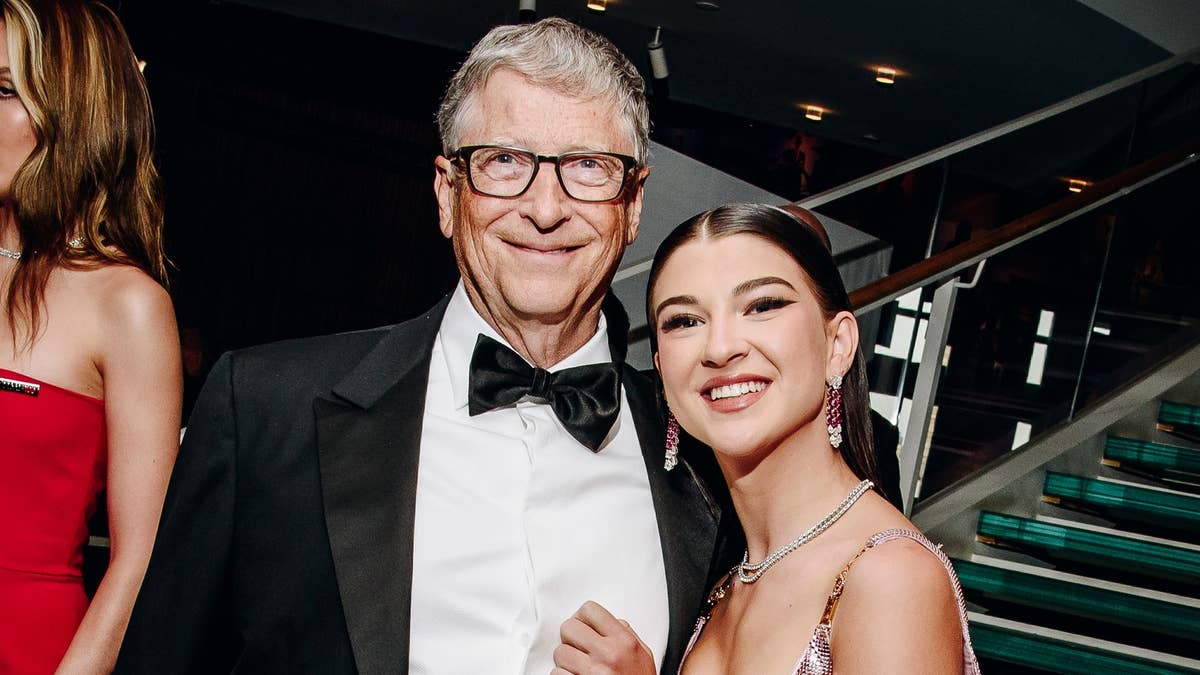
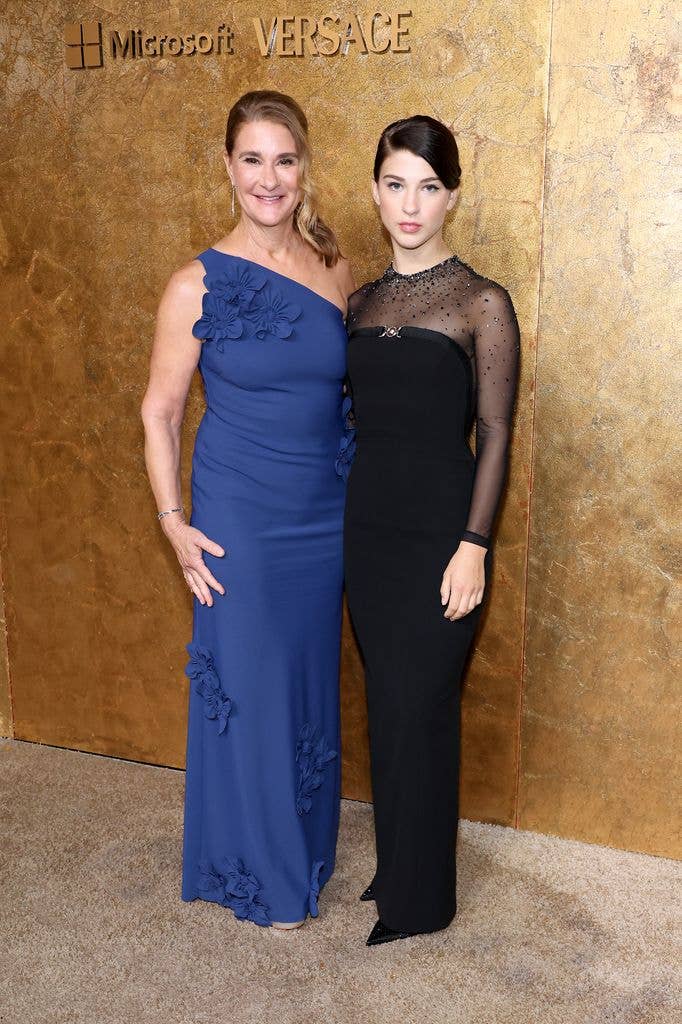
Bill Gates has become one of the movement’s most vocal spokespeople. The Microsoft founder has legally ring-fenced the vast majority of his wealth for the foundation he shares with ex-wife Melinda French Gates, asserting in repeated interviews that his three children will receive a fixed sum, around 1% each. “It’s no favor to kids to have huge sums of wealth,” Gates has argued, emphasizing that doing so “distorts anything they might do as they create their own path.”
Warren Buffett shares an identical philosophy, famously declaring: “Leave children enough so they can do anything but not enough that they can do nothing.”
True to his word, Buffett has arranged for 99 per cent of his wealth to be gradually channeled into philanthropic foundations, ensuring his children will not spend their lives simply living off unearned wealth.
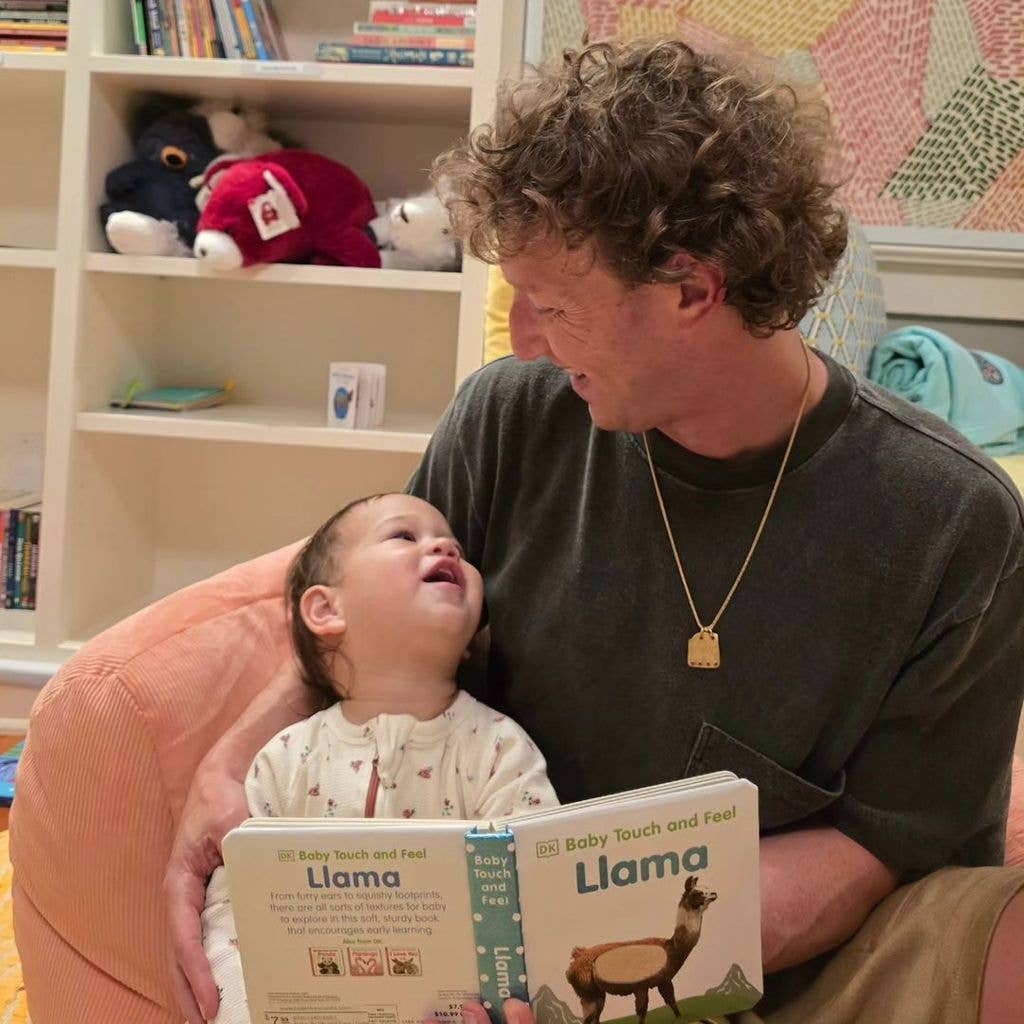
The tech and social media sectors have been quick to follow suit. Parents-of-three Mark Zuckerberg and his wife, Priscilla Chan, made headlines after the birth of their first daughter, Max, by publishing an open letter announcing they would donate 99 per cent of their Meta (Facebook) shares to their own philanthropic vehicle, the Chan Zuckerberg Initiative.
 © @zuck Instagram
This uncompromising stance is shared entirely by Steve Jobs’s widow, Laurene Powell Jobs. As the founder and leader of the Emerson Collective, she has made it clear that she will not be passing her late husband’s immense fortune down to their children.
“I inherited my wealth from my husband, who didn’t care about the accumulation of wealth,” she told The New York Times. “I’m not interested in legacy wealth building, and my children know that. Steve wasn’t interested in that. If I live long enough, it ends with me.”
Taking a similar path, Apple CEO Tim Cook has also joined the fray. Cook has stated that he plans to donate every last penny of his fortune to global charitable causes – securing only enough funds to pay for his nephew’s university education before giving away the rest.
Hollywood A-listers’ rules on trust funds
This philosophical shift has moved far beyond Silicon Valley to take firm root in Hollywood.
Ashton Kutcher and Mila Kunis explained on the Armchair Expert podcast that they have not set up any trust funds for their children. “I’m not setting up a trust for them,” Ashton revealed. “We’ll end up giving our money away to charity and to various things.”
However, Kutcher left the door open to pure meritocracy: “If my kids want to start a business, and they have a good business plan, I’ll invest in it. But they’re not getting trusts.”
 © Penske Media via Getty Images
During a podcast, Ashton Kutcher revealed that his children with Mila Kunis are ‘not getting trusts’
In a very similar vein, James Bond star Daniel Craig’s stance is one of the most widely discussed in the entertainment press. The actor openly confessed his absolute aversion to the very concept of passing down wealth. “I think inheritance is quite distasteful. My philosophy is: get rid of it or give it away before you go,” he stated, confirming that his daughters will not be inheriting his millions.
Similarly, martial arts and action movie legend Jackie Chan left the press stunned in 2011 when he delivered a blunt verdict on the financial future of his son, Jaycee: “If he is capable, he can make his own money. If he is not, then he will just be wasting my money.”
 © Getty
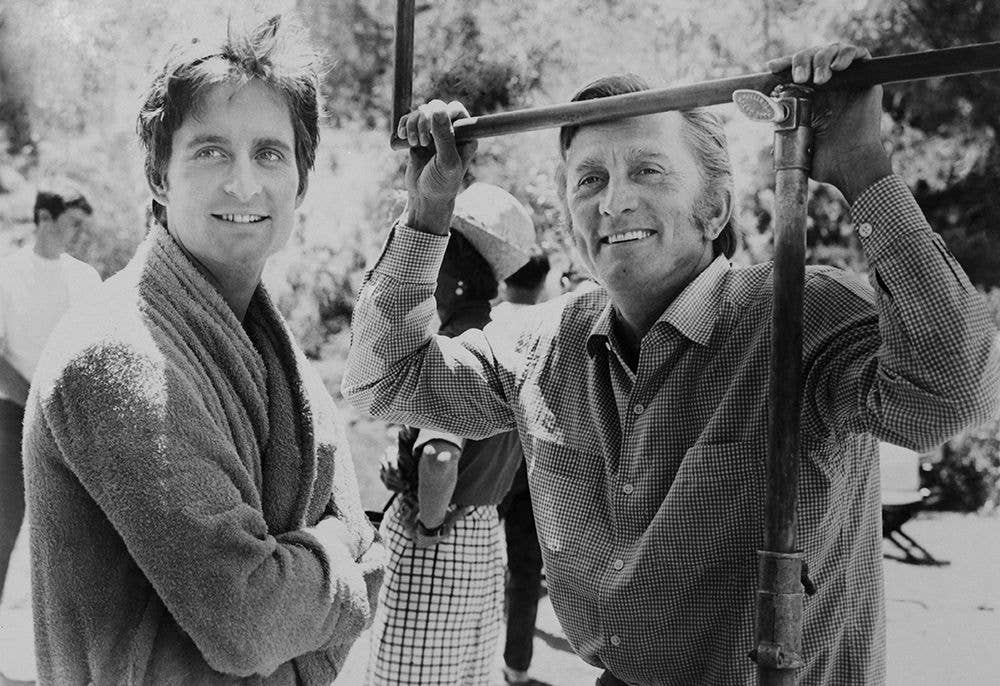
This determination to avoid spoiling the next generation was taken to its absolute limit by Kirk Douglas. When he passed away in 2020, the legendary Spartacus star left instructions for almost all of his $61 million fortune to be donated to the Douglas Foundation to fund social projects – leaving his famous son, Michael Douglas (worth around $350 million himself) entirely out of the will.
How Sting and Elton John are avoiding the ‘silver spoon’ pitfall
Sting, the former frontman of rock group The Police, grew up in a working-class family near the shipyards of northeast England—an experience that profoundly shaped his view of wealth. Speaking to CBS Sunday Morning, the musician was characteristically blunt: “I think the worst thing you can do to a kid is to say, ‘You don’t have to work.’ I think that’s a form of abuse that I hope I’m never guilty of.”
He noted: “All of my kids have been blessed with this extraordinary work ethic, whether it’s the DNA of it or whether I’ve said to them, ‘Guys, you got to work. I’m spending our money. I’m paying for your education. You’ve got shoes on your feet. Go to work.'”
 © Catherine Opie / PA
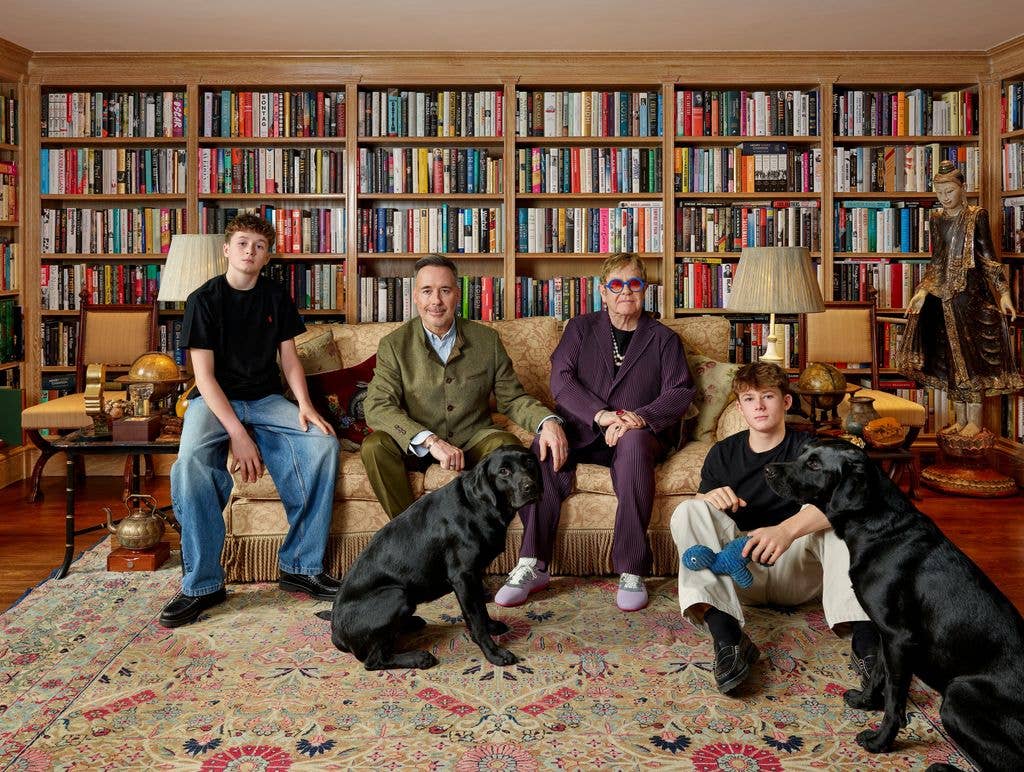
Elton John and husband David Furnish share a similar philosophy. Although the singer boasts one of the most substantial fortunes in global pop music, he has consistently argued that passing down unfettered wealth is a mistake. “Of course I want to leave my boys in a very sound financial state,” he said. “But it’s terrible to give kids a silver spoon. It ruins their life.”
Doing so, he believes, completely strips away a child’s respect for hard work, the value of money and the dignity of earning a living.
Gordon Ramsay’s ‘no First Class’ family policy
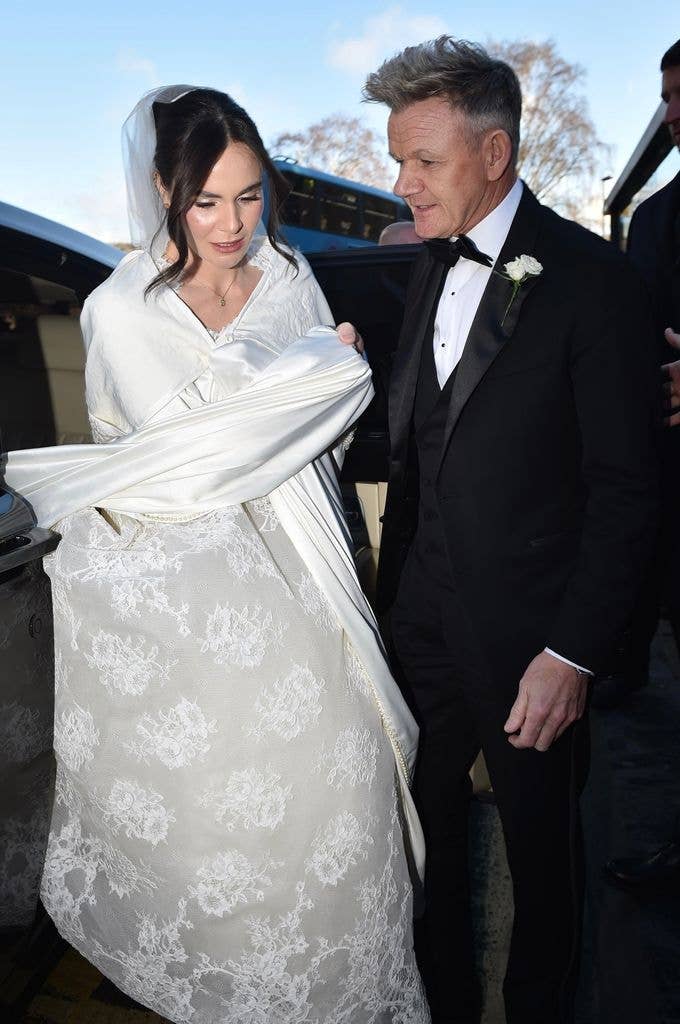
Chef Gordon Ramsay, the mind behind a global restaurant and Michelin-star empire, applies similarly strict rules at home. Ramsay revealed to The Telegraph in 2017 that his immense television and culinary fortune will not be handed down to his children – and he wasn’t planning on buying them apartments, either.
 © BACKGRID
“It’s definitely not going to them, and that’s not in a mean way; it’s to not spoil them,” he said. “The only thing I’ve agreed with [my wife] Tana is they get a 25 per cent deposit on a flat, but not the whole flat.”
The TV chef, who last year walked his daughter Holly down the aisle, went a step further by sharing a family rule that perfectly illustrates his mindset: when traveling together on vacation, his children were strictly forbidden from joining him and his wife in first class, and were relegated instead to premium economy or economy.
“They don’t sit with us in first class,” he said in 2017. “They haven’t worked anywhere near hard enough to afford that. At that age, at that size, you’re telling me they need to sit in first class? No, they do not. We’re really strict on that,” he said in 2017.
The Loophole: Are 1% actually leaving their children behind?
 © Instagram/@drjenngates
Ultimately, critics remind us that the cutting off of this financial lifeline happens exclusively within the stratosphere of the ultra-wealthy, and should be taken with a healthy pinch of salt.
While this new generation of the global elite may not inherit billions in ready cash or direct stock transfers, they have possessed an invisible, life-long advantage over the rest of the population from the day they were born.
Consequently, these billionaires’ refusal to leave their whole empires to their children is likely not a ticket to a life of financial hardship.
Read the full article here