




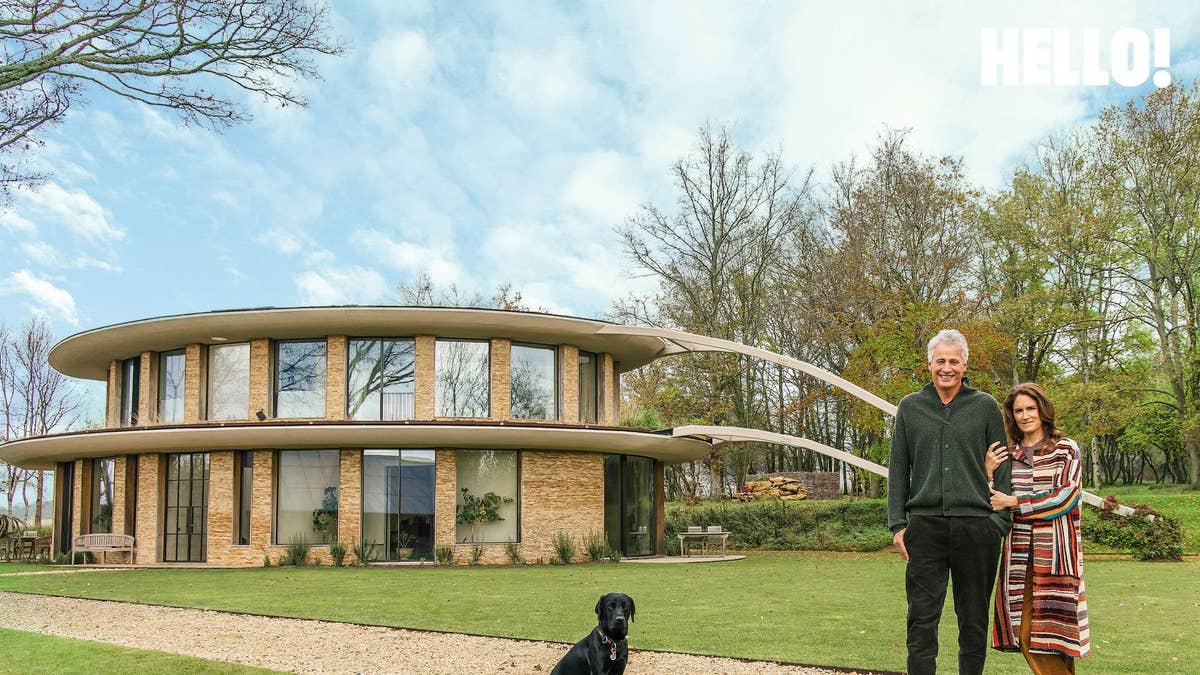

An innovative visionary with a passion for sustainable design, the British architect Alex Michaelis, co-founder of the renowned Michaelis Boyd studio, has become a defining figure on the international scene.
Alongside him, his wife, Susanna Parry, an art consultant with a distinguished career at Sotheby’s, brings a refined aesthetic sensitivity that perfectly complements her husband’s architectural philosophy. Their country retreat in the heart of the Cotswolds, ”Leaf House”, which is designed in the shape of a leaf, stands as a profound tribute to both the natural world and contemporary design.
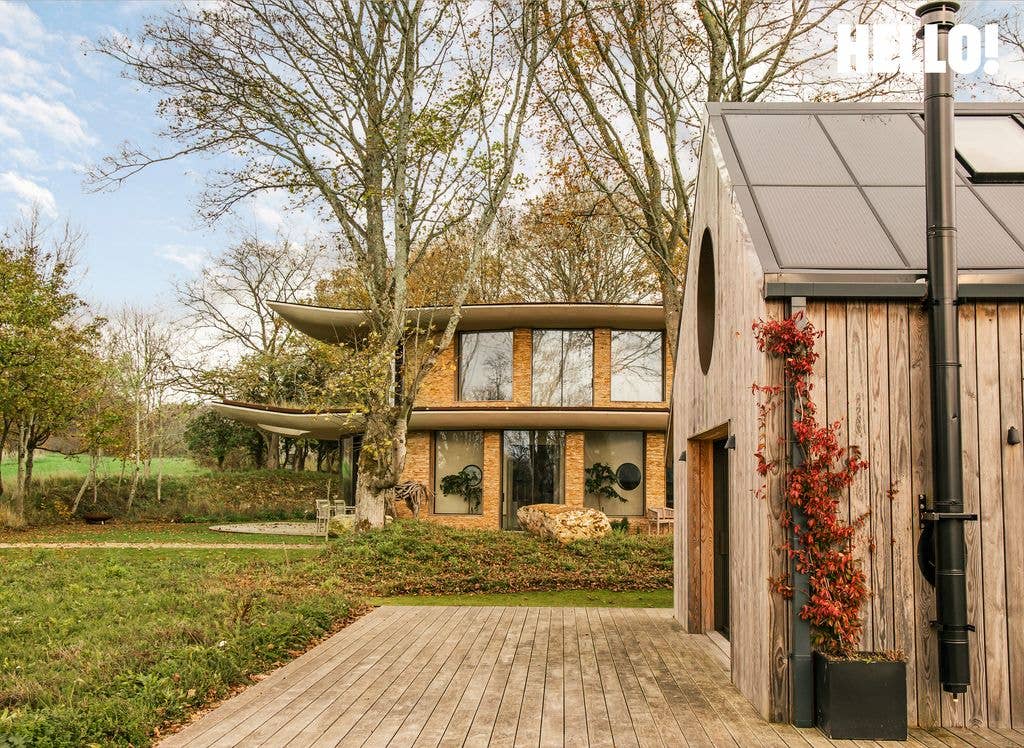
The project was not without its challenges. It took three attempts to finally navigate the planning process and secure the necessary permissions. Given the size of their family – the couple have seven children – they extended the main house with an adjoining structure known as the ”LongBarn”, which houses several bedrooms, a music room, dedicated workspaces and a gym. Inspired by the silhouette of two leaves settling gently on to the landscape, the house feels entirely at one with its surroundings.
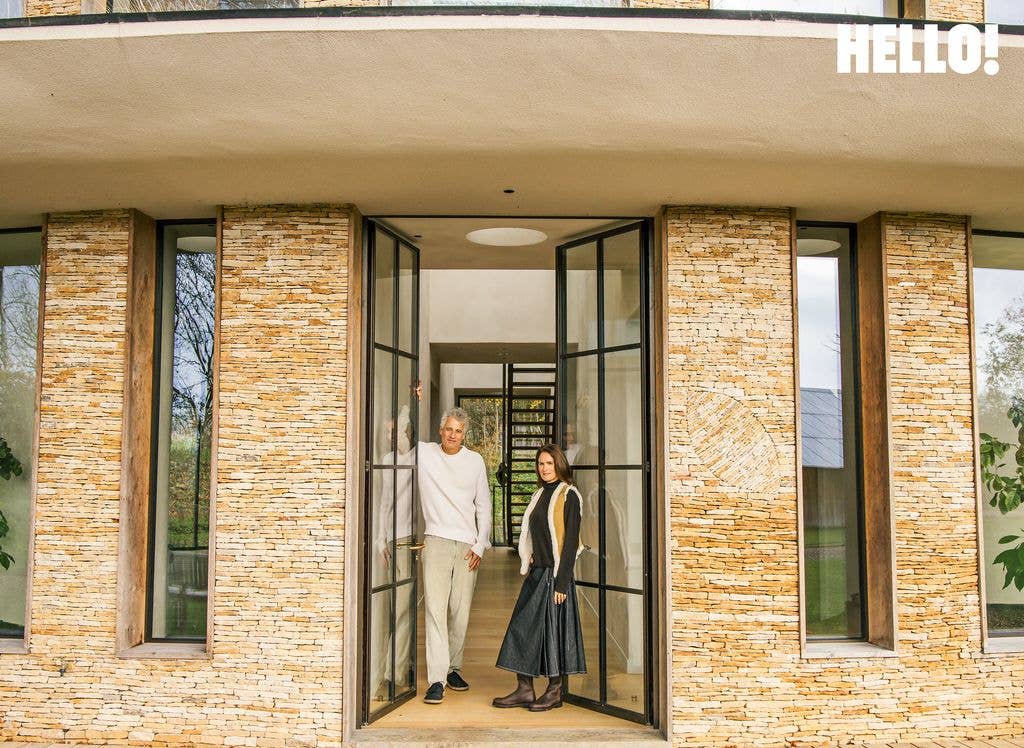
The structure is crafted from honey-coloured limestone, sourced from a private quarry discovered within the property’s own woodland, and is equipped with solar-power technology and sophisticated rainwater-harvesting systems. Ultimately, Alex and Susanna continue to prove that true modernity isn’t just about aesthetics; it is about the ability to build with purpose, heart and a deep-seated respect for both the planet and family life.
Alex, how long have you owned this house?
 © FERNANDA & PALOMA
”Susanna and I fell in love with this place more than ten years ago, and it took us eight years to obtain all the necessary permissions to begin building it. We were immediately captivated by the wide, tranquil views of the Evenlode Valley, the surrounding woods and the stone quarry that forms part of the land.
”We transformed the quarry into a winding, sculptural path that leads to the house, complete with muntjac deer [one of the smallest species of deer], and we called it Leaf House. It’s the third house we have designed together and, without a doubt, the most ambitious.
”We wanted to create a home integrated into nature, with greenhouse-like spaces interwoven with the architecture to bring the landscape indoors. These spaces also help to regulate the temperature, for both heating and cooling.”
What makes a house ideal for you?
 © FERNANDA & PALOMA
”I think a perfect home is one where family and friends can gather, relax and share special moments together.
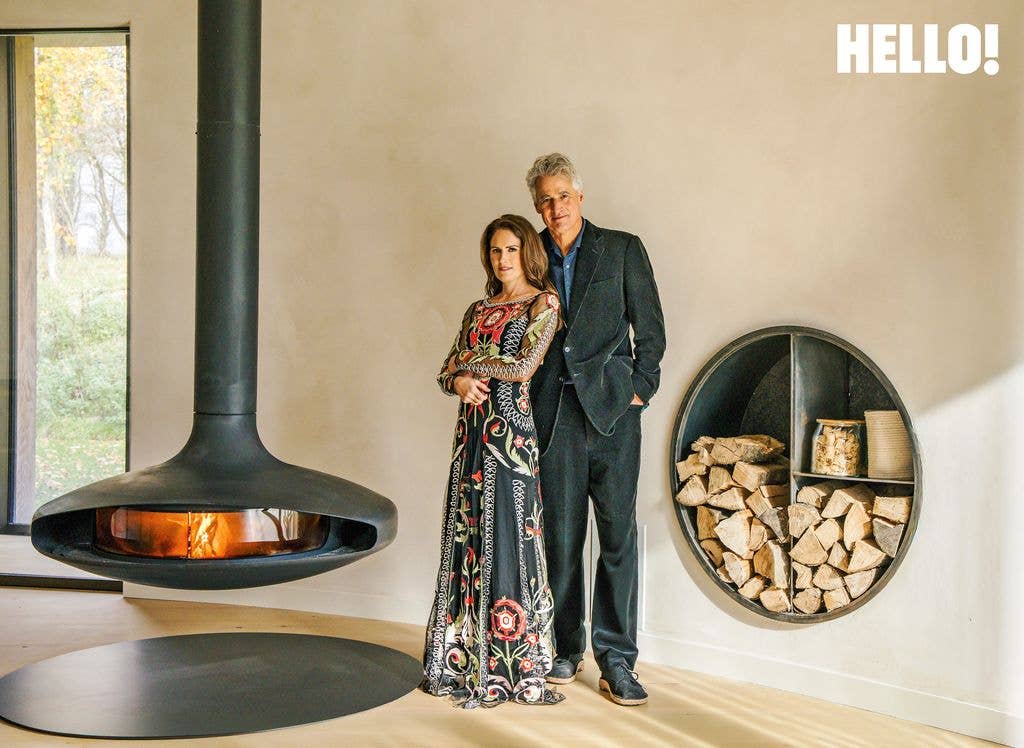
”For me, it is essential to bring the outdoors in and use natural materials, such as clay plaster on the walls and wood on the floors, walls and ceilings to create an atmosphere of calm and wellbeing.”
How did having seven children influence the home’s design?
 © FERNANDA & PALOMA
”Now, we also have a grandchild! With such a large family, spacious communal areas are very important, but we also value having quiet, private areas where we can withdraw and rest.
”In the main house, we have three bedrooms: a ‘suite’ for us and two bedrooms with bathrooms for our younger children.
”In the second house, we created a yoga and music studio, plus two offices, as well as separate apartments to offer space and independence to our older children and guests.
”Each apartment has a bedroom, a kitchen, a bathroom and an additional bedroom upstairs.”
How does Susanna’s knowledge as an art consultant influence your projects?
 © FERNANDA & PALOMA
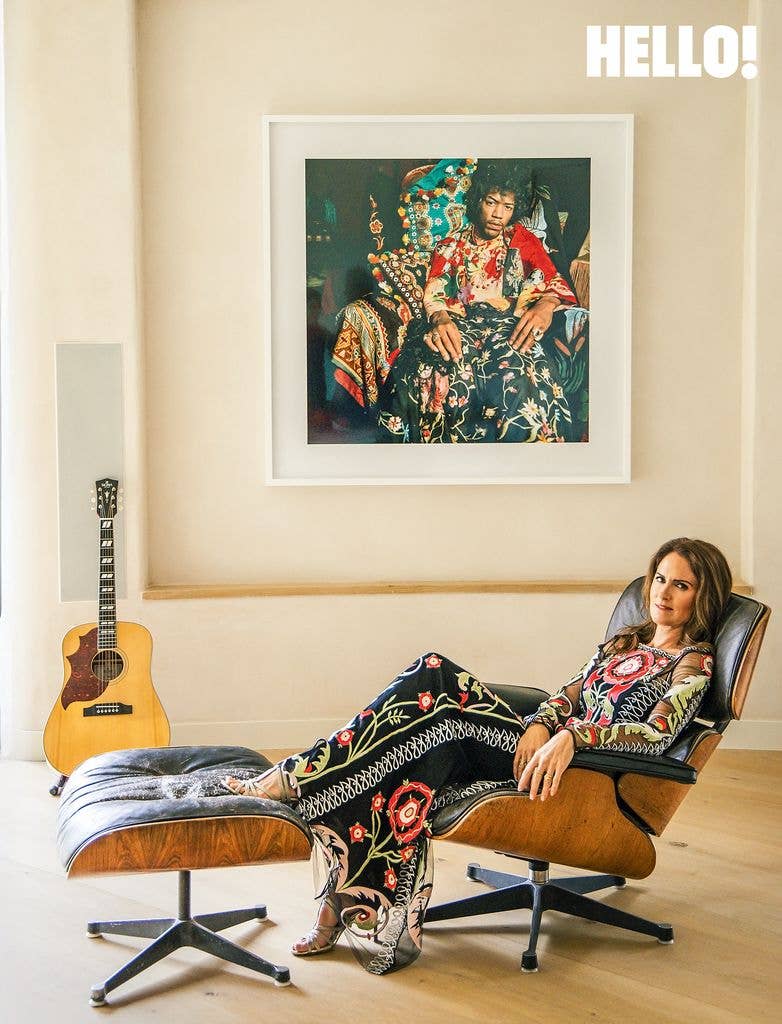
”Susanna and I have worked together on numerous projects. After reading English literature at Cambridge, she completed a postgraduate degree at Sotheby’s before spending several years immersed in the art world.
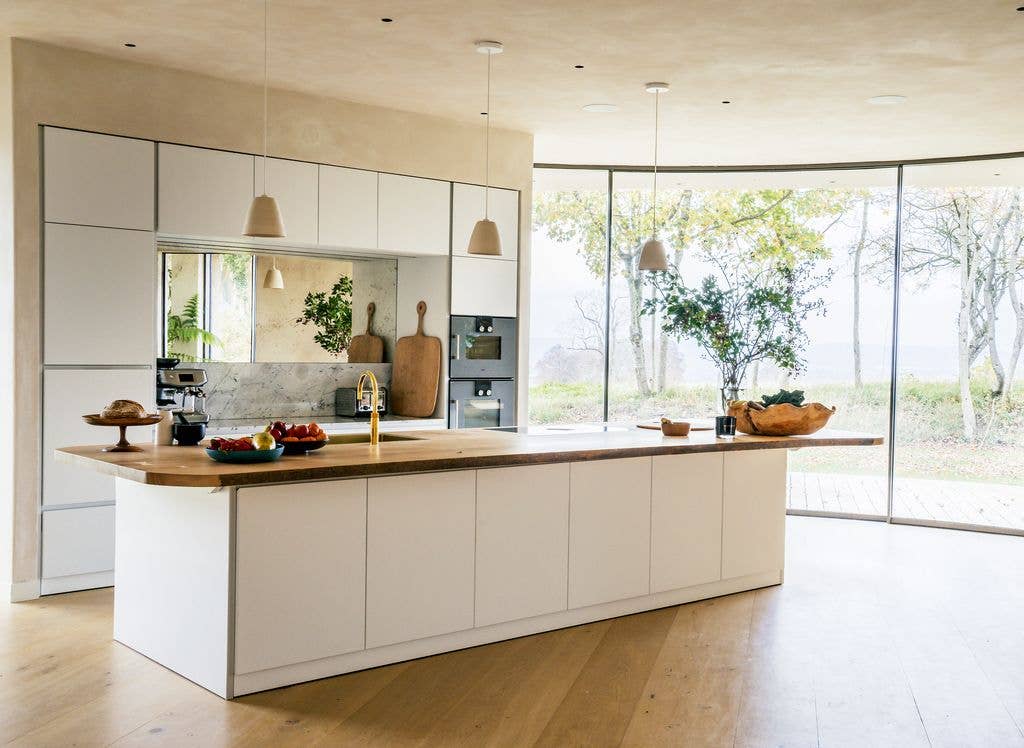
”She has a fantastic eye for design, overseeing everything from the artwork and lighting to the mirrors and finishes – as well as those finer, more subtle details that truly bring a home to life.
”Alongside her, I tend to focus on the broader vision: how the spaces connect and how they are ultimately experienced.
”We’ve found a natural balance, and luckily, we find ourselves agreeing on almost everything.”
How did you two meet?
 © FERNANDA & PALOMA
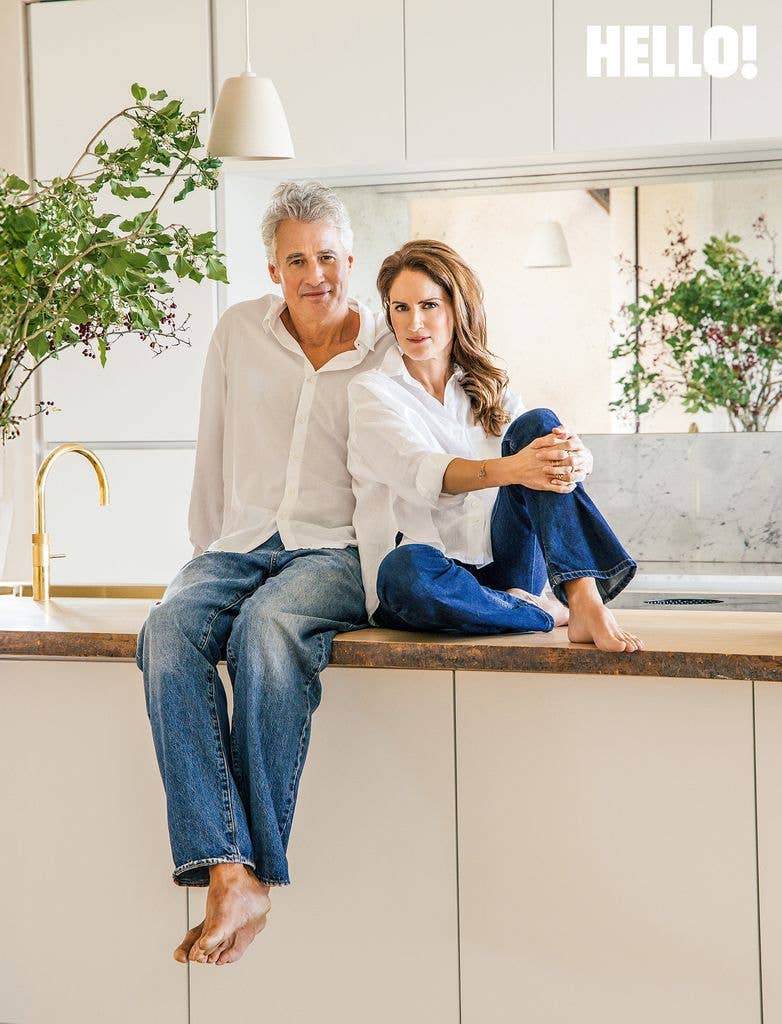
”We met about 20 years ago, through a mutual friend. Life is strange – you never know when you’re going to meet your soulmate. That one introduction quietly changed the course of our lives.”
How often do you come to the Cotswolds?
 © FERNANDA & PALOMA
We’re here whenever we can manage it, usually with the children and our dogs, Blue and Maple, in tow. We’ve now got six chickens –Whitney, Etta, Gladys, Tina, Beyoncé and Ella –along with beehives, a vegetable garden and a flower garden.
”We’ve always got a few new projects on the go, too. The children are becoming increasingly fond of the place, and it’s a wonderful spot for working from home.”
What kind of atmosphere are you aiming to create?
 © FERNANDA & PALOMA
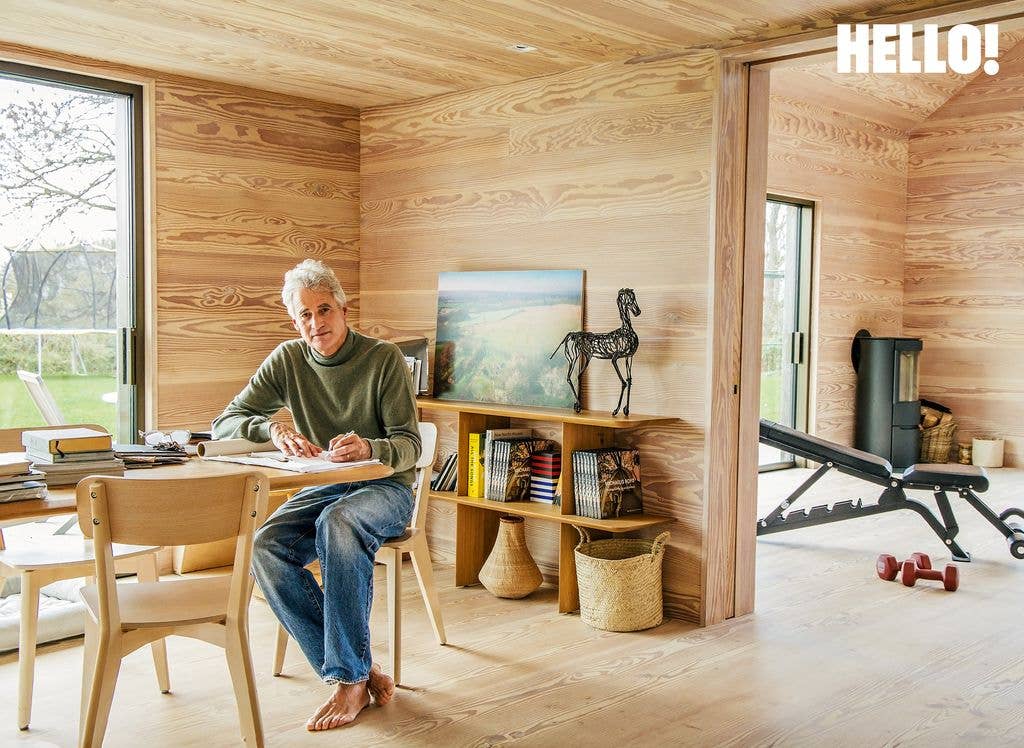
”We like things to be informal and welcoming. We’re big fans of being barefoot and want our friends to feel completely at ease so they feel right at home.”
Your studio, which you run with your partner, Tim Boyd, spans hotels, restaurants and residential design. How do you approach such a variety of work?
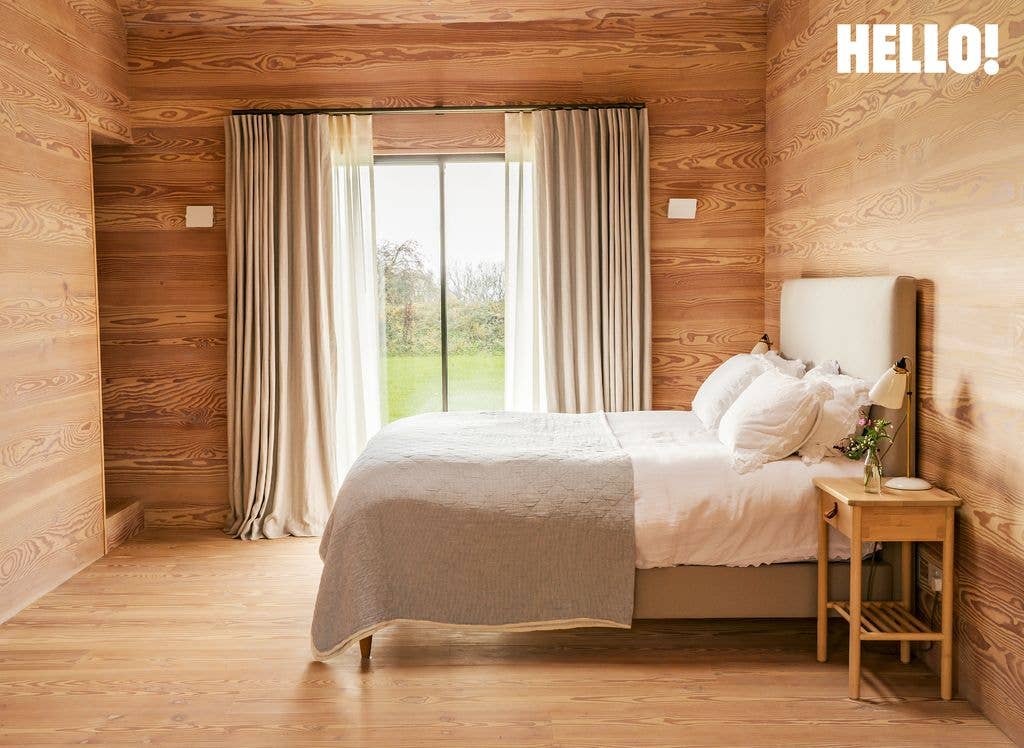 © FERNANDA & PALOMA
”We don’t adhere to a rigid ‘style’ as such. Our practice is rooted in the idea that every project is entirely unique to its location and the client. Whether it’s a home or a commercial space, the identity of the project grows out of its setting and the relationship we build with the client.”
How did renovating the former prime minister David Cameron’s home come about?
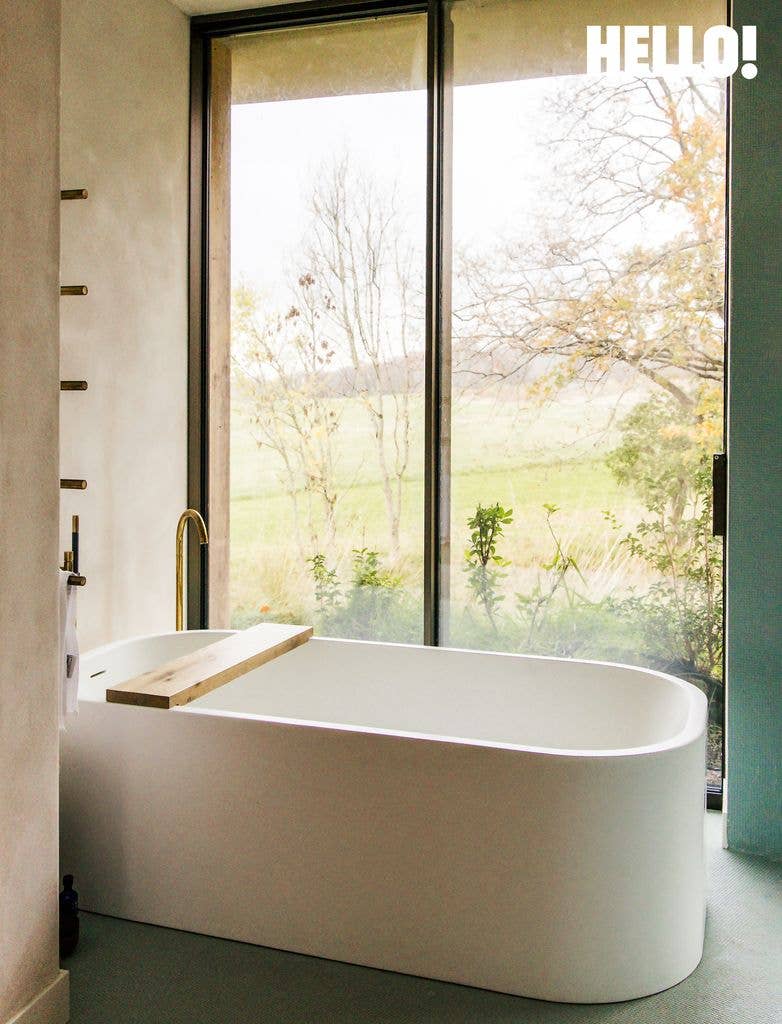 © FERNANDA & PALOMA
”We actually designed two houses for the Camerons. He was incredibly keen on alternative energy solutions – in one of the houses, we even installed a small wind turbine on the roof, which caused a bit of a stir locally. I’ve always felt that all projects, big or small, should incorporate sustainable strategies.”
Which project are you the most proud of, and what types of projects would you like to explore in the future?
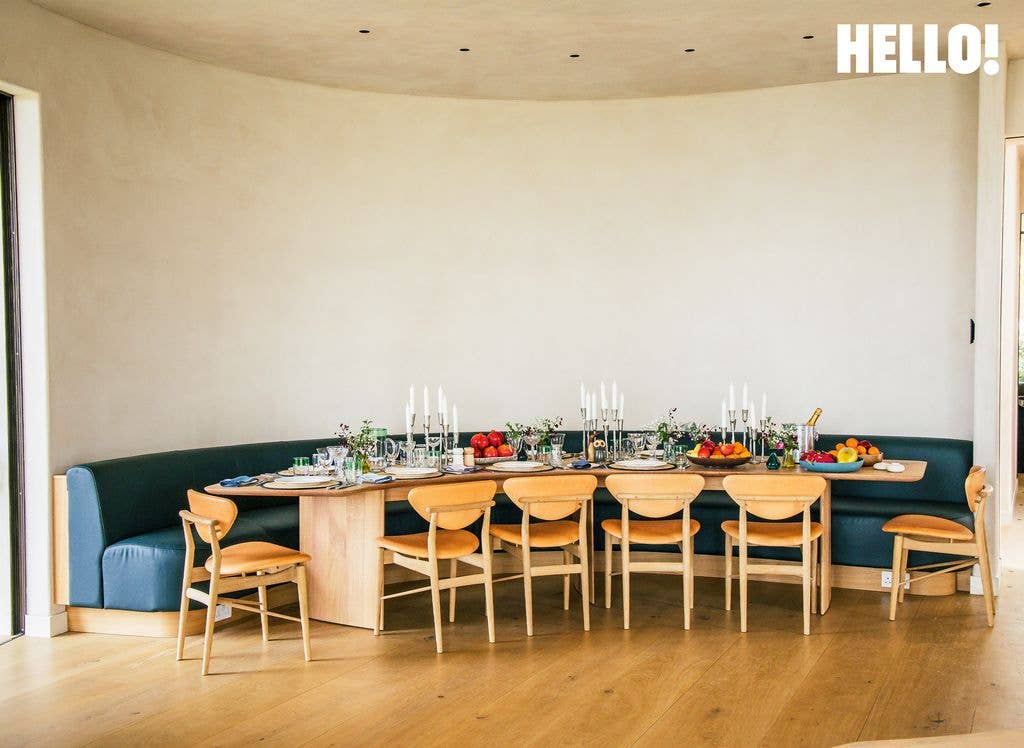 © FERNANDA & PALOMA
”Often it’s the most challenging ones that prove the most rewarding. Leaf House is certainly up there, as is Arijiju in Kenya.
”Looking ahead, I’d love the chance to design a hospital. I’m guided by the belief that nature should shape architecture, incorporating integrated gardens and ensuring every room has a view of the sky and the landscape to help patients recover. I’d also love to design schools that weave a bit of playfulness into the very fabric of the learning environment.”
Read the full article here