


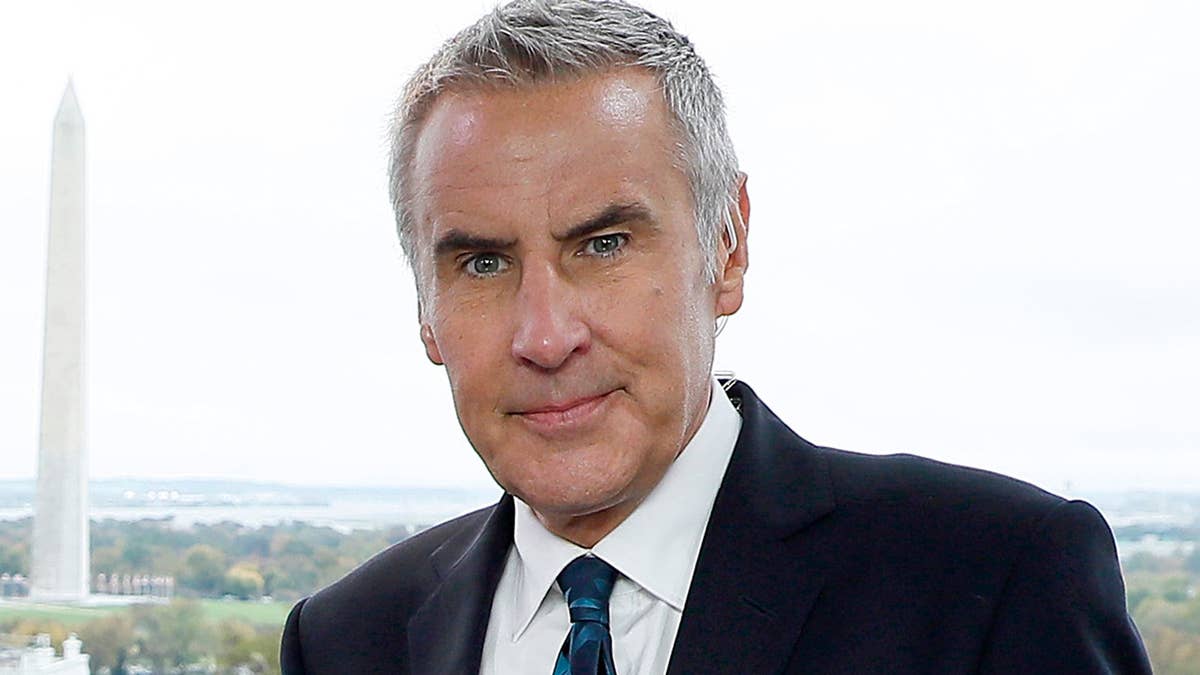

Former BBC, ITV and Sky News presenter Dermot Murnaghan has died, aged 68, one year after sharing his prostate cancer diagnosis, it has been reported.
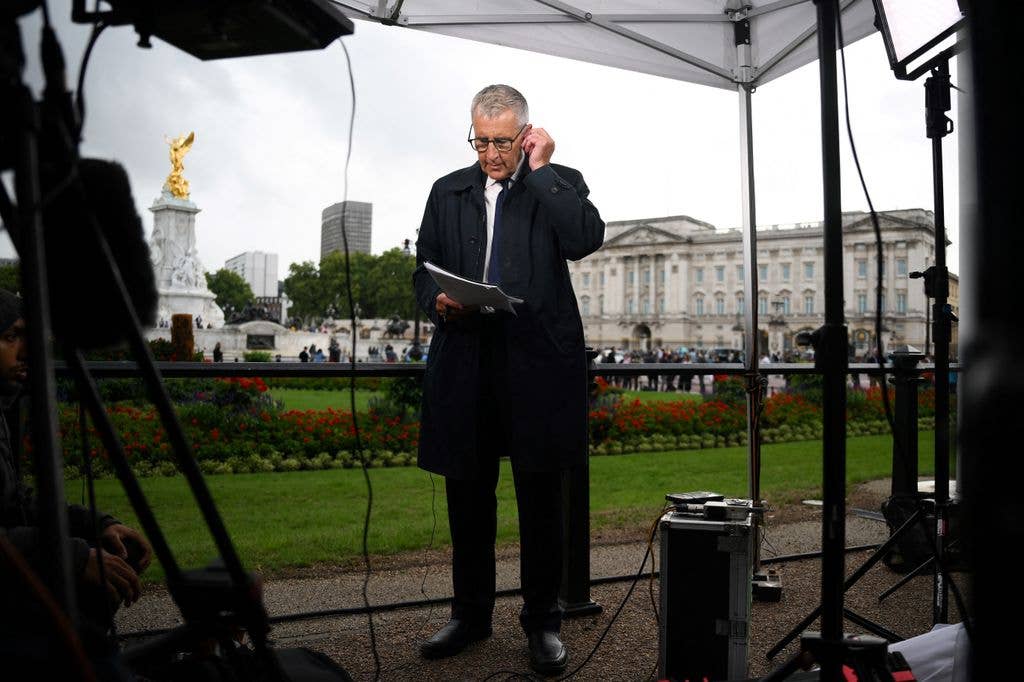
As well as being a familiar face on British TV news across five decades, he presented flagship programmes including the ITV Evening News and the BBC News at Six and Ten.
He was also the main presenter of BBC Breakfast from September 2002 to December 2007 and also hosted the quiz show, Eggheads.
His family said in a statement that he died “peacefully” at his home in north London on Saturday morning “following a period of illness with prostate cancer.”
Full statement
The statement on behalf of Dermot’s family read in full: “It is with great sadness that the family of Dermot Murnaghan announces that he passed away at home in north London earlier this morning (July 11) at the age of 68 following a period of illness with prostate cancer. He died peacefully with his family at his side.
“The family wish to thank the medical teams who cared for Dermot with such sensitivity and extraordinary compassion throughout his illness.
“Also, for the many, many kind messages of goodwill that he received over the last year since his diagnosis of stage 4 prostate cancer and his subsequent campaigning to raise awareness for screening programmes for the disease.
“In accordance with his wishes, the funeral will be a small family ceremony. A memorial service for friends and colleagues will follow at St Bride’s Church, Fleet Street (the Journalists’ Church) later this year.
“The family request that anyone wishing to remember him considers supporting Prostate Cancer UK, Prostate Cancer Research and North London Hospice so that others may benefit from the research and care he received.”
 © AFP via Getty Images
The broadcaster revealed his diagnosis in a post shared on X in June last year. “Some personal news… I’ve been diagnosed with Stage IV advanced prostate cancer,” he penned.
“I’m fortunate to have a simply outstanding medical team looking after me, who I can’t thank enough – they are administering the best possible care with expertise, compassion and sensitivity,” he added.
“I’m responding positively to their excellent treatment and feeling well.”
Dermot also thanked his family for their support, writing: “I’m blessed to be fortified by the monumental love and support of my wife, family and close friends.
“Needless to say my message to all men over 50, in high-risk groups, or displaying symptoms, is get yourself tested and campaign for routine prostate screening by the NHS.”
At the end of his message, he also said that he is hoping to take part in Sir Chris Hoy’s fundraising charity bike ride in September, which he completed in order to raise awareness and funds for cancer charities across the UK.
What is stage four prostate cancer?
Stage four prostate cancer can mean that the cancer has spread into different parts of the body, including nearby body organs, such as the back passage or bladder, nearby lymph nodes and other parts of the body outside the pelvis, such as the bones, lungs or liver, according to the Cancer Research UK website.
NHS guidance says men over the age of 50 are at the highest risk of developing prostate cancer, but Sir Chris wants to help men get screened earlier.
About one in eight men will get prostate cancer in their lifetime, according to the charity Prostate Cancer UK, and the disease often has no symptoms in its earlier stages.
Read the full article here