






The BBC is full of crime dramas that are perfect to binge in one sitting, and one of its strongest is Rillington Place, a three-part drama that first aired back in 2016.
The show follows the life and crimes of British serial killer John Christie, who murdered at least eight women, including his wife Ethel, during the 1940s and 1950s. The programme also dramatized John’s successful framing of Timothy Evans for two of the murders, which saw Timothy incorrectly put to death in 1950.
The show is named for the street that John lived in, where he carried out all of the murders. A similar dramatisation of the case was broadcast in 1971 and starred Richard Attenborough and John Hurt.
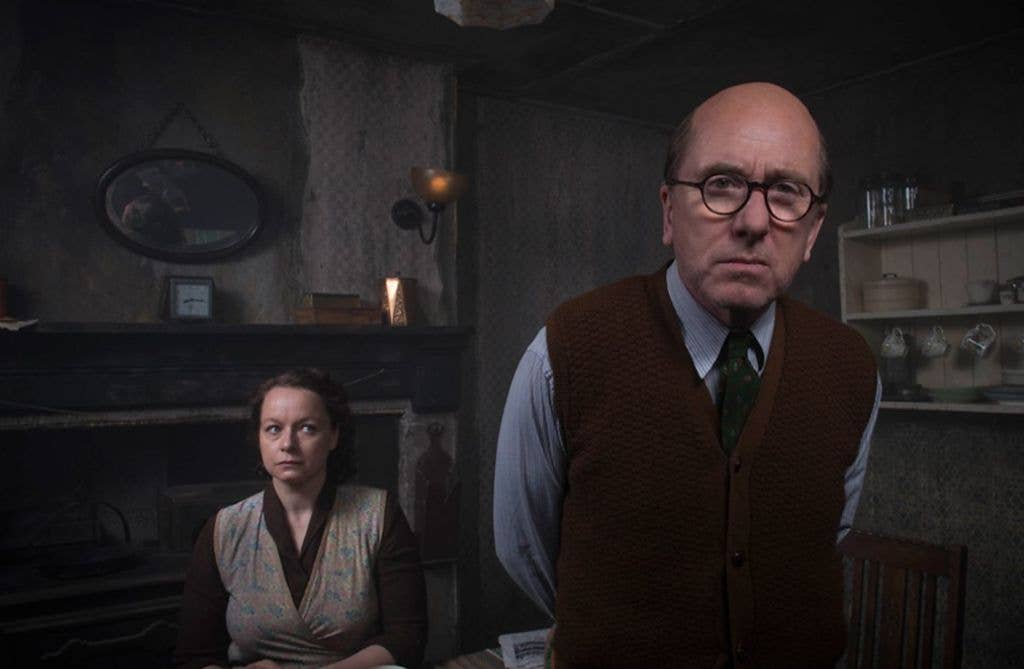
A BBC synopsis for the series reads: “Reconciled after living apart for nine years, John Reginald Christie (Tim Roth) and his wife, Ethel (Samantha Morton), move into the ground floor flat of 10 Rillington Place, West London. The adjustment to a new life, in a small, rundown property, is particularly felt by Ethel but she strives to please her husband.
“Ten years on, Timothy Evans (Nico Mirallegro) and his wife Beryl (Jodie Comer) move into a flat upstairs and fall prey to Christie’s influence and tales. When Beryl becomes pregnant with a second child, already struggling to make ends meet following the birth of baby Geraldine, the Evans allow Christie to help them with deadly consequences for the young newlyweds.”
What did critics make to Rillington Place?
The drama attracted plenty of praise when it first aired. Writing in The Guardian, Lucy Mangan had high praise, as she commented: “Obviously it is a tale that has been told many times before. But the limning of the manipulation, the entrapment, the complicity without blame, the forced compromises, and the black misery spreading from one man’s evil has surely rarely been better done.“
Meanwhile, Sally Newall said in The Independent: “This did not make easy Tuesday night viewing but, with such a strong cast and sense of place, that was very much part of this drama’s creepy appeal.”
However, the praise wasn’t universal, and Inkoo Kang noted in The Hollywood Reporter: “Boasting the psychological depth of a Wikipedia entry, Rillington presents some of the most horrific human behaviour possible while never asking what motivates such extreme actions.
“The series effectively evokes atmospheric dread by revisiting two decades of a historical murderer’s life, but it largely fails as drama because writers Tracey Malone and Ed Whitmore offer so little emotional context for why their characters do the things they do.”
Rillington Place’s cast
The three-part drama is led by Tim Roth (The Hateful Eight) as John, while his doomed wife, Ethel, is played by Samantha Morton (The Serpent Queen). Newlyweds, and eventual victims of John, Timothy and Beryl Evans are played by Nico Mirallegro (Hollyoaks) and Jodie Comer (Killing Eve) respectively.
 © BBC
© BBCOther cast members include Christopher Hatherall (Trigger Point), Chris Reilly (Slow Horses), Sarah Quintrell (Carrie & Barry) and Eiry Thomas (Keeping Faith).
Real-life case
The series is based on the killings conducted between 1943 and 1953. The serial killer killed most of his victims by gassing and strangling them, often raping them beforehand, and hid the bodies around his property.
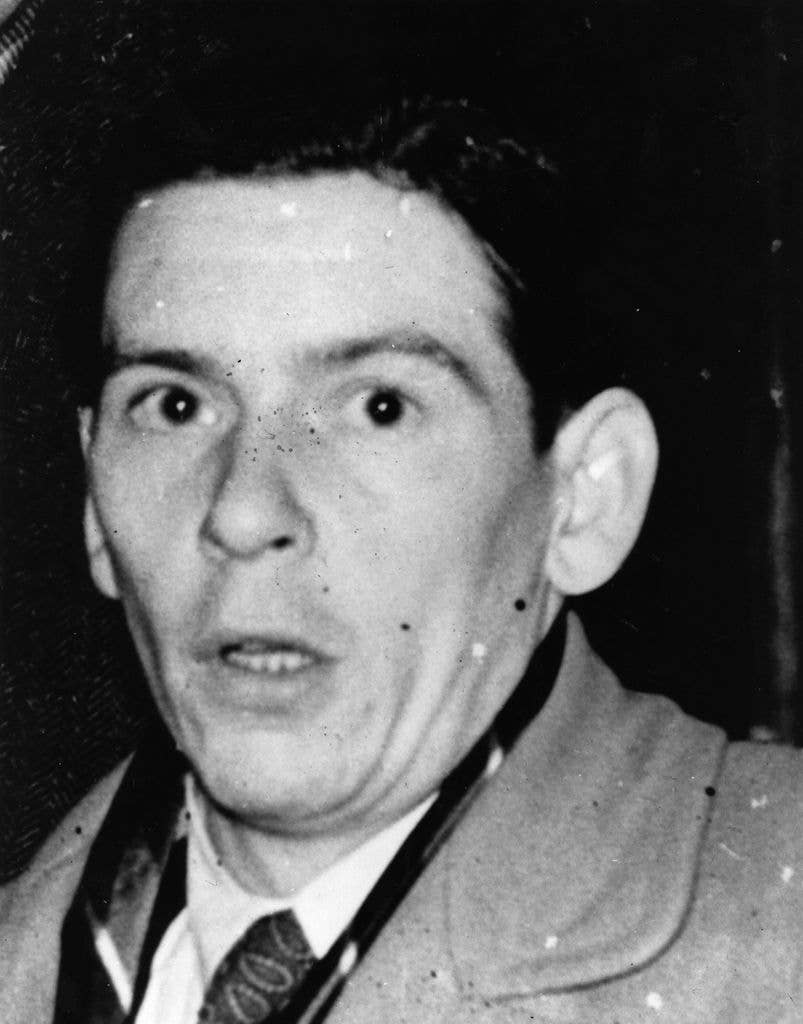
In 1949, John killed his upstairs neighbour Beryl Evans, her daughter Geraldine and her unborn son, hiding the body in an outhouse. When Beryl’s husband, Timothy, reported his wife as dead, he pointed the finger at John, claiming that he had carried out a botched abortion attempt on his wife.
 © Getty Images
However, Timothy was eventually tried by a jury over the murder of his daughter, and he was found guilty. He was sentenced to death and was hung in 1950. In the decades after John’s crimes were uncovered, Timothy was given a royal pardon; his wrongful execution was one of the high-profile cases that led to the end of capital punishment in the United Kingdom.
After killing Beryl, John subsequently murdered his own wife, Ethel, before killing three more women. His killings were uncovered after he moved out of the house, and an upstairs neighbour, Beresford Brown used his kitchen. Beresford ended up peeling back wallpaper on a kitchen alcove, discovering the three bodies of John’s final victims.
 © Getty Images
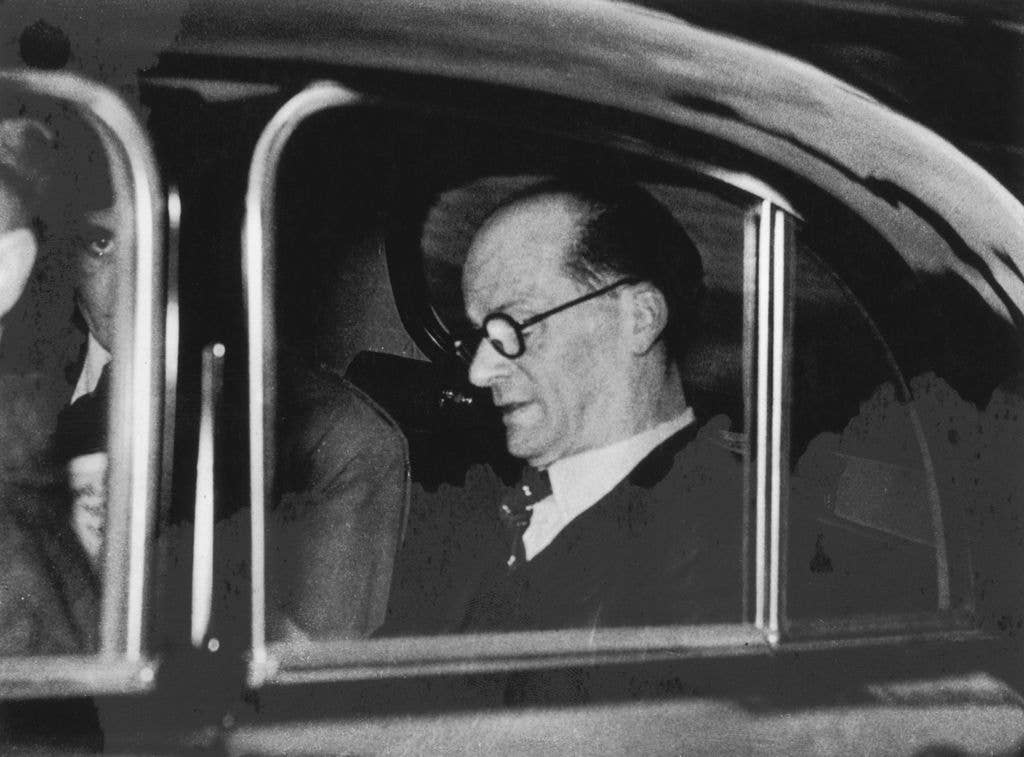
After being apprehended, John only confessed to the three murders, but after being told that skeletons had been dug up from his back garden, he admitted to these. He later confessed to murdered Beryl, but maintained innocence in the murder of Geraldine.
At his trial, John attempted to plead insanity, but after 85 minutes, he was found guilty by a jury. He was sentenced to death by the presiding judge and executed by hanging on 15 July 1953.
Read the full article here