






If you’ve ever been to yoga or Pilates, a spin class, or an aerobics workout, your instructor will likely have started the session by telling you to take a deep breath.
While this is often a way to ground you into the workout, breathing out the stresses of the day before pedalling for your life or pressing into a downward dog, breathing can actually have a big impact on how effective your workout is, with research revealing that restricted airflow can make exercise feel harder and cause us to feel fatigued faster.
“Breathing is one of the most overlooked parts of exercise performance,” confirms GP Dr. Janine David. “If your airflow is restricted, your body has to work much harder to deliver oxygen to the muscles, which can impact stamina and how quickly you recover.”
Why? Because our muscles need oxygen to convert glucose into energy efficiently, so even a small reduction in airflow means your body has to work harder just to breathe. This can raise your heart rate sooner and make your workout feel harder.
The breathwork specialist Rob Rea says: “The best athletes train their breathing in the same way they train strength or mobility. It’s one of the easiest ways to improve performance, recovery and enjoyment of exercise.”
The breathwork and running coach Ramon Ghosh, the founder of Evolve Breathwork, cautions about the danger of panting for breath during workouts, too. “When we over-breathe, we offload carbon dioxide from the body. Carbon dioxide plays an important role in helping oxygen move from the blood into the muscles, so it can contribute to increased muscle tension and raise the perceived effort of a workout, making it seem harder than it is, so you feel drained more quickly.
“In an extreme case of over-breathing, your circulation can deteriorate, making cramping and injury more likely.”
So, what can we do to breathe better?
How to breathe better and maximise your workout
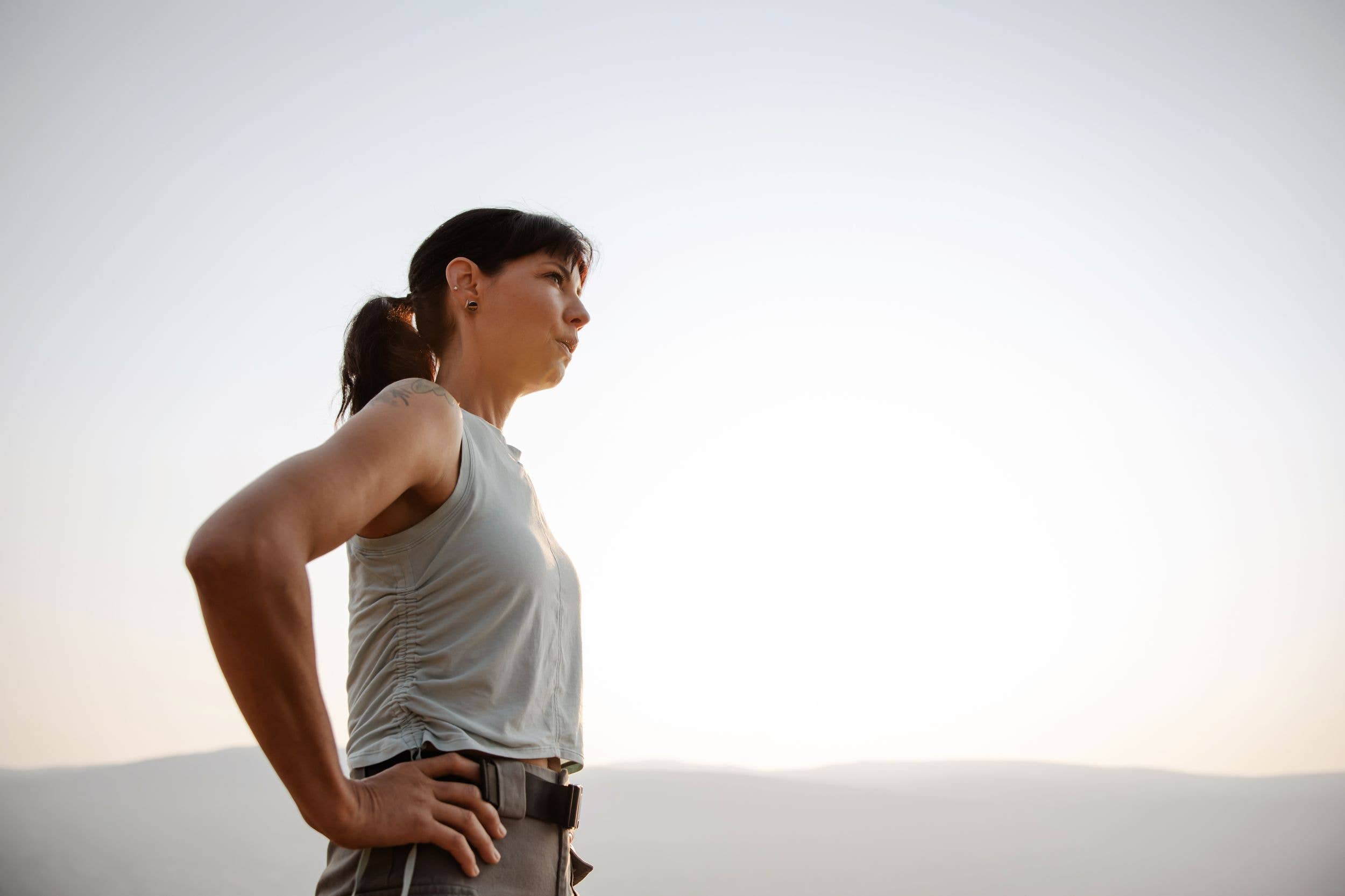
1. Nasal strips
If you’re a Hyrox devotee (like so many people are these days), you’ve likely seen fellow competitors wearing nose strips when they’re working out. No longer confined to the bedtime routines of snorers, nose strips belong in your gym bag too, because they open the airways in your nose, making nasal breathing easier.
“When we nasal breathe with larger airways, it lowers the perceived breathing effort and makes breathing seem more comfortable,” Ramon says. “You need to train with strips or dilators (which are placed inside the nose) for a few weeks to get used to them and, while they won’t replace fundamental good breathing habits, many athletes find them helpful during training and competition.”
Try Breathe Right’s clear nasal strips (£5.99 for 10) for a discreet option, or make a statement with HiStrips’ pink nasal strips (£65 for 30). For a nasal dilator, we rate Airmax’s Sport Nasal Dilator, £9.95.
2. Nasal breathing – before and after
Breathing through your nose, especially during a warm-up, can encourage a more controlled breathing pattern during a workout, Ramon says. He adds that nasal breathing during easier workout days can help improve breathing control and tolerance to carbon dioxide, which can support aerobic performance.
“After a workout, nasal breathing with extended exhales can help calm the nervous system and shift the body back into a parasympathetic state to support the recovery process.”
3. Activating the diaphragm
“In terms of breathing mechanics, when we have greater use of the diaphragm – our key breathing muscle – we reduce energy expenditure on accessory muscles, so we are more efficient,” Ramon says. “Termed ‘diaphragmatic breathing’, it should feel like you’re breathing into your belly.
“This will enable a greater volume of air to be inhaled during a workout and improve your breathing mechanics.”
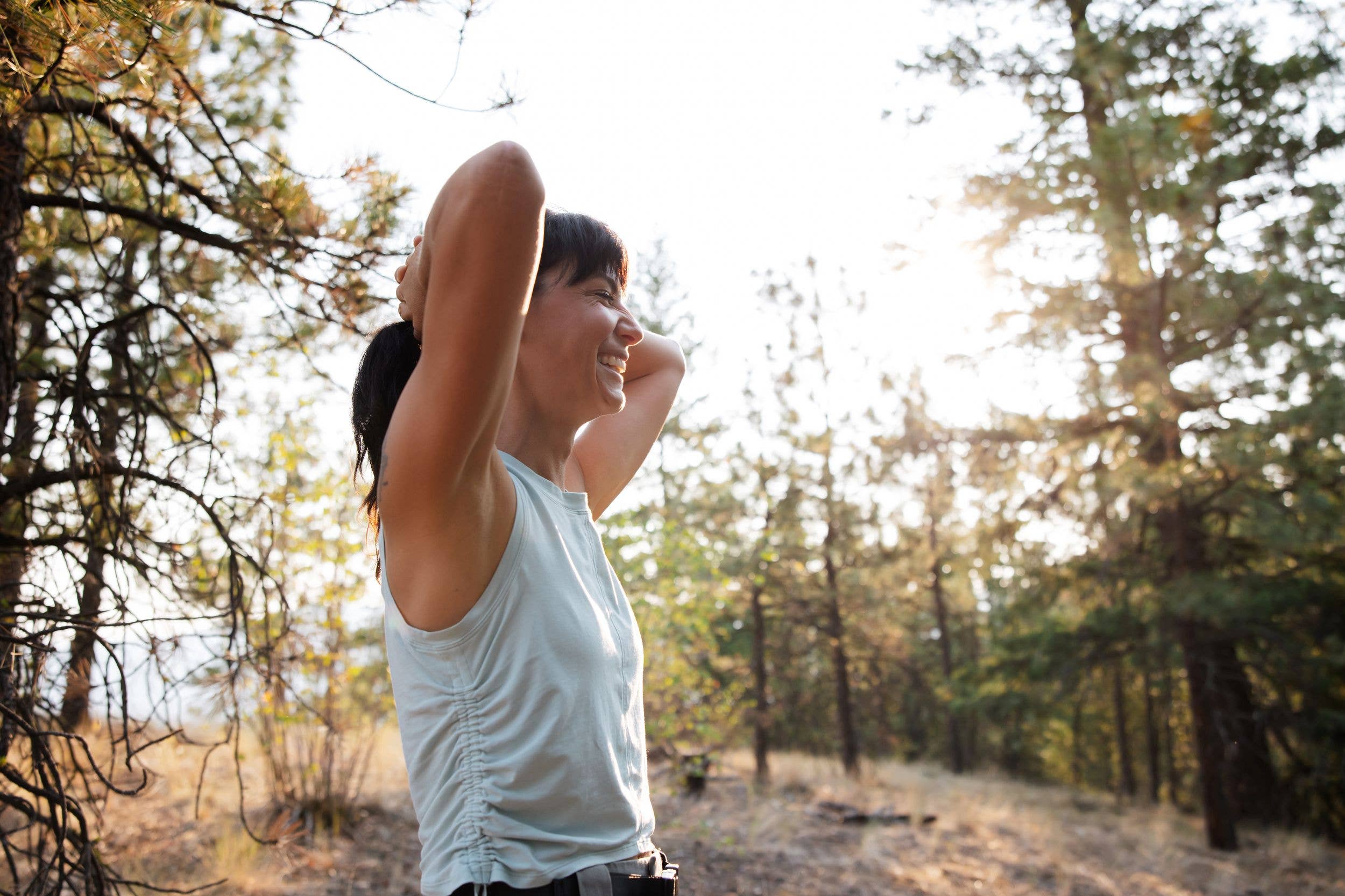
4. Don’t hold your breath
For strength training, try to avoid holding your breath unnecessarily, advises Rob Rea. “Exhaling during the effort phase of a lift and inhaling during the easier phase helps to maintain rhythm and control. Outside the gym, practising five minutes of slow diaphragmatic breathing each day can improve breathing mechanics and make efficient breathing feel more automatic during exercise.”
Read the full article here