




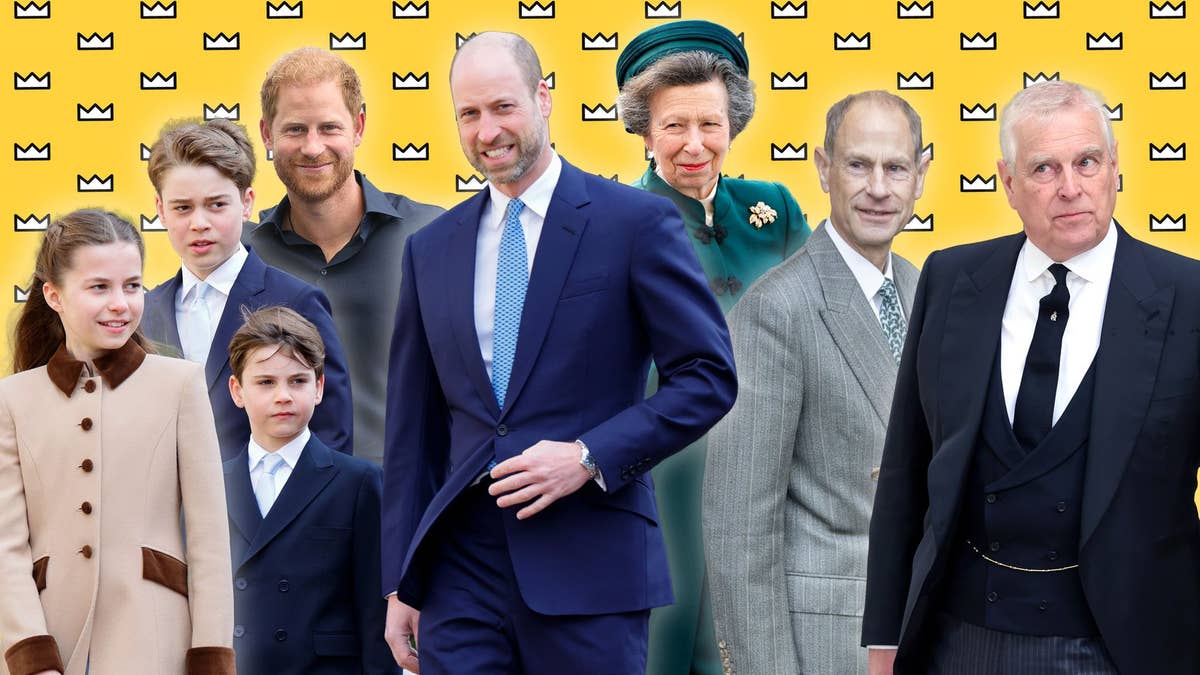

The line of succession to the British throne isn’t static. It shifts with every royal baby birth and passing. When Queen Elizabeth II died in 2022, the order immediately changed. King Charles III automatically succeeded his mother, and everyone in line moved up a position, with the Prince of Wales becoming first in line to the throne.
It will be updated once again when Princess Eugenie welcomes her third child this year.
The line of succession
As it currently stands, Prince William is next in line to the throne, followed by his children Prince George, Princess Charlotte and Prince Louis. The King’s second son, Prince Harry, who is no longer a working member of the royal family, is fifth in line, with his kids Prince Archie and Princess Lilibet in sixth and seventh place.
His Majesty’s disgraced brother Andrew Mountbatten-Windsor sits eighth in line to the throne, followed by his firstborn Princess Beatrice and her two daughters, Sienna Mapelli Mozzi and Athena Mapelli Mozzi. Princess Eugenie is behind her nieces, with her sons August Brooksbank and Ernest Brooksbank after her.
Eugenie and Jack Brooksbank‘s third child will enter the line of succession at birth, moving Prince Edward from fifteenth to sixteenth in line. As a result, the Duke of Edinburgh’s children, along with Princess Anne and her descendants, will also move down a spot.
Although some may question why certain family members like Harry and Andrew, who have relinquished their HRH titles, still remain in the line of succession, it is their birthright, and their place is determined by the 1701 Act of Settlement.
 © Bettmann Archive
“Removing this historic discrimination”
Succession to the throne is regulated not just by descent, but also by Parliamentary statute, and an act over a decade ago, changed succession rules.
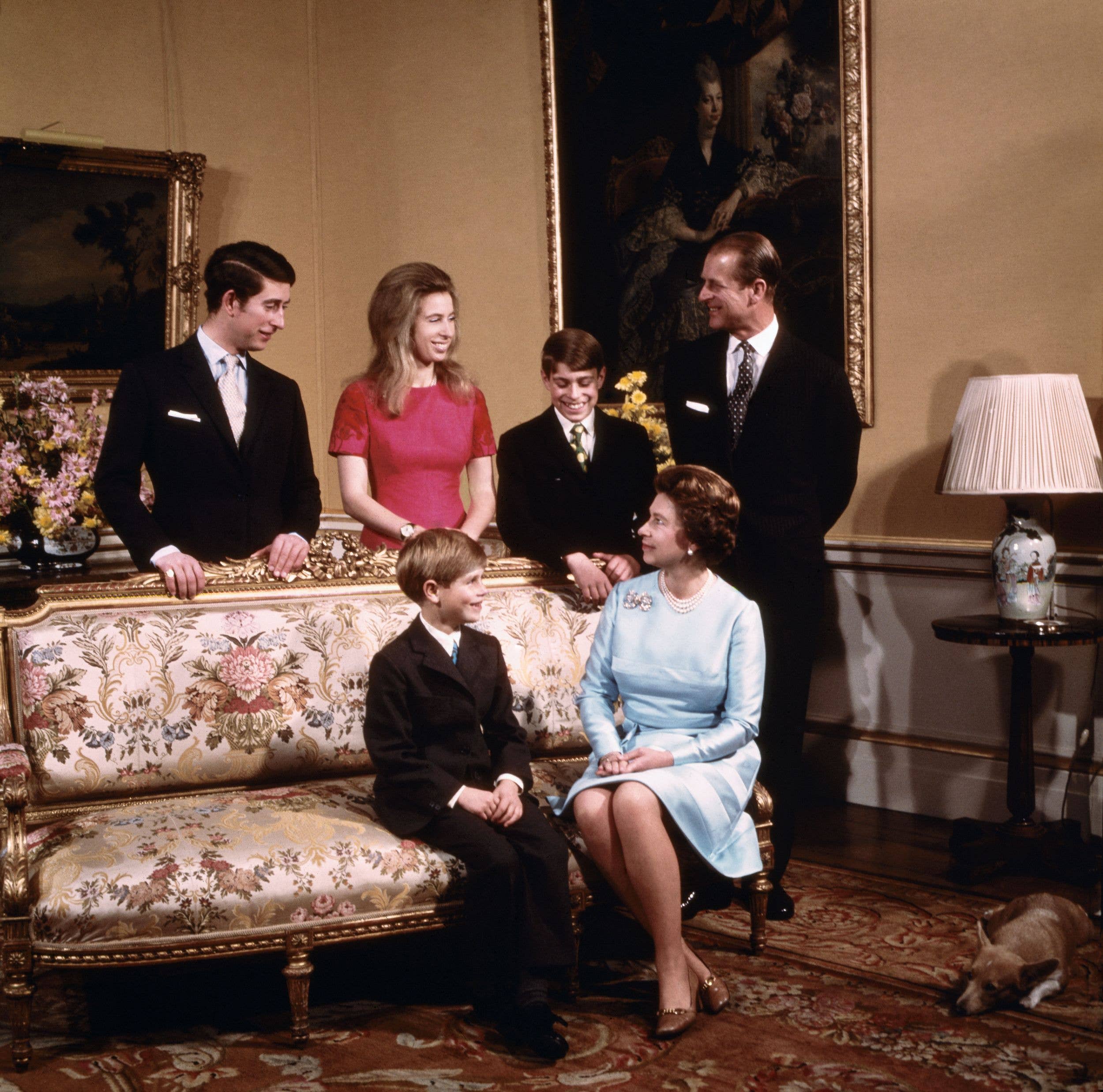
Princess Anne, the second child of Queen Elizabeth and Prince Philip, is behind her younger brothers in the line of succession due to male-preference primogeniture, which was in effect up until 2015. Under that system, younger sons displaced older daughters.
Lady Louise Windsor is also lower in the line of succession than her younger brother, James, Earl of Wessex, because the same succession rules were still in place when they were born.
A government bill, the Succession to the Crown Act 2013, ended male-preference primogeniture for those born after October 28, 2011. Now, succession is determined by order of birth, not gender, “removing this historic discrimination against women.”
“The Act reflects this Government’s emphasis on equality by removing centuries of discrimination on both religious and gender grounds,” Nick Clegg, former deputy Prime Minister, wrote in 2015. “The Act puts in place succession laws that are fit for the 21st century and for a modern constitutional monarchy.”
 © Max Mumby/Indigo/Getty Images
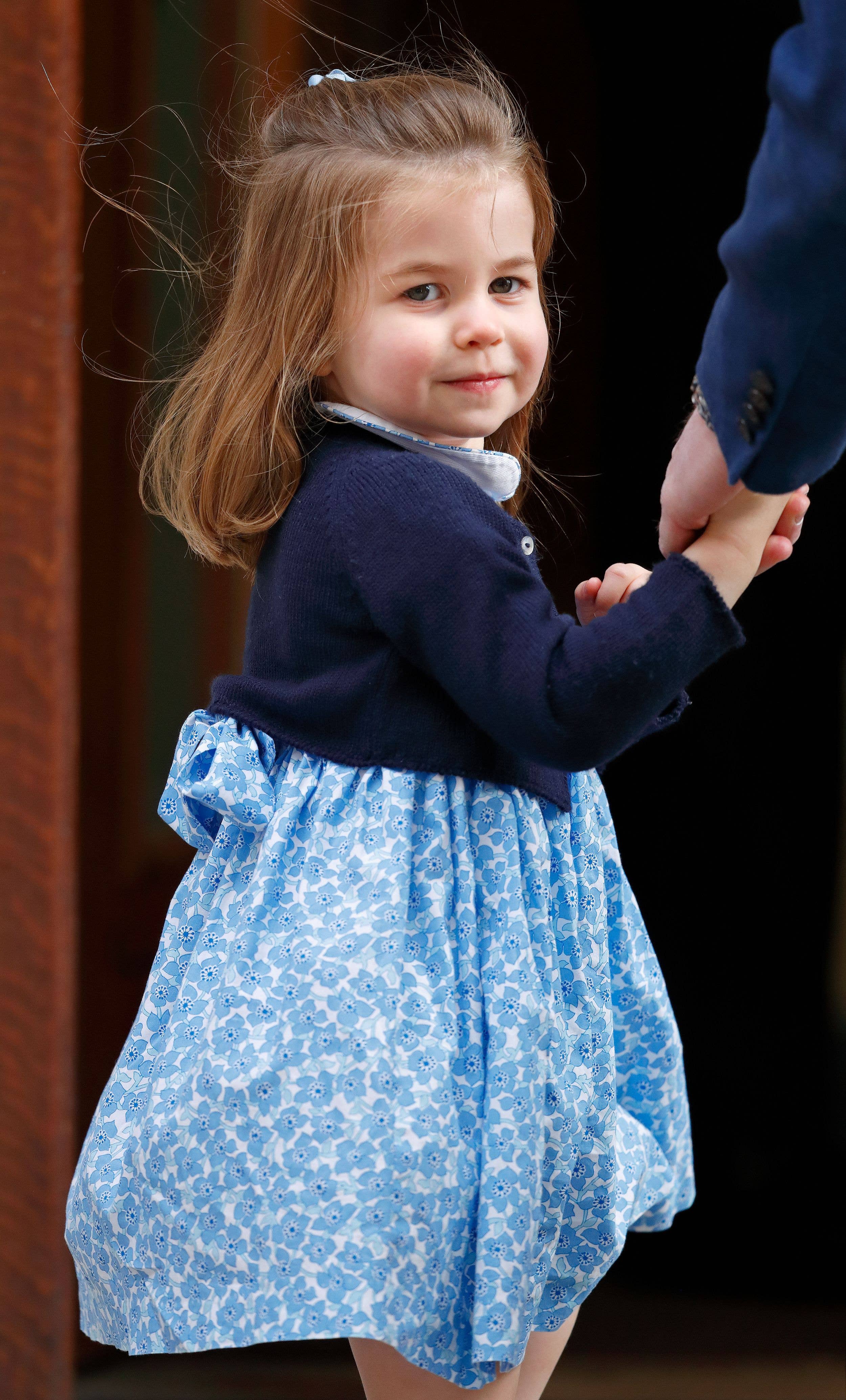
Because of the act, Princess Charlotte made history at the age of two becoming the first female royal to not be skipped by a younger brother when Prince Louis was born in 2018. The Succession to the Crown Act 2013 officially went into effect in March 2015, two months before the birth of the Prince and Princess of Wales’ daughter.
In addition to establishing absolute primogeniture, the act ended the provision that anyone who marries a Roman Catholic is disqualified from the line of succession, so Prince Michael of Kent was reinstated.
When the changes were approved by the Commonwealth back in 2011, then-British Prime Minister David Cameron said: “Put simply, if the Duke and Duchess of Cambridge were to have a little girl, that girl would one day be our Queen. The idea that a younger son should become monarch instead of an elder daughter simply because he is a man, or that a future monarch can marry someone of any faith except a Catholic – this way of thinking is at odds with the modern countries that we have become.”
He continued: “Attitudes have changed fundamentally over the centuries, and some of the outdated rules – like some of the rules of succession – just don’t make sense to us anymore.”
History of the line
The royal family’s website notes that the “basis for the succession was determined in the constitutional developments of the seventeenth century.”
In 1688, when King James II fled the country, “Parliament held that he had ‘abdicated the government’ and that the throne was vacant.” The throne wasn’t offered to James’ young son, but instead to his daughter Mary and her husband William of Orange.
“It therefore came to be established not only that the Sovereign rules through Parliament, but that the succession to the throne can be regulated by Parliament, and that a Sovereign can be deprived of his/her title through misgovernment,” per the royal family. “The Act of Settlement confirmed that it was for Parliament to determine the title to the throne.”
To remove someone from the line – many have called for Andrew to be ousted – would require an act of Parliament, with the Commonwealth realms in agreement. Royal author Robert Jobson previously wrote for The HELLO! Royal Club: “There is also no precedent for a royal enforced removal. Edward VIII’s 1936 abdication was after all voluntary and he signed the instrument himself.”
“Nobody has ever been forcibly expelled from the British succession. Even Catholic King James II, who fled the country, was declared an abdication by Parliament, even though he never accepted it”
Want even more exclusive royal content, unrivalled expert insight, instant digital access to HELLO!’s weekly issues and our full archive, as well as discounts to our in-house events? Sign up to HELLO! VIP for just £4.25 a month.
Read the full article here