




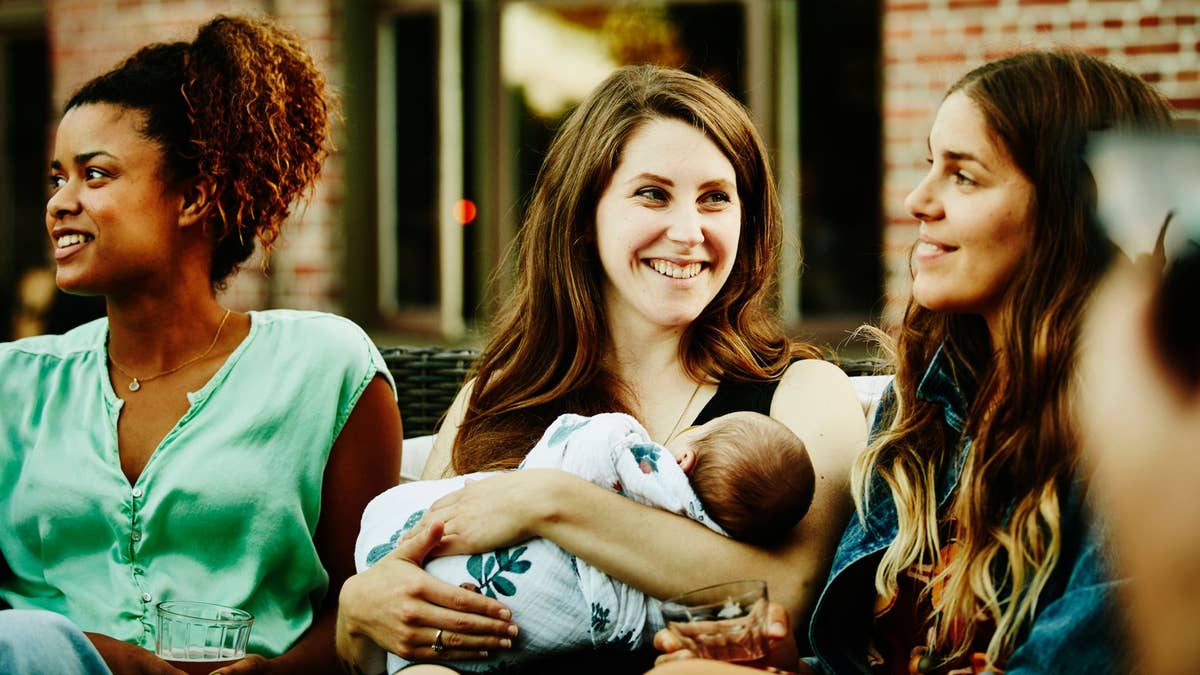

Some friendships seem destined to move forward in sync: you share your school years, the endless nights at university, the first heartbreaks and the impromptu trips. Essentially, it’s that wonderful feeling that life is setting the pace for you both at the same time.
But when one friend becomes a mother and the other is still living a child-free life, that balance can shift. Not because there’s any less love, but because routines, priorities, and even day-to-day energy levels start moving in different directions. Suddenly, what once flowed effortlessly requires a new way of connecting.
Silences, discomfort and fears emerge that are rarely spoken aloud: the new mother worries she is being “too intense” by talking about her baby, while the child-free friend might think her own concerns sound trivial.
Both want to look after the friendship, but neither knows quite how to get closer without overstepping. How can you prevent this natural distance from turning into an emotional chasm?
We spoke to psychologist Ana Raya Muro to help us understand how to sustain the connection without either person feeling that the other “doesn’t understand” their life.
Why do you think this topic generates so much discomfort and silence between women who care about each other?
Because friendships are often sustained by a sense of sharing a life stage. When one woman becomes a mother and the other doesn’t, very different experiences, routines and priorities begin to appear, and that can create a fear of not being understood. Often, neither wants to cause hurt, but both feel a certain insecurity about how to approach the other without invading their space or making them uncomfortable.
On the one hand, emotions like guilt can appear, or beliefs such as, ‘She doesn’t want to hear much about my pregnancy’, or ‘I don’t want to be too intense about it’.
On the other hand, emotions like insecurity or beliefs like, ”What if I don’t want children?”, “Is my biological clock ticking?”, or “I’ll decide when it’s the right time to have a baby”, are usually very normal.
What life changes cause the relationship to become unbalanced when one has children and the other doesn’t?
Motherhood doesn’t define us as women, but the choice to become a mother sometimes does. Creating a life is one of the biggest, most life-changing, and most responsible decisions in the world. It usually transforms daily life, available time, priorities, and also one’s identity by 180 degrees.
 © Getty Images
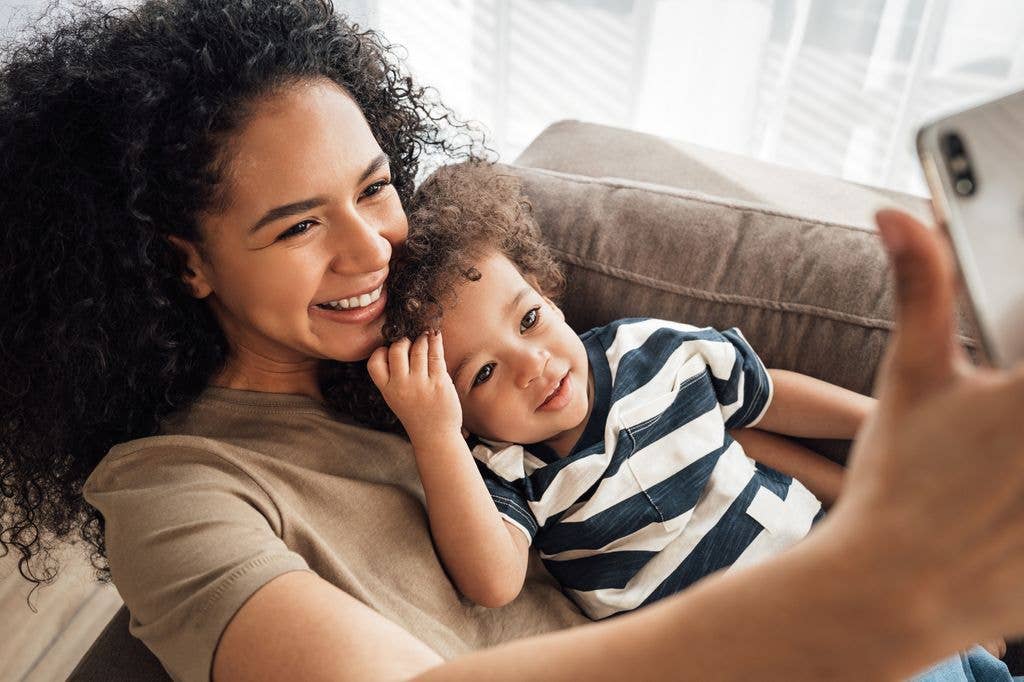
Suddenly, one of the two friends may feel that she is living in a completely different world. While one is focused on child-rearing, lack of sleep or work-life balance, the other may be focused on her career, travel, relationships or personal projects. It’s not that one life is more important than the other, but they do require different energies, different amounts of time and, of course, adjustments in priorities and expectations.
Is it normal to feel like you ‘no longer speak the same language’?
Yes, it’s completely normal. Life experiences and how we interpret them influence the way we see the world and what occupies our day-to-day lives. The problem isn’t feeling that distance at times – this is part of life and it would be fooling ourselves to think there won’t be periods when you feel more distant – but rather interpreting that to mean you can no longer connect. Many friendships need to relearn how to relate in new stages, and this is precisely what makes them stronger and more real.
“While one friend is focused on child-rearing, tiredness, or work-life balance, the other may be focused on her career, travel, relationships or personal projects… Those require different energies”
What emotional needs change for a woman when she becomes a mother?
Many women need to feel emotionally supported, understood, and accompanied during a stage where there is often a lot of tiredness, guilt and pressure. The focus tends to be very much on the baby – how they are, what they need, how they are developing… and the mother often takes a back seat. A need for validation appears, because motherhood can stir up a lot of insecurities and create a constant feeling of, “Am I doing this right?”
And what about the emotional needs of a woman who is child-free? Those are also sometimes overlooked.
Sometimes, women without children feel that their worries or difficulties are given less space or importance compared to motherhood, as if their tiredness, their doubts, or their life processes are less valid. And that can create a lot of loneliness. We all need to feel that our emotional life also deserves attention and to be heard, regardless of whether we are mothers or not. A feeling of insecurity can also appear, with thoughts like, “I’m always going to be alone” or “Am I doing the right thing if I don’t have children?”.
And no, you are not selfish for not wanting a baby, nor immature for not being ready yet, nor indecisive for having doubts; you just have the right to choose with awareness, and without pressure.
 © Getty Images
How can a friend without children offer support without feeling like she needs to be an expert on motherhood?
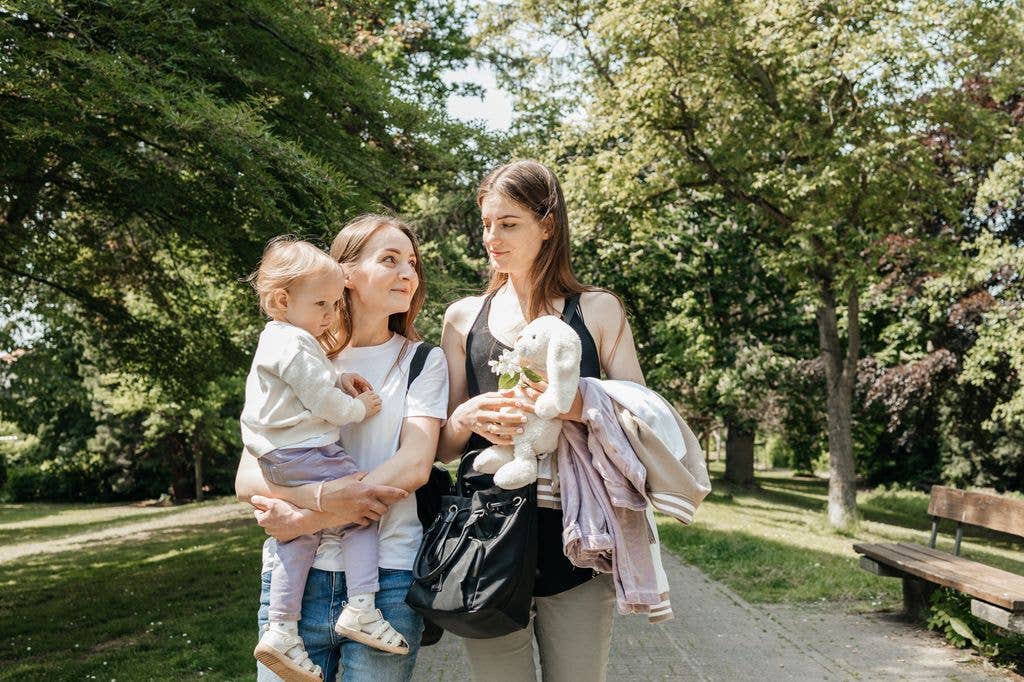
You don’t need to understand motherhood from the inside to support a friend well. Often, the most important thing isn’t having answers, but being present with curiosity, a listening ear and love. Asking, “How are you? What do you need? What do you feel like doing, depending on how you feel?” or saying, “This made me think of you,” can be much more valuable than trying to give advice.
“Friendship doesn’t mean knowing every single detail of each other’s lives or always having the perfect answers. You just need to be there for one another through thick and thin, and make memories along the way”
How can a friend with children show interest in the other’s life when tiredness or lack of time are obstacles?
Sometimes we think that nurturing a friendship requires a lot of time, and that’s not always the case. A short message, a ten-minute phone call or asking about something important to the other person can already make a difference. The important thing is that the other friend continues to feel that there is interest and space for her within the bond.
How can you avoid the feeling that one has ‘moved forward’ and the other has been ‘left behind’?
It’s important to understand that there is no single correct way to build a life. Social pressure has led us to associate certain stages (like motherhood, a relationship or certain achievements) with an idea of success or personal evolution. In fact, the trend is now returning to women having children younger, and this can be felt as pressure in many lives.
“Sometimes, women without children feel that their worries or difficulties are given less space or importance compared to motherhood, as if their tiredness, their doubts, or their life processes are less valid”
Furthermore, social media shows us young mothers with perfect lives [but] the reality is that if a shared project isn’t built on a steady foundation, it doesn’t matter if it’s fast or slow, it’s difficult for it to be sustained over time. Everyone has different timings, hopes and paths. Comparing different lives usually causes a lot of unnecessary suffering.
What role do you think social pressure plays in these comparisons?
“It plays a massive part. It’s like having an internal clock that you just can’t turn off. Society constantly bombards us with messages about what a woman’s life ‘should’ look like based on her age. You get all the usual comments: “Don’t leave it too late”, “It’s much harder when you’re older”, or the classic “There’s never a right time.” Then come the questions like, “So, when are you starting a family?” – which you never actually have an answer for. It just forces you into comparing yourself to everyone else. And once you fall down that rabbit hole, it’s so easy to lose touch with what you actually want, feel like you’re constantly falling short, and start doubting your own goals.”
What small gestures keep a friendship alive when lives are on different paths?
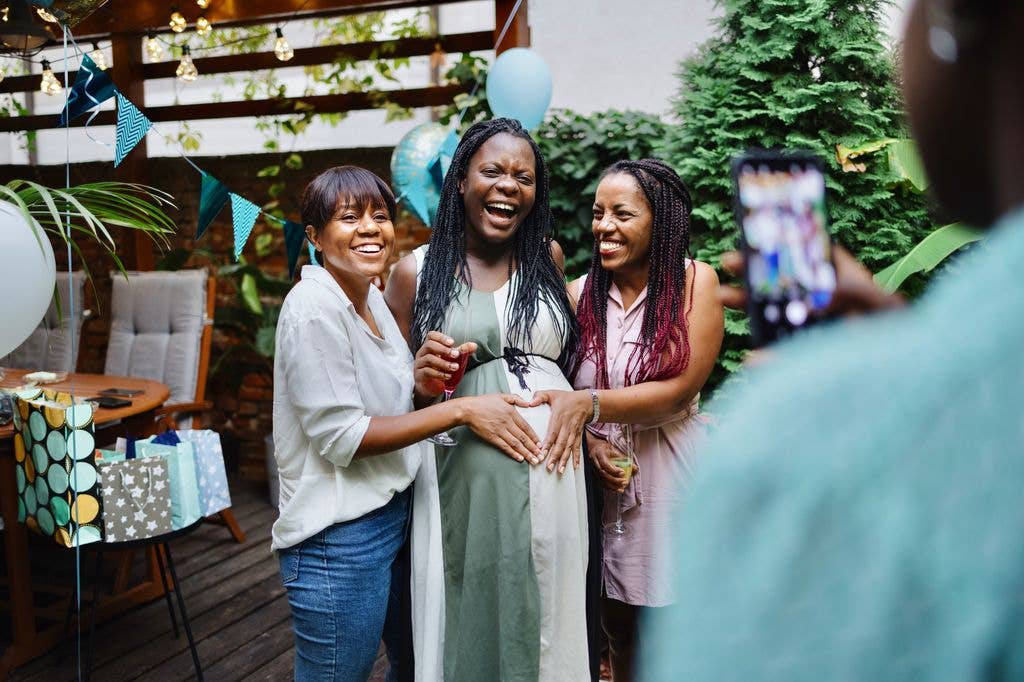
Flexibility, empathy and small, everyday details. Understanding that the friendship is going through a process and at this stage, you might not see each other as frequently as before, or your time together will be adapted to each other’s circumstances, but it can still have quality. Finding small moments of connection helps immensely to keep the bond alive.
 © Getty Images
When does the distance stop being natural and start being a sign that the friendship is deteriorating?
When there’s no longer mutual interest, when the relationship starts to feel one-sided, or when there’s no longer emotional space for the other person. Healthy friendships can go through stages of more distance, but they are still sustained by affection, care, and the intention of reconnecting at some point in life, further down the line.
What key advice would you give for these friendships to not only survive, but to transform and grow?
Accepting that friendships change with life stages and that doesn’t necessarily mean losing each other. Often, growing as friends involves leaving behind the idea of “doing everything together” and learning to support each other from new places. When there is affection, communication, and the ability to validate the other person’s reality, friendships can become even more profound and mature.
Read the full article here