




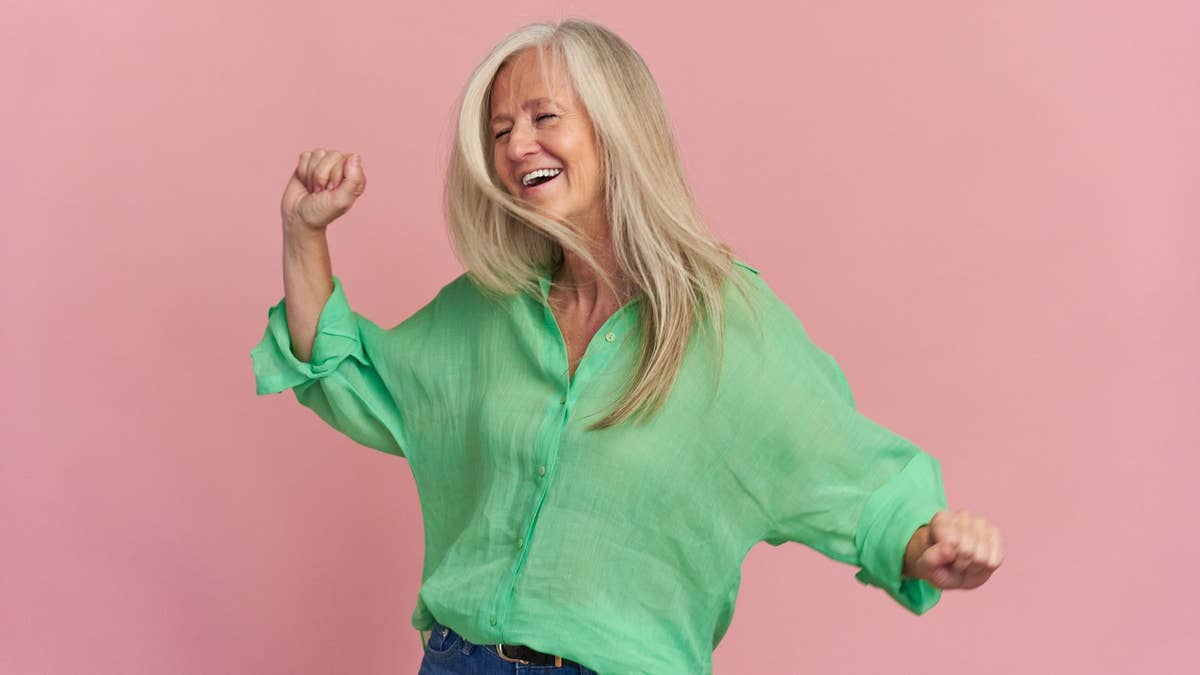

Move over hen parties, divorce celebrations are officially having their moment and according to new data, women are embracing them in record numbers.
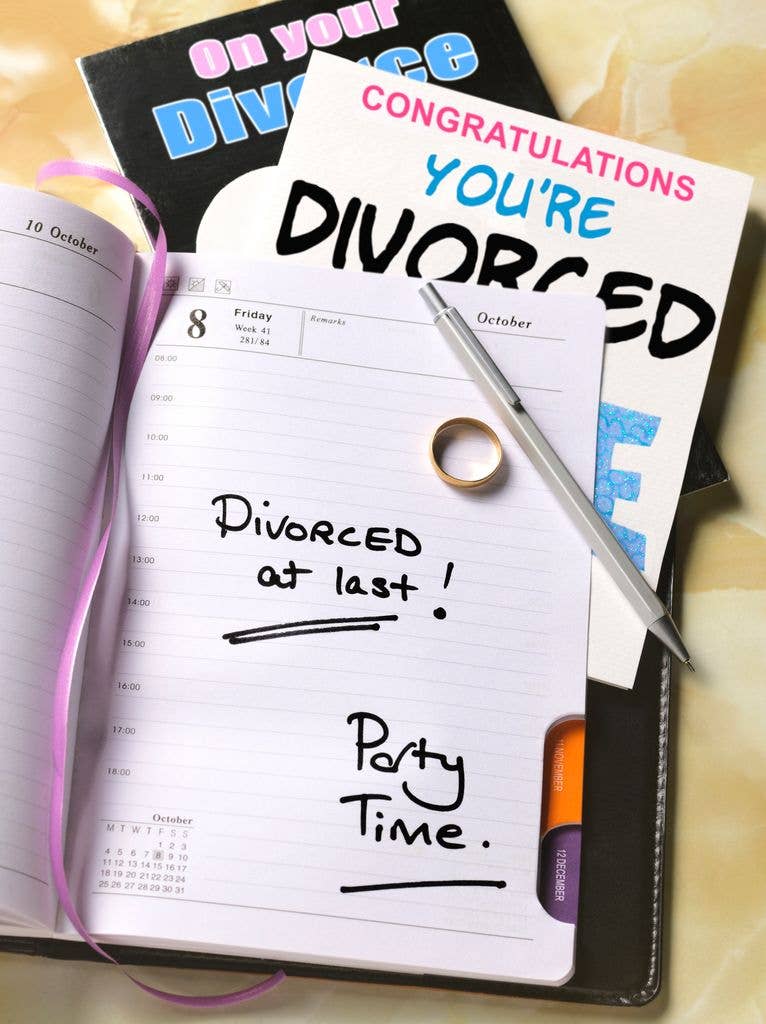
Searches for “divorce party ideas” have reached their highest point in the past year, while Pinterest has recorded a staggering 39,000 searches related to divorce party planning. Google searches for divorce party decorations have also surged by 60 per cent in the past 90 days, with experts predicting interest will increase by almost 1.5 times again by the end of July.
While the idea of throwing a party after the end of a marriage may once have seemed controversial, psychologists say the trend actually reflects something far deeper: healing, empowerment and reclaiming joy after heartbreak.
Why divorce parties are suddenly everywhere
According to relationship expert Robyn Alesich from matchmaking and dating app Sister Wives, timing plays a major role in the sudden rise.
“January is widely known as ‘divorce month’, closely followed by September, and since uncontested divorces typically take several months to finalise, many newly separated individuals are now approaching the end of that process, which likely explains the surge in party enquiries around this time of year,” Robyn tells HELLO! “It’s a rebirth or reclaiming ritual for divorcees.”
Social media has also helped transform divorce from something whispered about privately into something women are openly discussing and even celebrating. “There are millions of views across hundreds of viral videos on ‘DivorceTok’ showcasing planning, GRWM videos and day-of festivities, especially on TikTok,” Robyn says.
 © Getty Images
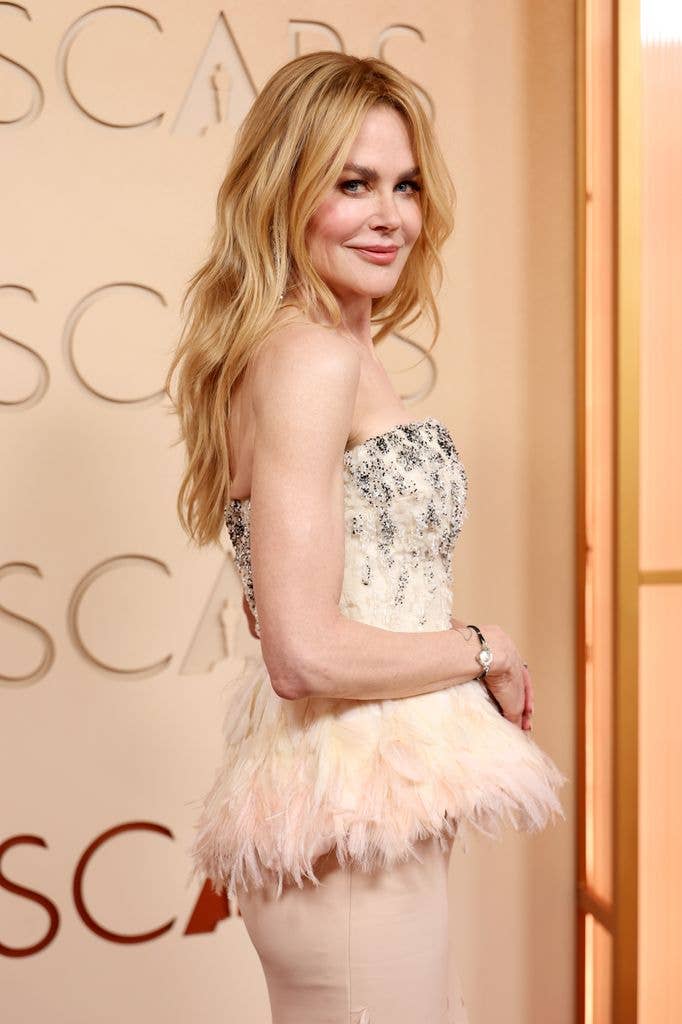
“Nicole Kidman was even rumoured to hold a divorce party this year, while one woman reportedly spent more than $30,000 on hers back in 2024. Trends like these stick in people’s minds.”
The hashtag #DivorceParty now has more than 8,000 videos on TikTok, while Pinterest has become a major source of inspiration for women planning everything from glamorous dinners to beachside weekends and symbolic “fresh start” ceremonies.
Interestingly, the trend appears to be overwhelmingly driven by women. “On Pinterest, women make up 88 per cent of divorce party searches, with women aged 25 to 34 searching the most,” Robyn says. “Less than five per cent of men appear to be making the same searches.”
 © Getty Images
Why summer breakups can feel strangely liberating
Psychologist Dennis Relojo-Howell, managing director of Psychreg, says the seasonal timing is no coincidence.
“People are more likely to leave unhealthy situations, start new routines or commit to goals when their emotional resources are replenished, and summer does exactly that,” Dennis tells HELLO! “The psychological cost of change feels lower when you are not already depleted.”
According to Dennis, increased sunlight exposure literally changes brain chemistry by boosting serotonin levels, which regulate mood and wellbeing. “Human beings are wired to feel better when they are around others,” he says.
“This produces what psychologists call positive affect, a genuine uplift in emotional tone that makes people more open, energised and willing to take action.”
He adds that summer naturally encourages reflection and reinvention. “There is something about the rhythm of the seasons that encourages people to pause and assess where they are in life,” he explains. “That sense of spaciousness, combined with the mood boost from light and warmth, makes it easier to contemplate change.”
 © Getty Images
Reframing divorce
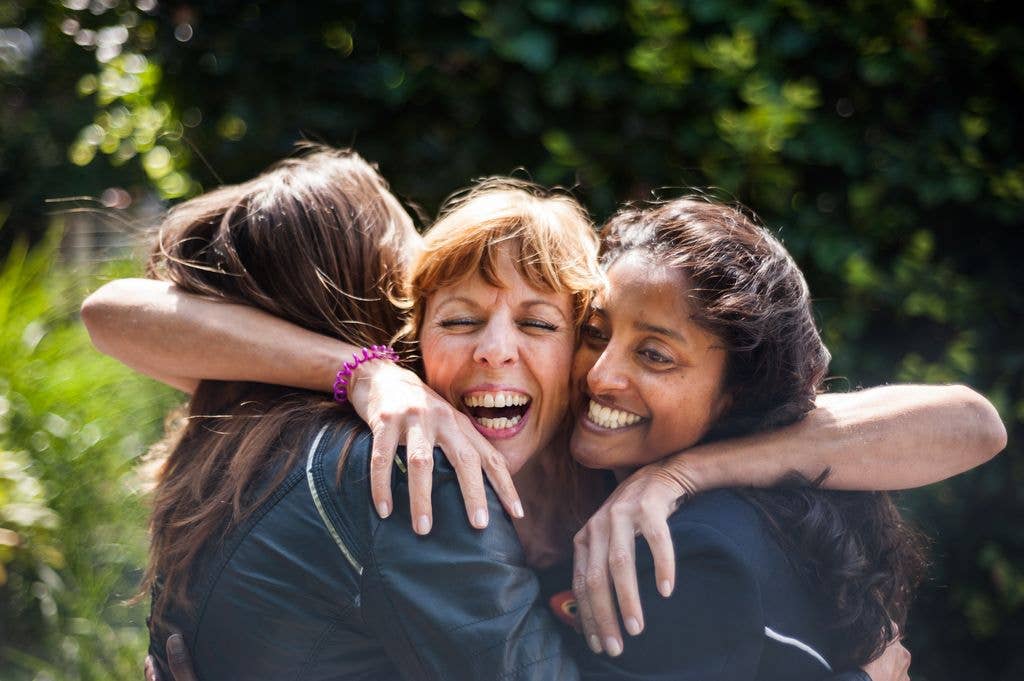
For many women, divorce parties are less about bitterness and more about closure. Instead of framing divorce as a personal failure, the celebrations often focus on survival, friendship and the beginning of a new chapter.
From intimate dinners with close friends to luxury weekends away and symbolic ceremonies, the events have evolved into something closer to a rite of passage than a breakup bash.
And while the trend may seem playful on the surface, experts say it reflects a much larger cultural shift around how women approach relationships, identity and self-worth.
“Summer is one of the best times psychologically to mark a major life transition,” Dennis says. “So it makes sense that the data is showing a spike in popularity.”
In other words, for many women, celebrating the end of a marriage is no longer about looking backwards. It is about stepping confidently into whatever comes next.
Read the full article here