




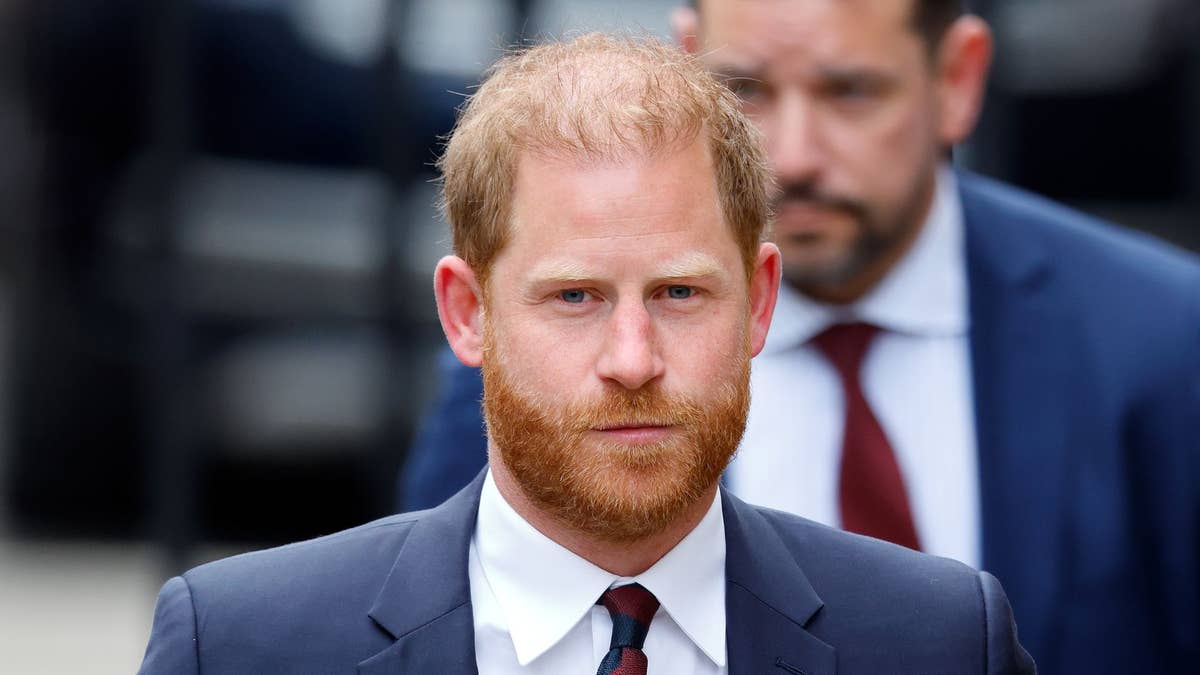

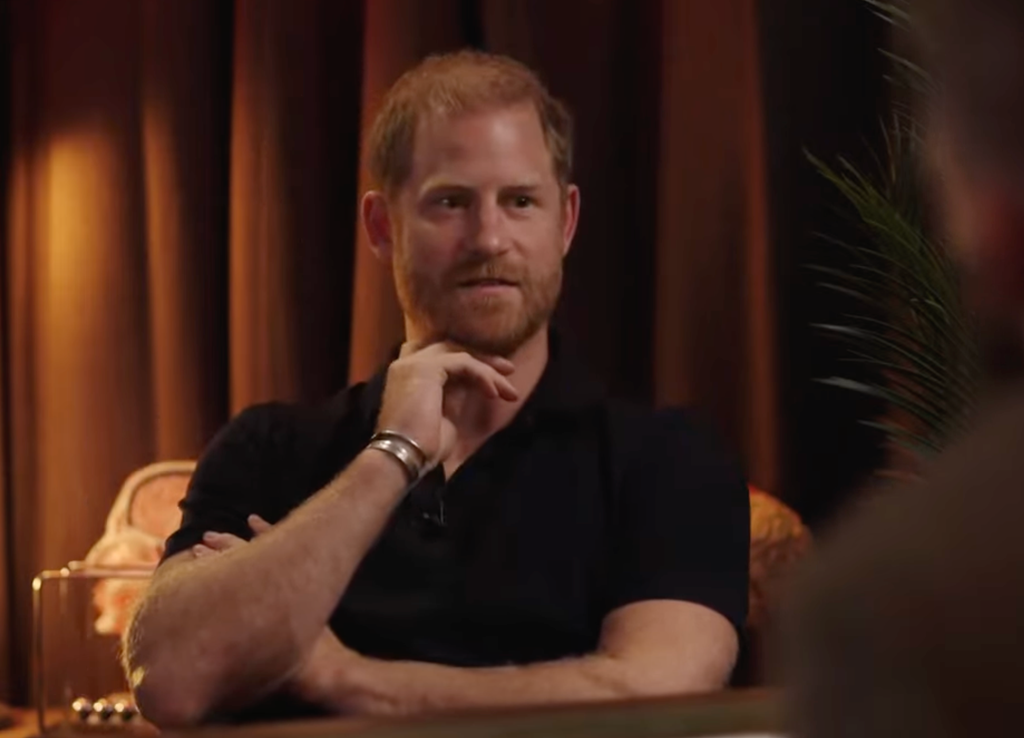
Prince Harry opened up about his grooming routine (or lack thereof) during his appearance on the Joe Marler Will See You Now podcast, sharing his relatively lowkey self-care rituals.
“I trim my beard every five to six days. Just to keep it a little bit tidy,” he said before admitting of the hair on his head: “Nothing really happening on top, I get a haircut, otherwise I try not to look at what’s happening.”
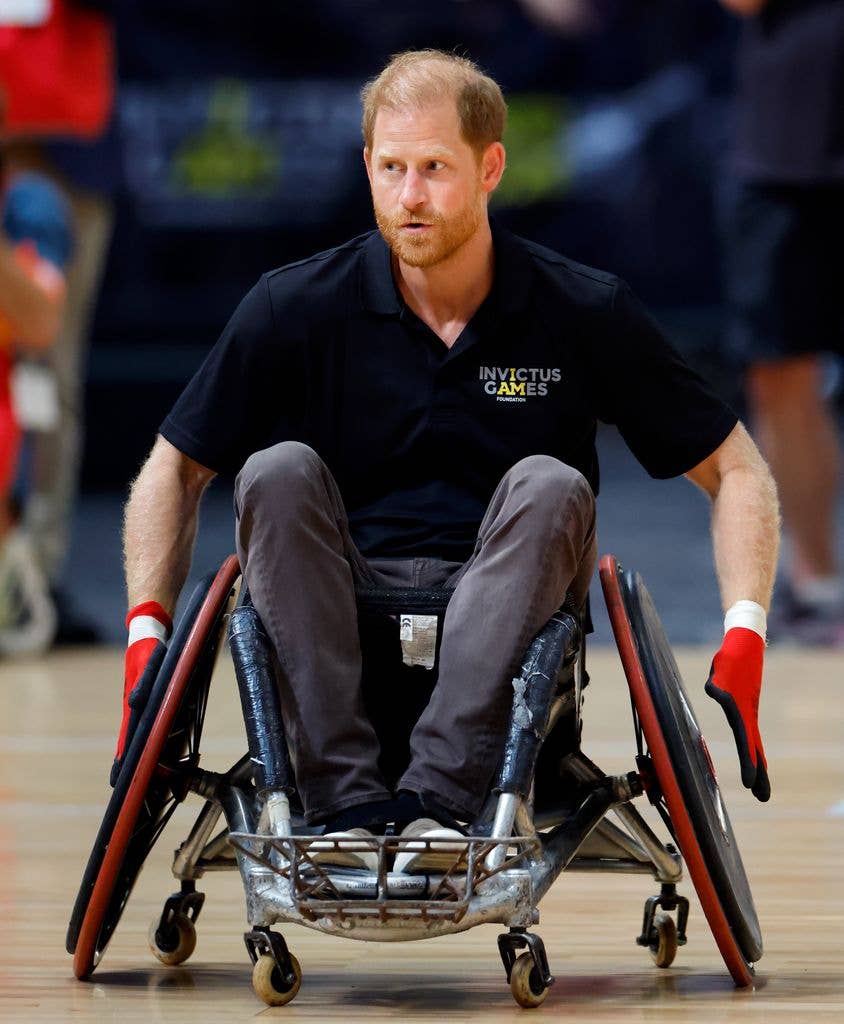
While he claims he’s in denial about keeping track of the goings on upon his scalp, the Duke of Sussex’s hair is clearly on his mind, as he joked about it earlier in the week during an event to celebrate The Invictus Games.
Prince Harry’s hair comments
“What has struck me walking around the arena today is just how many faces I recognise from those different groups that were part of that original journey back in 2014. Some of us have lost our hair,” he quipped.
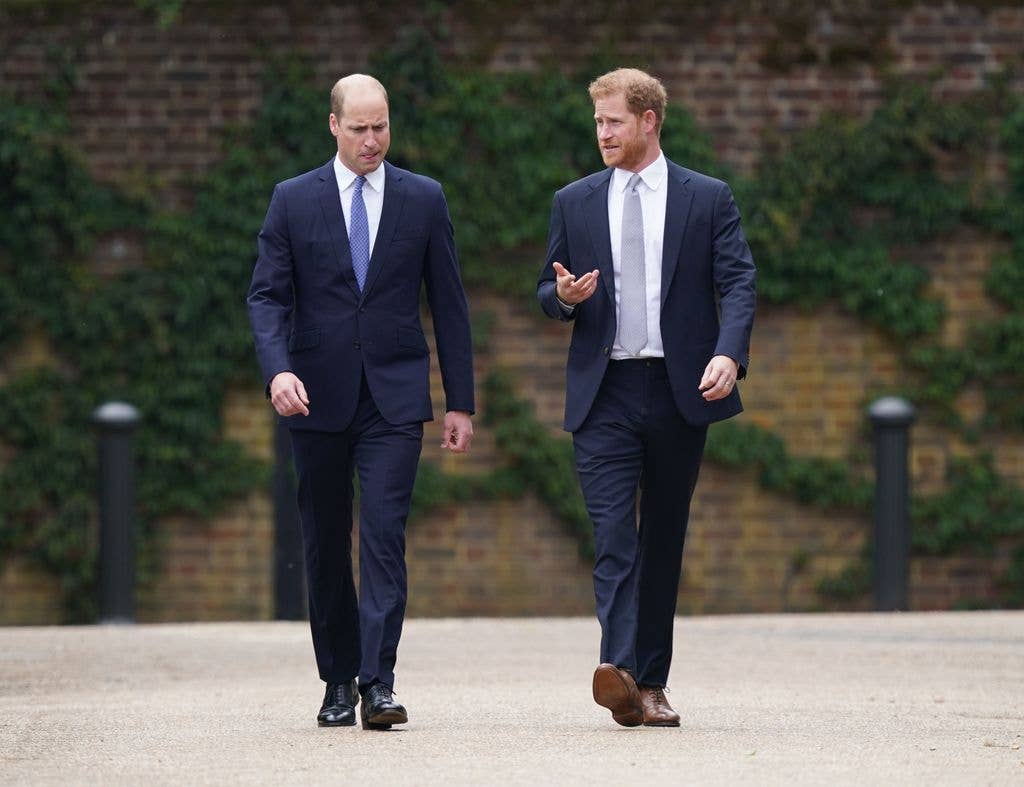
It’s not only his own hair that’s playing on the prince’s mind. He also addressed his brother Prince William’s hair in the pages of his controversial memoir, Spare, writing of a 2021 meeting, in which he called his brother’s baldness “alarming” and more advanced than his own.
 © Getty Images
Five years on, the King’s son is well aware of his own thinning hair and is good natured about it – with his candour about a tricky topic reassuring to others whose hair might not be as thick as it once was.
“Hair loss is an incredibly sensitive subject because for many people hair is closely linked to confidence, identity, and self-esteem. Losing your hair can have a significant emotional impact, leaving many people feeling isolated or embarrassed to talk about their experience,” says trichologist Hannah Gaboardi, who works with skincare brand Calecim.
The benefits of Prince Harry’s comments about his hair
“Public figures who openly discuss personal challenges play an important role in normalising and humanising experiences that are often associated with stigma,” explains psychologist Dr. Candice O’Neil.
Hannah agrees. “When a public figure speaks openly about their own hair loss journey, it helps normalise the conversation. It reminds people that hair loss can affect anyone, regardless of age, gender, or status. By sharing their experiences, public figures help reduce the stigma surrounding hair loss and encourage others to seek advice and support without feeling ashamed.”
 © Getty Images
“Hair is highly subjective, and increasing numbers of men choose to embrace baldness, challenging the assumption that hair loss is inherently synonymous with ageing, decline, or reduced attractiveness. Nevertheless, for many men, hair loss represents a loss of control and can have a meaningful impact on self-esteem, identity, and psychological wellbeing,” Dr. O’Neil continues.
Of the royal’s decision to speak light-heartedly of his declining hair, Dr. O’Neil adds: “Prince Harry’s willingness to discuss his own hair loss contributes to the normalisation of a common aspect of male ageing and brings visibility to an issue that many men find difficult to acknowledge.
 © Joe Marler Will See You Now/ YouTube
“Such openness has the potential to encourage conversations about evidence-based treatments, adaptive coping strategies, and appropriate help seeking behaviours.”
She adds that by increasing the visibility of this experience, public figures can help reduce stigma, promote psychological acceptance and encourage men to engage more openly with concerns that have traditionally been minimised or concealed.
Hannah adds: “The more openly hair loss is discussed, the more people realise they are not alone. It raises awareness that effective treatments and professional support are available which empowers individuals to take the first step towards understanding and managing their condition.”
Read the full article here