





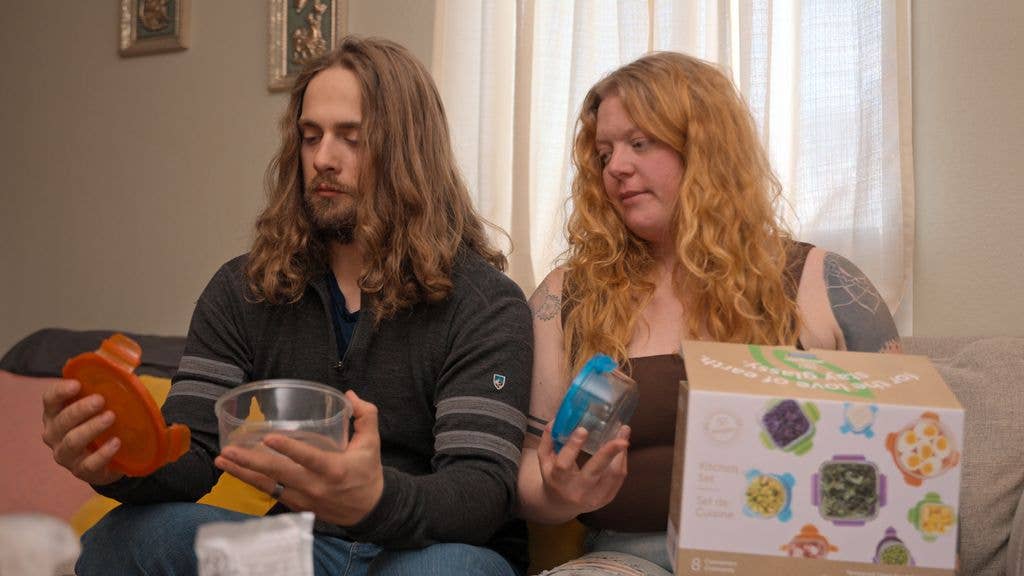
A few months back, one of my patients mentioned watching a documentary called The Plastic Detox and highly recommended it. It sounded interesting but not exactly my usual idea of winding down in the evening.
However, one night I switched on the television and there it was, the first thing that popped up.
Obviously, a sign.
The documentary followed women struggling to conceive who were encouraged to reduce their exposure to plastics and everyday chemicals. After lowering their exposure, many of the women in the trial later conceived successfully. Now of course, fertility is complex and there are many factors involved, but it really made me stop and think.
Then came the statistic that genuinely made me pause: researchers have found microplastics in human brain tissue, with estimates suggesting the average brain may contain around the weight of a small plastic spoon in plastic particles. That one stayed with me.
 © Netflix
So naturally, I had a little rummage around the house. Plastic chopping boards, plastic water bottles, tea bags, workout clothes, food containers, period pads. It suddenly became impossible to ignore just how much plastic surrounds us every single day.
And while I am absolutely not here to tell you to panic or throw everything away overnight, I do think it’s worth understanding how microplastics may affect our hormones, especially during perimenopause and menopause, when our bodies are already going through huge hormonal changes.
So, what exactly are microplastics?
Microplastics are tiny pieces of plastic that come from larger plastics breaking down or from synthetic materials themselves. They are now being found in our water, food, air and even inside the human body.
Researchers are particularly concerned because many plastics contain chemicals known as endocrine disruptors, these are substances that can interfere with our hormones.
Some of the main ones include BPA (bisphenol A) and phthalates, which have been linked in studies to changes in oestrogen activity, fertility issues, metabolic health and inflammation.
During menopause and perimenopause, our hormones are already fluctuating significantly. Oestrogen levels naturally decline, which can affect sleep, mood, anxiety, weight distribution, hot flushes and joint health. The concern is that endocrine-disrupting chemicals may add extra stress to a system that is already trying to find balance.
Again, this is not about fear, it’s about reducing what we can in a realistic way.
1. Plastic water bottles
 © Getty Images
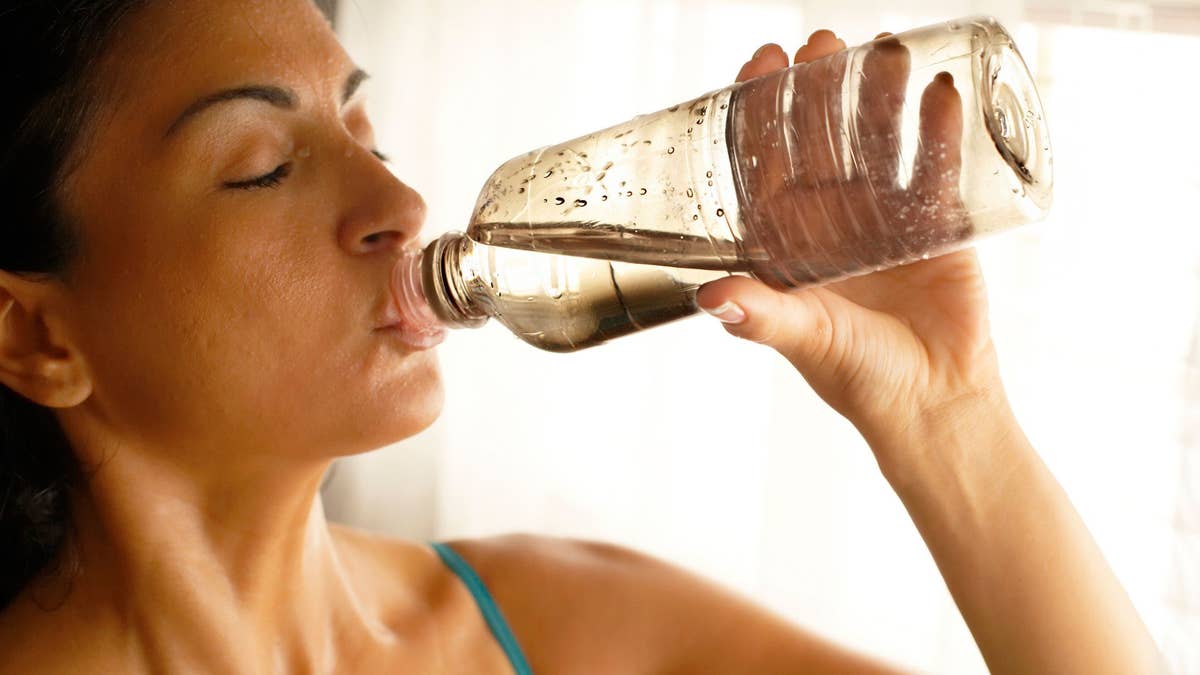
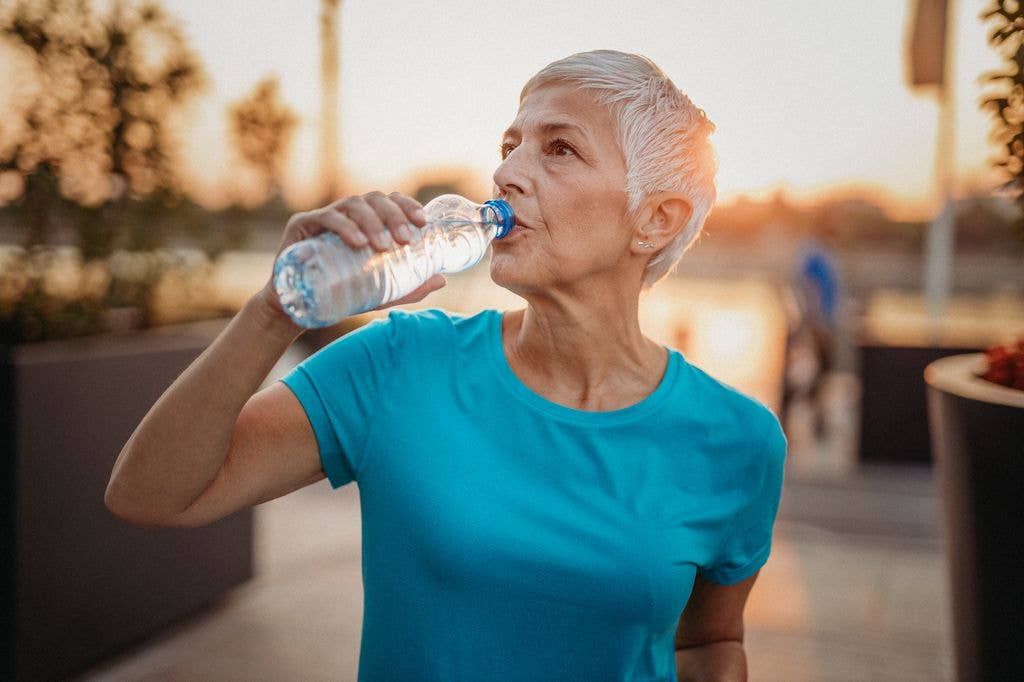
One of the easiest swaps I made was with water bottles. Studies have shown that heat, sunlight and repeated use can cause plastic bottles to release microplastics and chemicals into the water we drink. I already tended to use a glass bottle at home, but obviously my children can’t take glass into school. So I found some brilliant stainless-steel bottles instead, which felt like a really manageable swap. Simple, realistic and honestly, that’s enough.
2. Tea bags (this one upset me a bit…)
 © Getty Images
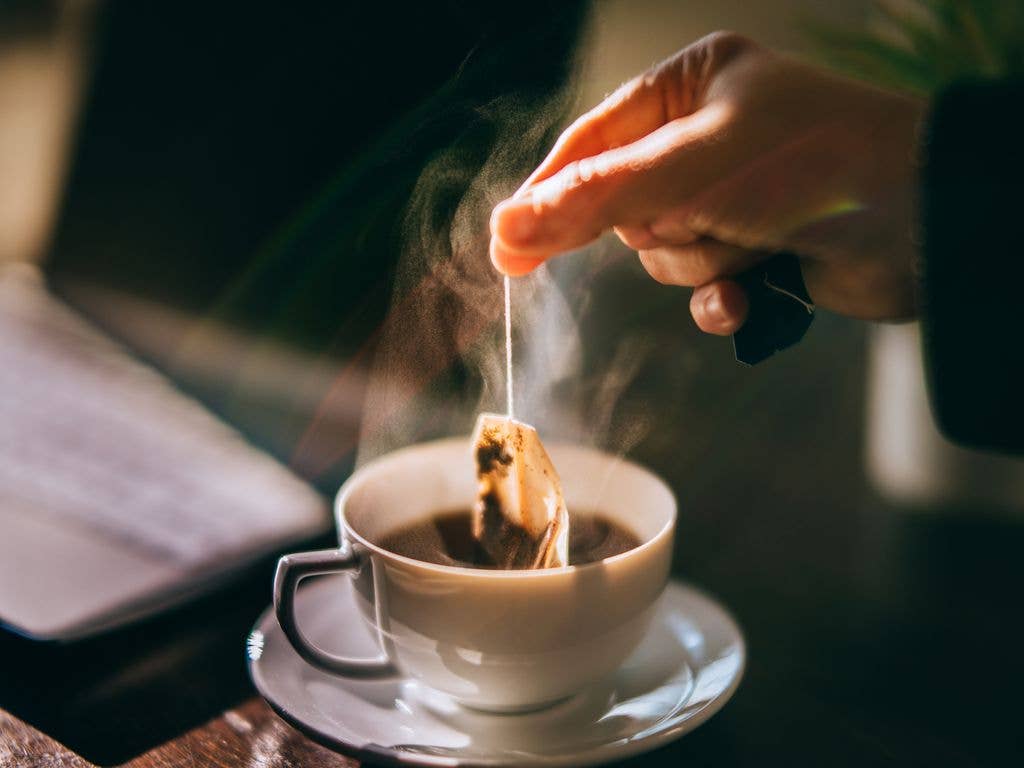
I love tea, it’s genuinely a hug in a mug for me. Especially since reducing coffee during perimenopause because caffeine suddenly started ramping up my anxiety. So imagine my horror when I discovered that many tea bags are actually sealed with plastic or made using polypropylene fibres. Some studies have shown that when steeped in boiling water, certain plastic tea bags can release billions of tiny microplastic particles into the drink.
Now, before we all spiral and throw our Yorkshire Tea across the kitchen, not all tea bags are the same. Many brands are now moving towards biodegradable or plastic-free options such as clipper tea, Hampstead tea and pukka. For me personally, I bought a lovely little glass teapot and started using loose-leaf tea at home.
I’ll be honest, it can feel like a faff sometimes, and yes, I do occasionally miss the convenience of a tea bag. But there’s also something quite grounding about slowing down for a minute and pouring tea from a teapot into my favourite mug, a tiny ritual in a busy day.
3. Workout clothes
 © Getty Images
This was another one I hadn’t really thought about. A lot of activewear is made from synthetic materials like polyester and nylon, which are essentially forms of plastic. Researchers have found that some fabrics can contain chemicals such as BPA and PFAS, which are known to interfere with our hormone system which is already fluctuating during perimenopause and menopause.
What really caught my attention was learning what happens during exercise. As we heat up and sweat, our pores open and blood circulation increases. This means the skin becomes more absorbent, so chemicals from fabrics may pass more easily into the body. Research has shown that substances like BPA can be absorbed through the skin and enter the bloodstream.
Now, this isn’t about panicking and throwing away every pair of leggings you own. It simply made me more mindful about what I wear against my skin for long periods of time, especially during perimenopause and menopause when our hormones are already fluctuating. I recently discovered a lovely British activewear brand called BAM, which uses more natural fibres such as bamboo and cotton.
I’ll admit, at first I was sceptical because the material didn’t sculpt and cinch my body in the same way synthetic activewear does. But interestingly, my body felt better. My skin felt like it could breathe, my body felt more comfortable and I felt more connected to myself while exercising. And honestly, there was something quite freeing about that.
Again, this isn’t about perfection. Just small, realistic swaps that may help support our hormones and overall wellbeing over time.
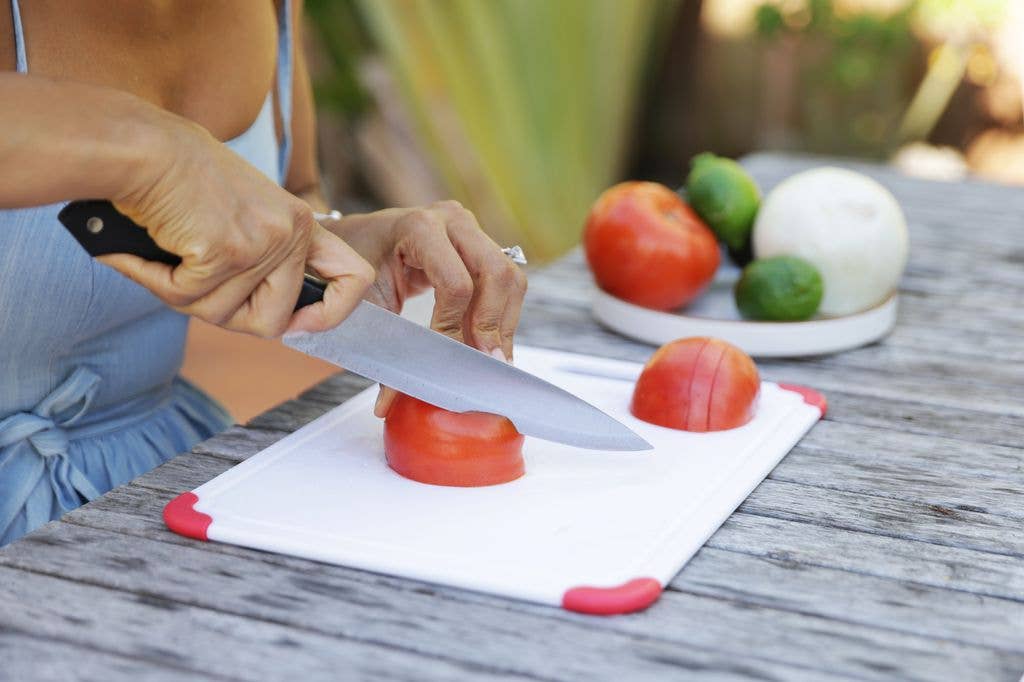
4. Plastic chopping boards
 © Getty Images
This was another thing sitting in my kitchen that I had never really questioned. Like most people, I used plastic chopping boards because they’re lightweight, practical and easy to clean. But when I started reading more about microplastics, I discovered that every time we chop and slice on plastic boards, tiny plastic particles can break away and transfer into our food.
Over time, knife marks create grooves and scratches in the board, and research published in Environmental Science & Technology found that normal food preparation on plastic chopping boards can release microplastic particles directly into meals. Now, this isn’t about panic or throwing everything away overnight. It’s simply about reducing exposure where we realistically can.
I recently discovered a lovely brand called Velcorian. Their chopping boards are made from Velcorian stone, which is microplastic-free, non-toxic, resistant to scratches and odours, dishwasher friendly and honestly beautiful enough to leave out on the kitchen worktop. I’ve realised these small swaps are less about perfection and more about creating a home and lifestyle that feels supportive to our health during perimenopause and menopause.
Other easy swaps that can help
Here are a few gentle changes you might consider if this topic has sparked your interest too:
- Swapping plastic food containers for glass where possible
- Avoiding heating food in plastic containers
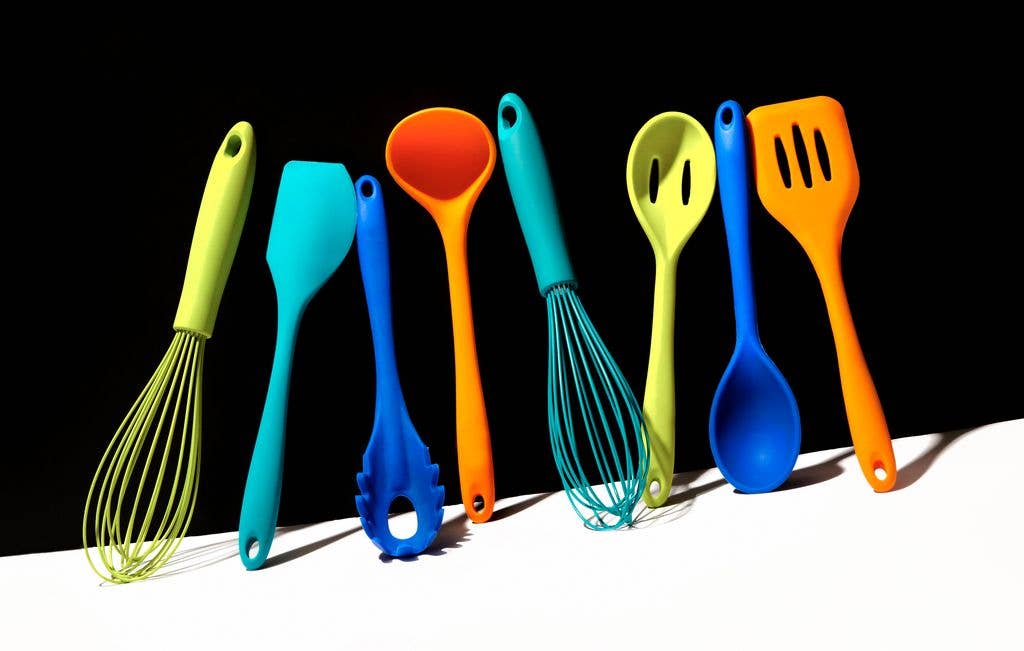
- Choosing wooden or stainless-steel cooking utensils
- Using a filtered water bottle
- Checking period products for more natural materials
- Reducing heavily packaged foods where practical
 © Getty Images
Please don’t feel you need to do all of this at once. The goal isn’t to create stress around every plastic item in your house. Stress itself has a huge impact on our hormones too.
As women in perimenopause and menopause, many of us are already becoming more aware of what our bodies need.
We start questioning: Why am I suddenly anxious? Why is my sleep different? Why do I feel inflamed? Why am I more sensitive to things than I used to be? And whilst microplastics are unlikely to be the sole reason for symptoms, research is increasingly suggesting they may contribute to hormone disruption, inflammation and overall toxic load in the body.
The good news is that small, consistent changes really can make a difference over time and perhaps a lovely cup of loose-leaf tea whilst we figure it all out together.
For more information about Nadia, visit her website nadiatheosteopath.com
Read the full article here