



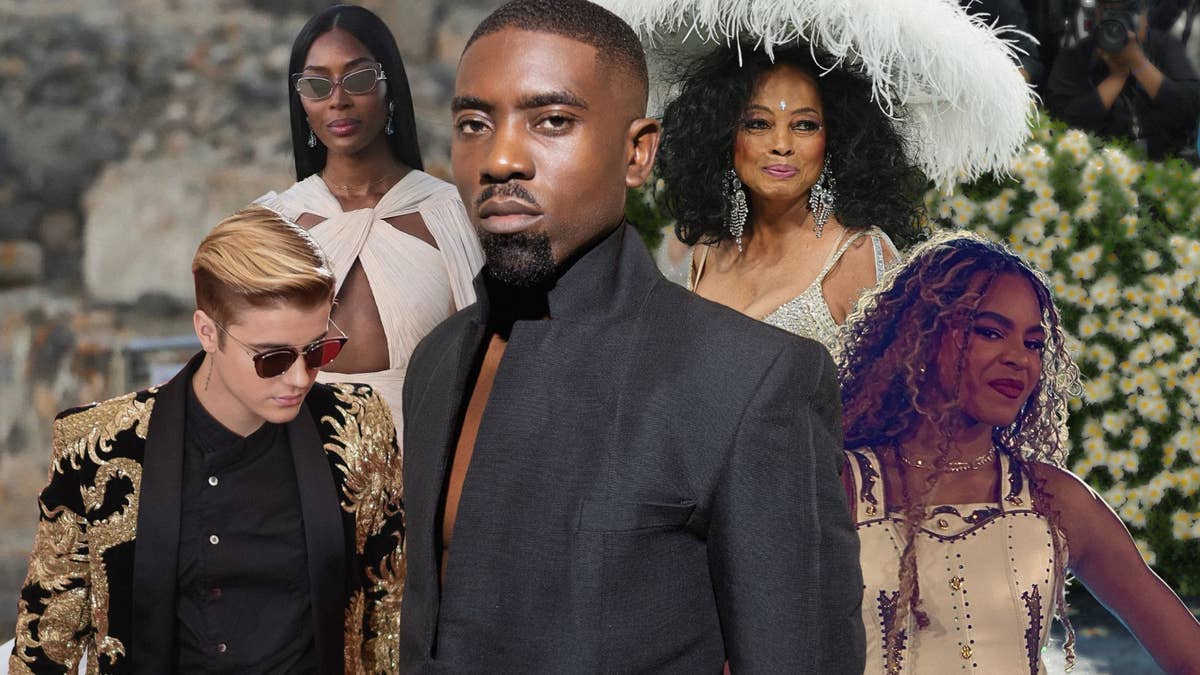

You may not know his name, but you’ve almost certainly witnessed his influence. From Diana Ross’ dramatically feathered 2025 Met Gala look to Blue Ivy’s Cowboy Carter Tour wardrobe, Ugo Mozie’s craftsmanship have undoubtedly crossed your social media feed – a testament to his unyielding talent that has achieved global reach.
The Nigerian-born creative is a masterclass in the art of diversification. A couturier, designer, model, activist and stylist, all packaged in a beautifully tailored suit, Ugo continues to hone his unmatched CV while inspiring the next generation of African creatives to follow in his footsteps. His brand, Eleven Sixteen, is an extension of that mission: a celebration of the polymath’s heritage that is simultaneously reshaping the fashion industry’s understanding of luxury. With a deep respect for his clients and an unwavering finger on the pulse of African innovation, Ugo is fast becoming a celebrity in his own right.
How did you get into styling and design?
I got into fashion naturally through storytelling and curiosity. Growing up in Nigeria, I was always fascinated by how people expressed identity through clothing. from church, to weddings, to music videos, to the way older men carried themselves with elegance. When I moved to America, I started experimenting with style creatively, and it slowly turned into styling artists and helping shape visual identities.
Design came from wanting to create the things I couldn’t find. I didn’t just want to style clothes, I wanted to build a world and tell African stories through luxury fashion in a modern way. That eventually became Eleven Sixteen.
How has your Nigerian heritage influenced your visual language?
Completely. Nigeria is embedded in everything I do. The richness of our textiles, the colours, the confidence, the spirituality, the elegance of our elders – all of that shaped my eye.
I think African fashion has always had luxury in it, even before the Western definition of luxury existed. Handwoven fabrics, coral beads, cowries, bronzes, ceremonial dressing – these things carried status, history and meaning. My work is really about translating that energy into a modern global language without losing the soul.
Did you take inspiration from LA or Texas when creating designs for Eleven Sixteen?
Definitely LA. Living there for over a decade influenced me a lot. LA has this relaxed confidence. People mix luxury with ease in a very natural way. There’s freedom there.
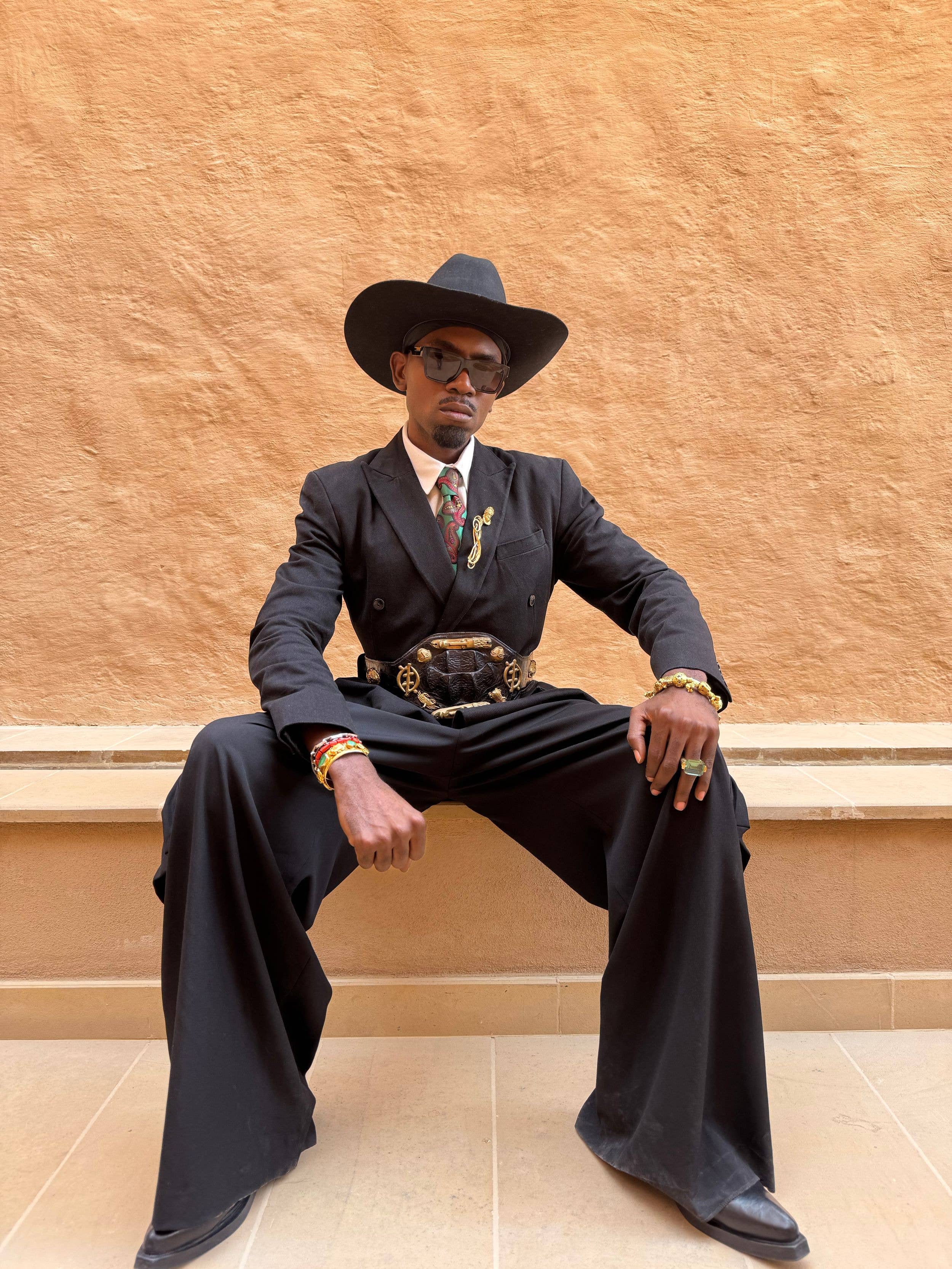
Texas also inspired me, especially recently. I became interested in Americana, cowboy culture, utility wear and rugged silhouettes. But with Eleven Sixteen, I always reinterpret those references through an African lens. I love the tension between African elegance and Western workwear.
 © Courtesy of Ugo Mozie
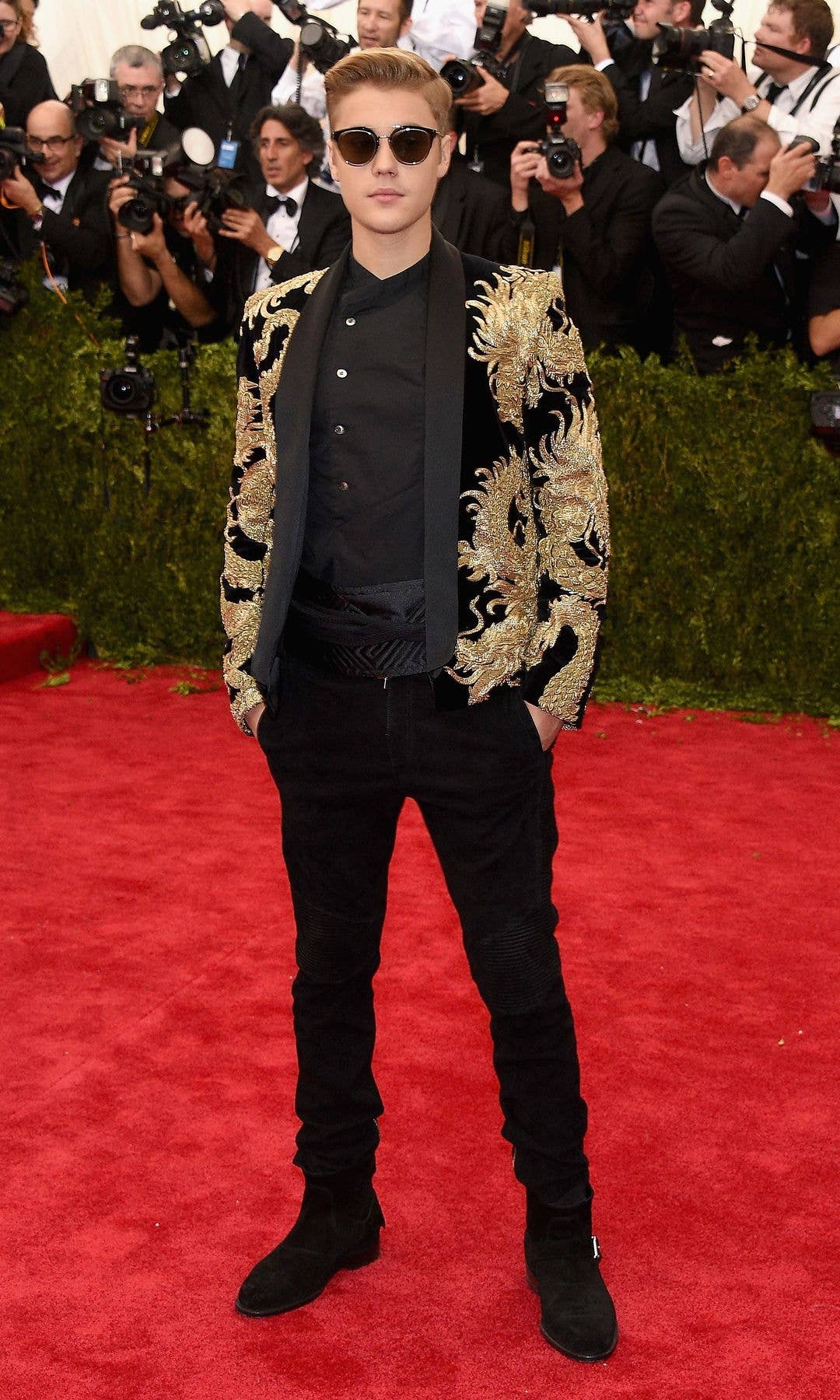
You’ve styled Hollywood legends like Jackie Chan and global musicians like Justin Bieber. How do you build trust with your A-list clients? Do you have any surprising or funny anecdotes?
Trust is everything. Most artists and celebrities are constantly being pulled in different directions, so I think people appreciate honesty and calm energy. I never approach styling as just “putting clothes on people.” I really try to understand who they are emotionally, creatively and spiritually.
A lot of the trust comes from consistency and discretion. The best stylists are part psychologist, part creative director, part problem solver. And honestly, some of the funniest moments happen behind the scenes right before major events. Last-minute tailoring disasters, shoes breaking, outfits not arriving. People only see the polished final image, but backstage can feel like controlled chaos. Those moments actually build strong relationships because clients remember who stayed calm under pressure.
 © Getty Images
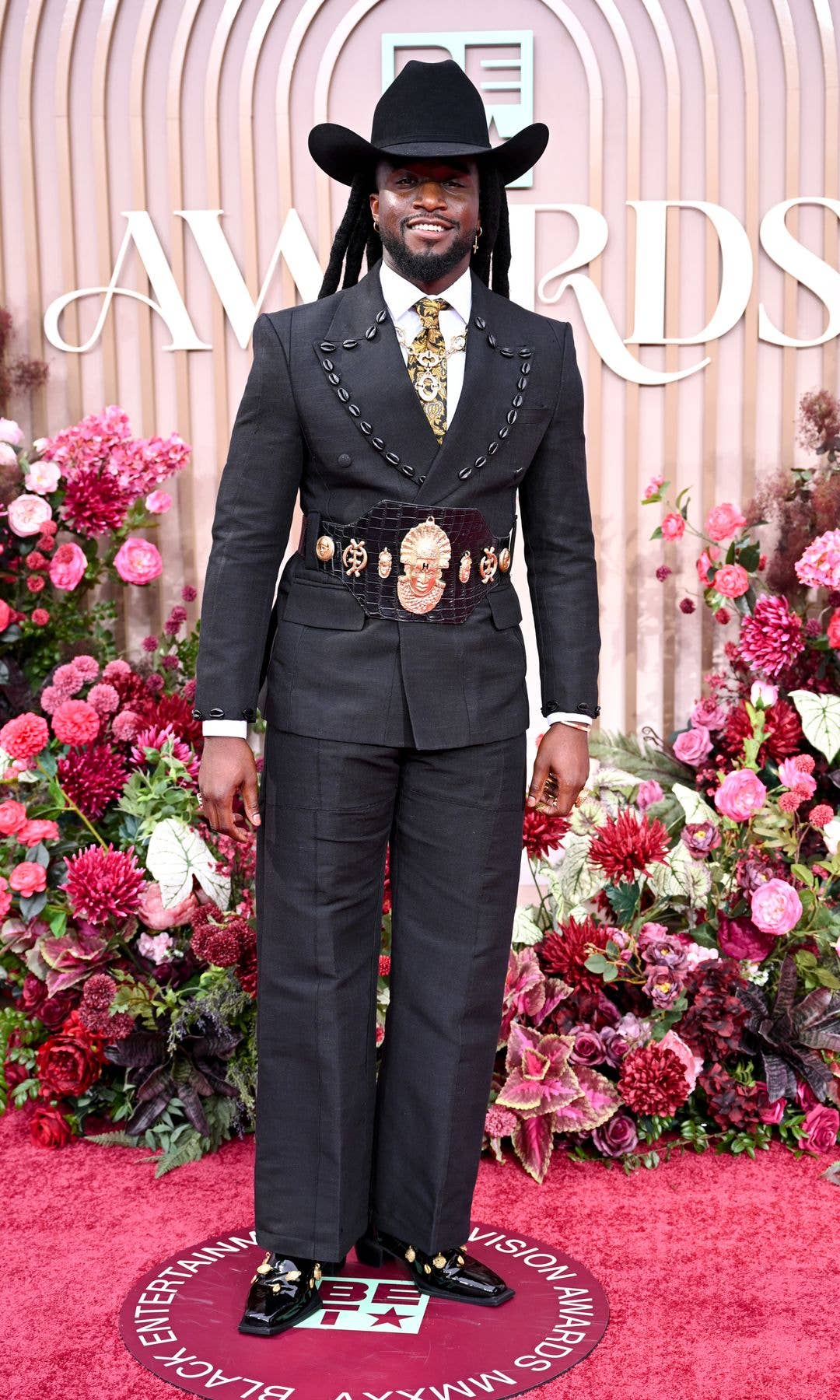 © Getty Images
What was it like working with the legendary Diana Ross for the Met last year?
Collaborating and designing alongside Ms Diana Ross was surreal. Ms. Ross is more than an icon, she’s living history. Working with her reminded me that true stars carry an energy that goes beyond fashion or entertainment.
What I loved most was her understanding of glamour and emotion. She understands fashion as performance and storytelling. Seeing her wear Eleven Sixteen pieces and bringing that spirit to life was a huge honor for me.
When styling Stevie Wonder, how did you build trust with him? And how important were quality and texture in shaping his wardrobe?
With Stevie, texture and feeling were incredibly important. Because of how he experiences the world, fabrics matter deeply. The softness, weight, movement and energy of a garment.
Trust came from intention and respect. You can’t approach legends casually. They’ve worked with the best for decades, so they immediately recognise authenticity. Stevie has such a childlike warmth and kindness, and once he feels your sincerity creatively, the collaboration becomes very natural.
“You can’t approach legends casually. They’ve worked with the best for decades, so they immediately recognise authenticity”
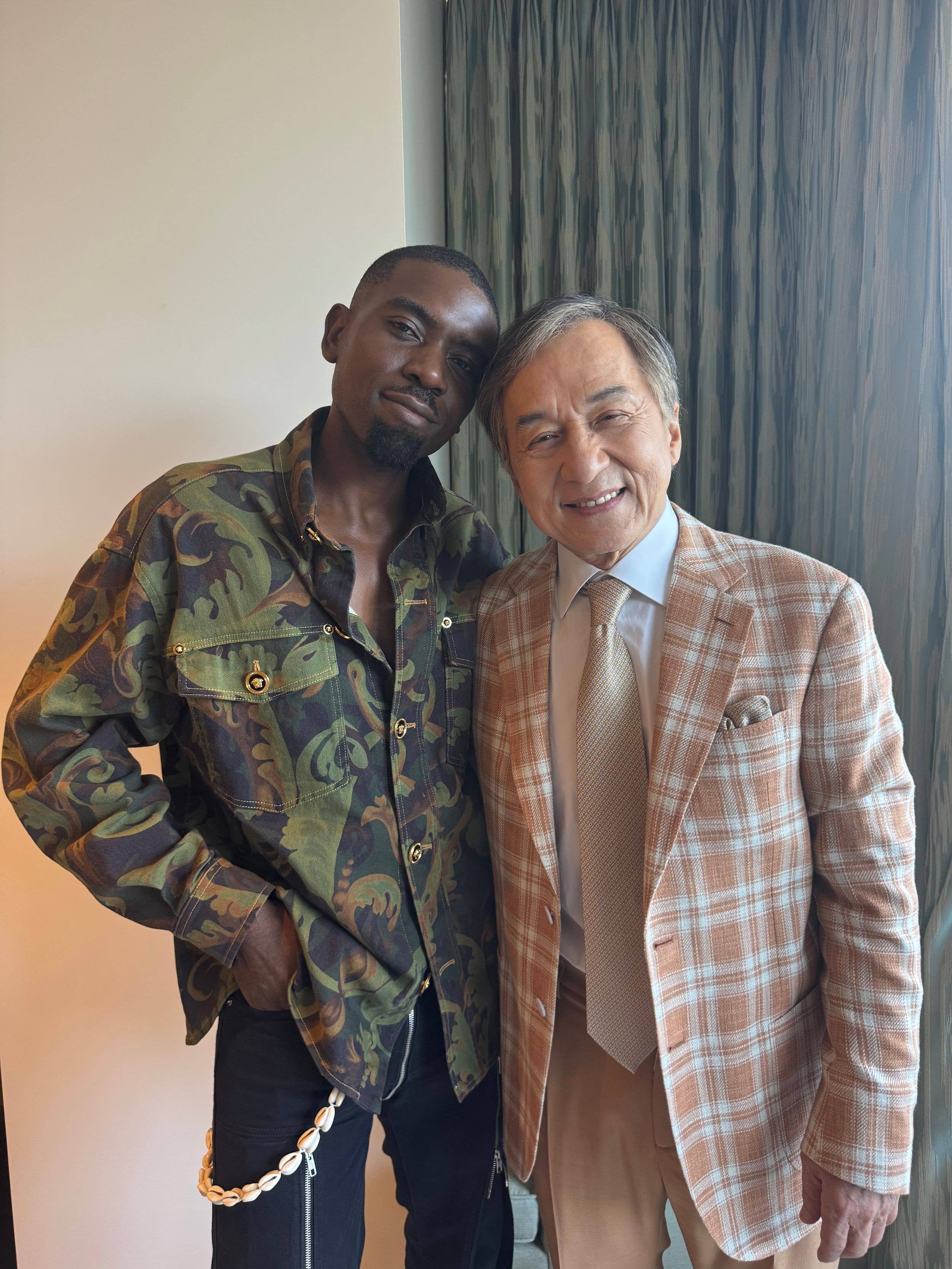 © Courtesy of Hugo Mozie
How does styling emerging talent differ from working with established icons like Stevie and Diana who already have a defined image?
With emerging talent, you’re often helping build the identity in real time. There’s more experimentation because the world is still learning who they are.
With icons, the responsibility is different. You’re protecting legacy while still evolving the image. You have to understand the emotional connection audiences already have with them. Sometimes the best styling choice for a legend is restraint.
The LA fashion scene is often seen as secondary to NYC. What are your thoughts on this?
I think New York has the stronger traditional fashion infrastructure, but LA has become one of the most culturally influential cities in the world. Music, film, celebrity culture and lifestyle all intersect there.
LA fashion is less about rules and more about energy and individuality. Some of the most influential modern style moments came out of LA culture. I think the industry sometimes underestimates that because it doesn’t always look as formal as New York fashion.
Where are your favourite places in LA to source clothes?
I love vintage shopping in LA or the older Italian suit stores downtown. Those places are where you find unique pieces with real character. Hollywood costume archive shops in the valley, hidden vintage warehouses downtown, those are my favorite kinds of places.
Honestly though, some of the best sourcing comes from unexpected places. Sometimes it’s an antique market, a random tailor shop, or something discovered while traveling internationally.
You spoke at Oxford University, what was that like?
It was an incredible experience. Anytime I get to speak about African creativity, luxury and entrepreneurship on global platforms, I take it seriously. I think it’s important that African designers are part of larger conversations shaping culture and business globally.
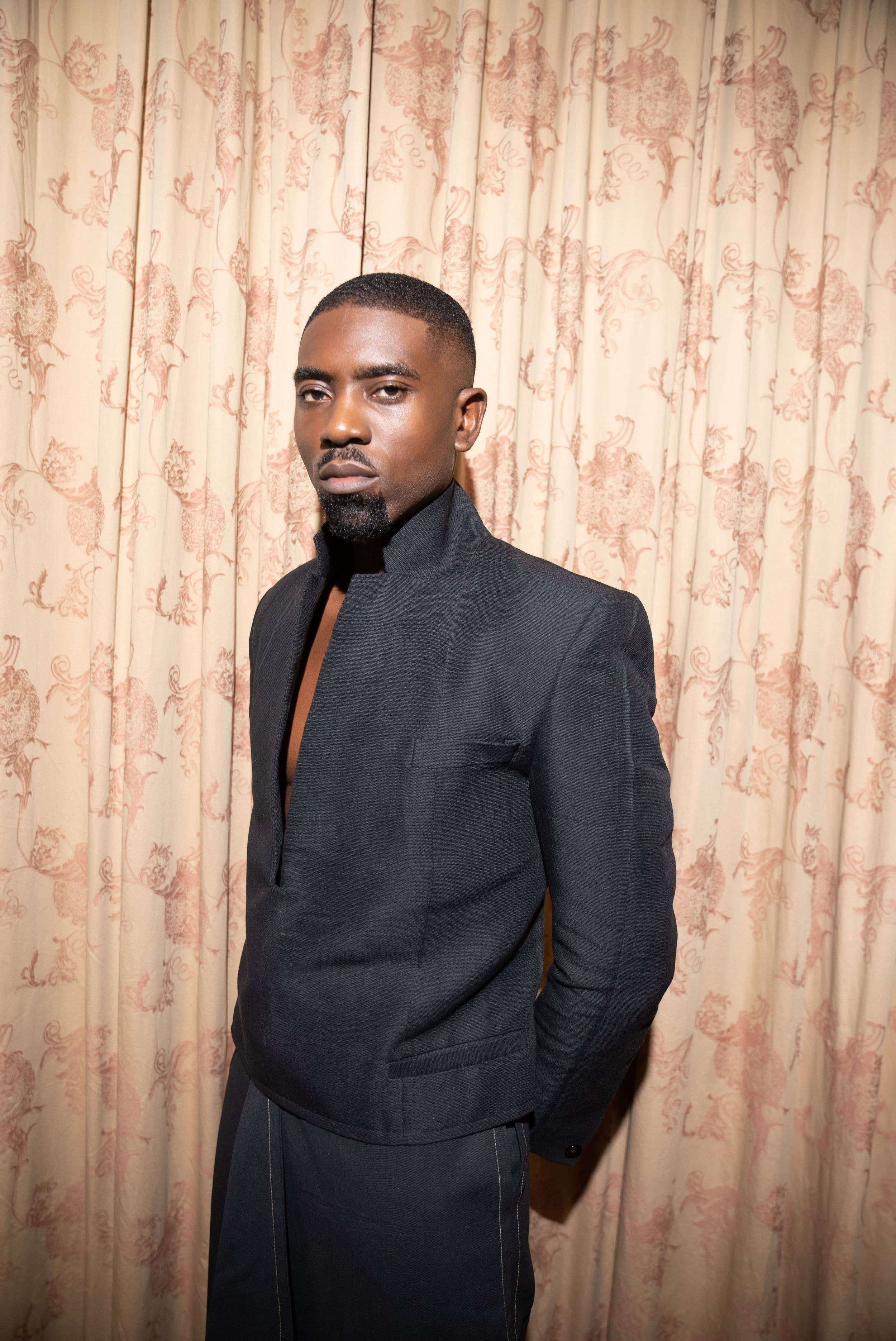 © Courtesy of Ugo Mozie
Which emerging designers or brands are you excited about right now?
I’m excited by designers who are building worlds, not just collections. Especially creatives from Africa and the diaspora who are blending heritage with innovation in fresh ways. I’m also interested in brands experimenting with textiles, craftsmanship and emotional storytelling rather than just chasing trends.
What does ‘taste’ mean to you in an era of algorithm-driven aesthetics?
Real taste comes from lived experience, emotion and curiosity. Algorithms can create repetition, but taste is about discernment. It takes knowing how to edit, how to feel, how to create tension and originality. The danger today is that everyone starts referencing the same references. True taste usually comes from people who are deeply connected to culture, history, travel, music, art and human experience beyond social media.
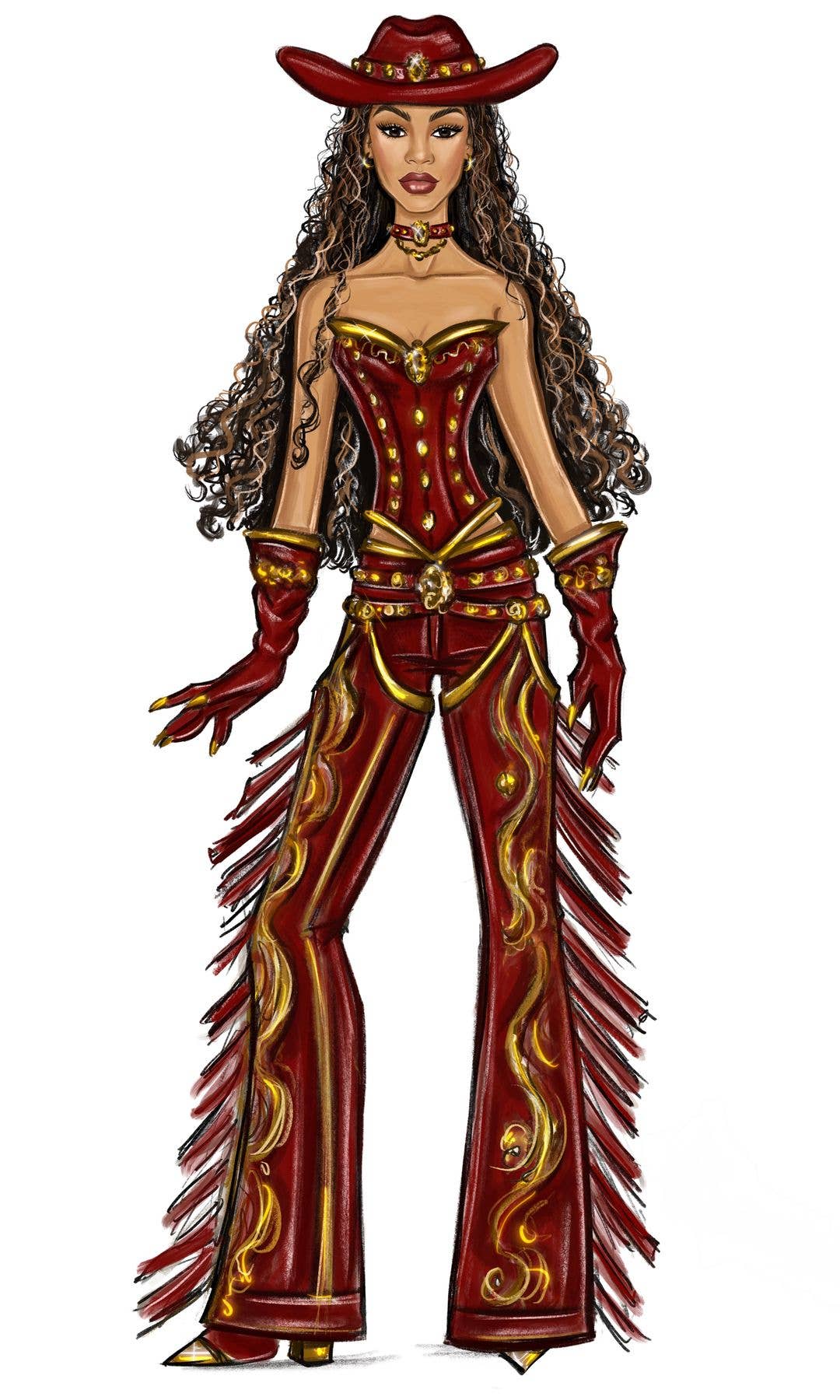 © Courtesy of Ugo Mozie
“I’m excited by designers who are building worlds, not just collections”
How would you define the current global perception of African fashion?
I think the world is finally beginning to recognise African fashion as sophisticated, innovative and luxurious – but we’re still early. For a long time, African fashion was boxed into ‘traditional’ or ‘costume.’ Now people are starting to understand that Africa has always had extraordinary craftsmanship and design language. The next phase is building infrastructure, manufacturing and global ownership so African brands can compete at the highest level commercially too. That’s what I’m passionate about.
You design, style and model. Do you think diversification is key in fashion today, or is it better to hone a niche?
I think both matter. You should master your core gift first, but the modern creative world rewards people who can think multidimensionally. For me, styling, design and creative direction all connect. They feed each other. I never approached it as trying to do everything, it was more about building a full creative universe.
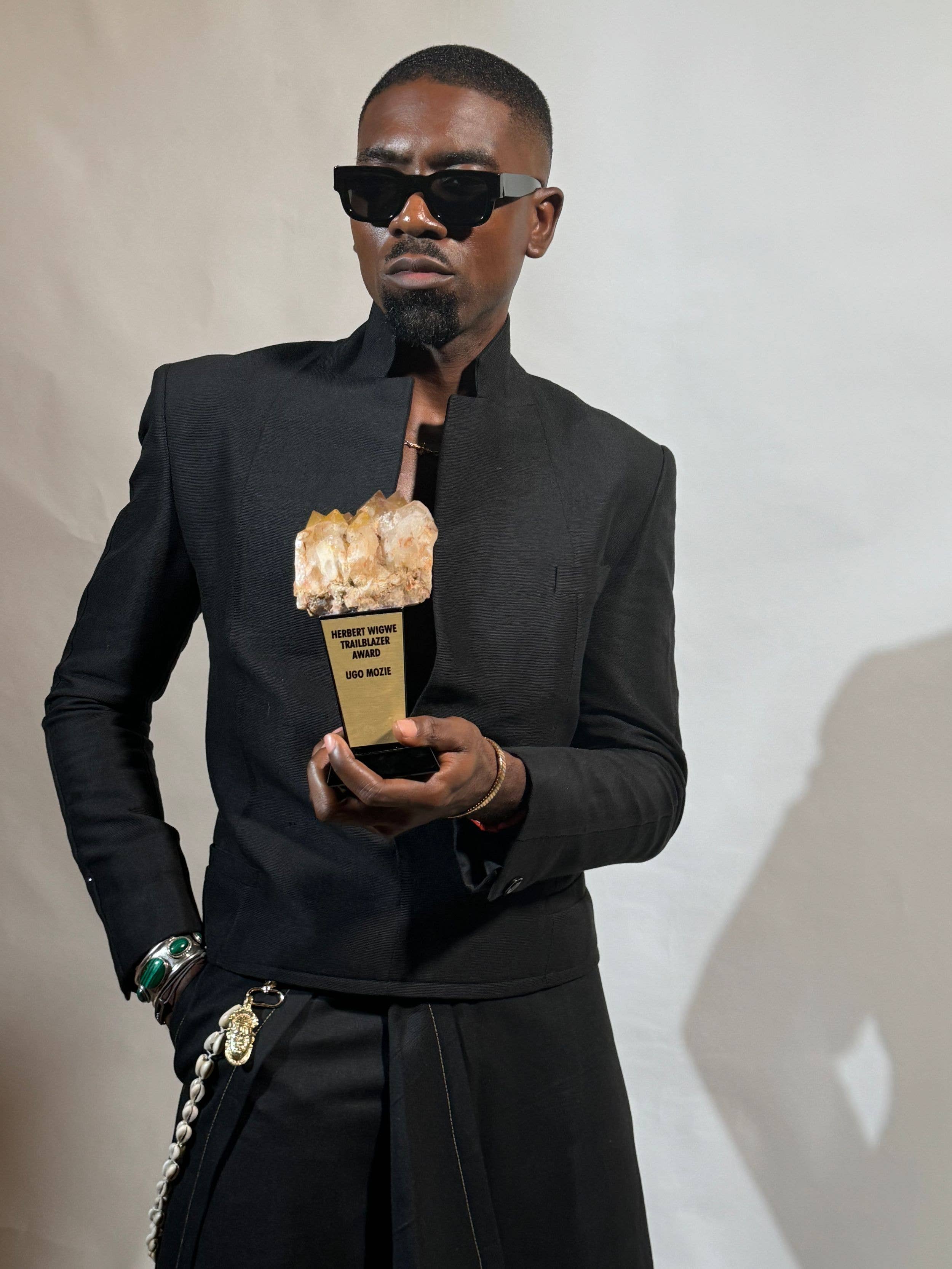 © Courtesy of Ugo Mozie
What and who is currently inspiring you, outside of fashion?
Music inspires me constantly. Especially African music, jazz and soul. Architecture inspires me. Spirituality inspires me. I’m also very inspired by African history right now and studying ancient kingdoms, craftsmanship and symbolism.
People like Fela Kuti, Quincy Jones, Gordon Parks and even great architects and filmmakers inspire the way I think about storytelling and legacy.
Do you have any exciting upcoming projects or ventures you can share with us?
Right now I’m very focused on growing Eleven Sixteen into a true global luxury house rooted in African craftsmanship and textiles. We’re developing new collections, partnerships and larger textile initiatives connected to Nigeria. I’m also excited about expanding into objects, interiors and lifestyle because I see Eleven Sixteen as much bigger than clothing.
What is next for Ugo and Eleven Sixteen?
The next chapter is really about scale and legacy. I want Eleven Sixteen to help redefine how the world sees African luxury. Not just creatively, but industrially and economically too. We’re building something that connects fashion, textiles, culture and storytelling together. My dream is for Eleven Sixteen to become a globally respected African luxury house that opens doors for the next generation.
Your friend Jaafar has just starred in the movie Michael – no small feat, given how monumental his uncle’s legacy remains. What were your thoughts on the movie and Jaafar’s performance?
I met Jaafar through his manager, Hardy Indiigo, about a decade ago, and from the very beginning I watched both of them work tirelessly developing Jaafar’s music, artistry, and overall vision. Right before his personal rollout as an artist was really about to begin, he was cast in Michael, and everything changed.
What people may not fully understand is the level of dedication and sacrifice that went into preparing for a role of this magnitude. I’ve honestly never witnessed someone put in that amount of work, discipline, and emotional commitment for a performance. Jaafar approached it with so much respect, care, and responsibility because he understood how monumental Michael Jackson’s legacy is to the world.
“[Jaafar] understood how monumental Michael Jackson’s legacy is to the world”
Watching the film, I felt like his performance went beyond imitation. There was something deeply spiritual about it. It felt almost anointed…he truly connected to Michael’s energy and humanity in a very rare way. I’m beyond proud of him, not just as a performer, but as a person. To see someone you care about rise to that level through pure hard work is really beautiful.
And personally, I truly believe we’re witnessing an award-winning performance. I would not be surprised at all to see Jaafar in the Oscar conversation for Best Actor.
Read the full article here