




As the saying goes, “good artists copy, great artists steal” – but what happens when the artists being stolen from fight back? From artists spotting their handiwork on the big screen to satirical takes on real-world stars, there’s plenty of inspired takes that play a little too heavy handed with their real-world material.
Read on to find out which famous movie scenes got the studio execs in hot water – including one iconic tattoo and some excessive destruction of property.
 © WireImage via Getty Images
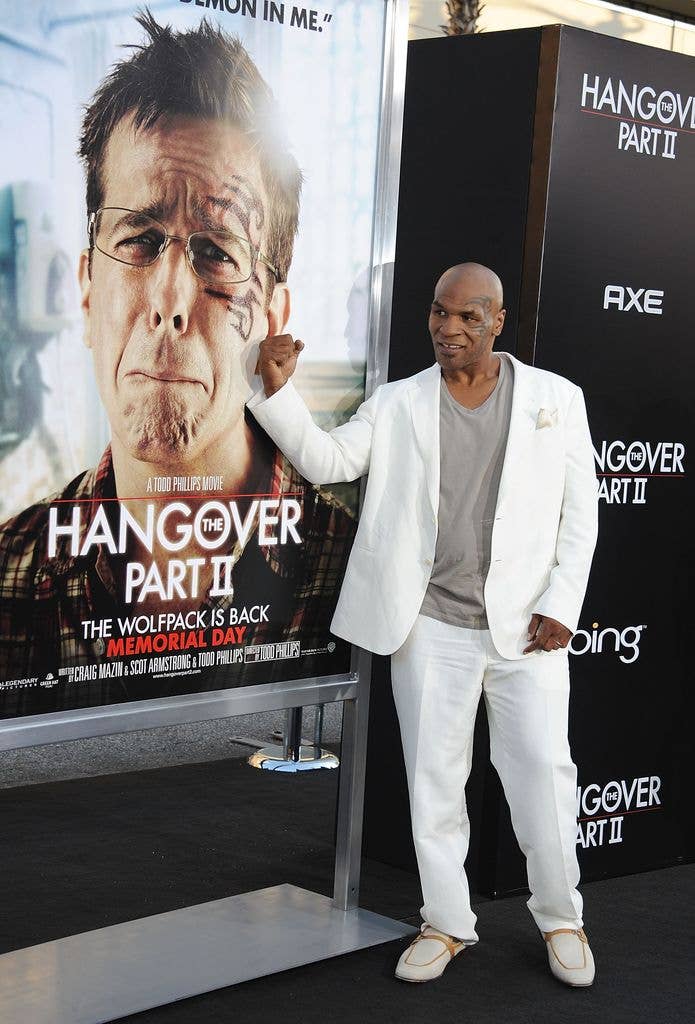
Mike Tyson’s recognisable face tattoo was copied without permission from the tattoo artist
The Hangover Part II, 2011
The Hangover’s sequel takes its cast on an even wilder journey than the original franchise instalment and rule-abiding Stu wakes up to find he’s been inked with Mike Tyson’s recognisable face tattoo.
The artist behind the ink, S. Victor Whitmill, filed a lawsuit for copyright infringement as the film had replicated his design without his knowledge or providing any compensation. The studio quickly settled the issue out of court, avoiding an injunction on the film’s release.
 © Corbis via Getty Images
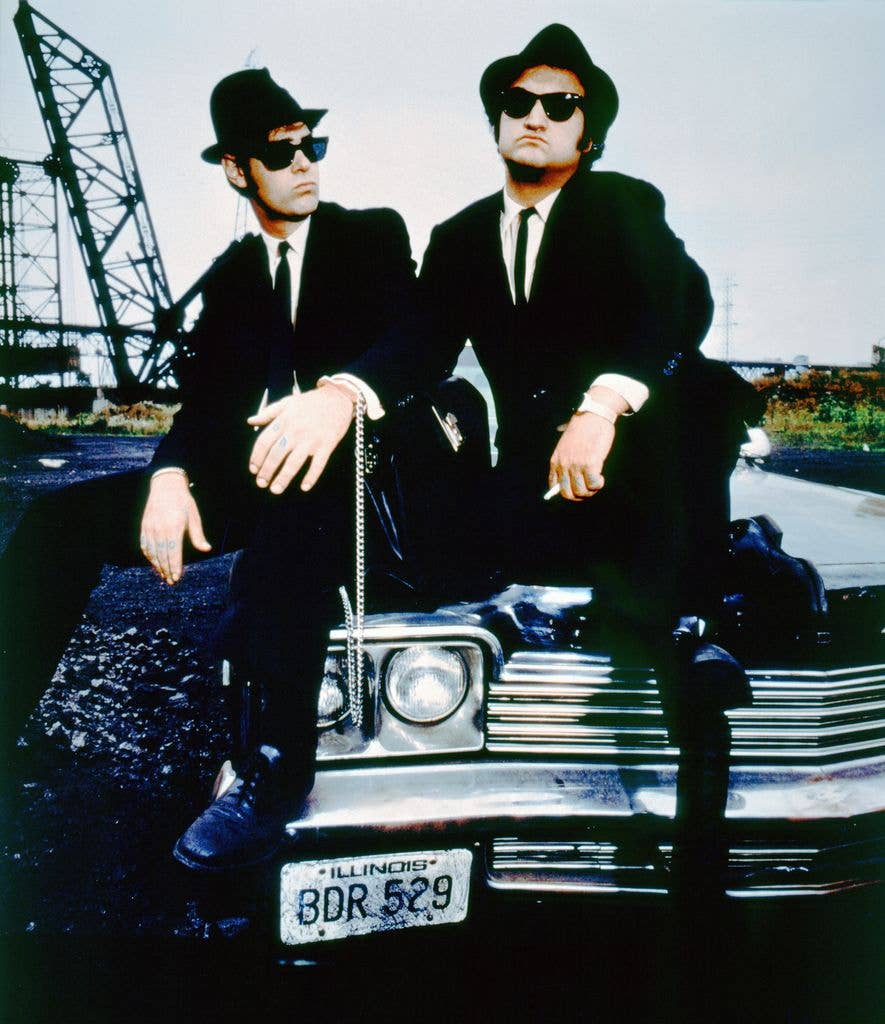
Jake and Elwood cause chaos on their “mission from God” to save their Chicago orphanage
The Blues Brothers, 1980
The musical movie sees brothers Jake and Elwood try to save the Chicago orphanage they were raised in while Jake’s out on parole. As part of their increasingly bizarre exploits, they drive through Dixie Square Mall while fleeing police.
The mall in question opened in 1966 and shortly closed in 1978, before being converted temporarily into a school. While still serving the Harvey-Dixmoor School District, it was rented for the movie which – unsurprisingly – caused a fair bit of damage. The school district sued Universal Pictures, but soon left the site and the mall was demolished in 2012.
 © Getty Images
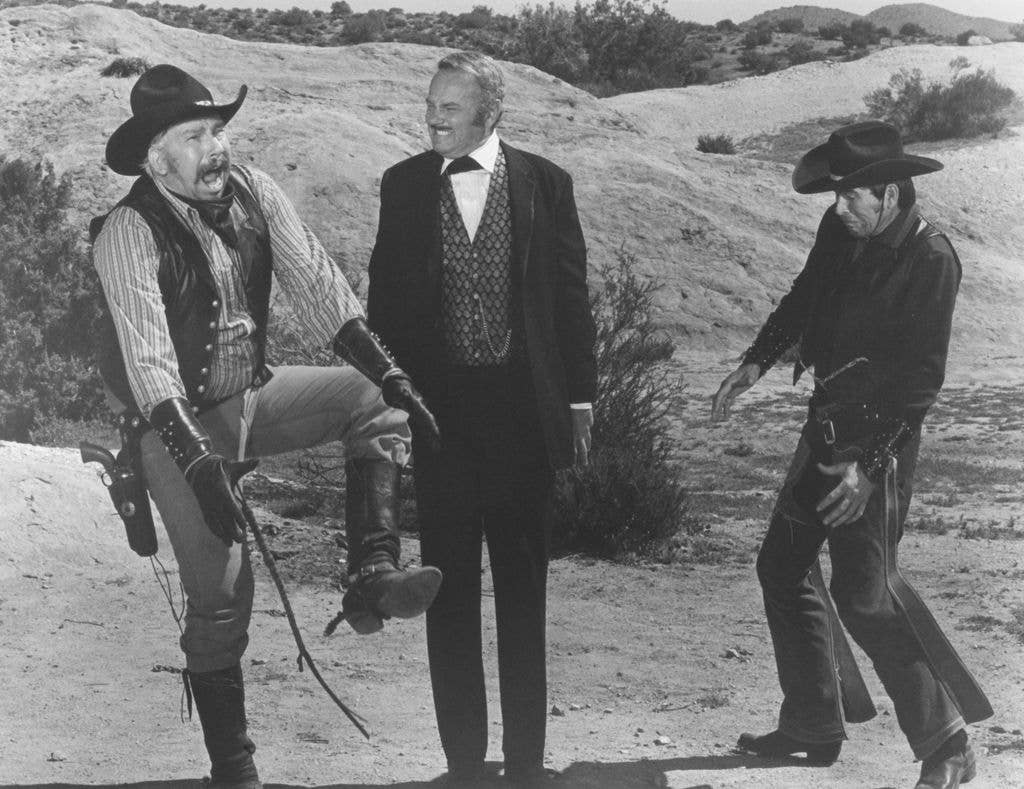
Hedy Lamarr claimed the ‘Blazing Saddles’ running bit was an invasion of privacy
Blazing Saddles, 1974
Mel Brooks’ iconic comedy western Blazing Saddles stars Cleavon Little as the sheriff hired by villainous attorney Hedley Lamarr, the latter a play on ’40s actress Hedy Lamarr.
The actress herself wasn’t thrilled at the film’s running joke and sued Warner Bros for $10 million. Writer, director and actor Mel found it an honour and the studio settled out of court
 © Tribune News Service via Getty Images
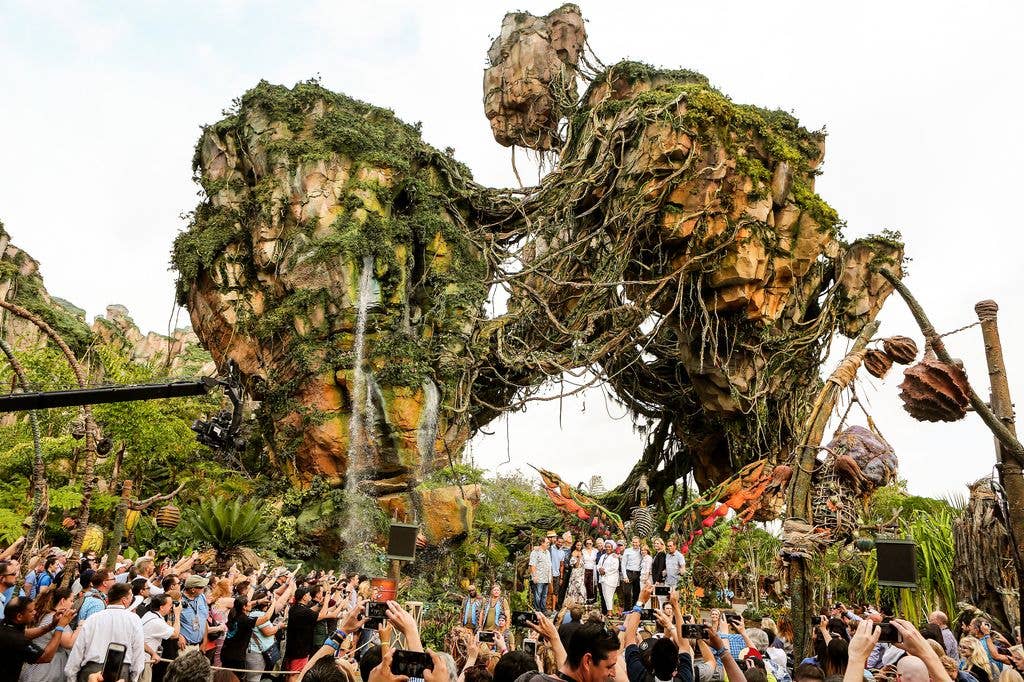
‘Avatar’s fantasy world brought audience imaginations to life – but one audience member claimed the world was a little too familiar
Avatar, 2009
Pandora brought a new definition to a fantasy world on screen but the idea of floating islands was far from an original one. Renowned album artist Roger Dean is well-known for work depicting landscapes that look awfully similar to those in the 2009 epic Avatar.
Roger sued director James Cameron for plagiarism, citing 14 of his artworks and seeking damages of $50 million. The case was ultimately dismissed.
 © Getty Images
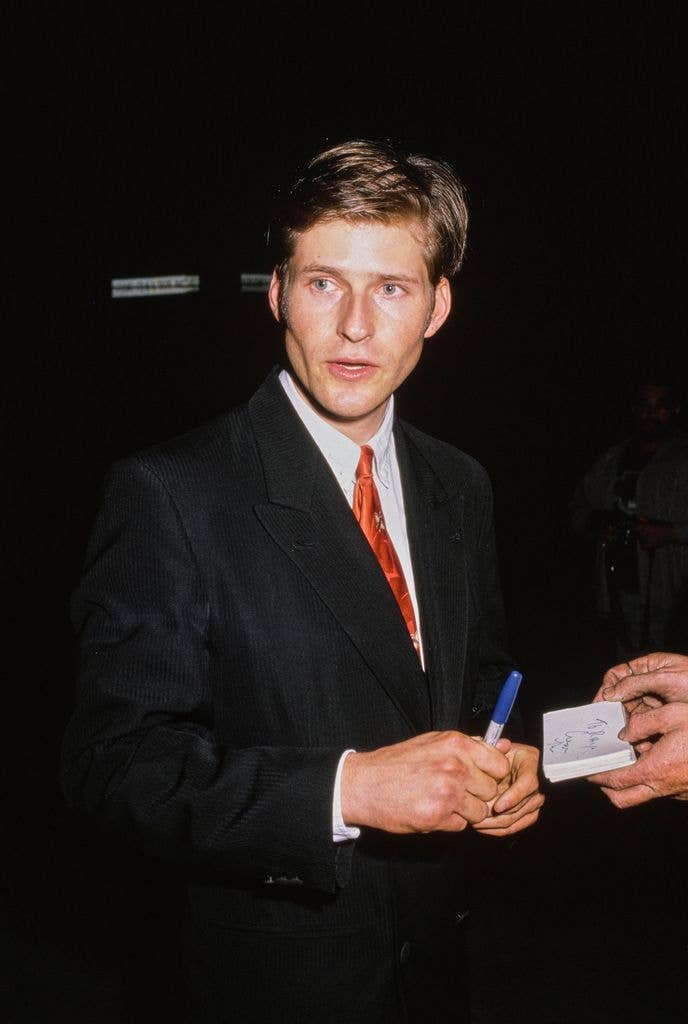
Crispin Glover didn’t return for ‘Back to the Future Part II’ so the studio decided to craft their own (unauthorised) copy of the actor
Back to the Future Part II, 1989
In the first instalment of Back to the Future, Crispin Glover appeared as George McFly and was due to return for the second film. But when he requested a higher fee, the studio rejected the raise and hired Jeffrey Weissman as a replacement.
Using molds of Crispin’s face, they created prosthetics to make Jeffrey look like George McFly from the first film together with some extra footage from Back to the Future. Crispin sued Universal Pictures in a lawsuit which was settled for $760,000 and established SAG rules against unauthorised replications of actor likenesses.
 © FilmMagic via Getty Images
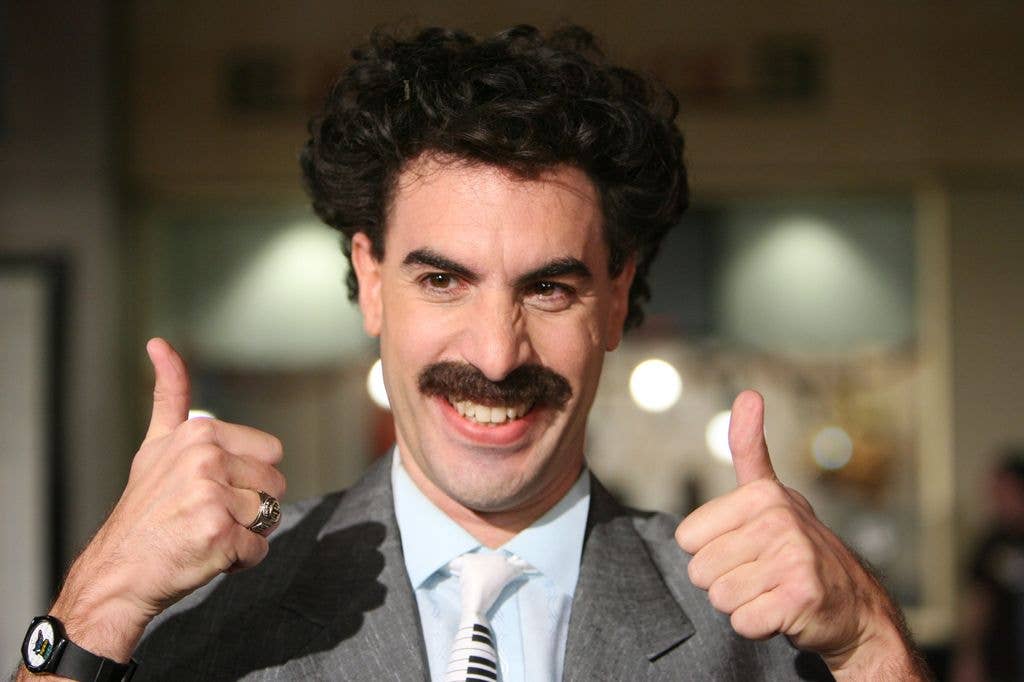
‘Borat’ has faced several lawsuit claims, with most dismissed due to standard release forms
Borat, 2006
Sacha Baron Cohen comedy Borat attracted several lawsuits, with the majority concerning defamation and fraud regarding the movie set out to humiliate its actors for entertainment.
The cases were largely dismissed as many of the ambushed actors had signed release forms. Other cases against the actor include the failed $95 million defamation lawsuit filed by former Alabama Supreme Court Chief Justice Roy Moore over his appearance in Cohen’s 2018 series, Who Is America?
Read the full article here