






From your ability to make small talk to thanking drivers of cars for stopping so you can cross the road, simple daily interactions with others can reveal a lot about your personality type and traits, according to experts.
So, what does it say if you’re the type of person who thanks a bus driver when you get off the bus? And does not saying it make you rude or impolite? To get insight into these split-second interactions and what they might say about you, we caught up with two experts, and they might help you understand yourself better.
The ‘I see you’ moment
According to Chloë Bean, a LMFT Somatic Trauma Therapist, saying thank you to a bus driver isn’t just a sign of being polite, but can have a much deeper meaning. “Thanking the bus driver can be a sign of a person’s awareness of shared humanity and ability to have brief moments of connection rather than just ‘good manners’. It can reflect appreciation or being raised in environments where acknowledging others was modelled as a way of life,” she explains.
Meanwhile, even a simple and quick “thank you” can have a positive impact on both your and the driver’s well-being. “From a nervous system perspective, these small, positive interactions communicate mutual respect and can also create a sense of safety. You are recognising that the other person matters, which means you do too,” Chloë shares.
Gwenhwyfar Dunne-Henry, a psychologist and founder of Performance Psychotherapy, agrees. She explains: “Thanking a bus driver can be a small social ritual that says, ‘I see you.’ In many cases, it reflects social awareness, empathy, and conscientiousness. People who do it are often comfortable with brief human connection, even in a busy public space.”
However, she says that expressing gratitude to the driver does not always come from a place of connection, but can also be for other reasons, such as people pleasing or even as a reflex response. “Some people thank the driver because they genuinely feel connected, and it comes naturally. Others do it because they are highly attuned to how they are perceived. For a people pleaser, that quick ‘thank you’ can be less about warmth and more about tension management. It can be a way to avoid awkwardness, to pre-empt judgment, or to keep the social atmosphere smooth. Polite, yes. Free, not always,” the psychologist says.
“That is why I would be careful about reading character into it. The same behaviour can come from very different inner states. The useful question is not ‘Did you say thank you?’ but ‘Did it feel like a choice, or did it feel like a reflex?'”
What it means if you don’t say ‘thank you’
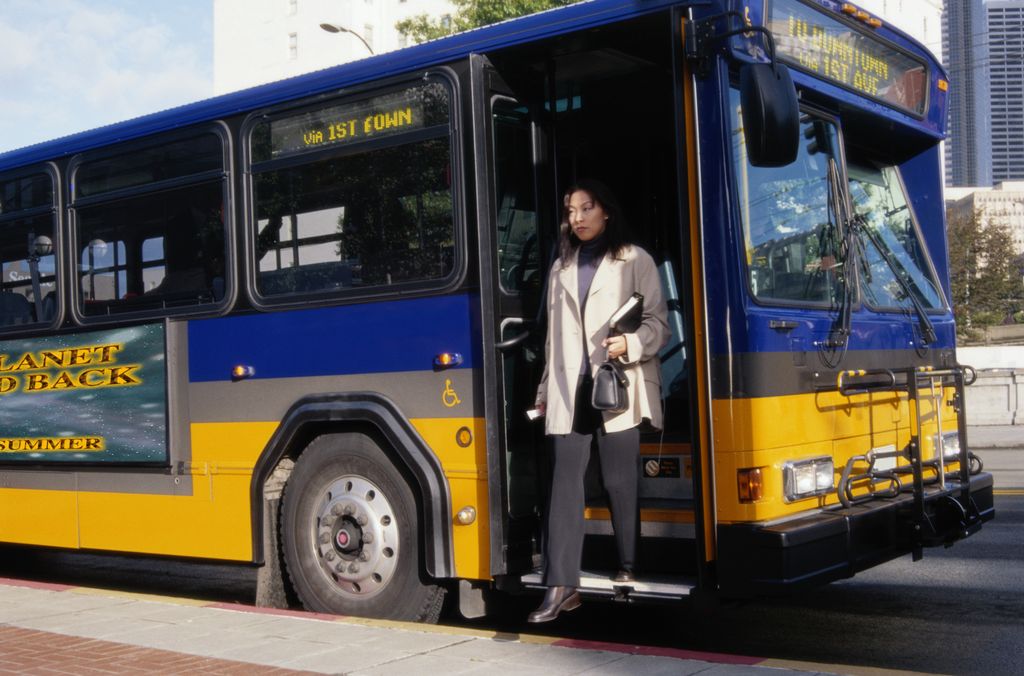 © Getty Images
You don’t need to worry that not always saying ‘thank you’ means you’re rude either. Chloë says that it may say more about your mood, or an indication of how your day is going, rather than of your personality traits. “Not doing this doesn’t necessarily say anything negative about someone’s personality. It’s often more about stress, distraction, cultural norms, or being more internally focused. Many people are moving through the day in a rushed and dysregulated state, prioritising efficiency over connection,” she says.
Psychologist Gwenhwyfar adds: “When the nervous system is overloaded, social gestures are often the first thing to drop. That is not a moral failure, it is bandwidth. In short, thanking the driver can be a sign of social ease, but it can also be a sign of social effort. Personality is not one moment. It is a pattern over time.”
Read the full article here