





What was your mother’s skincare routine when you were growing up? Chances are that it was a simple cleanse-and-moisturise situation, as opposed to the multi-step marathons we gear up for every night.
But looking at her skin now, it’s likely that, despite her minimal routine and seemingly straightforward product choices, her complexion is radiant and clear. So, what gives?
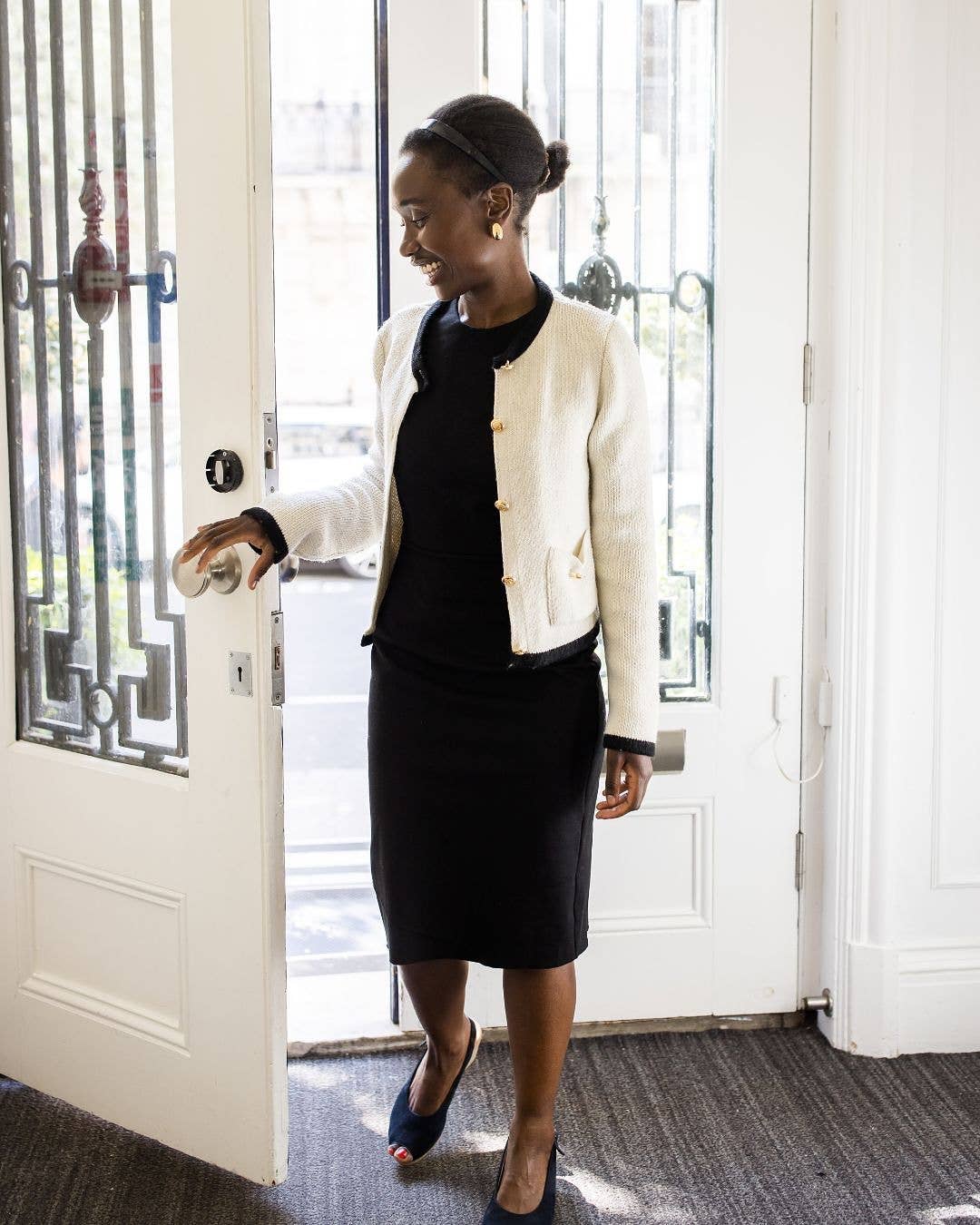
This is a scenario that Dr. Anita Sturnham, a dermatologist and the founder of Decree skincare, knows all about. “My grandmother reached the age of 101 and hardly had a wrinkle, but she used nothing on her face,” she says.
Anita’s mother has equally flawless skin but a similarly low-key routine, and the expert believes that the pared-back approach taken by the women in her family has been key to their healthy skin.
“The older generation had simple routines that protected their skin barrier,” Anita says. “They didn’t overload their skin with active ingredients.”
Dr. Alexis Granite, a consultant dermatologist and the founder of the bodycare brand Joonbyrd, agrees that we’ve broken down barriers – but not in a good way. “Many older women have calmer, more even complexions than younger women, and a big part of that comes down to the skin barrier,” she says.
“Younger skin is frequently exposed to over-cleansing, over-exfoliation and product layering that can compromise the barrier, leading to redness, breakouts and sensitivity.”
Alexis adds that overuse of active ingredients, exfoliating acids or retinoids and harsh cleansers can all weaken the skin barrier further. “Add in UV exposure, pollution, stress, lack of sleep and cold or dry weather, and the skin becomes more prone to moisture loss and inflammation,” she says.
Overwhelmed by choice
The dermatologist Dr. Mary Sommerlad thinks that the problem could be our approach to choosing products. She points out that for previous generations, skincare wasn’t seen as entertainment, as it is now, and ingredients didn’t trend in the way they do on social media.
 © Instagram
Our grandmothers didn’t spot an influencer using a cream and immediately add it to their virtual baskets without a second thought for whether the ingredients were suited to their skin.
“There was less pressure and less noise in the beauty world back then,” says Mary, who works with Garnier. “New skincare didn’t launch at the speed it does now, and people weren’t constantly switching new products in and out.
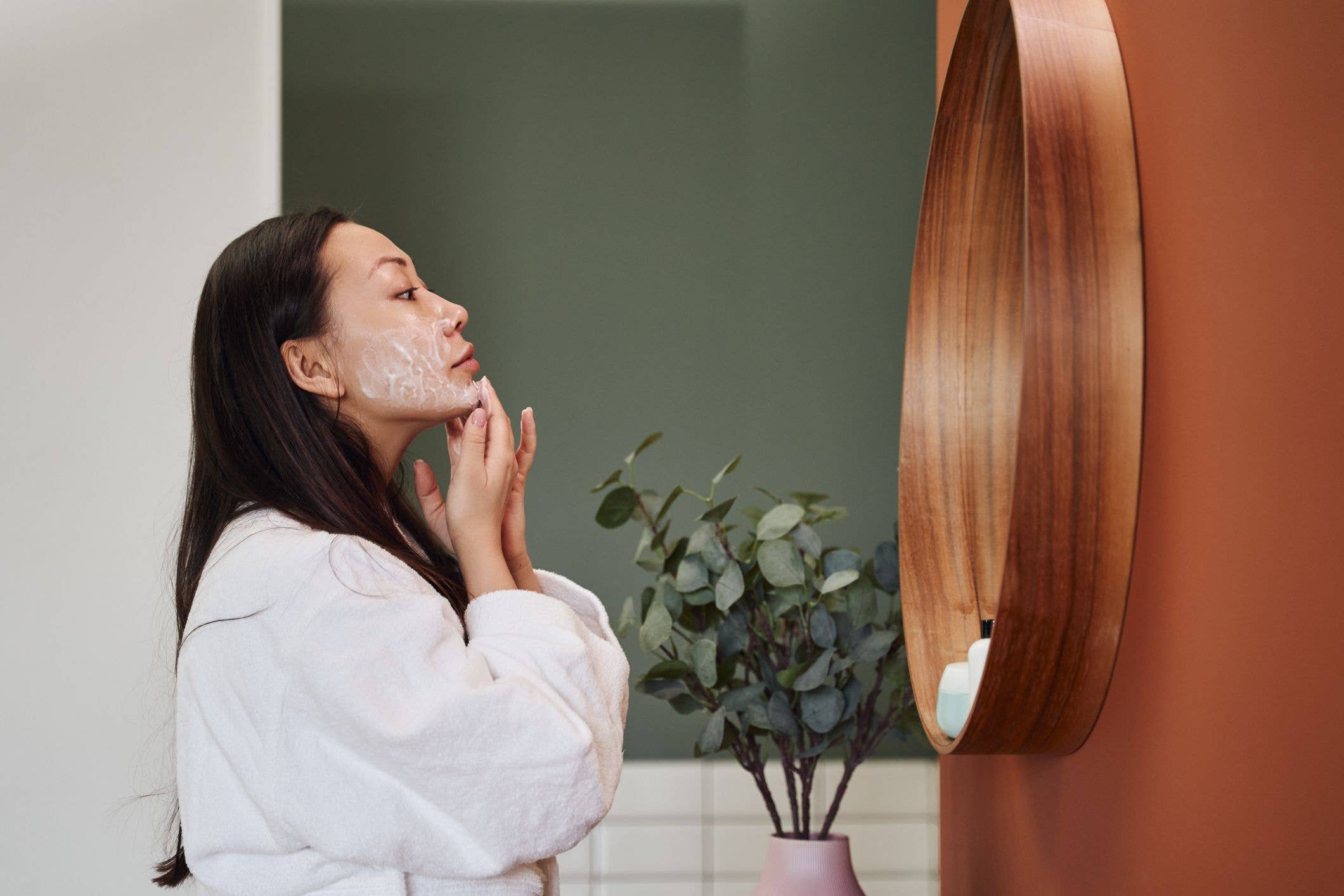
“The older generation tended to use milky lotions, which were gently tissued off. Instead of trying to achieve the perfect skin promised by each new launch, they followed the same simple routine, rather than upsetting their skin barrier with harsh products.”
 © Getty Images
The lifestyles of the older generation could play into their peaches-and-cream complexions, too, Mary says. “Stress has a real impact on how our skin looks, and although our mothers and grandmothers had their own hardships to contend with, their mental state was likely to be more relaxed than ours is now, when we’re bombarded with information and glued to our phones.”
She adds that they are likely to have slept better, without the lure of a bedtime scroll or late-night TV. “Our disturbed sleep shows in our complexions,” she says.
Barrier repair
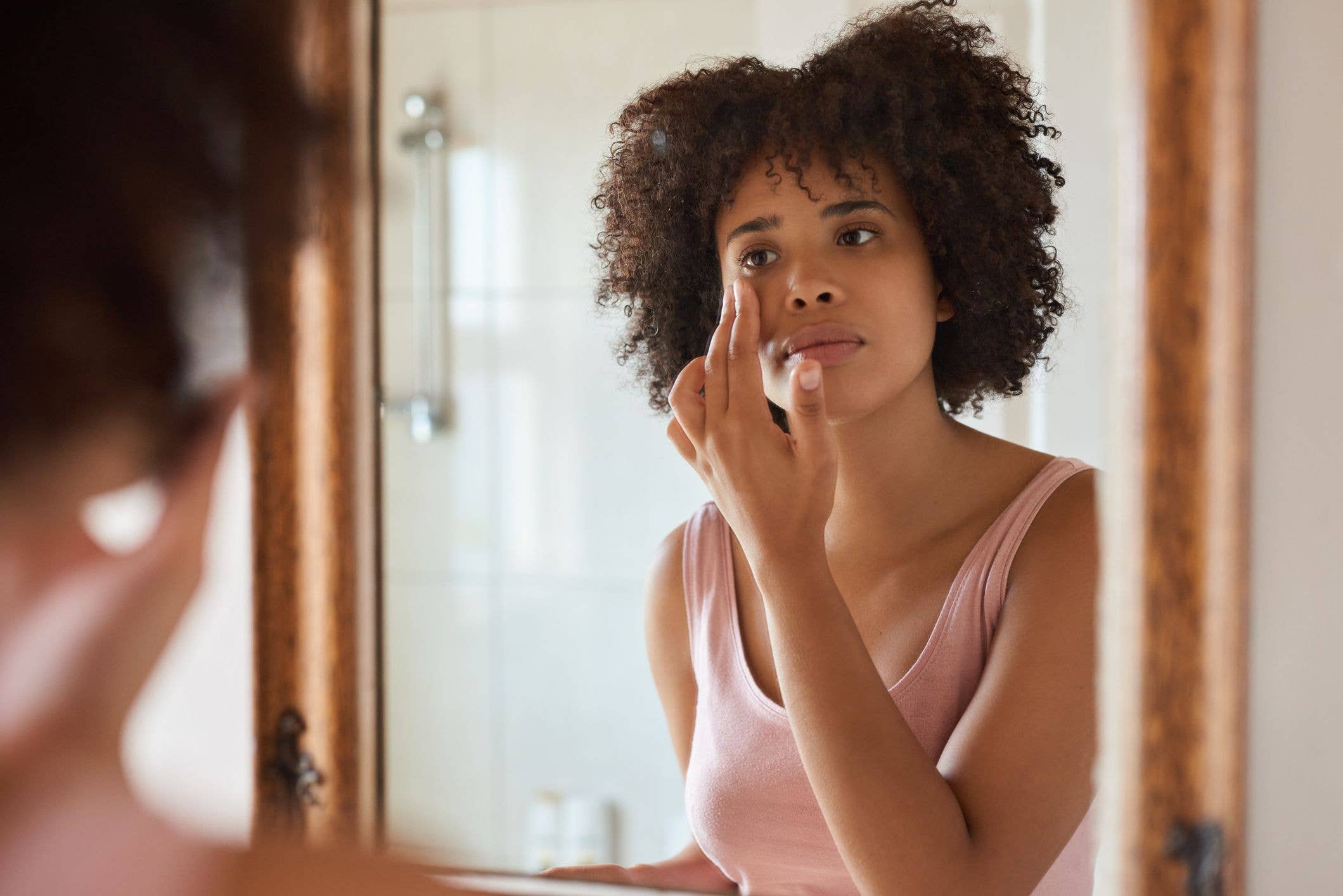
So, what can we do to achieve the glowing complexions with which our mothers and grandmothers are blessed? According to Alexis, it comes down to repairing our skin barrier and following the lead of our matriarchs.
“A simple skincare routine is one of the best ways to protect the barrier,” she says. “Gentle cleansing, consistent moisturising and daily sunscreen go a long way. When the barrier is healthy, skin tolerates actives better, looks more even and feels more comfortable.”
 © Getty Images
To repair a compromised barrier, Alexis recommends ingredients that mimic the skin’s natural lipids, such as ceramides, cholesterol and fatty acids. “Centella asiatica can help to calm inflammation and support recovery,” she says.
“Often, the most effective approach isn’t adding more products, but giving the skin time to rebalance by paring back your routine to the basics and gradually adding actives back in, one at a time.”
Once your skin is feeling back to its best, Alexis recommends looking for ingredients that hydrate and support its natural structure, such as glycerin, hyaluronic acid, squalane, niacinamide and panthenol.
HELLO!’s Beauty Collective shares the routines their mothers follow…
Ateh Jewel’s mother, Daphne Damachi, 79
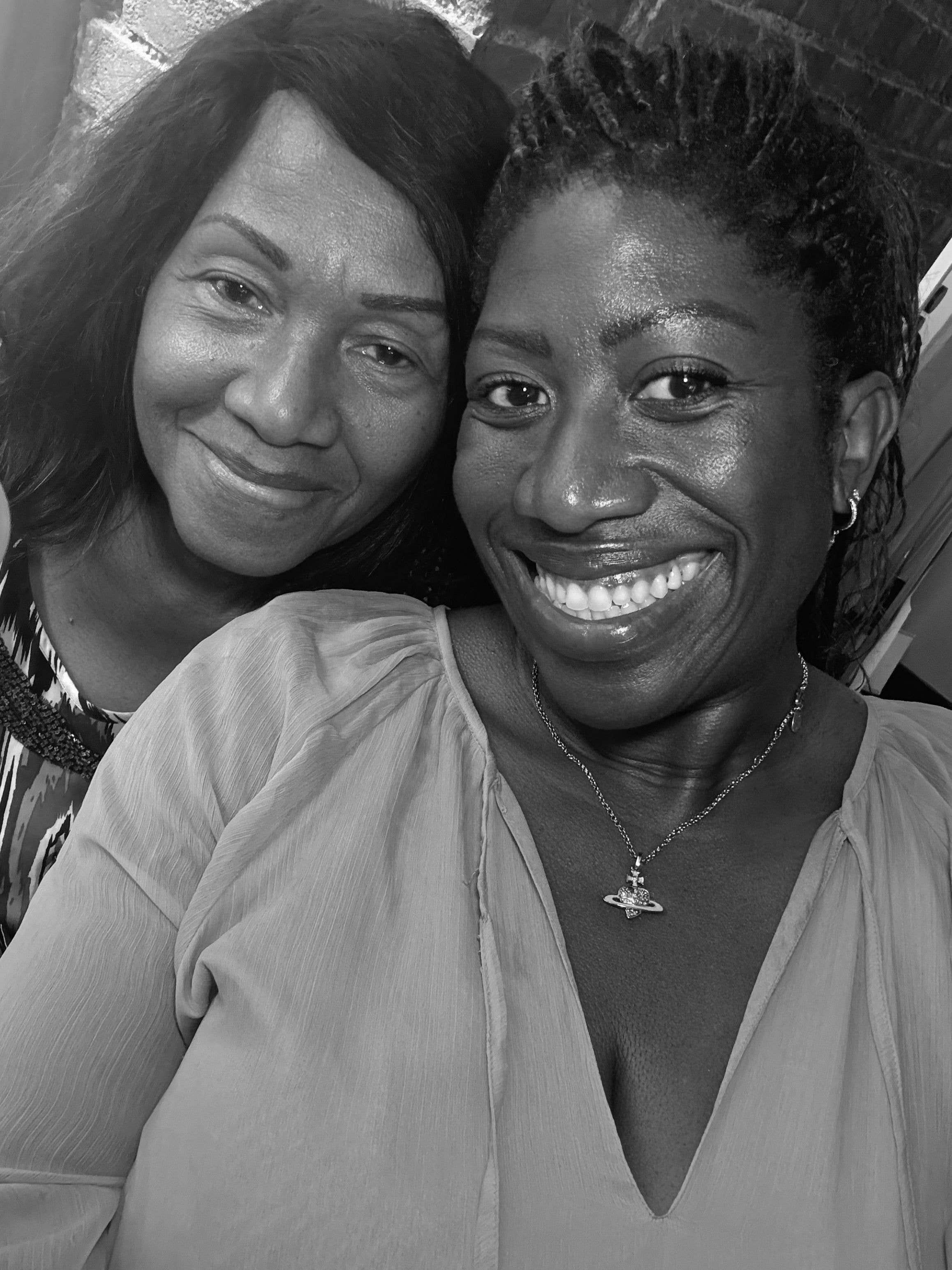
“My mum uses a gel cleanser followed by a moisturiser, as opposed to the serums, oils, masks, sheet masks, eye creams, vitamin C, lactic acid peels, hyaluronic acid and mists I use. She always avoids the sun. She uses an umbrella during the summer and crosses the street to stay in shadow, which was mortifying when I was a teenager, but look who’s laughing now.
“She also has a very positive mindset: that’s as anti-ageing as any cream. Plus, she’s single. Having no one to disturb her peace is why I think she looks amazing!”
Melanie Macleod’s mother, Joanne Macleod, 71
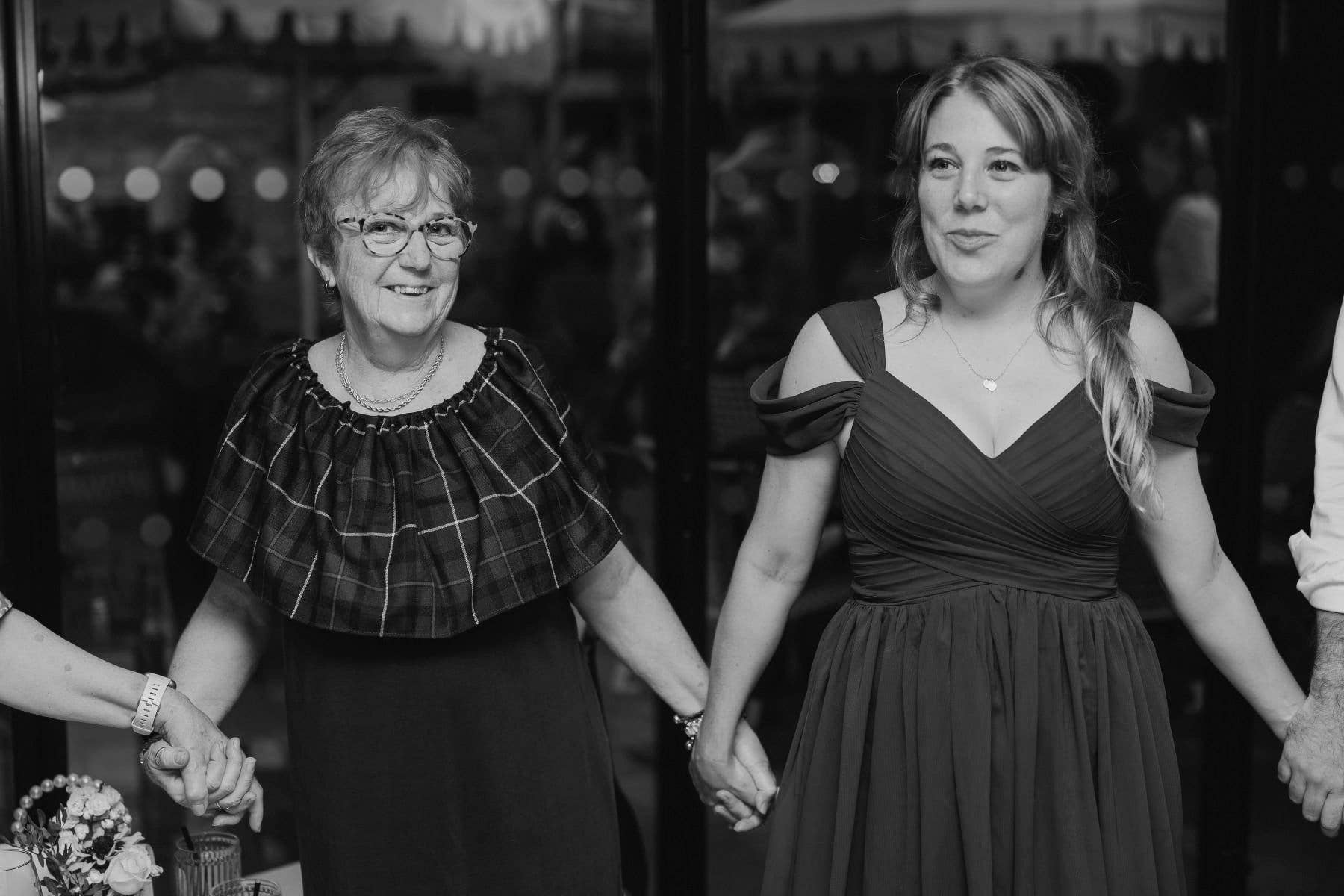
“As a child, I remember Macleod senior exclusively using Olay skincare. Now she has her pick of all the goodies I bring home, but her routine remains simple: just facial cleansing pads – no cleanser – followed by moisturiser. That said, she does follow a strict collagen routine, which I’m sure is partly responsible for her soft skin.”
Sidra Imtiaz’s mother, Robina Imtiaz, 58
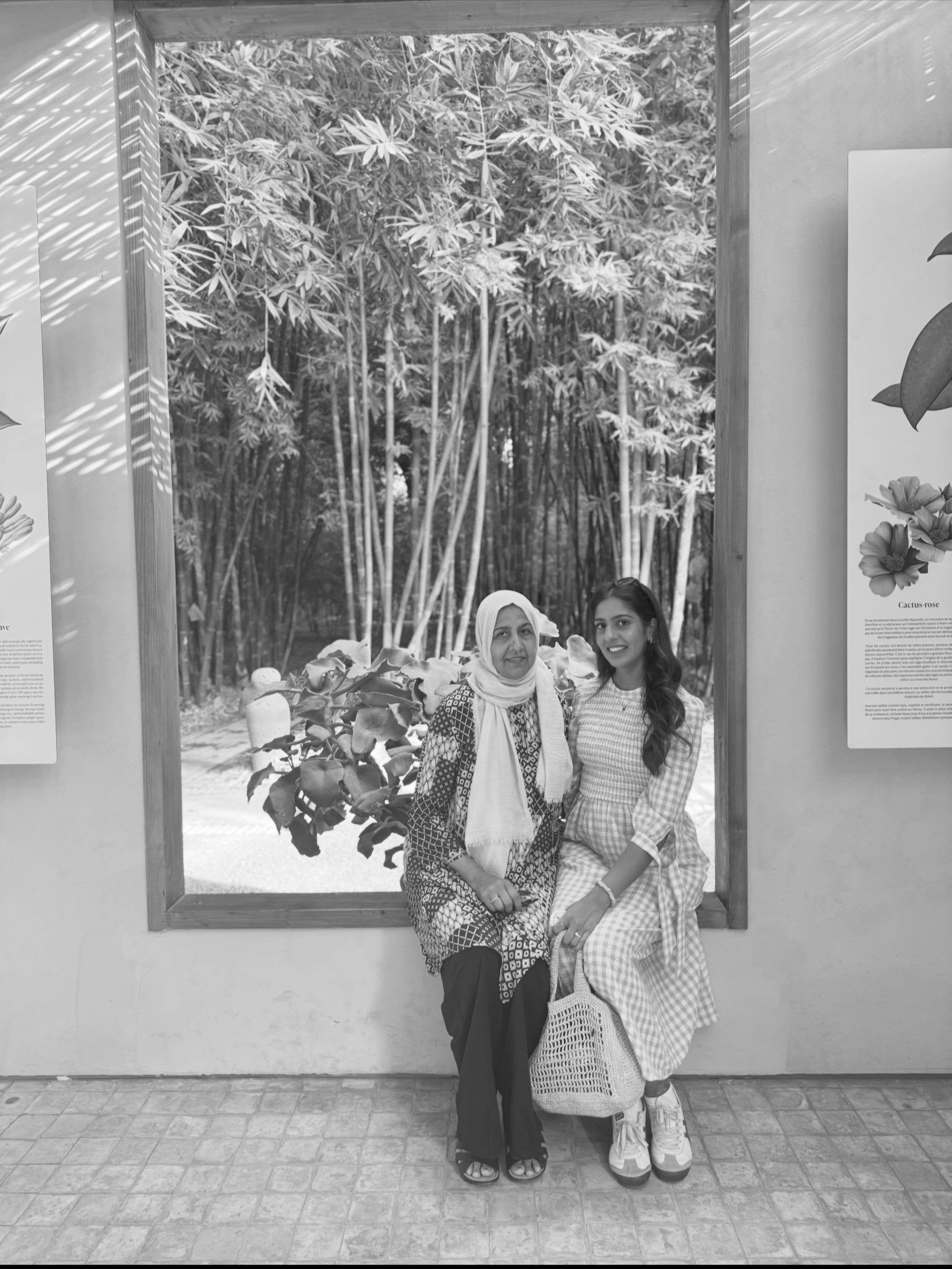
“My mum’s skincare routine has always focused on fewer, better products; face wash and SPF in the morning, face wash and moisturiser in the evening. Her face wash is usually one with a soft scent, while in the evening, she goes for plumping, rich textures that sink in beautifully.”
Read the full article here