






On Monday, February 9, it was confirmed 10 days after her passing that Catherine O’Hara passed away due to a blood clot in her lungs.
Per the Los Angeles County Medical Examiner’s Office on her death certificate, she suffered from a pulmonary embolism, with underlying rectal cancer as the cause. Her prior family statement revealed that she passed away from a “brief illness.”
If you’re wondering what that entails and how to spot the symptoms for yourself, HELLO! sought the advice of Dr. Ning Jin, a medical oncologist with The Ohio State University Comprehensive Cancer Center – James Cancer Hospital and Solove Research Institute.
Here’s all you need to know…
What is a pulmonary embolism?
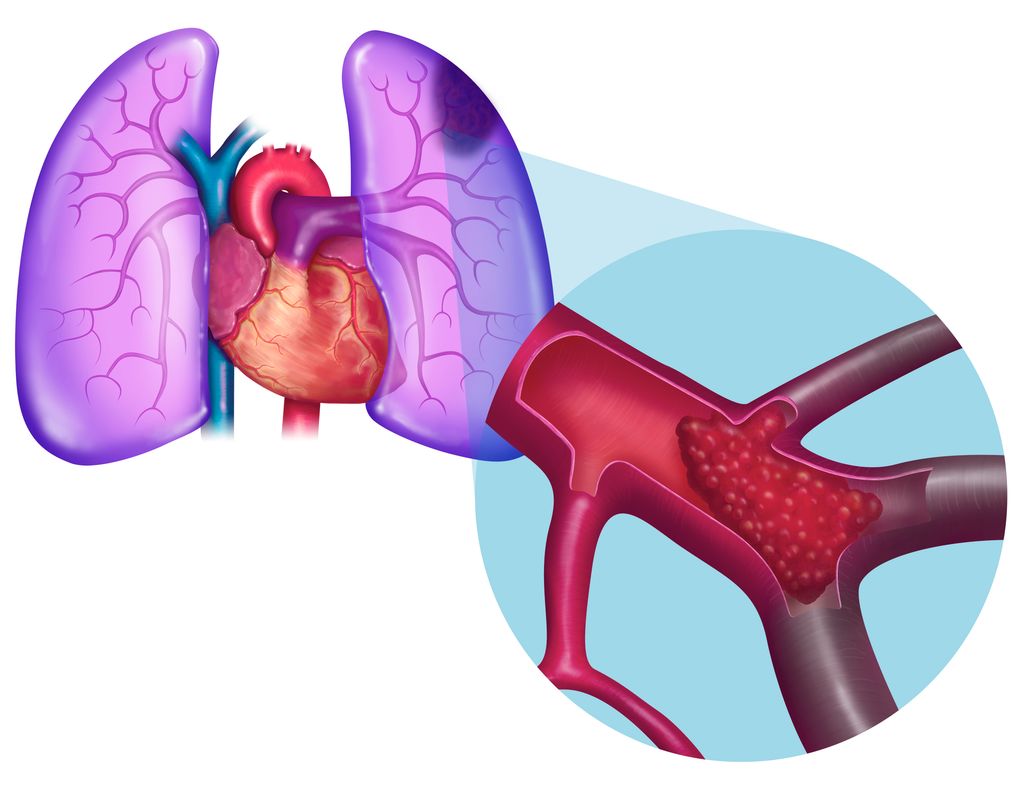
Dr. Jin states that one may occur when “a blood clot (usually starting in the legs, known as Deep Vein Thrombosis or DVT) breaks loose and travels through the bloodstream to the lungs.”
“This creates a blockage in one of the pulmonary arteries. Sometimes, blood clots can actually form directly in the pulmonary arteries rather than traveling there from elsewhere.”
What are the immediate signs to look out for?
Dr. Jin lists sudden shortness of breath, “sharp” chest pain “that may feel like a heart attack,” rapid heart rate, coughing up “blood or blood-streaked mucus,” and lightheadedness as the immediate signs.
What is rectal cancer?
With the underlying cause of Catherine’s death at 71 being a battle with rectal cancer, it’s also important to understand the disease and its symptoms as well. “Rectal cancer is a disease in which malignant (cancer) cells form in the tissues of the rectum — the last several inches of the large intestine,” Dr. Jin notes.
 © Getty Images
She adds: “While it is similar to colon cancer, its treatment often differs due to its location deep within the pelvis.” Common symptoms include a change in bowel habits (diarrhea, constipation), rectal bleeding, abdominal pain or cramping, and unexplained weight loss or fatigue.
How can you prevent and cure rectal cancer?
Regular screening is what Dr. Jin recommends as the best way to prevent rectal cancer. “Most rectal cancers develop from precancerous polyps that can take 10–15 years to become malignant,” citing a colonoscopy as the “gold standard” for both screening and treatment.
 © Getty Images
“Standard guidelines now recommend starting at age 45 for average-risk individuals. Those with a family history or certain genetic syndromes (like Lynch Syndrome) should start much earlier.”
When caught early, aka Stages I-III, rectal cancer is fortunately highly curable. “Because the rectum is located in a tight space in the pelvis, ‘cure’ usually involves a combination of treatments,” such as surgery (TME, or Total Mesorectal Excision), TNT (Total Neoadjuvant Therapy, a modern approach to chemotherapy), and immunotherapy.
 © Getty Images
“For a specific subset of patients (those with ‘MSI-high’ tumors), immunotherapy has shown the potential to achieve complete remission even without surgery,” she adds.
Read the full article here