




The Center for Disease Control and Prevention issued a warning on March 23 to all travelers returning to the US from countries like Cuba, Vietnam and Samoa, due to the rising number of cases of “breakbone fever”, also known as dengue fever.
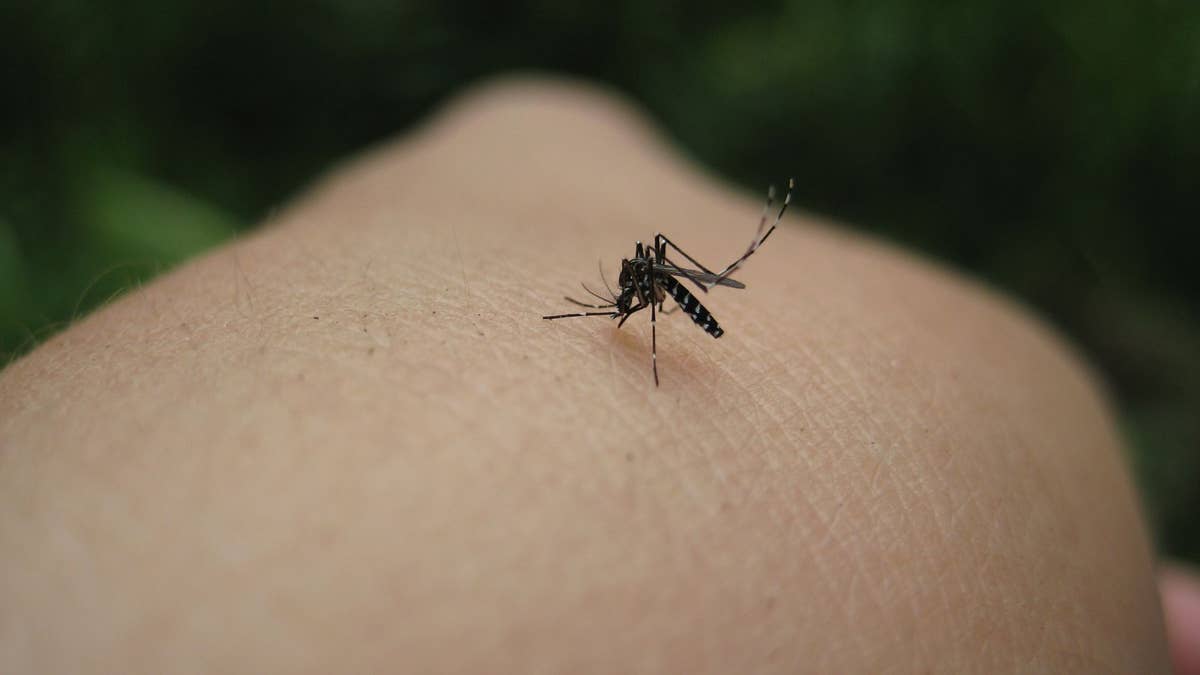
The illness is spread not through person-to-person contact, but through infected Aedes mosquitos from tropical and subtropical regions, with 25% of people bitten reporting symptoms.
The symptoms include fever, nausea, vomiting, a rash, pains in the muscles and joints, and minor bleeding. In severe cases, symptoms can include belly pain, internal bleeding, rapid breathing and persistent vomiting.
The CDC advised that anyone who had symptoms of severe dengue fever should “see a healthcare provider or go to the emergency room immediately,” as “severe dengue is a medical emergency [and] requires immediate medical care.”
The severe form of dengue is called dengue hemorrhagic fever, which can lead to shock and even death.
The agency added that they had “identified a higher-than-expected number of dengue cases among US travelers returning” from countries including Afghanistan, Bangladesh, Bolivia, Colombia, Cook Islands, Cuba, Guyana, Maldives, Mali, Mauritania, New Caledonia, Pakistan, Samoa, Sudan, Timor-Leste, and Vietnam.
 © Getty Images
496 cases in the US had been reported so far in 2026, as per the CDC.
To prevent infection, the agency advised travelers to use “an EPA-registered insect repellent,” wear “long-sleeved shirts and long pants when outdoors”, and sleep “in an air-conditioned room or room with window screens.” It is also best to avoid exposure during peak mosquito activity, particularly after sunrise and before sunset.
 © Getty Images
Dengue fever was virtually eradicated from the US in the ’70s, yet the country experiences outbreaks every two to five years due to infected travelers returning home. Those most at risk of contracting the virus include pregnant women, children under five, and adults over 65. Around 40-80 percent of those who develop the illness do not experience symptoms.
 © Getty Images
Treatments for dengue fever include getting as much rest as possible, taking acetaminophen for pain and fever, and drinking fluids to stay hydrated. Taking aspirin or anti-inflammatory drugs like ibuprofen is not recommended, as these medicines act as an anticoagulant and can make the bleeding worse.
 © Getty Images
It is also advised that patients with the illness avoid mosquito bites upon their arrival home for a week, as dengue can still be found in the blood. Once a person has recovered from dengue fever, they will have immunity to the type of virus they were infected with, but not to the three other types of dengue that exist.
Contracting the illness again can increase the risk of severe symptoms. A dengue fever vaccine does exist in the US for children aged nine to 16 who have previously had the illness and live in areas where it is common. Three doses are required over a period of a year.
Read the full article here