




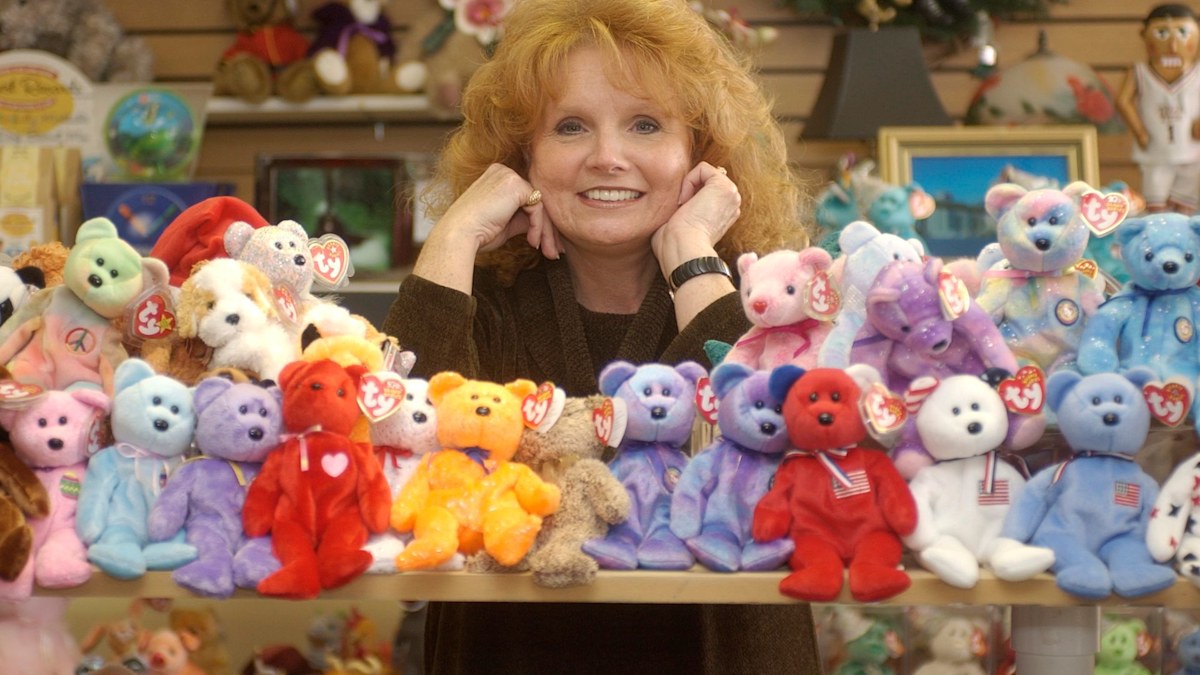

As they say, limitation breeds innovation. In the 90s, it was children’s gradually decreasing attention spans that forced toy connoisseurs to think outside the (jack-in-a-) box. Peter Jenkinson, collector and Toyologist, explains that this shift spurred the industry into action. “The 1990s marked a pivotal point in the toy market with many lauding the demise of the toy with the console wars just getting started,” he says. “Turns out, this threat was the catalyst for some of the best known toys we’ve ever seen to arrive on the scene.”
Troll-topped pencils (mine’s yellow so I’m afraid you’ll have to pick a different colour) and Groovy Chicks notebooks at the ready: we’re going back to the heyday of Nineties invention.
 © Gamma-Rapho via Getty Images
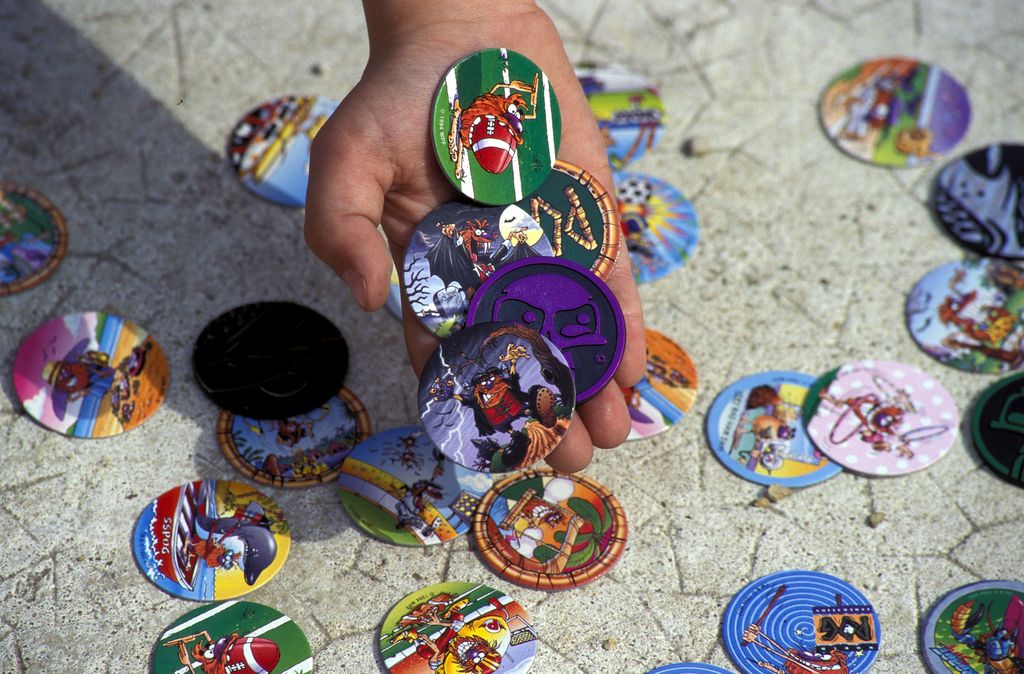
Pogs
As every child knows, the best toys are the ones that end up being banned. Disruptive, colourful and collectable, Pogs were little catalysts of conflict in every 90s playground.
Toyologist Peter explains that these “cheap and highly tradable” toys “led to the inevitable spike in popularity when they were banned in many schools, seen as a form of gambling.” Playing for keeps also led to some grumpy faces on returning to the classroom, particularly for those who might have thrown away a coveted holographic Jurassic Park disk.
 © Tribune News Service via Getty I
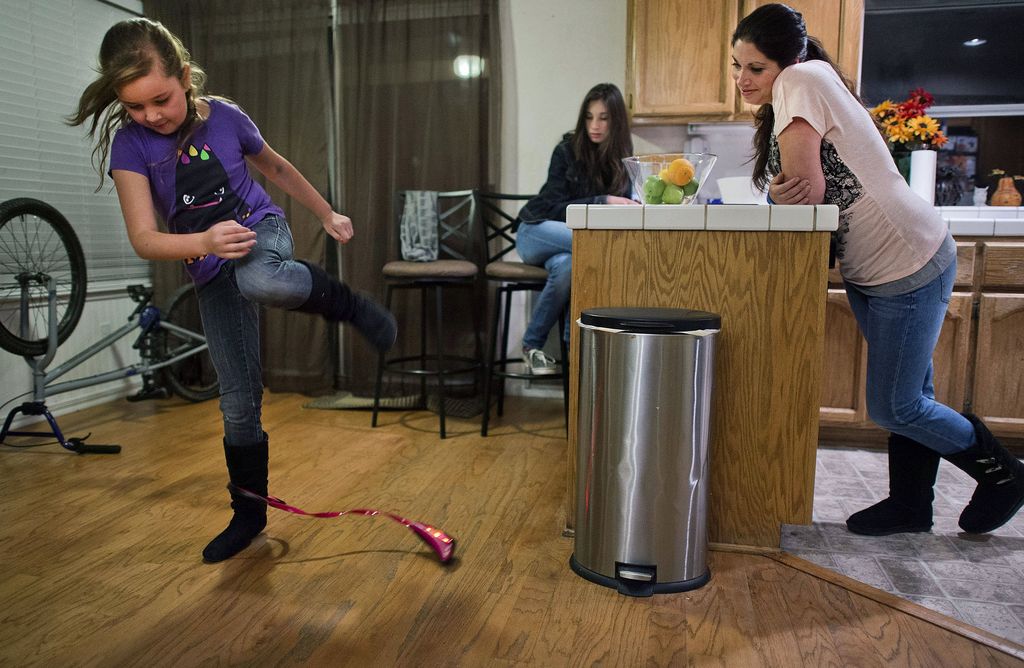
Bop-it? No! Skip-it was designed three decades earlier but became a 90s hit
Skip-it
If you’re a nineties kid with a pedometer, it’s likely that warm, fuzzy feeling you get at 10,000 steps comes from the hit 90s Skip-it. This revamped tech strapped onto your ankle, spinning around while you hopped over with your other foot.
Peter explains that the idea “had been around in rudimentary form since the 1960s but the addition of a digital skip counter saw a huge sales spike.” Adding in a bit of that new-fangled digital appeal transformed the dated toy into one of the decade’s must-have items.
 © PA Images via Getty Images
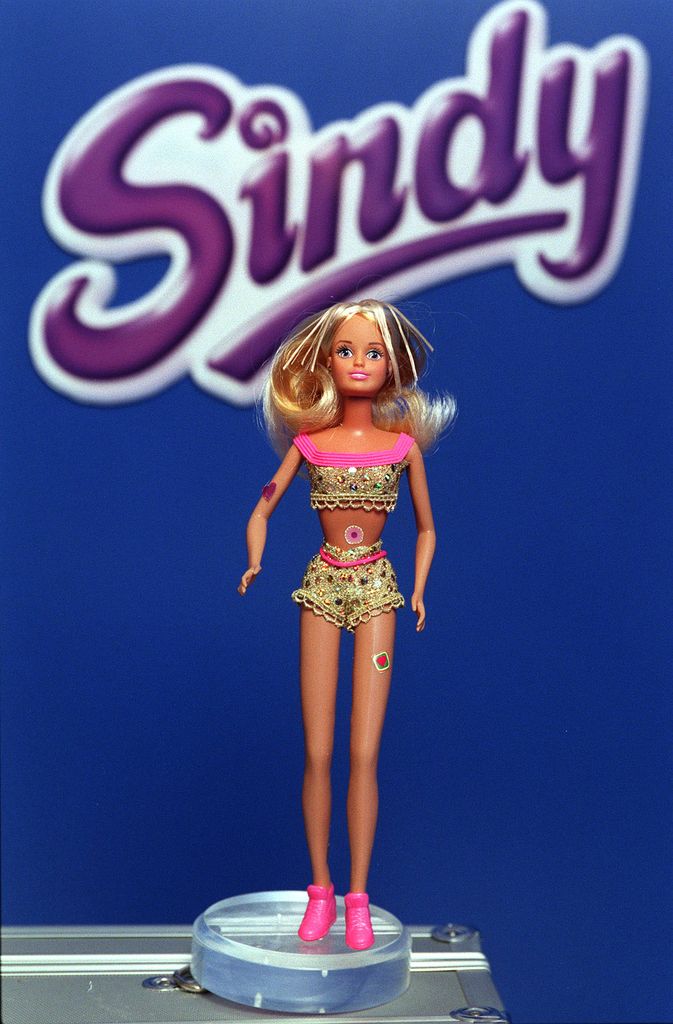
Sindy was the UK’s answer to Barbie, a slightly less glamorous but still multi-talented doll
Sindy doll
Sindy started life as an answer to the US Barbie, with a girl-next-door aesthetic. But like Barbie, she didn’t shy away from dressing up, or collecting a host of fashionable accessories, cars and apartments. She even had her own version of Ken. Sindy reportedly met Paul at a dance and was suitably impressed with his clothes (a red turtleneck and denim jeans) and friendly personality, as well as a shared interest in fashion.
The BBC reported that Sindy was the most popular doll in the UK at her peak in 1985 but eventually disappeared from retailers in 2009, left in the dust of Barbie’s hot pink convertible.
 © AFP via Getty Images
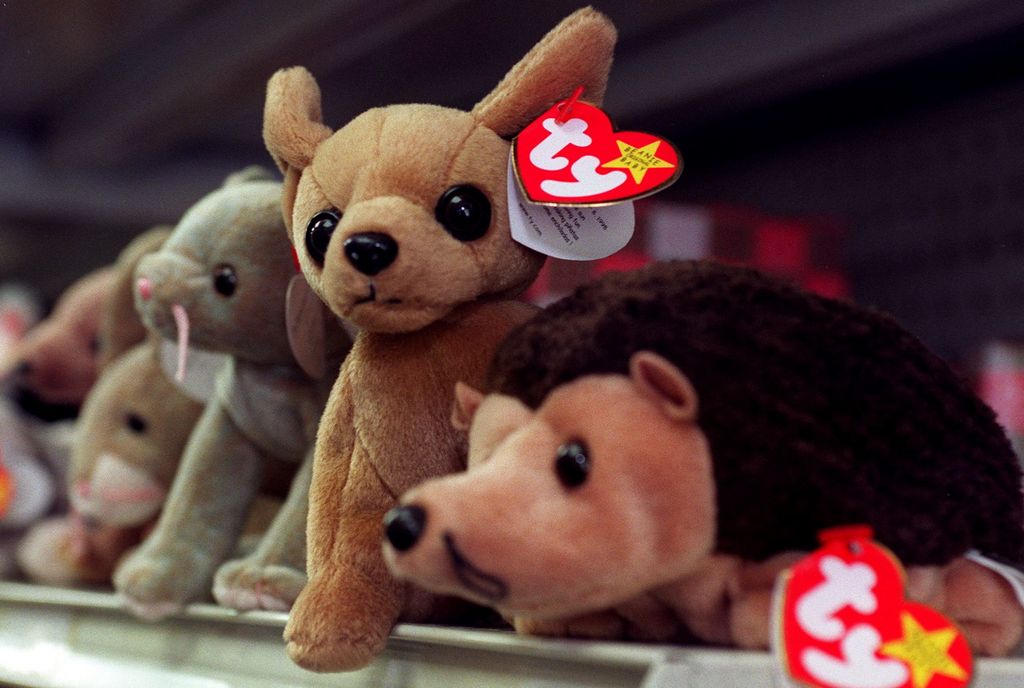
Beanie Babies were small, posable and affordable – the perfect recipe for a globe-trotting trend
Beanie babies
The trend for Labubus and Jellycats might feel like it’s come out of nowhere, but 90s kids had their own stuffed-toy obsession. These small, affordable creatures started out with a run of 9 characters in 1993, including traditional animals like a bear, frog and pig as well as some more unusual choices, like Patti the Platypus and Flash the Orca, which came later.
Our Toyologist says that these “affordable, cute and tactile” toys found staggering fame. “The brand sold millions and collectors couldn’t get enough,” Peter explains. “Attics across the nation creaked under their weight as people became convinced they’d one day be worth much more.” Unfortunately, the amount of Beanie Babies produced meant these investments didn’t pan out but they’re still a beloved symbol of the decade.
 © Sygma via Getty Images
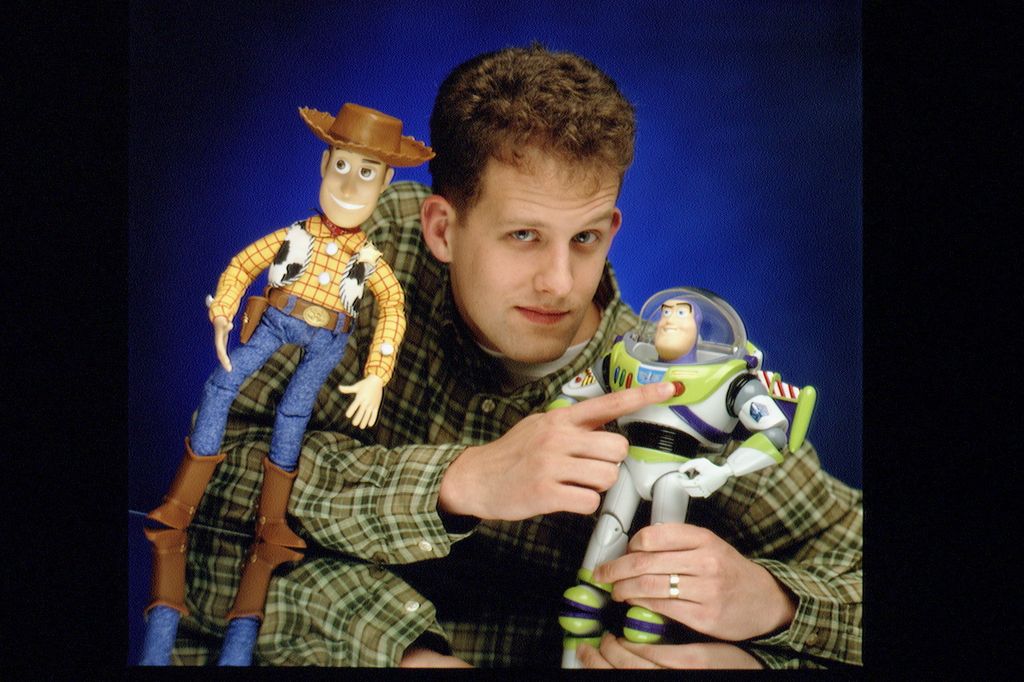
Reach for the sky! And for the attic hatch if you’ve got any Toy Story figurines hidden away
Toy Story
To infinity and beyond! Our favourite childhood films often give way to the personal memories made with toys inspired by the screen. Don’t cover your eyes, 90s children, when I tell you it’s been over 30 years since the first Toy Story came out. Long before Forky, there was Buzz and Woody, the reluctant duo at the heart of Disney’s story about two toys that fight for their owner’s favour.
It wasn’t just dolls: the characters took over kids’ rooms in a big way. “Anything Toy Story related did well,” Peter explains, “from colouring in books to stickers, bed sheets to jigsaws. But the heroes were the two characters, each in doll like form. Find one in its box gathering dust and you’re in for a bonanza.”
 © PA Images via Getty Images
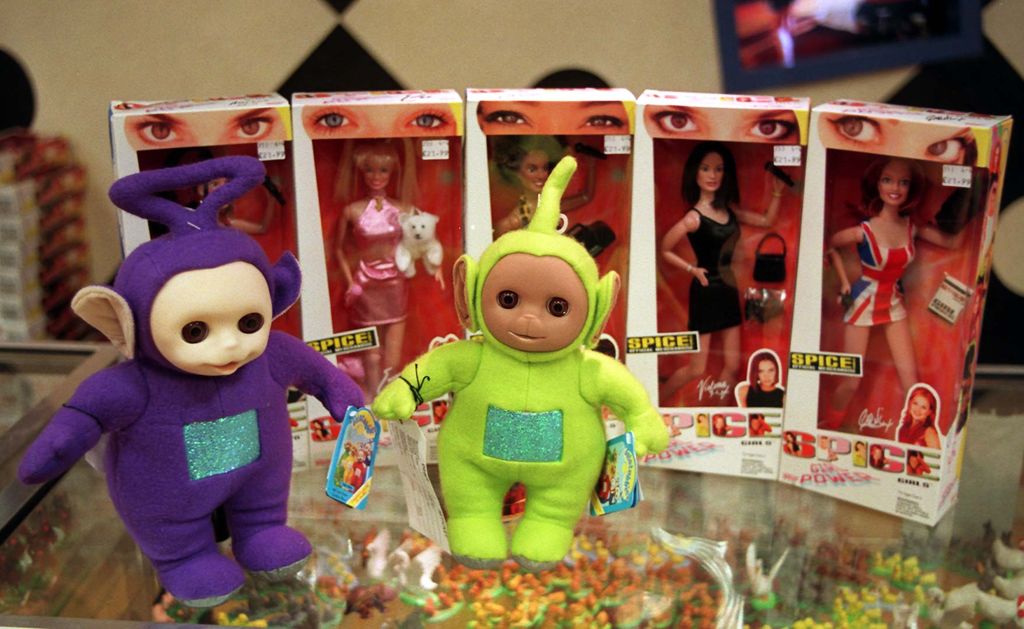
British icons Teletubbies were up against the Spice Girls dolls in competition for a space in 90s kids’ stockings
Teletubbies
Tinky-Winky, Dipsy, Laa-Laa and Po. There aren’t many four-member groupings that match up to these (slightly bizarre) tubby-custard eating creatures. Each with their own special antennae, the Teletubbies play and chat amongst themselves each day, waking to the bright light of the Sun Baby.
For 90s kids, these colourful mascots were one of the must-have toys, from character dolls to a push-along Noo-Noo and musical TV sets. Over the hills and far away, Teletubbies come to play, and children of the Nineties couldn’t get enough.
Read the full article here