





There are so many dilemmas when it comes to exercise: quantity versus quality, volume versus intensity, high impact vs low impact. But when we factor in ageing well and maintaining beautiful, radiant skin is added in as a factor, the choices suddenly become clearer.
If you want your skin to look great, don’t worry about clocking up more hours in the gym. There’s a way to efficiently do what’s necessary for your body – and it doesn’t involve excessive exercise, which can actually do more damage than good.
The next question, of course, is how? Join us in delving into this anti-ageing topic with three experts: a doctor, a personal trainer and longevity specialist. Here’s what they have to say…
How excessive workouts and stress cause cellular ageing
One of the biggest mistakes people make when it comes to working out is thinking that more activity always guarantees more benefits. However, poorly structured workouts with too much exercise or moves that are not well planned can lead to unnecessary wear and tear on your body (including your skin).
This increases the risk of injury and results in chronic fatigue, which is counterproductive in the long term.
“The ideal approach is to create a structured, optimised exercise plan that stimulates key biological markers (or indicators) associated with living a long and healthy life – but without placing undue stress on the body,” explains longevity expert Gonzalo Ruíz Utrilla. “What truly makes a difference [with exercise] is the type of physical challenge the body receives and how it adapts to it.”
If we overdo exercise past a certain age, we combine the stress of sport with a high allostatic load. The allostatic load is the wear and tear the body experiences as it responds to demands – not just physical, such as exercise, but also life stress. When these loads become too heavy, they can over-activate your sympathetic nervous system.
“This excessive activation triggers chronic stress,” says the expert. “This stress not only impairs your body’s ability to repair itself but also decreases your metabolism’s flexibility, promotes continuous systemic inflammation and causes cells to age more quickly.”
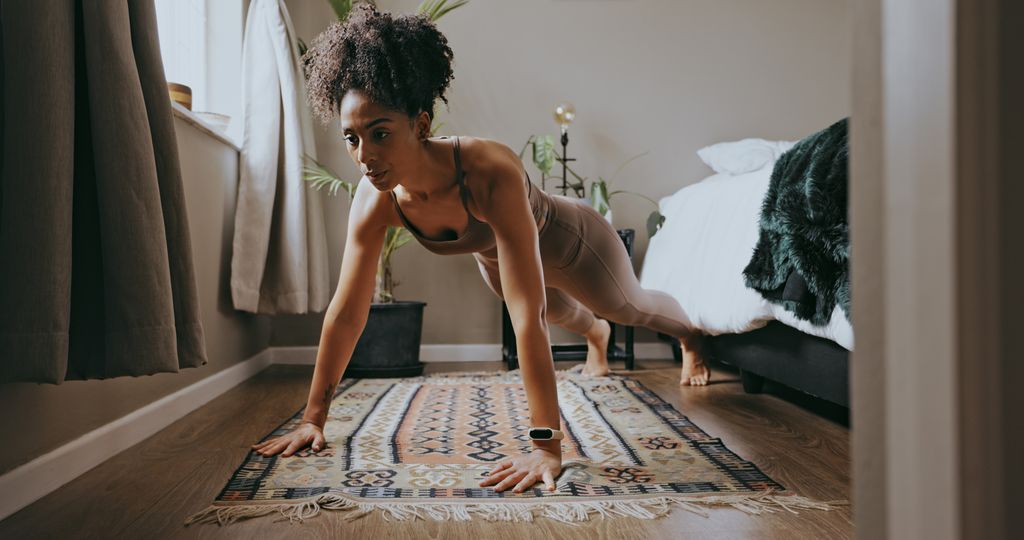 © Getty Images
The skin benefits: How moderate exercise boosts collagen and oxygen
How does working out affect blood circulation and tissue oxygenation, and what specific benefits does moderate exercise offer as far as skincare?
Dr Sofía Ruiz del Cueto, co-director of Madrid’s Mira+Cueto aesthetic clinic, states that, “When you boost blood circulation, the skin receives a greater supply of essential oxygen and vital nutrients.
“This process allows the skin to renew itself by forming necessary collagen and elastin, and repairing damaged cells while also boosting hydration. It’s also effective at speeding up the removal of waste and toxins, which stops the kind of inflammatory reactions that cause premature ageing.”
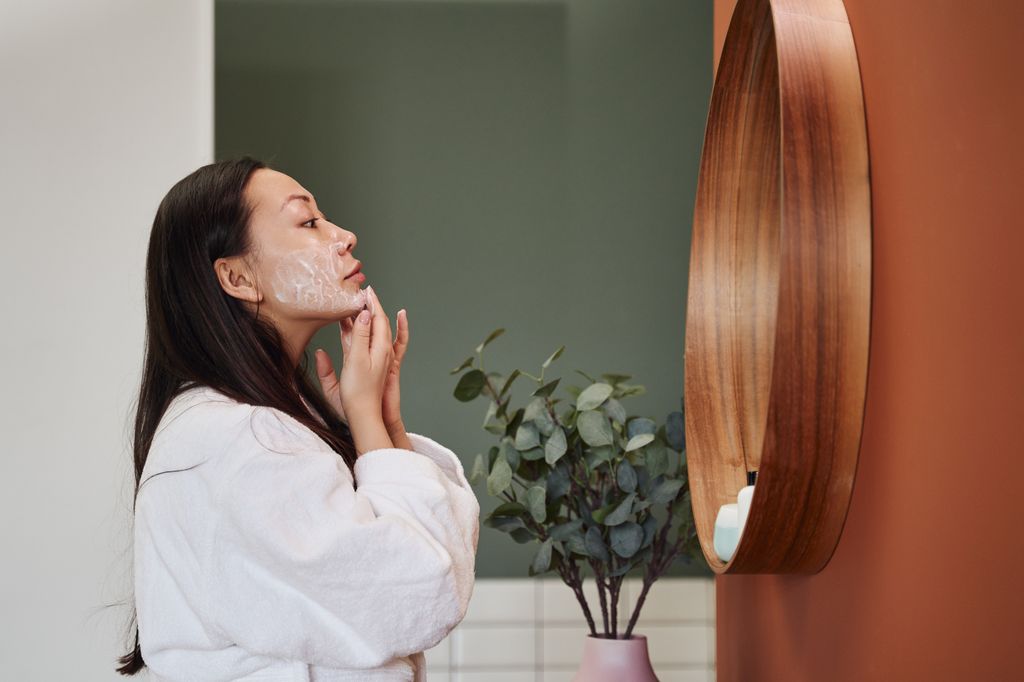 © Getty Images
According to the doctor, “Exercise also modulates cortisol levels (a hormone related to stress), which helps prevent premature ageing.”
She advises moderate cardiovascular exercise around three to five days a week, accompanied by a sensible diet rich in protein and antioxidants, as well as adequate hydration.
Is too much exercise making your skin look older?
You may be wondering if there are certain types of exercise that should be avoided because of the potential negative impact on your skin’s appearance. “You should avoid overdoing your workouts, because too much exercise speeds up cell damage (oxidation) and increases inflammation in the body,” says the doctor.
The expert also has one big “Do” and a big “Don’t”:
- Do stay hydrated before, during, and after exercise – it will keep your skin from being dehydrated, too.
- Don’t exercise during peak UV exposure hours or in high temperatures.
 © Getty Images
Impact training vs. strength training: Which is better for longevity after 50?
You may have also heard the notion that impact training accelerates ageing. According to CrossFit expert and personal trainer Jesús Valor, it’s crucial to understand precisely what “impact training” means, especially after the age of 50.
“By impact training, we don’t mean those group classes where jumping is the main feature of the workout, but rather exercises that make the bones, tendons and joints truly feel that they’re being engaged,” the expert says. “This is best achieved through strength training, which is highly recommended over 50 because, particularly for women experiencing menopause and a subsequent drop in oestrogen, they need to focus on it more than ever.”
 © Getty Images
Muscle is an endocrine organ that sends internal messages. For this reason, he believes, impact workouts (adapted to individual needs) are beneficial in every sense. “There is no scientific evidence that impact training, in moderation, accelerates skin ageing,” says Valor.
He advises that as time progresses, the body’s adaptation to stimulus and recovery naturally slow down, so the quality of your workout is paramount during midlife.
Strength exercises are the most highly recommended for delaying ageing, including for your skin. We’re not talking about lifting huge amounts of weight, but about properly moving your body – it’s a win-win.
Read the full article here