




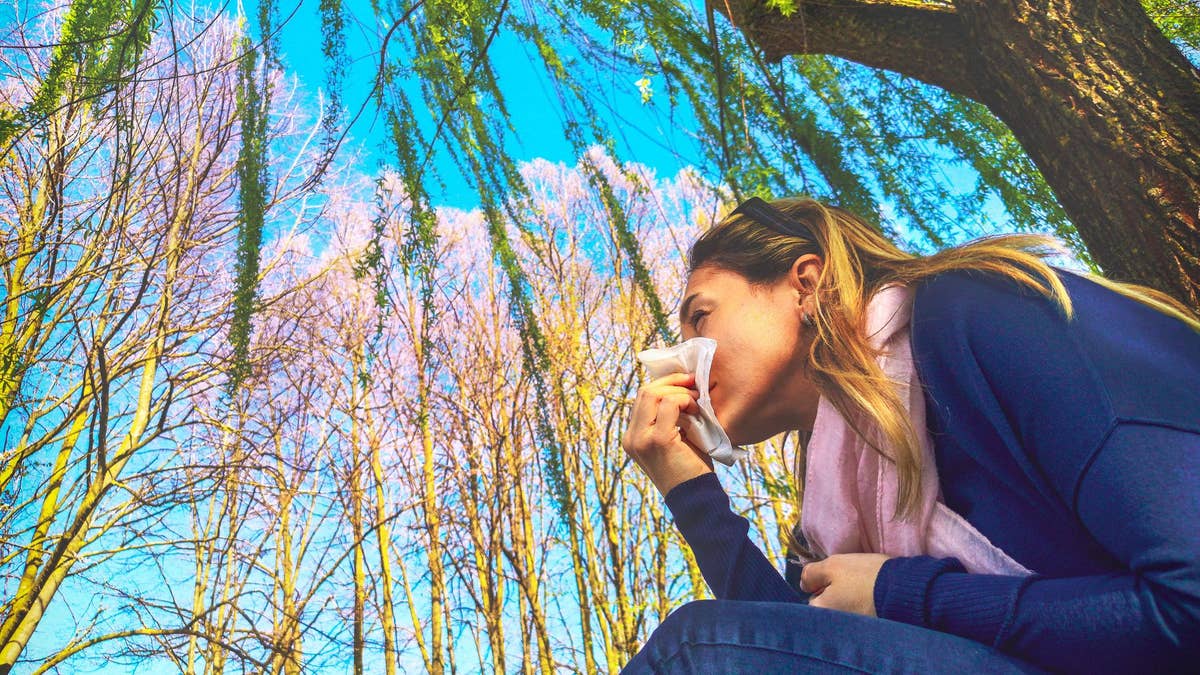

Hay fever affects around 16 million people in the UK, while research suggests that as many as 49 per cent of us may experience symptoms.
If you’ve tried everything from natural remedies to over-the-counter medication in a bid to overcome uncomfortable symptoms of hay fever, such as sneezing and itchy eyes, to no avail, you may want to consider your diet.
Food and hay fever aren’t often associated together, but according to registered dietician Allison Bowers, there are some particular foods that can promote inflammation and immune system dysregulation, which can exacerbate allergies like hay fever.
“All of these can trigger the defence mechanism in the immune system and prime the body for allergic reactions,” Allison explains, who recommends eating an anti-inflammatory diet. “A Mediterranean-style dietary pattern has long been supported in protecting the immune system and generally includes the consumption of vegetables with emphasis on leafy greens, fruits, whole cereal grains, and foods rich in anti-inflammatory omega 3 fatty acids such as salmon, olive oil, nuts and seeds.”
1. Foods high in saturated fatty acids (fried foods, full-fat dairy, red meats such as beef, pork, and lamb)
As so much of the immune system is located within the gut, supporting a healthy microbiome should be a priority, as Allison explains: “Saturated fat can have a negative impact on the gut by reducing microbiome diversity.
“The gut thrives on a variety of microbiota, so instead choose lean sources of protein or sources rich in Omega-3 fatty acids such as skinless poultry, fatty fish, nuts, and seeds, which increase the diversity and function of the gut.”
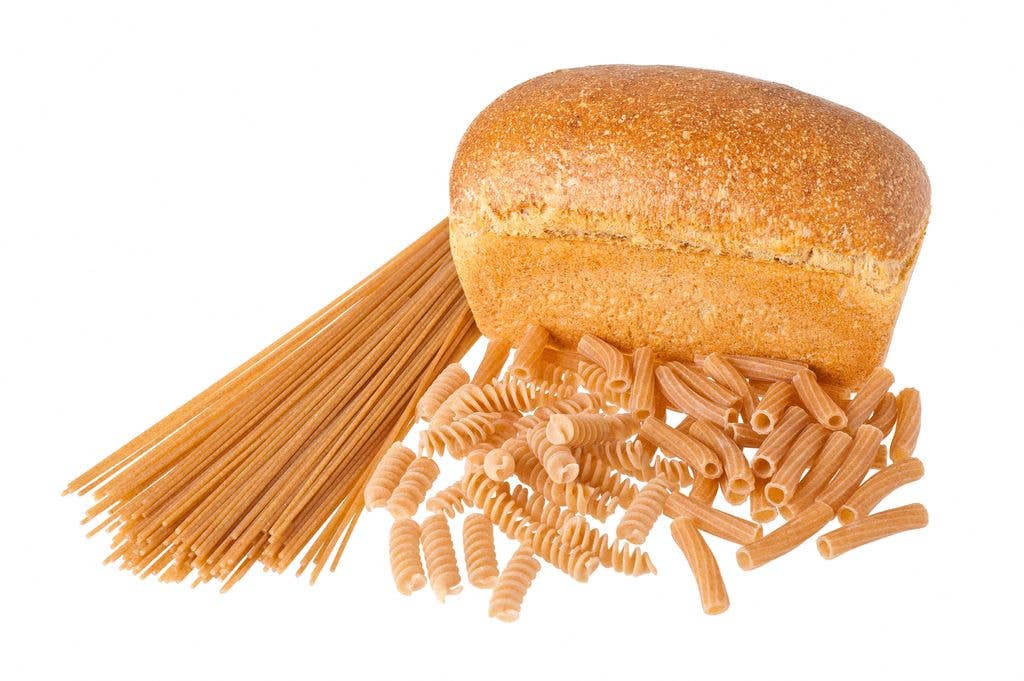
2. Foods low in dietary fibre (white rice, white breads and crackers and white pasta)
 © Alamy Stock Photo
Eating adequate fibre is another way to support a healthy gut and reduce inflammation. “Fibre promotes a healthy and stable microbiome by feeding the ‘good’ bacteria in the gastrointestinal tract, which helps to reduce inflammation,” the expert says.
“Women should aim for 25g of fibre per day, and men should aim for 35g per day. Choose fruits, vegetables, and whole grains for an improved fibre intake.”
3. Foods low in micronutrients (low nutrient foods such as processed desserts and baked goods, soda and sugary drinks)
Wherever possible, reducing your intake of ultra-processed foods and sugary drinks can also help to support a strong immune system, which in turn might protect against hay fever.
“Vitamins and minerals are key to maintaining healthy cell function and can provide protection against oxidative damage (oxidative damage is cell damage that can lower immune function),” Allison explains.
4. Alcohol
 © Getty Images
Alcohol could also be a common culprit for prolonging irritating hay fever symptoms, as the dietician shares: “Most alcohol, particularly red wine, beer, and cider, is naturally high in histamines which could trigger an allergic reaction or prolong existing symptoms.”
5. Some fruits and vegetables
“Some people (so certainly not everyone) who experience hay fever also experience Pollen Food Allergy Syndrome (PFAS), also known as Oral Allergy Syndrome (OAS). This is caused by allergens found in both pollen and some raw fruits and vegetables. The immune system confuses the pollen with similar proteins in the food and results in an immune response, which typically consists of an itchy mouth and throat,” says Allison.
“The most common foods that should be avoided include apples, pears, cucumbers, melons, and bananas. Cooking triggering foods can help avoid a reaction as proteins undergo changes when exposed to heat, making them unrecognisable to the immune system.
“People affected by PFAS can usually eat the same fruits or vegetables in cooked form because the proteins are distorted during the heating process, and the immune system no longer recognises the food.”
Read the full article here