






If you’re in midlife, it’s important to know that strong bones are the cornerstone of our overall well-being. They do far more than just keep us upright and moving; they act as a protective shield for our vital organs and serve as a “bank” for essential minerals like calcium and phosphorus.
As we get older, our bone density naturally begins to dip, which can lead to problems ranging from fractures to osteoporosis. Reaching for supplements might be your first impulse for bone health, but they aren’t something to be taken on a whim.
Even though many of these health-boosting solutions are available over-the-counter, don’t be fooled into thinking they are completely harmless just because they’re “natural.”
But how can we stay ahead of the curve? It’s always best to seek expert advice to find out if you actually need them. We spoke to pharmacist Mar Santamaria to discover the best habits for bone strength and how the right supplements can help you keep your frame in tip-top shape.
The science of bone remodelling: Why density peaks in your 30s
Before we dive into her top tips, let’s look at the science of bone mass – what it actually is, and why losing it as we age is such a concern.
Bones are living tissues that are constantly renewing themselves. They are primarily made up of collagen, which provides a flexible framework, and minerals such as calcium and phosphorus, which give them their strength and rigidity.
Far from being static, our skeleton is always undergoing a “remodelling” process, where old bone tissue is broken down and replaced by new, healthy tissue.
A decline in bone density is a natural part of ageing
From birth through to our teenage years, this bone growth is incredibly rapid and efficient. However, our bone density usually reaches its peak by the time we hit our early 30s. Of course, the decline in bone density is a natural part of ageing, but generally speaking, once we leave our 20s, bone loss starts to outpace new bone formation, which can lead to a gradual weakening.
Menopause and bone loss: Understanding the hormonal shift
For women, menopause is a significant turning point. The drop in oestrogen levels during this time can cause bone density to plummet, significantly increasing the risk of osteoporosis. In men, the decline is usually more gradual, but it remains a factor to watch as they get older.
Beyond age and gender, there are other factors that accelerate the loss of bone minerals including:
Unchecked, these factors leave bones far more susceptible to fractures and long-term bone disease.
 © Getty Images
How to prevent bone mass loss naturally
“Strength training and impact activities – such as jumping, brisk walking, dancing or any movement that works against gravity – are absolutely vital for bone health and the musculoskeletal system as a whole,” notes pharmacist Santamaria.
Of course, your diet is a non-negotiable before even thinking about supplements. You can optimise with:
- Natural mineral sources: Incorporating nuts, seeds and dairy (if you enjoy it and it agrees with you) into your meals
- Vitamin D-rich foods like small oily fish (like sardines or mackerel) and mushrooms.
Beyond the kitchen and the gym, maintaining a healthy weight and cutting out smoking and excessive drinking are essential steps in protecting your bone health.
 © Getty Images
Navigating supplements: When do you actually need a backup?
If your daily diet falls short of the recommended intake for calcium and Vitamin D, supplements can be a valuable backup. However, they aren’t a “one-size-fits-all” solution.
While there are various options on the market specifically designed for bone health, it’s vital to consult a professional—such as your GP or a qualified pharmacist—before starting any new regimen. They can help determine if you actually need them and, more importantly, ensure you’re taking the correct dosage for your specific needs.
 © Getty Images
The 7 essential minerals and vitamins for skeletal health
Our expert pharmacist outlined which supplements offer the most benefit, alongside the potential risks of getting it wrong.
1. Vitamin D: The “Sunshine Vitamin”
Technically more of a hormone than a vitamin, Vitamin D is the absolute linchpin of bone health. Severe deficiencies can lead to rickets or osteomalacia, two diseases which are now fortunately quite rare. Vitamin D is essential for absorbing calcium and phosphorus from our gut. Without it, the minerals that make up our skeleton simply can’t be deposited where they’re needed.
We generally obtain vitamin D in two ways. Small amounts are found in foods like oily fish, eggs and mushrooms) while our primary source is synthesised through the skin via safe sun exposure. Theoretically, the sun should be enough, the reality is that, especially during the time of year with less sunlight, it’s more difficult to reach adequate exposure.
Note that an excess of Vitamin D can lead to an increased risk of cardiovascular disease, among other unwanted effects. Always check with your GP before starting a high-dose supplement.
 © Getty Images
2. Calcium: The Building Block
Calcium is the “bricks and mortar” of your bones. It’s also vital for muscle function and blood clotting. Most adults need between 1,000mg and 1,300mg a day, which is best sourced through diet (dairy, leafy greens, tinned fish, almonds and fortified foods). Supplementation is only really necessary if you’re struggling to meet these targets through food; an excess can cause hypercalcaemia or kidney stones, and affect the absorption of other minerals. It works best when paired with Vitamin D and Magnesium, and to avoid risks, it should always be taken under medical supervision.
3. Phosphorus: The Silent Partner
About 85% of the body’s phosphorus is found in our bones and teeth. It’s essential for cell repair and energy, and is usually fairly easily obtained through diet since it’s so abundant in meat, fish, dairy, pulses, and wholegrains. That’s why in general, supplementation is not necessary. In fact, that’s why there’s a word of warning: don’t overdo it. Excessive phosphorus can actually hinder calcium absorption, effectively weakening your bones rather than strengthening them. It can also overload the kidneys, so those with kidney issues need to be particularly careful with their intake.
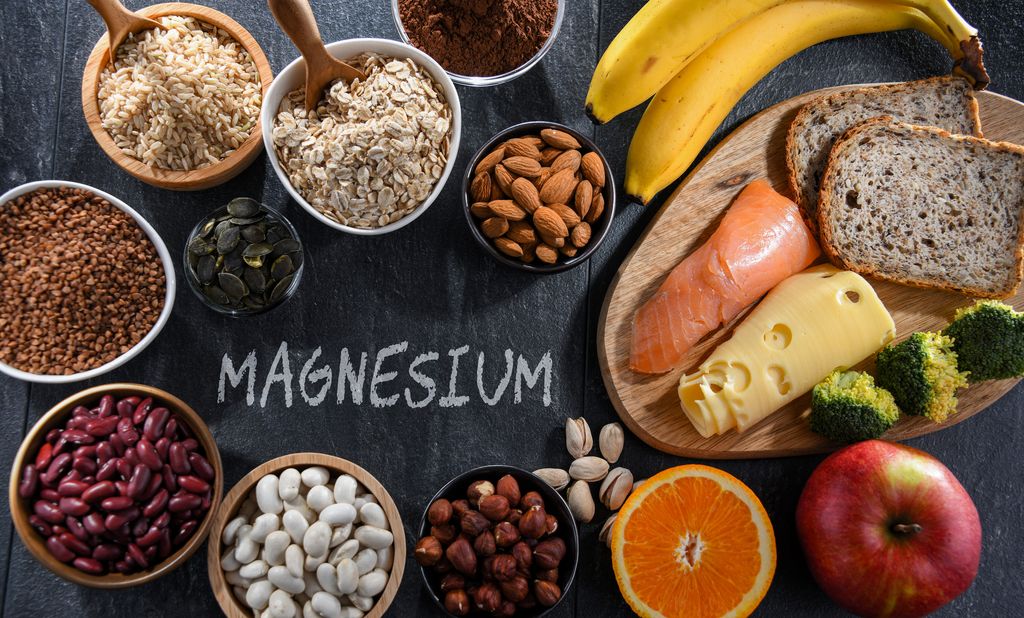
4. Magnesium: The Regulator
While calcium is the most important mineral for bone health, magnesium is another major player. Involved in an infinite number of metabolic reactions in the body, it contributes to hormones that are necessary for bone health, regulates where calcium goes and helps “activate” Vitamin D.
 © Getty Images
5. Collagen: The Flexible Framework
Collagen, which you can receive both through your diet or in the form of a supplement, is a complex protein which has a structural function. While we often hear about it for glowing skin, it’s a major component of the musculoskeletal system. While a high-protein diet (meat, fish, bone broth, or plant-based proteins) usually provides the building blocks you need, a supplement can be a helpful boost – especially if you’re also looking to support your joints and skin elasticity as you age.
6. Zinc supplements
Zinc acts as a “cofactor,” meaning it helps trigger the metabolic reactions that build and remodel bone tissue. Although it is not required in large quantities, “We often run a bit low on zinc because we don’t always eat enough seafood, seeds, or wholegrains,” says the pharmacist. Zinc is also involved in the manufacture of the hormones that control bone health.
7. Vitamin K Supplements
Vitamin K is often part of many vitamin D supplements focused on bone health. There’s a good reason for this: Vitamin K helps “fix” the calcium into the bone matrix. However, its use as a supplement must be advised by a health professional.
 © Getty Images
Why “more” isn’t always better with supplements
As we’ve explored, the vast majority of the vitamins and minerals our bones require can be sourced through a balanced diet; turning to supplements is usually only necessary in very specific circumstances.
“Don’t obsess over taking several supplements for bone health without a clear objective,” Santamaria reminds us. For instance, if a blood test reveals a significant Vitamin D deficiency, “it makes complete sense to correct it through supplementation.”
“The incorrect or excessive use of supplements can have negative consequences”
Similarly, if you aren’t hitting your protein targets through your meals alone, adding a collagen-based food supplement might be a good option.
It is important to remember that more isn’t always better. “The incorrect or excessive use of supplements can have negative consequences, just as following a very unbalanced diet or over-consuming certain foods will be counterproductive,” insists our pharmacy specialist.
Expert verdict: What’s the best approach?
Ultimately, the best approach is a tailored one. As Mar Santamaria concludes, the priority should be to “assess each person’s nutritional and vitamin levels on an individual basis – taking any underlying health conditions into account – and, where necessary, address any deficiencies by making dietary changes or using supplements and medication”.
However, this path should always be taken under the professional guidance of your GP if you have an underlying condition, or another qualified healthcare professional for more day-to-day wellness goals that don’t require such intensive medical monitoring.
About the expert
Mar Santamaria is a Spain-based Registered Pharmacist with a wealth of experience in clinical practice and health communication. She uses her expertise to address questions about health concerns and self-care via her social media channels
Read the full article here