






There is a moment in midlife when you begin to notice that your skin behaves differently. It is not a dramatic overnight change, but rather a gradual shift in texture, tone and luminosity. The effortless glow you once took for granted begins to fade, and even the most expensive serums can start to feel like they are working harder for a smaller return. At 52, I have spent most of my career immersed in the worlds of health, nutrition and beauty, so I am rarely seduced by the latest aesthetic trend without a healthy dose of scepticism.
Yet recently a new treatment has been quietly gaining traction in clinics around the world, one that many practitioners are describing as the next frontier in regenerative aesthetics. The treatment is exosome therapy, and its promise is not to dramatically alter the face but to improve the quality of the skin itself. Naturally, I was intrigued.
What is Exosome therapy?
Unlike many aesthetic buzzwords that arrive with little explanation, exosomes are rooted in a fascinating area of cellular science. Before the treatment, my practitioner at Skin Bar explained that exosomes are something our bodies already produce naturally. “Exosomes are tiny, naturally occurring vesicles released by cells to communicate and share information with other cells,” she explained.
“Think of them as an information carrier, like a letter. The information they share may guide how cells behave and interact in the skin’s environment.” In simple terms, these microscopic messengers help cells communicate with each other, influencing how the skin repairs, renews and maintains itself. The idea behind exosome therapy is that by introducing these cellular messengers during professional treatments, practitioners can support the skin’s natural processes and enhance visible skin quality over time.
What makes this approach particularly interesting is how neatly it fits into the broader shift happening in aesthetic medicine. For years, the industry focused largely on quick fixes, smoothing wrinkles here or adding volume there.
Now the conversation has evolved. Increasingly, practitioners are focusing on prevention, maintenance and overall skin health. “The aesthetic industry is increasingly shifting toward treatments that focus on skin quality, prevention and long-term maintenance,” my practitioner told me.
“Exosome-based treatments fit into this trend because they are typically used to support the skin after advanced procedures such as microneedling or energy-based treatments. Many practitioners view them as an evolution of skin rejuvenation protocols because they integrate into existing procedures while aiming to enhance the overall treatment experience and visible skin quality.” Rather than chasing dramatic transformations, the goal is to maintain healthy-looking skin over time, which feels like a far more realistic approach to ageing.

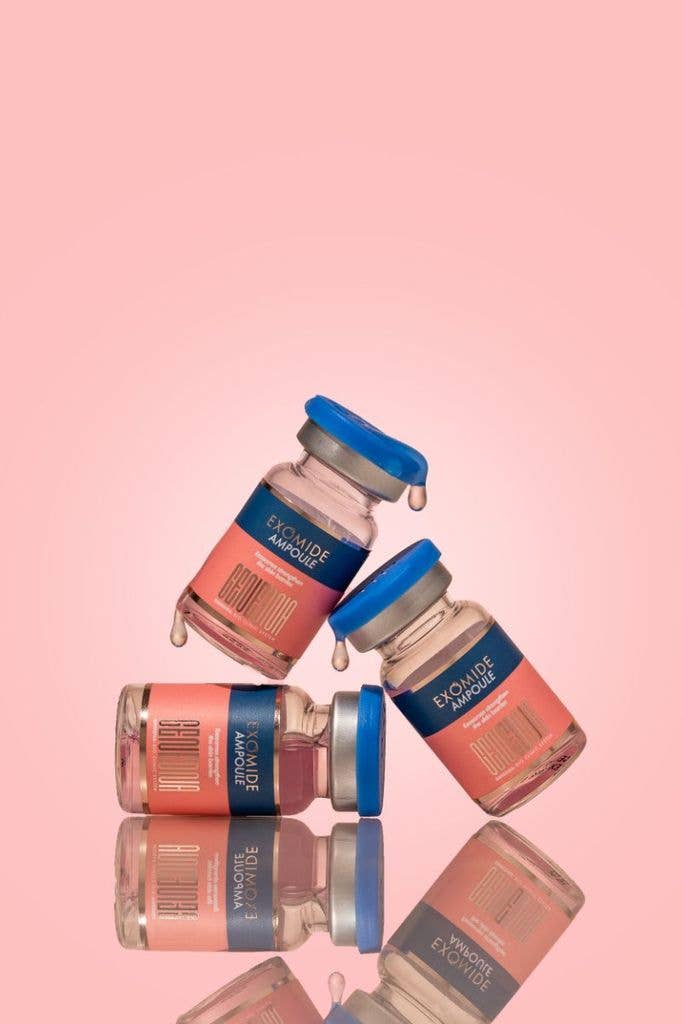
One of the first things I learned is that exosome therapy is rarely performed as a standalone treatment. “Exosome therapy is generally not a standalone procedure, but rather a topical adjunct used during other professional treatments,” my practitioner explained. In my case, the treatment was paired with microneedling, a procedure that uses very fine needles to create tiny microchannels in the skin. These controlled micro-injuries stimulate the skin’s natural repair process and also allow topical products to penetrate more effectively. Once the microneedling was complete, the exosome formula, known as Exomide Skin, was applied to the skin’s surface, allowing it to absorb through the freshly created channels.
What’s the treatment like?
The procedure itself was surprisingly straightforward. After my skin was cleansed and the microneedling device was passed gently across my face. There was a mild prickling sensation, but it was far less uncomfortable than I had anticipated. The entire appointment lasted less than 30 minutes, and when I left the clinic my skin looked slightly flushed, similar to the glow you might have after a brisk walk on a cool morning. The redness settled within a few hours, leaving behind skin that felt warm, hydrated and slightly tighter.
The most important thing to understand about this treatment is that the results are not immediate. Unlike injectables, which often deliver visible changes within days, exosome therapy works more gradually as the skin goes through its natural renewal process. My practitioner explained that the treatment is designed to support the skin’s recovery and enhance its appearance over time. “Exomide Skin is designed to support a smoother, more refined skin surface, helping to enhance visible tone, texture and radiance when used as part of cosmetic treatments,” she said. “Patients may notice the treatment helps soften the visible appearance of fine lines, refine the look of skin texture and visible pores, support a visibly brighter and more even-looking complexion, and complement the skin’s natural recovery process.”
What’s the verdict?
In the days immediately following the treatment, my skin felt remarkably smooth, although I was careful to follow the post-treatment advice and keep my skincare routine simple. Over the following weeks, the improvements became more noticeable. My complexion looked clearer and slightly more luminous, particularly around the cheekbones where the light seemed to reflect more evenly. Makeup sat more smoothly on my skin, and the small lines around my mouth appeared softer. The changes were subtle but undeniably present, which is perhaps the most appealing aspect of treatments like this. Instead of looking like I had done something obvious, I simply looked more refreshed.
According to practitioners, the best candidates for exosome therapy are people who want to improve the overall appearance and quality of their skin rather than target a single concern. “Exosome-based treatments are generally suited to individuals who want to improve the overall appearance and quality of their skin,” my practitioner explained, adding that suitability should always be determined by a qualified professional who can assess the patient’s skin type and treatment goals.
 © Getty Images
It is easy to understand why treatments like this have become particularly popular among high-profile clients who prefer results that appear natural rather than obvious. “High-profile patients often seek treatments that deliver natural-looking improvements with minimal disruption to their routine and support treatment outcomes,” she told me. The idea of enhancing skin quality without dramatically altering facial features is appealing to anyone who wants to look refreshed rather than transformed.
For those considering the treatment, it is important to understand that exosome therapy typically works best as part of a course rather than a one-off appointment. My practitioner recommended a series of three treatments spaced four weeks apart in order to achieve optimal results. Each session built upon the previous one, gradually improving my skin’s appearance as the renewal process continued.
Four weeks after my first treatment, I found myself studying my reflection in the mirror one morning with a quiet sense of surprise. My skin looked clearer, smoother, less wrinkly and noticeably more radiant than it had just a month earlier. It was not the dramatic transformation often promised by beauty treatments, but something far more appealing. I looked like a slightly fresher version of myself, as though my skin had gently pressed rewind on a few years of wear and tear. And in a world where the most convincing beauty results are often the ones that nobody can quite pinpoint, that subtle rediscovery of my younger self felt like the real luxury.
Read the full article here