




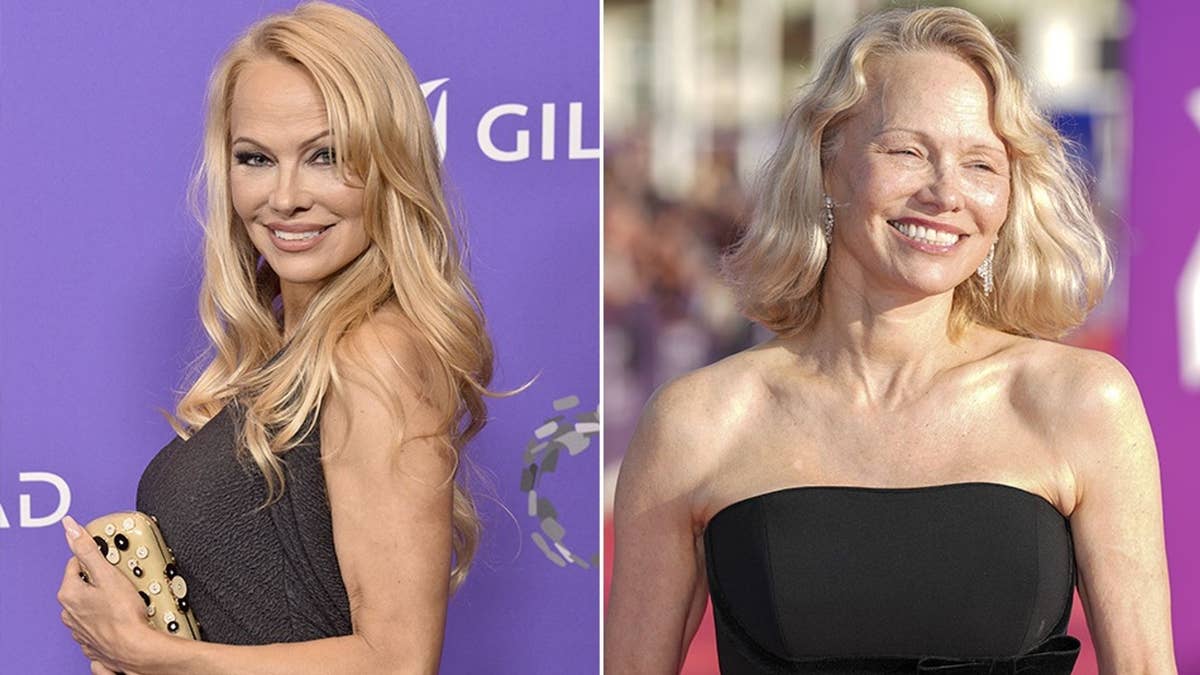

You step out of the salon, catch your reflection in the lift mirror, and something shifts. You don’t just look different—you feel different.
You walk with a new spring in your step, you actually feel like making plans, and you even reply to messages with a completely different energy.
It might sound superficial, but it isn’t quite that simple according to psychology. A great new look can lift your mood because it touches on something deeply personal: the way we see ourselves.
The science of the salon: How your hairstyle shapes your mood
Ana Galán, a psychologist specialising in anxiety and emotional management, explains that the effect kicks in before anyone even says a word.
“It starts the moment we look in the mirror and feel that the image we see aligns more closely with how we want to express ourselves, or with the version of ourselves we truly identify with,” she says.
That sense of alignment can boost our well-being all on its own, because our self-image has a huge influence on how we feel. That’s why a great haircut, beautifully done highlights or make-up we feel genuinely comfortable in can have such an immediate impact. The reflection acts as an internal confirmation.
Health psychologist Leticia Martín Enjuto links this to that exact concept of alignment. “When we feel our appearance fits better with our personality or the stage of life we’re going through, our sense of authenticity and coherence increases,” she explains. And that instantly shines through in our mood.
A makeover often coincides with a specific milestone: bouncing back after a break-up, pampering yourself again after a rough patch, or simply trying something new just because you feel like it.
The boost comes from the fringe, the bob, or the fresh colour—but also from the meaning we attach to it. As Martín Enjuto puts it, a new look often represents “the start of a new chapter, drawing a line under a past phase, or making the choice to put yourself first”.
Why compliments hit differently after a major transformation
What happens next matters, too. When someone tells you, “You look lovely” right after a change, the comment can carry real weight, because you’ve just taken a step and are looking for a bit of reassurance.
Psychologist Galán explains that after a significant change, we tend to be more sensitive to the reactions of those around us. “A positive comment acts as a form of psychological reinforcement that eases those initial doubts,” she says. What’s more, if we’ve invested time, enthusiasm or money in the transformation, we pay far closer attention to how people react.
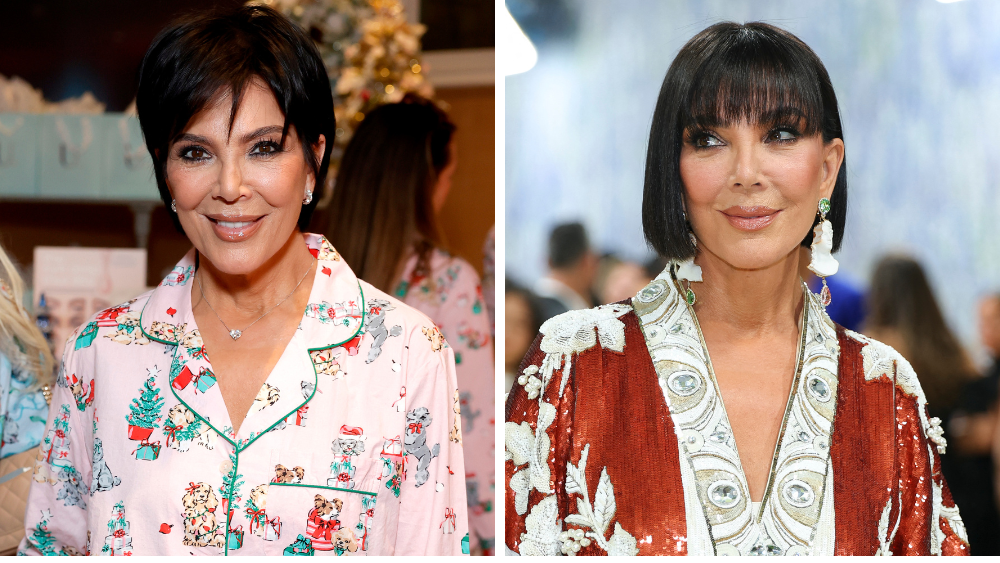 © Getty
“Studies show that positive feedback influences how we perceive ourselves, and that comments about appearance can have a significant effect on self-image,” she explains.
The key is to enjoy that response while remaining grounded in yourself. Healthy self-esteem can welcome a compliment with genuine warmth, while still resting on something far deeper than other people’s opinions. The crucial question goes beyond the cut, the colour or the make-up. Galán suggests looking at the underlying motivation: “Does this image really reflect who I am?”
When the answer comes from within, the change can bolster self-esteem because we feel we’re acting in harmony with our true identity. It’s a very different story when the main goal is to please others, avoid criticism or meet external expectations. In those cases, the relief tends to be short-lived, and the urge to seek further validation to maintain that sense of worth soon creeps back in.
‘Enclothed cognition’: How a simple makeover rewires your brain
A new look can be a wonderful form of self-care, as long as it comes with realistic expectations. If we expect our hair or make-up to resolve deep-seated insecurities, we’re asking them to do a job that actually belongs to the much broader work of building self-esteem.
That’s why Galán recommends asking yourself one simple question before taking the plunge: “Why do I want to change my look?” If the answer is about experimenting, expressing yourself, feeling more like yourself or starting a new chapter, the decision is usually built on healthy foundations.
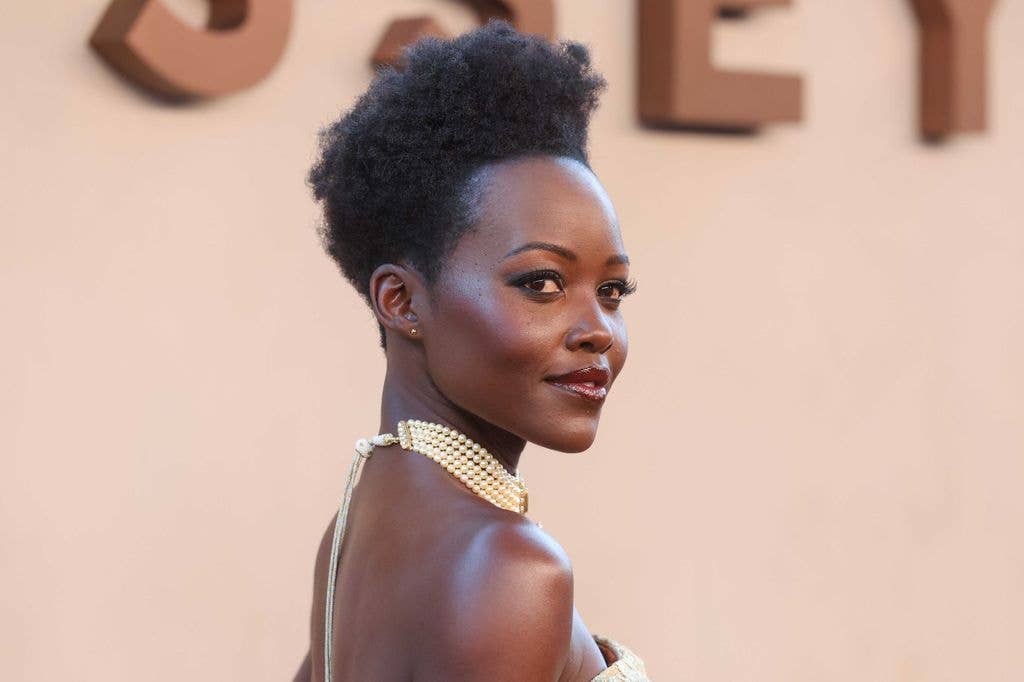 © Getty
If in doubt, taking baby steps can help: opting for a longer fringe rather than a dramatic chop, a subtle gloss rather than a total transformation, or a gradual tweak so you can see how you feel along the way.
As the therapist points out, it’s key to remember that “a new look can boost our confidence, but it doesn’t change our inherent worth”. If we base our self-esteem entirely on our appearance, any offhand comment, comparison or passing trend can knock it.
Looking good doesn’t just stop at the mirror. More often than not, it changes the way we walk into a room, speak, make eye contact, or interact with others. Martín Enjuto explains that when we feel comfortable in our own skin, we tend to face the day with far more confidence and ease. That inner assurance shines through in the way we communicate, move and connect with people.
A swipe of lipstick that brightens our face or a haircut that truly captures who we are can act as simple yet powerful emotional tools
The psychologist highlights the concept of “enclothed cognition“—a theory suggesting that our clothes, style or the way we present ourselves can directly influence our thoughts, emotions and behaviour. Life might carry on exactly as before, but the overall tone of the day shifts completely.
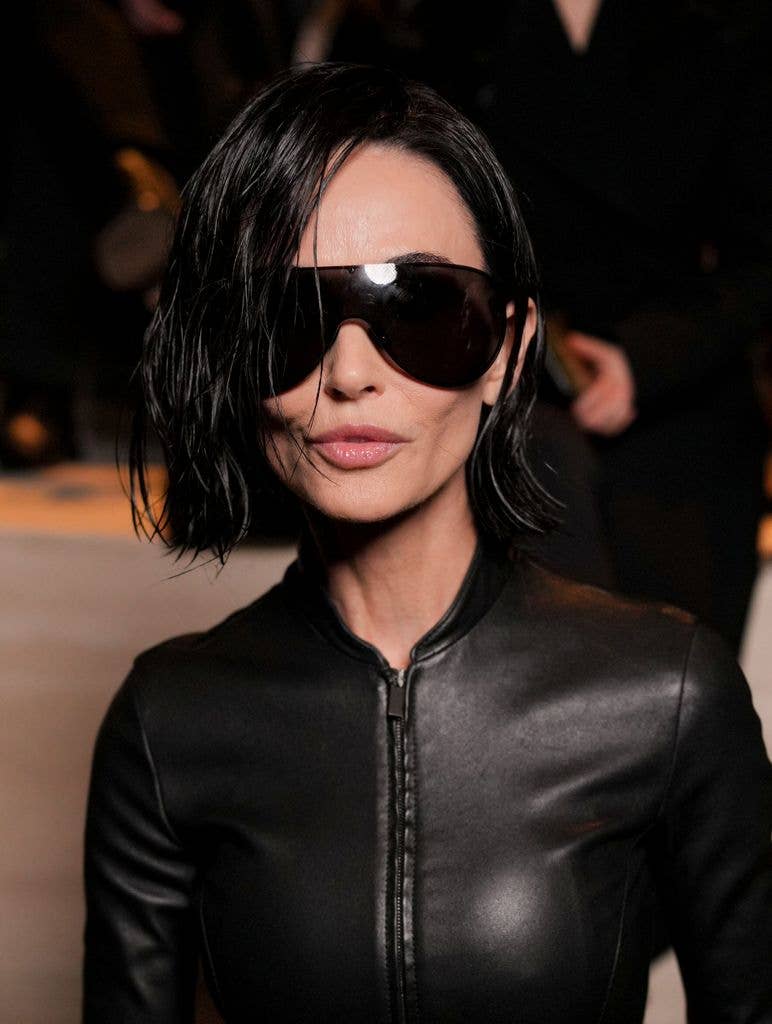 © WWD via Getty Images
A fresh look can start with the simplest of gestures: taking your time to style your hair, laying out tomorrow’s outfit, getting a manicure, applying your cream slowly and mindfull or putting on make-up again after a period of feeling low.
Martín Enjuto says that beauty rituals can work as a genuine form of emotional self-care when they come from a place of personal choice. Carving out time for a routine can become “a moment to pause, reconnect with yourself, and practice mindful attention”.
In uncertain times, these small habits bring a sense of stability and control. They send a clear message: you deserve to spend time on yourself.
‘Hair remorse’: Why a bad haircut can disconnect you from yourself
There’s another side to this, too. A cut that doesn’t feel like us, a colour far removed from how we see ourselves or a change made on impulse can affect us far more than we’d expect.
Martín Enjuto explains that when the result of a transformation strays too far from our self-image, a sense of disconnection from our true identity can set in. That feeling of looking in the mirror and not recognising yourself brings discomfort, doubt, and insecurity, and can weigh on your mood for a while.
It makes total sense. Our appearance is a big part of how we present ourselves to the world. If that image suddenly feels alien to us, the discomfort can be very real—even if, to anyone else, it seems like “just hair”.
A change born out of pressure, impulse or someone else’s expectations tends to leave far more doubt than one made calmly and deliberately. As the days go by, many people grow into their new look; others decide to return to a style where they feel like themselves again.
Read the full article here