




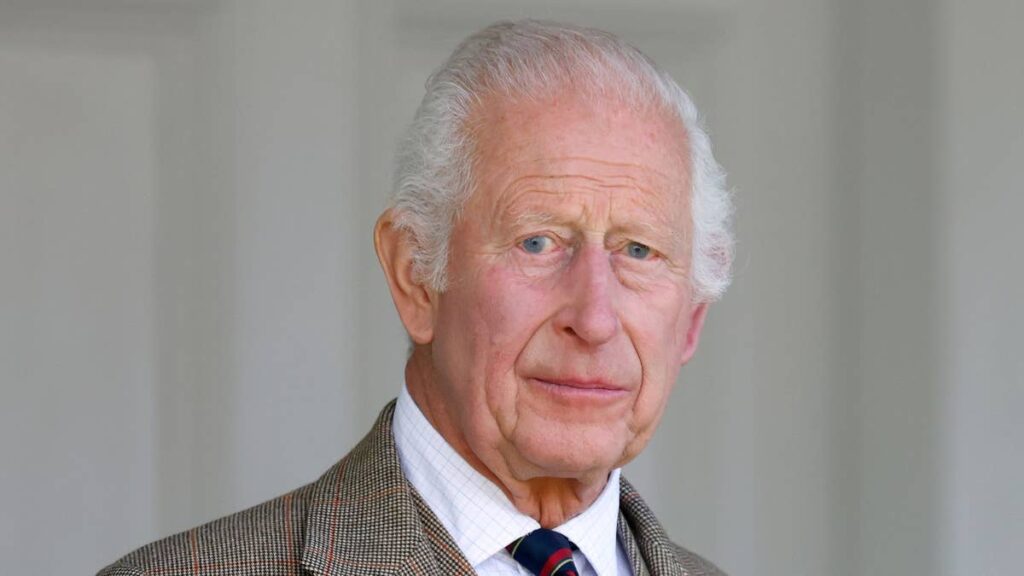
King Charles and Prince William face a bill of up to £10 million in the coming years after Labour announced that rental properties must obtain an Energy Performance Certificate of at least C by 2030, with the previous minimum rating being E.
King Charles privately owns the Sandringham Estate and holds the Duchy of Lancaster as sovereign, meaning he receives profits from the duchy but does not own the land privately. He inherited the assets from his late mother, Queen Elizabeth II, when she passed away in 2022.
When Charles was crowned king, he passed down the Duchy of Cornwall to his eldest son, with the duchy providing private income to Prince William and his family.
Changes to energy efficiency
According to an investigation from The Guardian, almost 90 per cent of Charles and William’s properties that were surveyed across the Sandringham Estate and the Duchies of Lancaster and Cornwall do not meet the required C rating in energy efficiency.
The pair will need to shell out an estimated £10 million in upgrades, as per the publication, with costs estimated at £10,000 per property to achieve the C rating. They could face a £30,000 fine for each rental property if they do not meet the standard.
The Energy Performance Certificate (EPC) was first launched in England and Wales in 2007 to curb carbon emissions, with a rating of A to G being established – A being the most efficient.
“Everyone deserves to live in a warm, comfortable home. Our plans for private rental homes to be EPC C by 2030 could lift up to half a million households out of fuel poverty by 2030, cutting bills to give families across the country the breathing space they need,” said a government spokesperson.
Charles and William’s challenge
According to The Guardian, 99 per cent of EPCs examined by the publication for rental properties in the Sandringham Estate were rated between D and G.
The Duchy of Lancaster did not fare much better, with more than 90 per cent of the properties investigated being rated D or lower. 80 per cent of the Duchy of Cornwall’s rental properties had EPC ratings of D to G.
Some newer developments owned by the Duchy of Cornwall, including projects in Dorset and Cornwall, do meet the C standard.
In a statement to The Guardian, a spokesperson from the Duchy of Cornwall admitted that due to its “unique portfolio, including many historic buildings located in isolated rural and island locations,” upgrading homes will be a challenge.
“While this confers a special character, it also brings some unique challenges which we have started to address systematically through our retrofit programme,” they explained.
“We recognise that these challenges mean work does not always happen as fast as we would like, but we will continue to work closely with our tenants to identify effective and practical energy-efficiency improvements as quickly as possible.”
Meanwhile, a spokesperson from the Duchy of Lancaster shared that while improving energy efficiency across the board is “challenging”, the team will “continue to work to improve their EPC ratings”.
A spokesperson from Sandringham noted that the new regulations “do not apply to every property on the estate, and exemptions are necessary on a small number of properties.”
“We continue to invest significantly in an ongoing programme of maintenance and improvement works on all properties, including those out of scope of the regulations, to upgrade energy efficiency across the estate,” the spokesperson added.
Charles is worth an estimated £680 million thanks to both his private wealth and Crown assets, while William is worth around £1.2 billion, mostly due to the Duchy of Cornwall.
Read the full article here