



King Charles passes up rare opportunity as he retreats from royal duties

News Room By News Room
3 Min Read

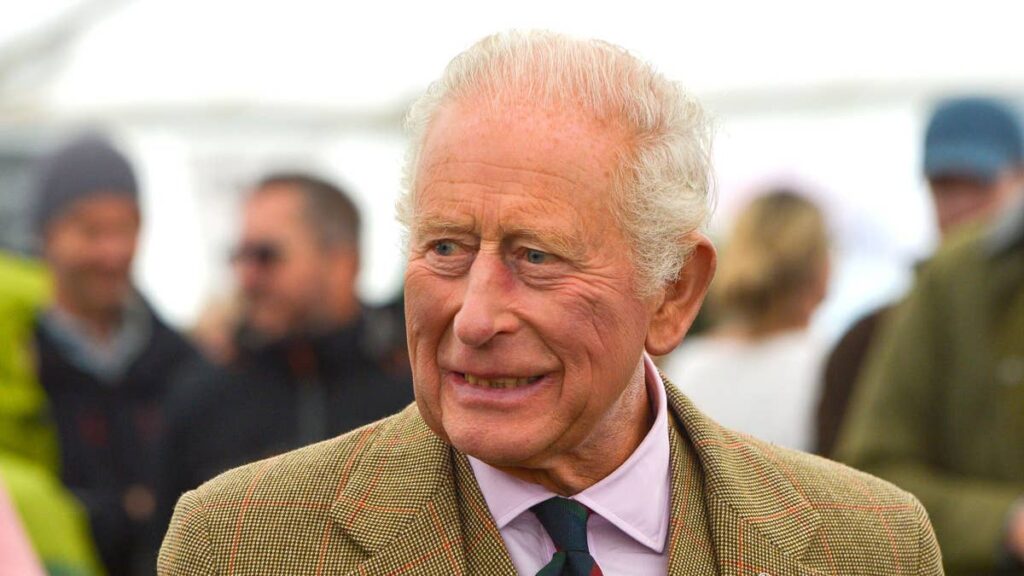
His Majesty King Charles III is officially on his summer break, taking time away from his royal duties in Scotland with his wife Queen Camilla. It is tradition for the royal family to spend time in Scotland over this period, but this does mean that Charles could forfeit the very best view of the special solar eclipse that’s happening on Wednesday 12 August.

It’s a rare phenomenon as 95 per cent of the sun will disappear behind the moon over the UK, and it is the closest to a total eclipse that we will get until 2081. The Met Office has released a map which shows which areas of the UK will see the best coverage and at which times, and it reveals that more southerly spots like Devon and Cornwall will have a better view than places in the north. Perhaps King Charles’ usual home, Clarence House in London, or his country residence, Highgrove House in Gloucestershire, would have been better choices for the display.

The eclipse is said to last one hour and 50 minutes, according to the Met Office, and people should aim to look at the western horizon to get the best view. But there are some viewing rules that should be taken very seriously…

How to safely watch the solar eclipse 

The monarch shouldn’t be looking up at the eclipse unless he has the proper equipment, though. It is recommended by scientists that you use special solar glasses to view the moment to protect your eyes, but these have sold out now in many places. Hundreds of people were seen queuing at the Royal Observatory in London in hopes of bagging a pair to view the eclipse. Alternatively, you can DIY a suitable viewing device called a pinhole projector, which can be made with a hole in a piece of cardboard or even a kitchen colander, and project the light onto a plain piece of paper.

© Getty Images
The corona of the sun visible around the moon during a total solar eclipse, 1999

The UK Health Security Agency explains exactly why eyes can be damaged when looking at the sun during an eclipse. “During an eclipse, the sun appears dimmer than usual. This makes it easier to look at directly – and that’s precisely the problem. The reduced brightness can override the body’s natural reflex to look away, allowing intense sunlight to reach and damage the retina. This damage happens without causing any pain, so you may not realise harm is occurring until it’s too late.”

After the 1999 total solar eclipse, the Royal College of Ophthalmologists documented around 70 cases of vision disruption after people looked directly at the eclipse. 

Read the full article here

TAGGED:
Share This Article
Leave a comment