




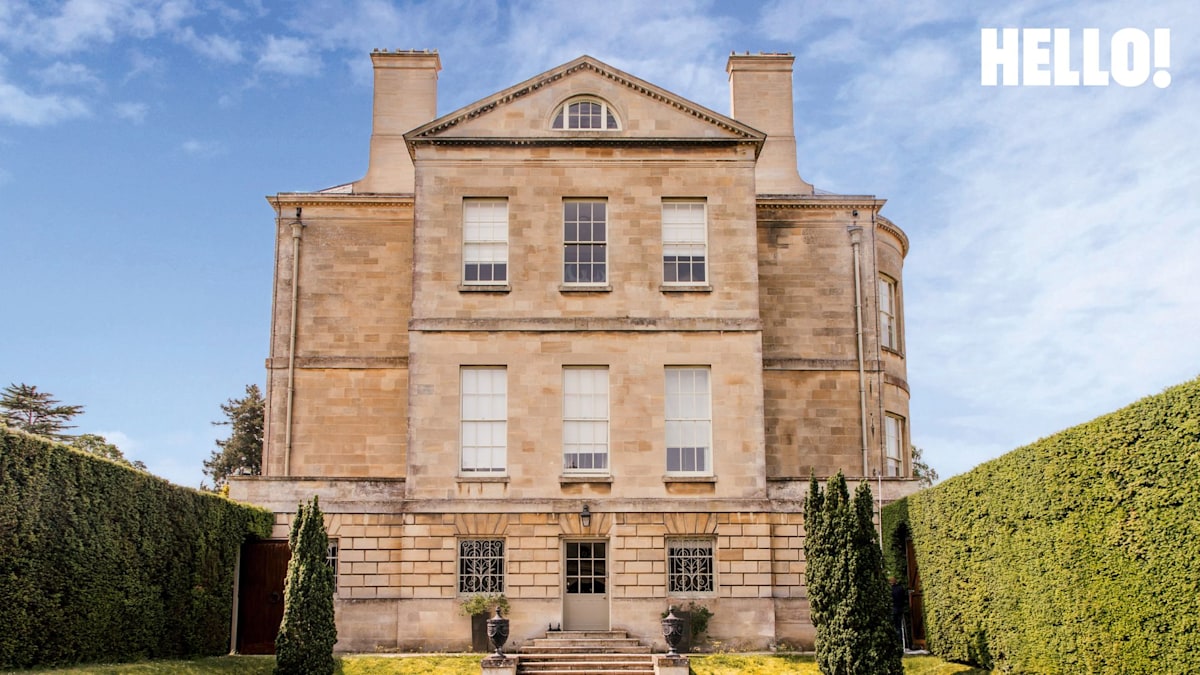

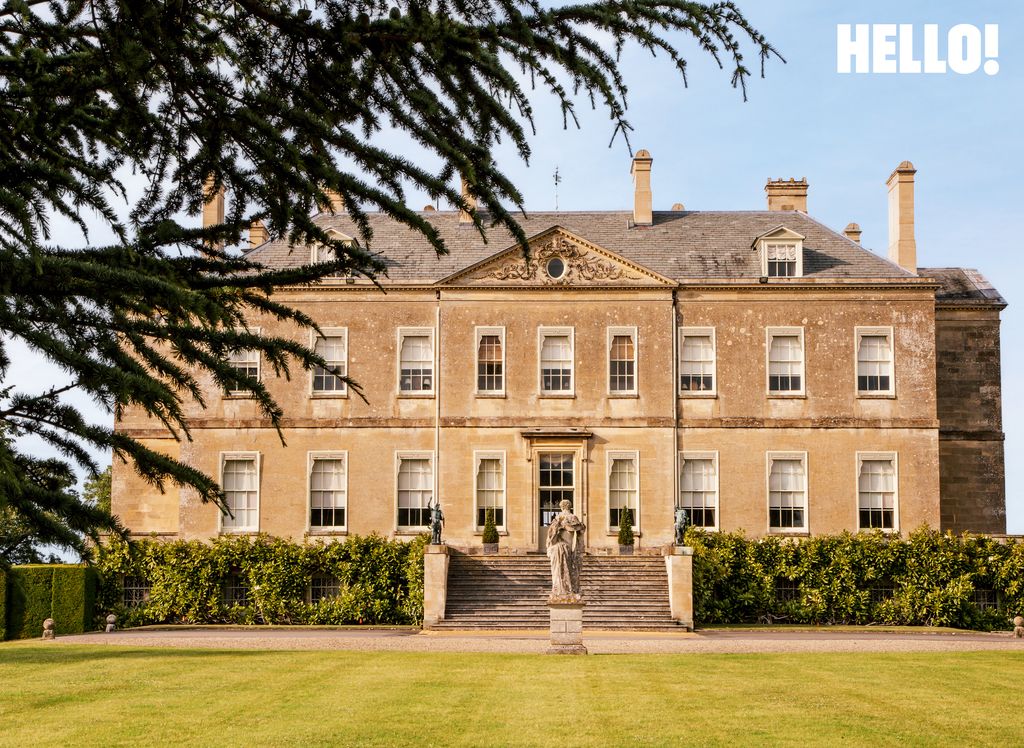
A few miles from the village of Faringdon, deep in the picturesque countryside of Oxfordshire, the county that inspired Alice’s Adventures in Wonderland, sits Buscot Park.
Overlooking the River Thames, it is one of England’s most exquisite and historic country houses. The Grade II*-listed estate has belonged to the Henderson family for more than a century, and at its heart today is the 3rd Baron Faringdon, Charles Michael Henderson, and his wife, Sarah Caroline Askew.
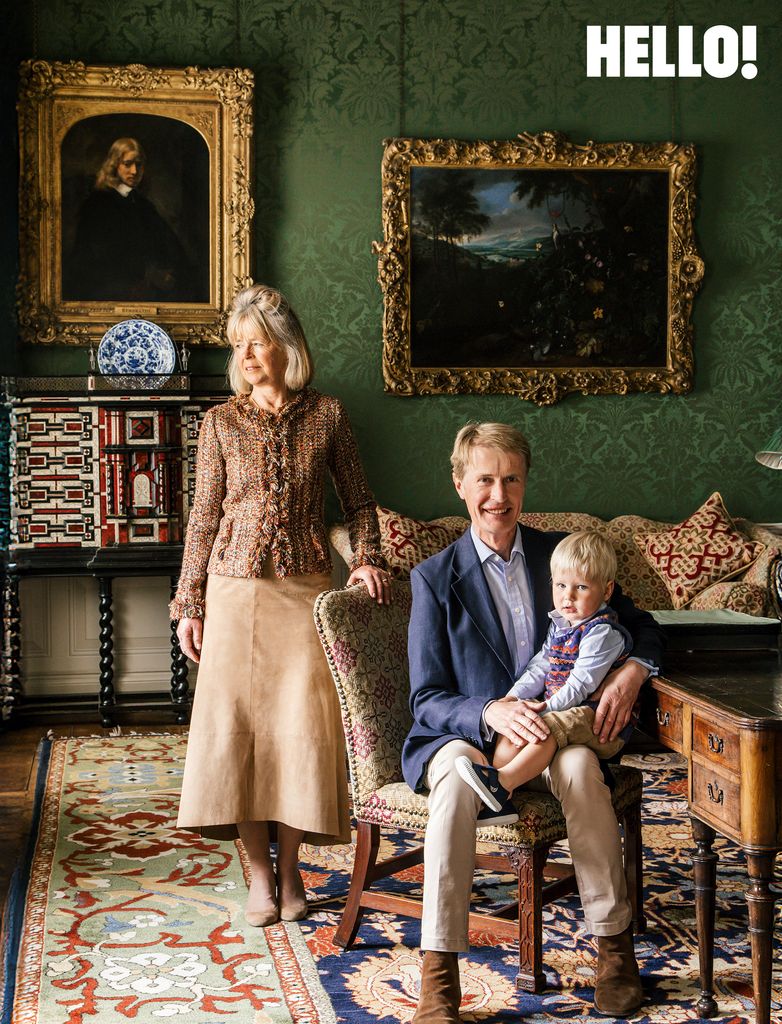
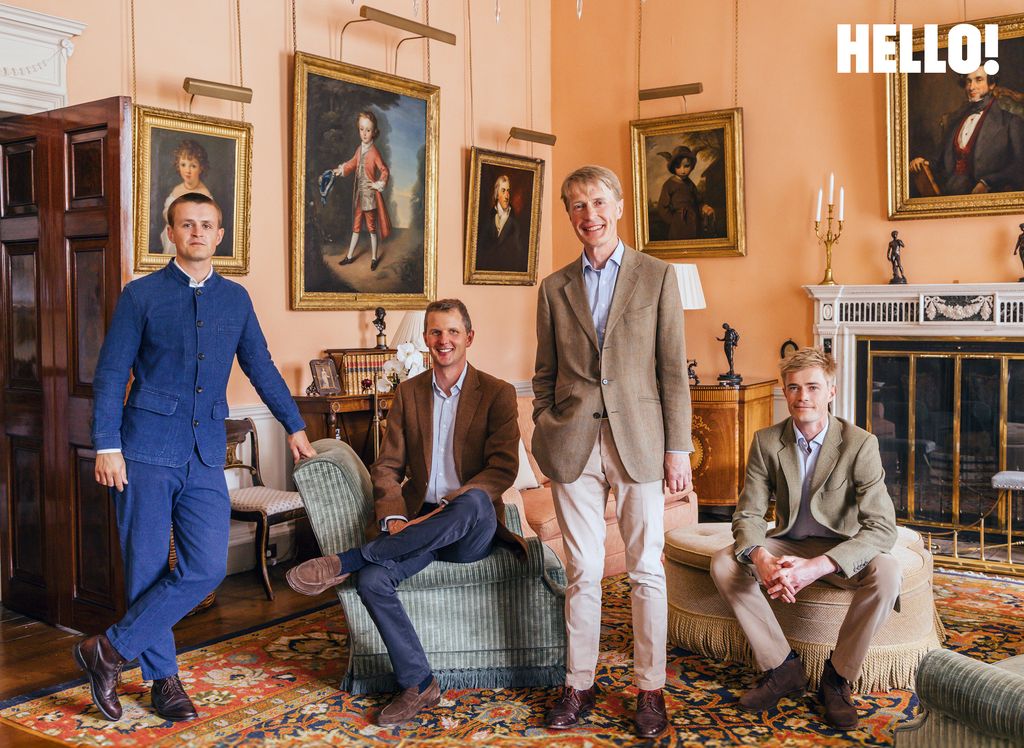
At 88, Lord Faringdon continues to oversee the estate with the support of his eldest son and heir, James Henderson, who lives here with his wife, Lucinda Hanson, and is hosting HELLO! for this visit. They are joined by their three children: Annabel and her husband, Hugh Sancroft-Baker, along with their young son, Felix; George, who is married to Georgie Hamilton-Briscoe; and Frederick, the youngest of the siblings.
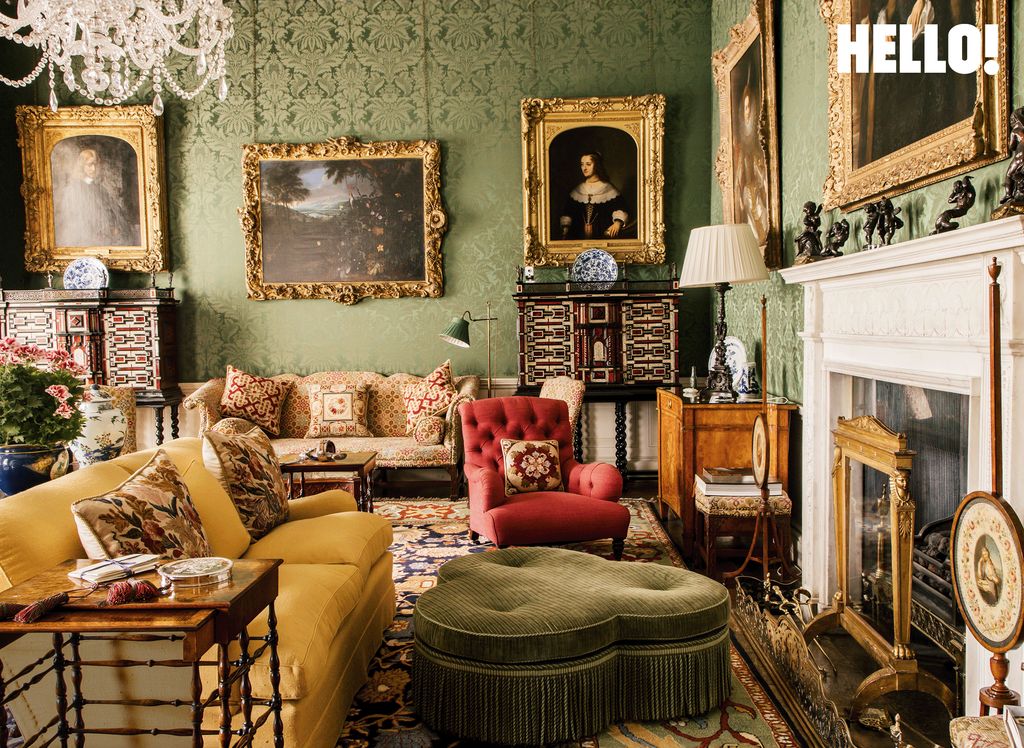
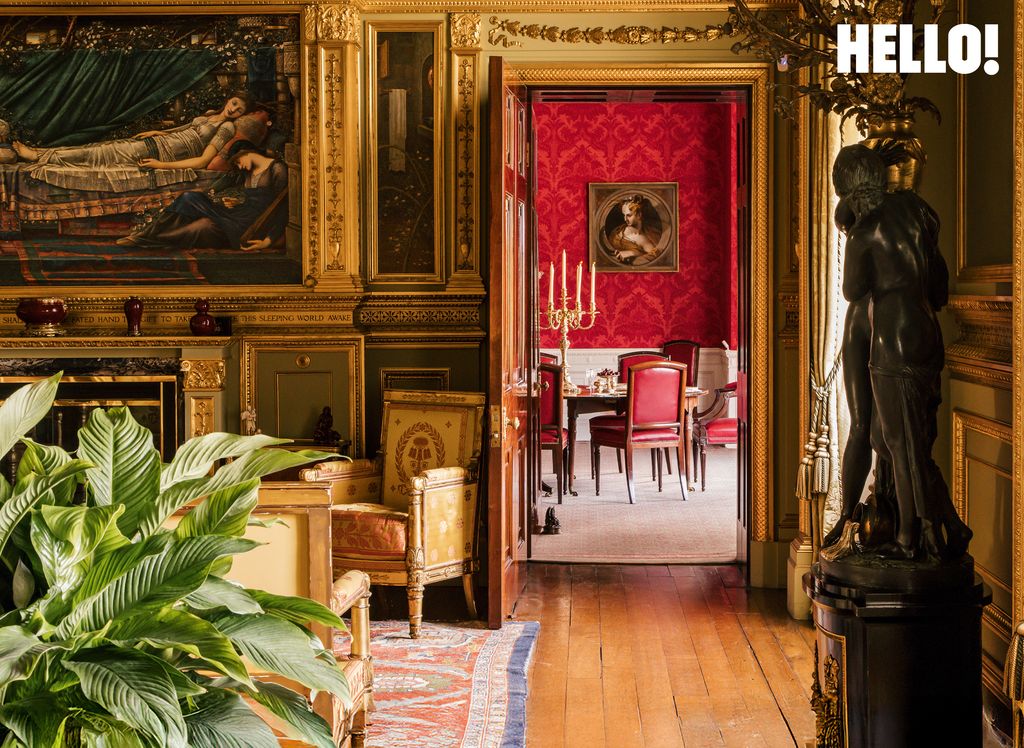
More than just a family home, Buscot Park houses the renowned Faringdon Collection, one of Britain’s most significant private art holdings. The collection boasts masterpieces by Rembrandt, Botticelli, Rubens and Sir Edward Burne-Jones, alongside exquisite furniture by Robert Adam and Thomas Hope.
Buscot Park has long served as a sanctuary, too. During the Spanish Civil War, the 2nd Lord Faringdon opened the estate to Basque children who had been evacuated after the bombing of Guernica, as well as to exiled intellectuals such as Luis Cernuda, Pedro Garfias and Arturo Barea.
Within this tranquil landscape, they found the peace and inspiration they so desperately needed. Today, James and Lucinda, alongside their children, invite us to discover the past, present and future of this extraordinary family legacy.
James, when did Buscot Park first come into your family’s possession?
 © FERNANDA NAVARRO & PALOMA ROJAS-MARCOS
”It was Alexander Henderson, later the 1st Lord Faringdon, who acquired the estate in 1889. Lucinda and I have been living here for ten years, but I have known the house since I was a boy.
”Back then, we lived nearby at Barnsley Park and were frequent visitors to my great-uncle Gavin, the 2nd Lord Faringdon.”
What does the prospect of becoming the next Lord Faringdon mean to you?
 © FERNANDA NAVARRO & PALOMA ROJAS-MARCOS
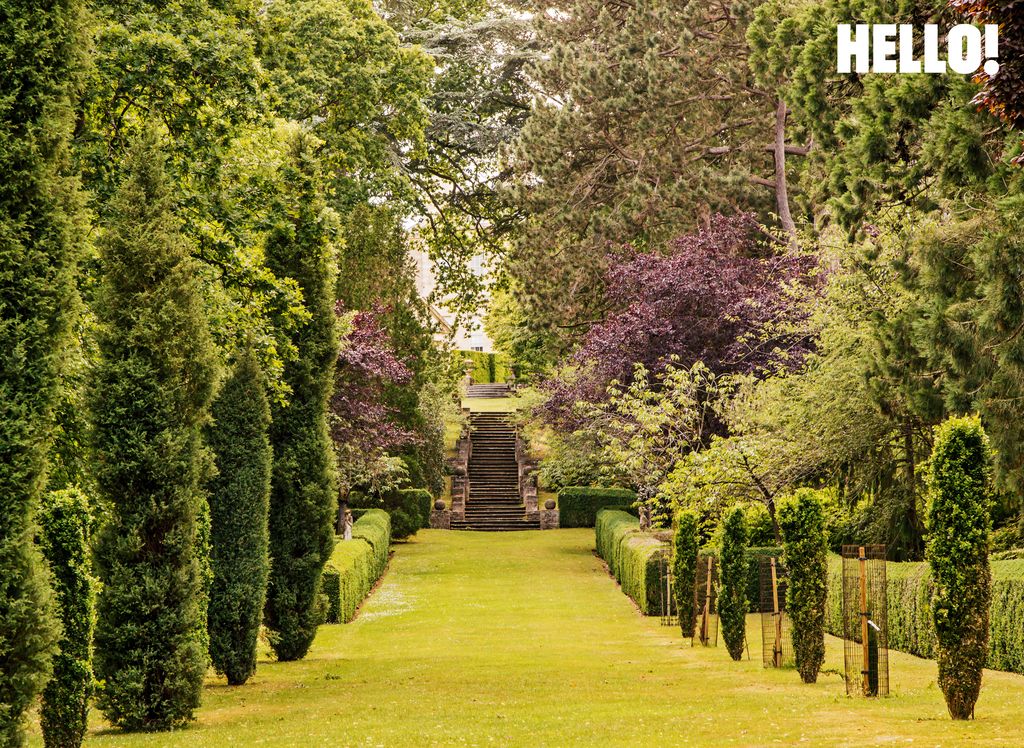
”I will be the custodian of Buscot Park on behalf of the whole family. My main hope is that it can continue to be enjoyed exactly as it is today, especially the gardens and the art collection. It’s a real pleasure to see visitors getting so much out of it.”
Do you feel the weight of responsibility that comes with such a legacy?
 © FERNANDA NAVARRO & PALOMA ROJAS-MARCOS
”We are incredibly lucky. The house and the grounds are in such excellent order that we don’t face the same daunting pressures as many other families with historic estates.”
What changes have been made since the estate came into the family?
 © FERNANDA NAVARRO & PALOMA ROJAS-MARCOS
”I’d say that the most significant development has been the creation and evolution of the gardens, along with, of course, the careful curation of our art collection.”
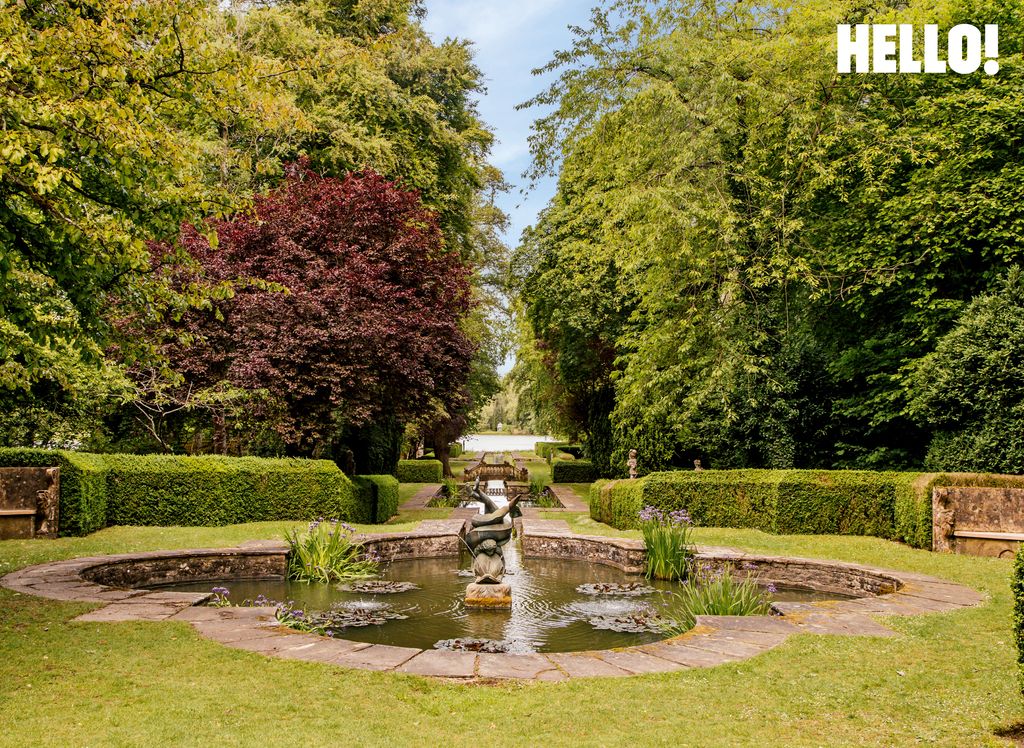
Which part of the gardens best captures the spirit of Buscot Park, and what is your favourite spot?
 © FERNANDA NAVARRO & PALOMA ROJAS-MARCOS
”The view across to the Water Garden is iconic. I especially like the gentle sound of the fountain and the water as it flows down into the lake.”
How did you and Lucinda meet, and what are your children doing now?
 © FERNANDA NAVARRO & PALOMA ROJAS-MARCOS
”We met at Cambridge, where Lucinda was reading history of art. Naturally, when it comes to the heritage of this house, she is even more knowledgeable than I am!
 © FERNANDA NAVARRO & PALOMA ROJAS-MARCOS
”As for our children, they are each busy carving out their own professional paths.”
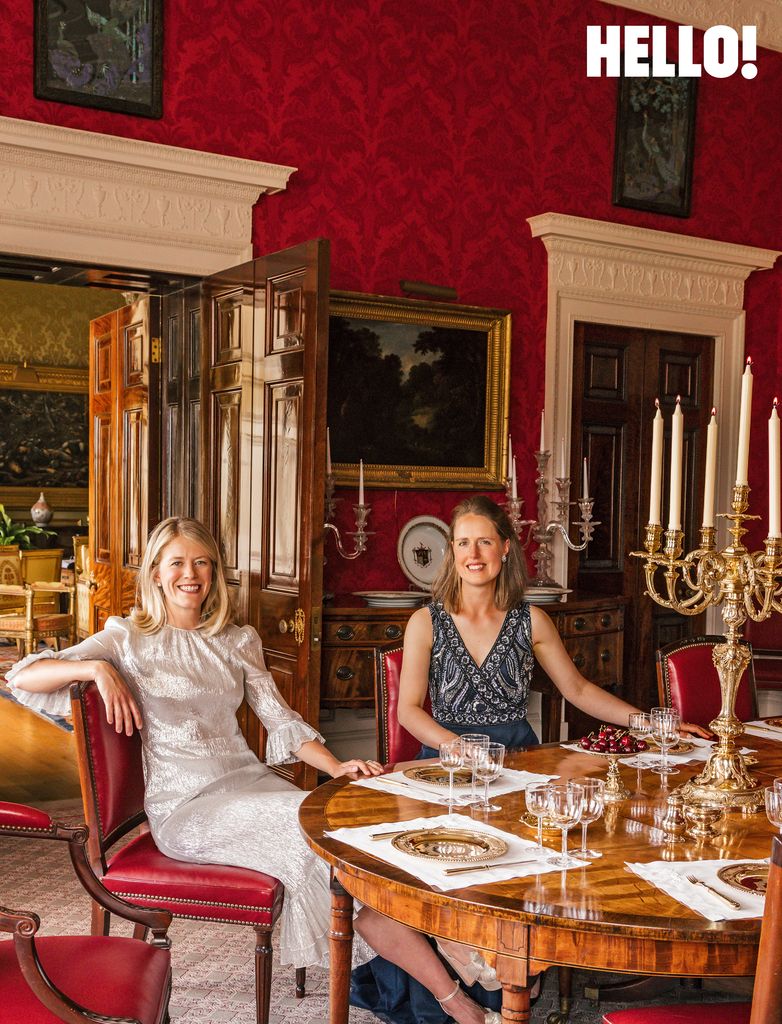
What is everyday life like here?
 © FERNANDA NAVARRO & PALOMA ROJAS-MARCOS
”Lucinda oversees the day-to-day running of everything and is very hands-on. I’m in London for most of the week, though I always return home in the evenings.
”My parents live on the estate as well, in a smaller, very comfortable house. They are still overseeing the gardens, which is their great passion.”
‘We want to develop new routes through the park so that visitors can enjoy the grounds all year round’
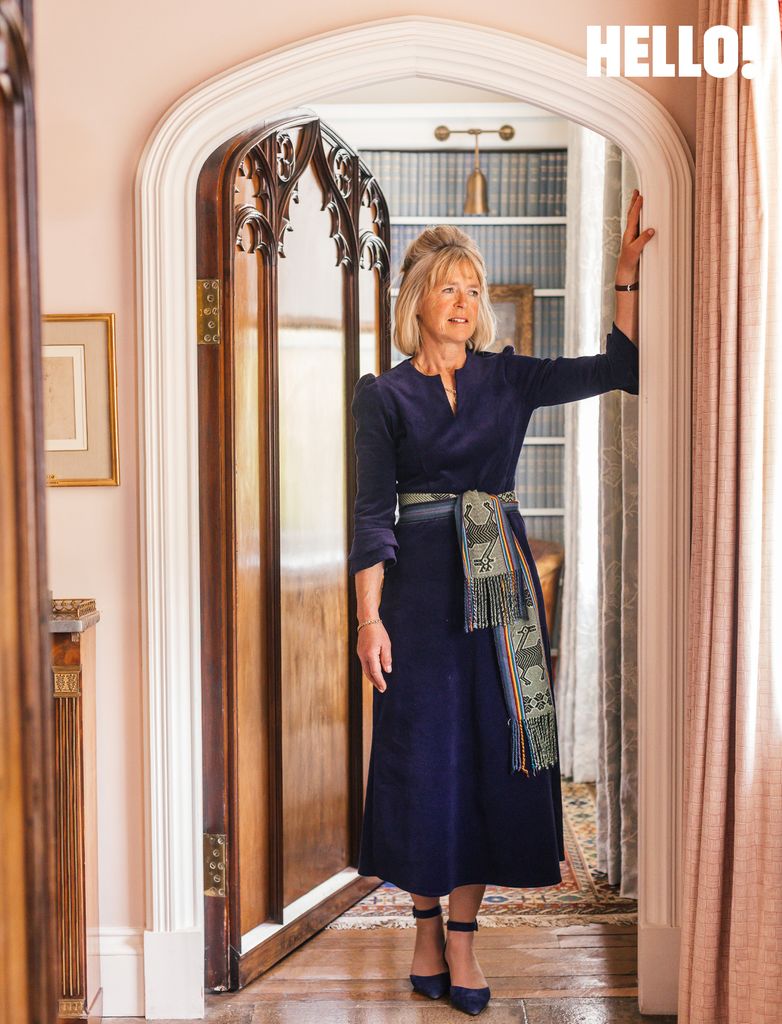
In addition to Buscot Park, you also have a London home that houses part of the collection…
 © FERNANDA NAVARRO & PALOMA ROJAS-MARCOS
”That’s right: our house in Brompton Square, Knightsbridge. My parents usually stay there when they go up to London.”
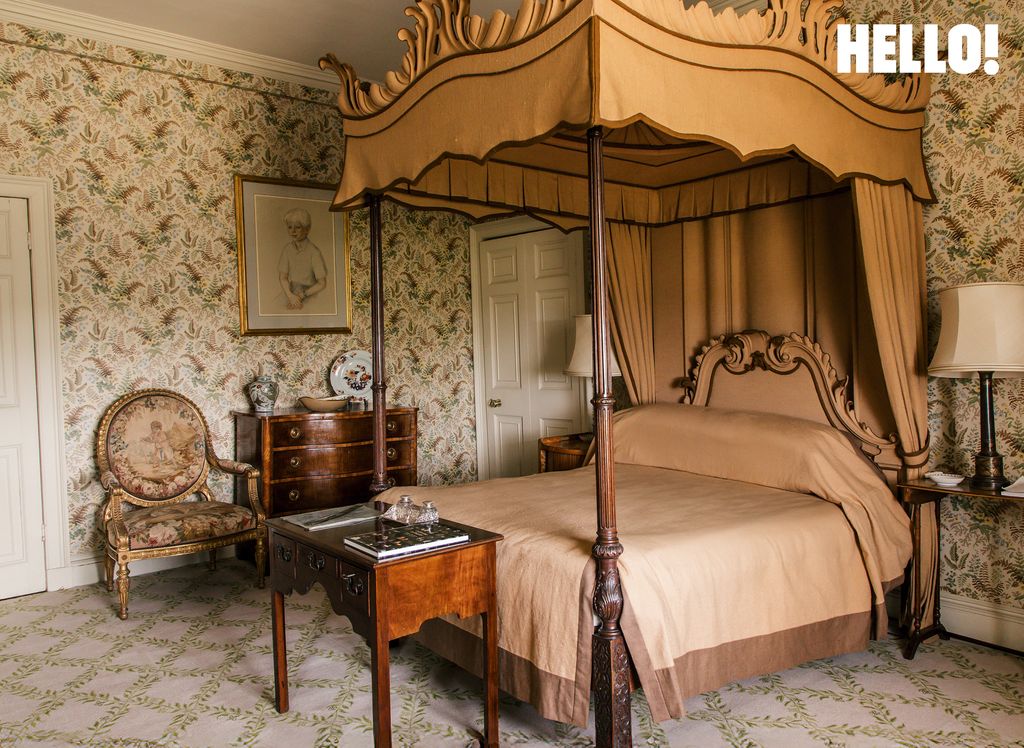
During the Spanish Civil War, your family provided a haven for children who had been evacuated after the bombing of Guernica. What records or mementos do you have from that time?
 © FERNANDA NAVARRO & PALOMA ROJAS-MARCOS
”Gavin, the 2nd Lord Faringdon, kept a detailed diary, along with correspondence and press cuttings from the period.
”Around 55 Basque children lived here between 1938 and 1939, staying in a house in the grounds that we now call Basque Lodge. They were free to explore the woods and swimin the pool when there weren’t any guests. They even performed a play, El Toro Solitario [The Lonely Bull], in our small theatre.”
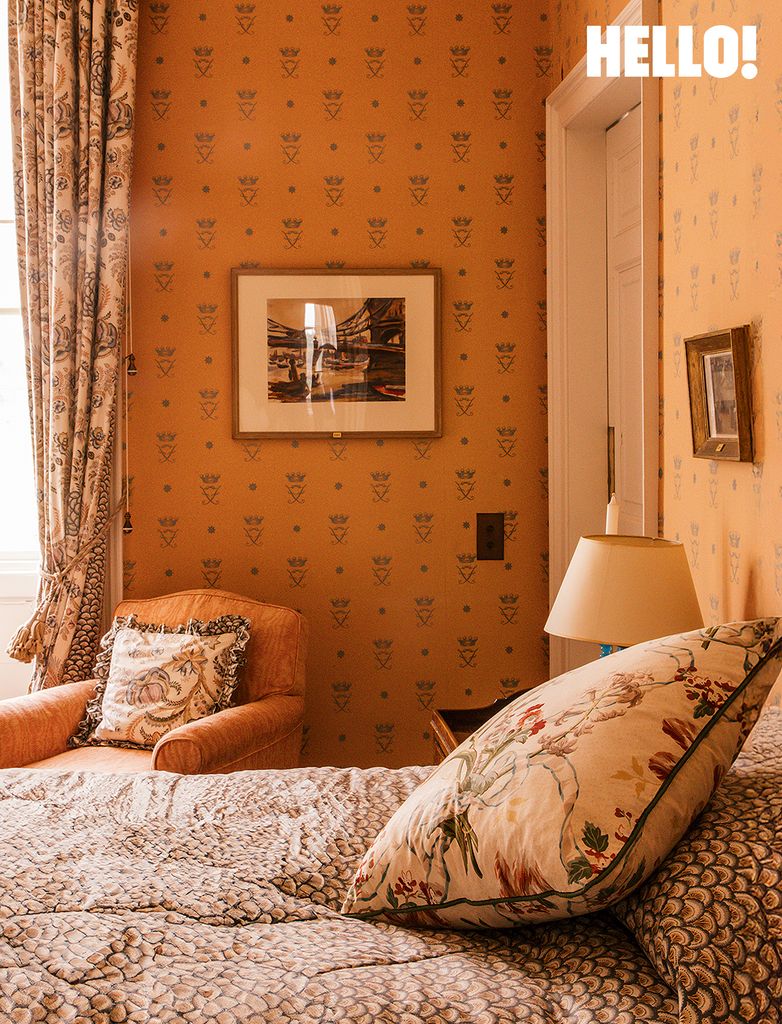
This house has centuries of history, but is there a particular story that stands out to you?
 © FERNANDA NAVARRO & PALOMA ROJAS-MARCOS
”One that springs to mind is a story that scandalised Victorian society and later served as inspiration for Agatha Christie. Florence, the eldest daughter of Robert Tertius Campbell – an Australian businessman, an agricultural pioneer and the second owner of the house – lived at Buscot Park.
”In 1876, Florence’s second husband, Charles Bravo, died in mysterious circumstances while she was there. Despite two official inquiries, no one was ever charged, but the Victorian gossips were convinced of her involvement. It remains one of the great unsolved mysteries of the era.”
Do you enjoy entertaining?
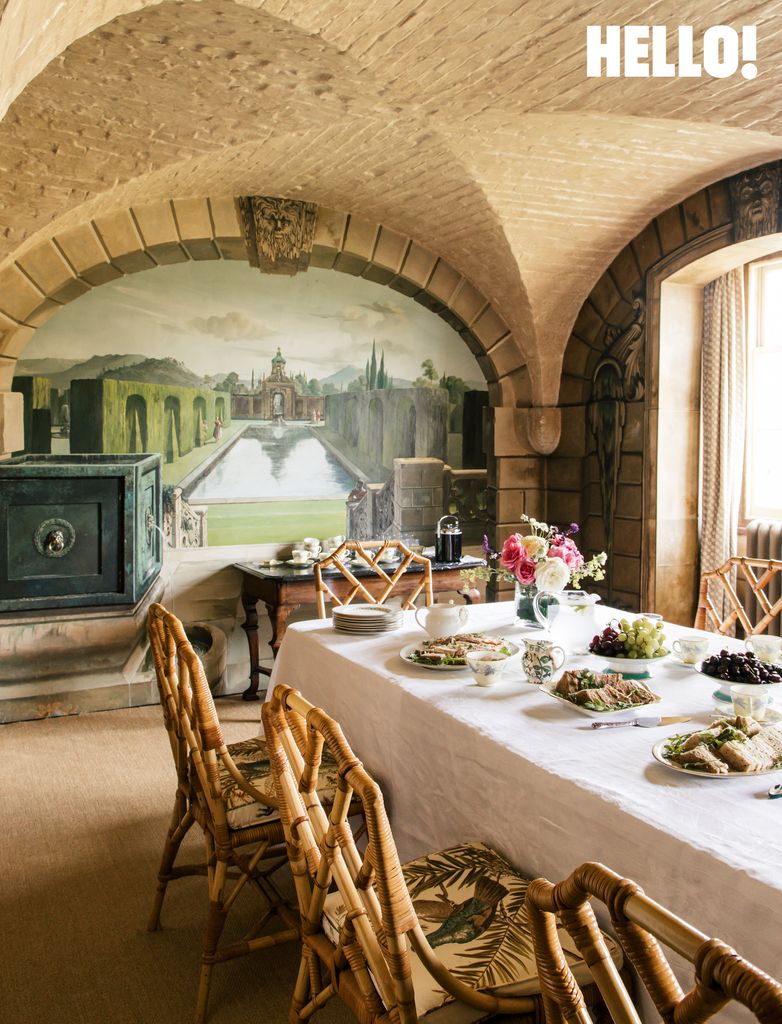 © FERNANDA NAVARRO & PALOMA ROJAS-MARCOS
”Very much so; we enjoy having friends to stay. We love hosting dinner parties, especially when we can follow them with a concert in our little theatre. We also host regularly during the winter, for the shooting season and the racing.”
Are there any projects still on the horizon for the estate?
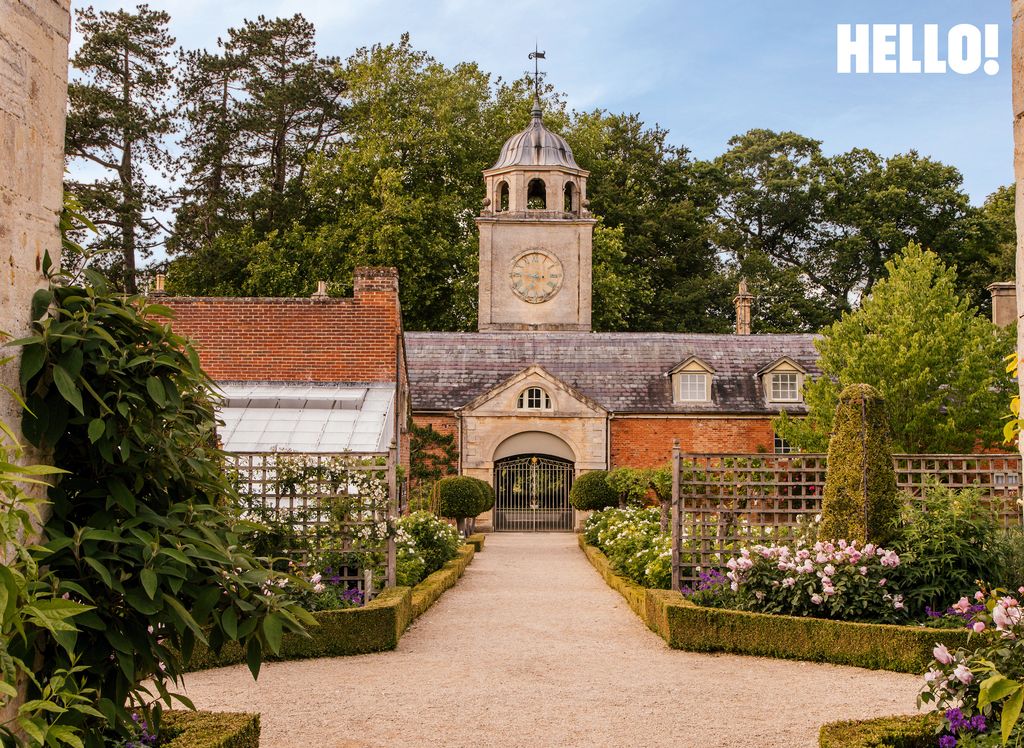 © FERNANDA NAVARRO & PALOMA ROJAS-MARCOS
”Yes, we have a lot of ideas. We’re always looking for ways to expand and enrich the collection.
”We also want to develop new routes through the woods and the park so that visitors can enjoy the grounds all year round. We would love for future generations to be able to enjoy it here even more than we do now.”
Read the full article here