




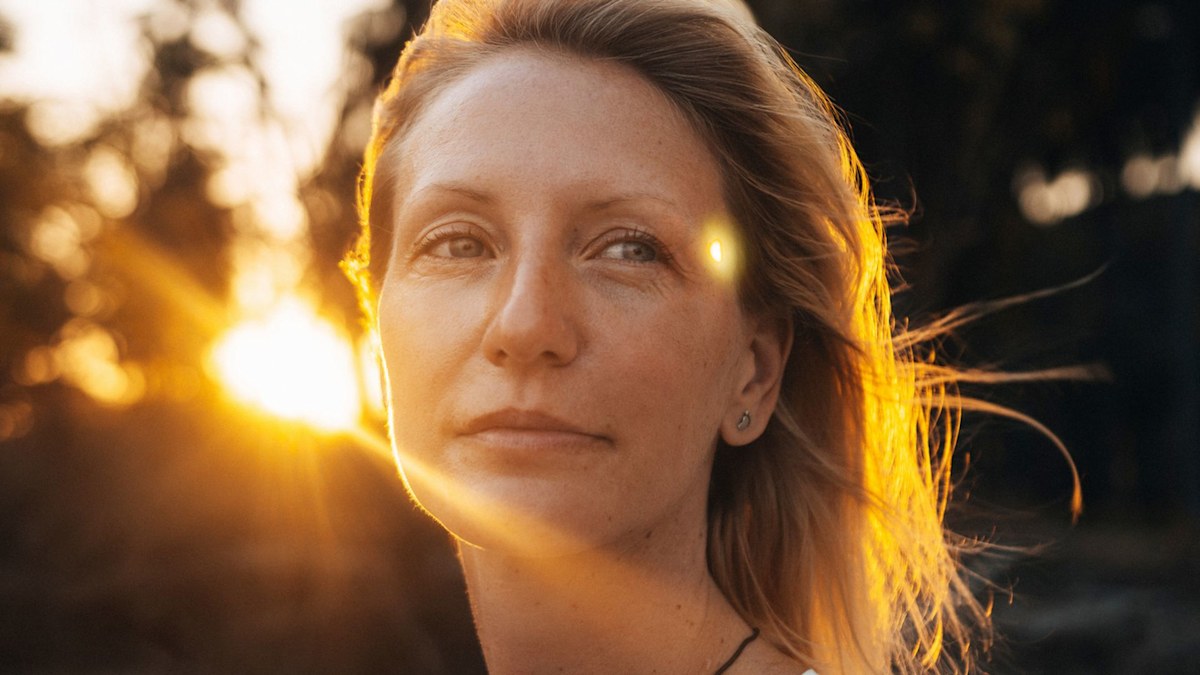

I can’t even remember the last time I truly sat out in the sun. For years, we’ve been told that sun exposure is the arch-enemy of our skin, leading to premature wrinkles and pigmentation, so I’ve never dreamt of leaving the house without a layer of sun cream.
Yet lately, we’re hearing so much about the importance of the “sunshine vitamin”, which might feel like a total contradiction. But it’s not about SPF, the buzz is about the famous Vitamin D.
In midlife, my skin was feeling parched, I felt more run down than usual and, despite a meticulous skincare routine, I was just not seeing the results.
I started to wonder: is it because I’m lacking Vitamin D and the antioxidant superfoods my friends are always raving about? It’s a research-backed approach, and here’s why.
Understanding perimenopause: Why oxidative stress is more than just hormones
While what we apply to our skin matters, our health is ultimately a reflection of what we put into our bodies. During perimenopause, that transitional phase preceding menopause which can last anywhere from two to ten years, this becomes even more vital.
It’s when oestrogen plays a starring role in maintaining our vitality and hormonal equilibrium.
But as we move through this stage, the gradual “wear and tear” caused by oxidative stress and chronic inflammation begin to take a significant toll on our hormonal function, effectively accelerating the ageing process.
“Vitamin D calms inflammation while antioxidants act as a shield, preventing the cellular damage that triggers an overactive immune response”
This isn’t a sudden shift; it’s a silent process that has often been brewing for years, impacting not just our hormones, but our nervous system, metabolism and immune response, too.
The best anti-inflammatory foods for hormonal balance and gut health
Perhaps you’ve already overhauled your diet, tightened up your sleep routine and started exercising more, yet you still feel “flat” and lacking your usual spark. It isn’t all in your head.
Research shows that during perimenopause, women experience a spike in oxidative stress, which plays havoc with hormone production and neurotransmitter balance. In the brain, this can interfere with neuroplasticity and the limbic system – essentially the centre of our emotions.
But there is plenty of cause for optimism: you can slow this process down and take action before these symptoms escalate. It’s possible to fortify your body from the ground up, protecting yourself against oxidative damage and cooling systemic inflammation by topping up essential nutrients like Vitamin D and antioxidants.
 © Getty Images
The role of vitamin D and antioxidants in slowing cellular ageing
A common misconception is that oxidative stress and inflammation are simply the inevitable “wear and tear” of getting older. In reality, these processes are often accelerated by a perfect storm of factors:
- Cellular ageing and a natural decline in our antioxidant reserves.
- Exposure to environmental toxins and the weight of chronic stress.
- A diet lacking in healthy fats and antioxidants.
- A lack of sunlight leading to depleted Vitamin D levels.
Over time, chronic inflammation takes a toll on ovarian function, stifling oestrogen production and throwing the hypothalamic-pituitary-ovarian axis (think of it as our internal hormonal thermostat) out of sync.
Inflammation also interferes with the production of “feel-good” neurotransmitters like serotonin and GABA – our body’s natural anchors for mood and sleep. This is precisely why so many women in perimenopause find themselves suddenly grappling with anxiety, irritability and insomnia.
 © Getty Images
When we are deficient in Vitamin D and antioxidants, we essentially fast-track hormonal ageing. The consequences are far-reaching:
- An increased risk of osteoporosis and persistent, heavy fatigue.
- Premature ageing, lacklustre skin and a significant dip in collagen production.
- A sluggish immune system that leaves you vulnerable.
- A higher susceptibility to low mood, anxiety and brain fog.
- Increased risks surrounding cardiovascular health and insulin resistance.
Your perimenopause nutrition plan: Vitamin D and antioxidants for skin and energy
So, how do you actually lower inflammation? The secret lies in incorporating specific nutrients that protect your cells, fine-tune hormone production and soothe the nervous system.
Vitamin D calms inflammation while antioxidants act as a shield, preventing the cellular damage that triggers an overactive immune response.
To get your body back in balance, consider taking these steps:
- Incorporate natural antioxidants – ingredients like berries, green tea and dark cocoa, along with NAC, astaxanthin and CoQ10 – help neutralise free radicals and protect cells from oxidative damage. Pairing these with polyphenol-rich foods helps boost their effectiveness.
- Prioritise healthy fats like extra virgin olive oil or oily fish. These are building blocks for your hormones and are essential for absorbing Vitamin D.
- To top up your Vitamin D levels, get 10 to 15 minutes of natural sunlight. Ideally, this should be between noon and 3pm – this is when UVB rays are at their peak for vitamin synthesis. Just remember to listen to your skin and avoid burning at all costs.
- Include Vitamin D-rich foods like eggs and fortified dairy in your diet to give your levels an extra lift. Plus, anti-inflammatory compounds such as quercetin, curcumin, glutathione, and SOD work together to dampen inflammation and improve skin elasticity.
Always remember though, that diet is only one piece of the puzzle. Moderate exercise, stress management and restorative sleep are fundamental. They don’t just help regulate your hormones; they also improve how your body produces and uses antioxidants, keeping your brain sharp.
Take it in your stride – all you have to do is start with one small change. Once that feels like second nature, move on to the next challenge.
About the expert:
Andrea Carucci is an integrative health and menopause specialist with over 30 years of clinical experience. She is the author of the Spanish-language book SOS: Menopausia a la vista (SOS: Menopause is on the Horizon) and a lecturer on the Master’s in Integrative Fertility at the European University of Vitoria (EUNEIZ). Her approach combines rigorous science with a warm, personal touch, supporting women through a mindful and healthy transition.
Read the full article here