






As a nutritionist I’m always trying to hack ways to improve my sleep particularly as I’m in my 50s and well into the throes of perimenopause.
During perimenopause, getting a good night’s sleep can often be challenging. When I first started to experience symptoms, I found myself wide awake and wired at 3am, fraught with anxiety.
This in turn caused a spike in my cortisol levels leading to weight gain and mood swings – something which I found could not be fixed by diet and exercise alone.
The National Institutes of Health reveals that sleep disturbances vary greatly across different life stages, ranging from 16 to 42 per cent before menopause, 39 to 47 per cent during perimenopause, and a staggering 35 to 60 per cent after menopause.
Trackable sleep device
In order to understand your sleep cycles and ways to improve your routine, a trackable sleep device is an absolute must. I love Whoop’s latest model 5.0 which offers an ideal bedtime based on your daily strain, sleep debt, and wake-up time, with a haptic alarm to gently wake you in a light sleep stage.
Whoop also offers detailed nightly reports on time in bed, efficiency, disturbances, and sleep stages within the app so you can really get into the nitty gritty details of your chronotype. Understanding this data helps you fine tune when best to head to bed, how many hours you need for your chronotype and when to best wake up. I have been using one for around three months now and I have improved my sleep score exponentially.
Exomind sessions
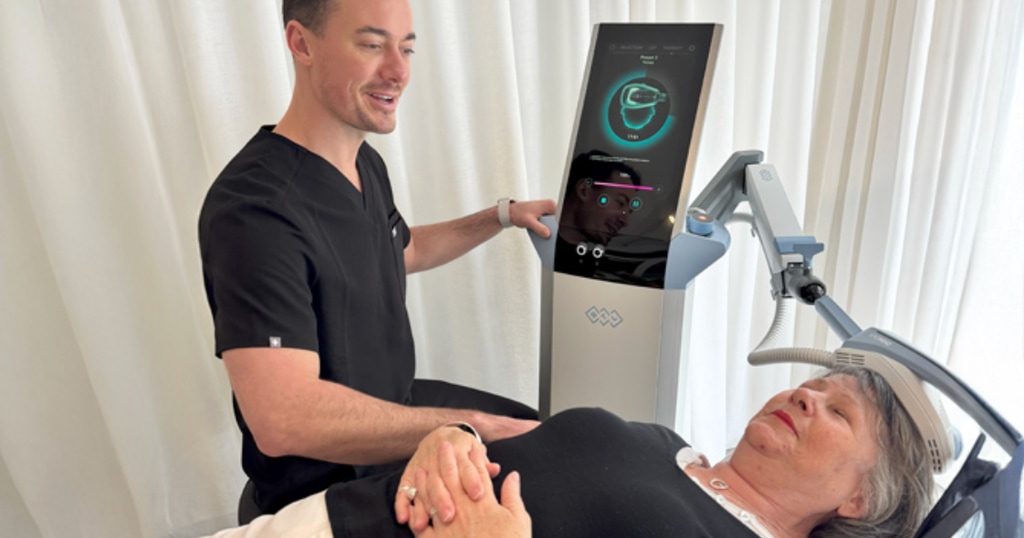
To be honest I was quite sceptical about Exomind when I first heard about it. After all, how could a machine that gently taps your head really improve your sleep? But after five sessions I managed to take my sleep score from 85 to around 90, even on nights where I may have had a glass of wine or eaten a little later, things that would have ruined my sleep before trying out Exomind. Gwyneth Paltrow has previously raved about it for her perimenopausal brain fog, but I found these relaxing and non-invasive sessions did a world of good for my sleep. Under the guidance of Dr Cody the sessions took only around 20 minutes of my day and were easily squeezed into my lunchtimes.
Described as a “non-invasive neuromodulation device”, Exomind uses gentle electromagnetic pulses, formally known as Transcranial Magnetic Stimulation (or TMS), to stimulate brain regions linked to your mood. The goal is to support mental clarity, ease anxiety and address symptoms of perimenopause. The treatment, which has been approved by the US Food and Drug Administration, specifically targets the dorsolateral prefrontal cortex to enhance neuroplasticity and clear the “mental static” that clouds our thinking, allowing us to feel more relaxed throughout the day and more able to drift into a peaceful sleep.
Magnesium baths
 © Getty Images
This has been a non-negotiable of mine for many years and I cannot rave enough about the power of magnesium for aiding optimal sleep. You can buy magnesium salts from most chemists for around $10 for a 500g bath. Simply add a cup to a warm bath at least two hours before bedtime to relax the muscles and soothe the nervous system. Magnesium helps your body relax through calming neurotransmitters like GABA, regulating sleep hormones, and lowering the stress hormone cortisol.
Intermittent fasting
 © Getty Images
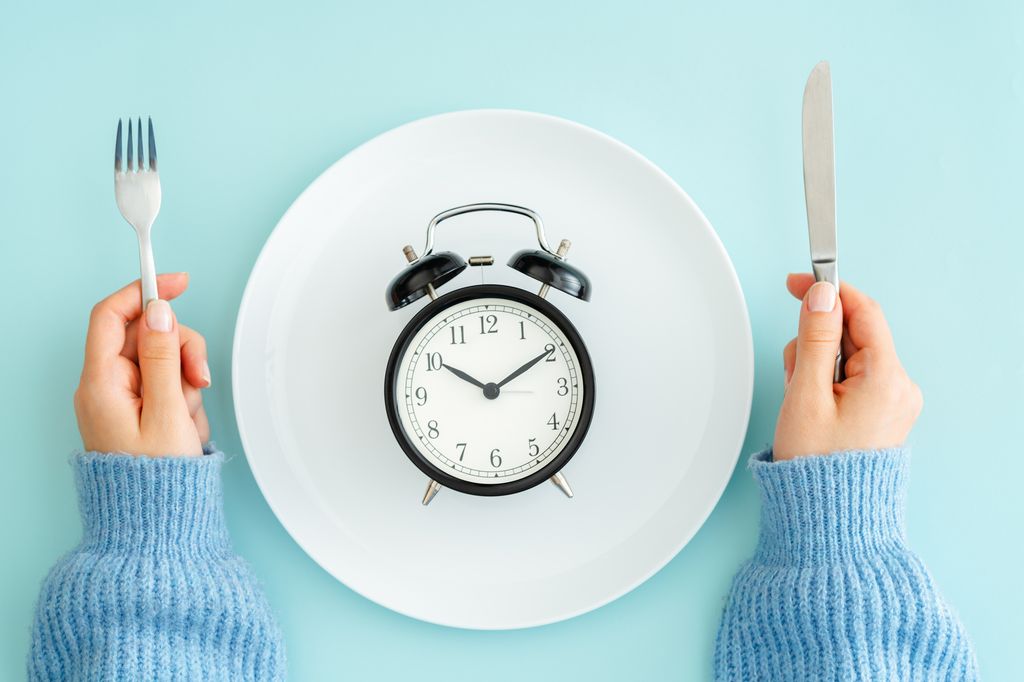
One of the first pieces of advice I give my clients when it comes to sleep is to ensure the body fasts for at least 12 hours. This may sound regimental but it simply means having your last meal say around 6pm and your first meal the next day around 6am. Allowing your body to digest before bedtime is key. It allows your organs to rest while in sleep mode and helps you enjoy longer deep sleep. If your body is having to digest a big meal before bedtime you’re more likely to suffer from a light and restless sleep. I recommend that you have your last meal at least 3 hours before bedtime for optimum sleep.
Sleepy hot chocolate
 © Getty Images
Everyone loves a little sweet treat after dinner right? The trouble with sweet treats is that they can often interfere with your sleep. Spiking the blood sugar before bed can play havoc with your sleep. Instead why not try a hot chocolate that’s aimed towards a good night’s sleep. I found one called Collagen Dream which has an advanced sleep formula with magnesium to help regulate melatonin production and promote relaxation, zinc to regulate sleep patterns and melatonin synthes, plus L-theanine, L-tryptophan, chamomile, passionflower and valerian root to soothe anxiety. Just one cup after dinner not only satiates sweet cravings but also sends you into a dreamy sleep.
Faye James is an accredited nutritionist, member of the Australian Menopause Society and author of The Menopause Diet and Perimenopause Plan.
Read the full article here