






Like many women in their fifties, I have discovered that the rules of weight management change dramatically during perimenopause. The strategies that worked effortlessly in my thirties and forties suddenly feel less effective, and the combination of shifting hormones, sleep disruption and metabolic changes can make weight gain frustratingly stubborn.
As a nutritionist, I know the science behind what is happening. Oestrogen fluctuations can affect insulin sensitivity and appetite regulation, while declining muscle mass can slow metabolism. In theory the solution is straightforward: maintain a high-protein diet, prioritise fibre, stabilise blood sugar and plan meals carefully so that energy intake stays consistent. In reality, that is much easier said than done when you are juggling work, deadlines and family life.
Even for someone who writes about nutrition for a living, the mental load of constantly planning meals can become exhausting. Between grocery shopping, prepping ingredients and cooking dinner every night, it is easy for healthy intentions to fall apart by midweek. That is why I decided to experiment with something I had never tried before: a structured meal delivery service designed to support weight loss.
I chose a keto-focused plan from A Life Plus, a service that delivers freshly prepared meals designed to follow a low-carbohydrate approach. The promise was appealing. Five days of ready-made meals delivered to my door, carefully portioned and designed to make healthy eating easier during busy weeks.
Why meal planning matters more in midlife
One of the biggest challenges women face during perimenopause is consistency. Weight management during this stage of life is less about dramatic diets and more about maintaining stable habits over time. When meals are planned in advance, it removes the decision fatigue that often leads to impulsive choices.
Research consistently shows that people who plan meals are more likely to maintain a healthy weight. Planning helps regulate portion sizes, ensures protein and nutrient intake remain balanced, and prevents the common scenario of skipping meals during the day only to overeat later in the evening.
 © Getty Images
For busy professionals, meal delivery services offer an appealing shortcut. Instead of cooking from scratch every night, you simply heat a prepared meal and focus on everything else competing for your time.
As someone who spends most of my day writing, consulting and testing recipes, I was curious to see whether outsourcing dinner could actually make healthy eating easier.
First impressions
The first thing I noticed when my delivery arrived was that the meals were fresh rather than frozen, which immediately set them apart from many other services. Each dish arrived chilled and carefully packaged, ready to be heated and served within minutes.
The menu is designed around a ketogenic approach, meaning the meals are relatively low in carbohydrates and higher in fats. This type of eating pattern is often promoted for weight loss because it can help regulate blood sugar and reduce cravings when executed correctly.
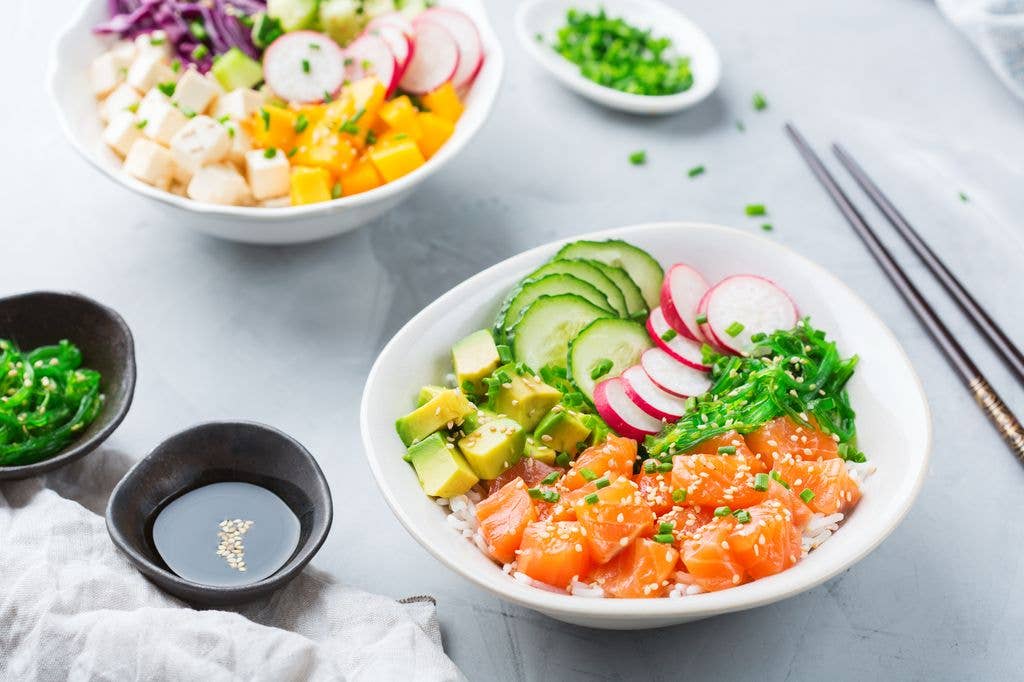
The meals themselves looked appetising and thoughtfully prepared, with a strong emphasis on seafood and lean proteins paired with low-carbohydrate vegetables.
 © Getty Images
The standout dishes
Several meals genuinely impressed me. The Curried Laksa Prawns with Cauliflower Rice and Crispy Tempeh was one of the highlights of the week. The broth was aromatic and comforting, with just enough spice to feel indulgent without overwhelming the delicate prawns. The cauliflower rice absorbed the flavours beautifully and made the dish surprisingly satisfying.
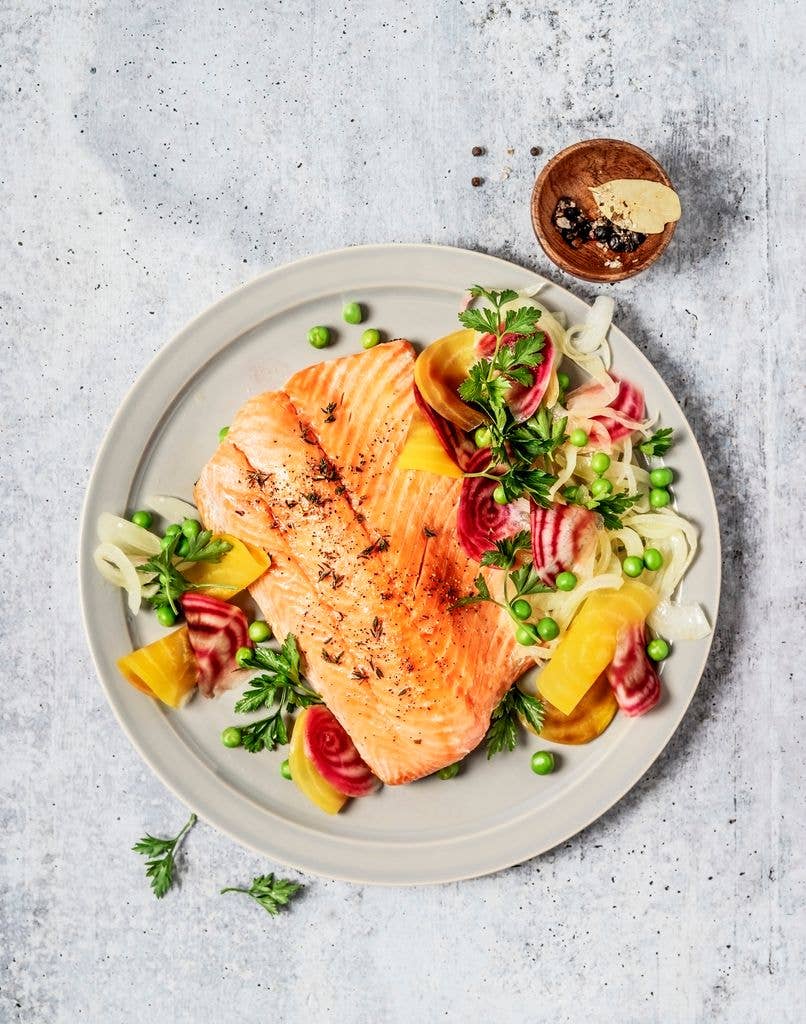
Another favourite was the Responsibly Fished Roast Salmon with Kale and Cauliflower Salad, Roast Fennel and Tartare Sauce, which felt closer to a restaurant-quality meal than something delivered in a box. The salmon was tender and flavourful, and the combination of roasted fennel and tartare sauce gave the dish a freshness that many meal delivery services struggle to achieve.
Seafood also featured in the Keto Dill and Garlic Responsibly Fished Barramundi, a simple but well-executed dish where the delicate fish paired nicely with the herbaceous dressing.
For something more comforting, the Chicken Breast Parmigiana with Green Beans and Roasted Lemon Parmesan Cauliflower was another standout. It had the familiar flavours of a classic pub favourite but in a lighter, low-carbohydrate form.
Perhaps surprisingly, my favourite dish of the entire week was the chocolate mousse dessert, which was rich, smooth and deeply satisfying without tasting artificially sweet.

Convenience that genuinely helps
One of the undeniable benefits of the service was convenience. On evenings when I would normally be rushing home to cook after a long day, having a ready-made meal waiting in the fridge felt like a small luxury.
Instead of spending thirty minutes preparing dinner, I simply heated the meal and sat down to eat. For anyone balancing work, family responsibilities and personal commitments, that time saving alone can be extremely valuable.
The service itself was reliable and easy to manage, and in terms of value for money the pricing felt reasonable at $130 a week for lunch and dinner, when compared with the cost of buying high-quality ingredients individually.
 © Getty Images
Where the plan fell short
However, as a nutritionist who tracks macros and fibre intake closely, I did notice a few issues.
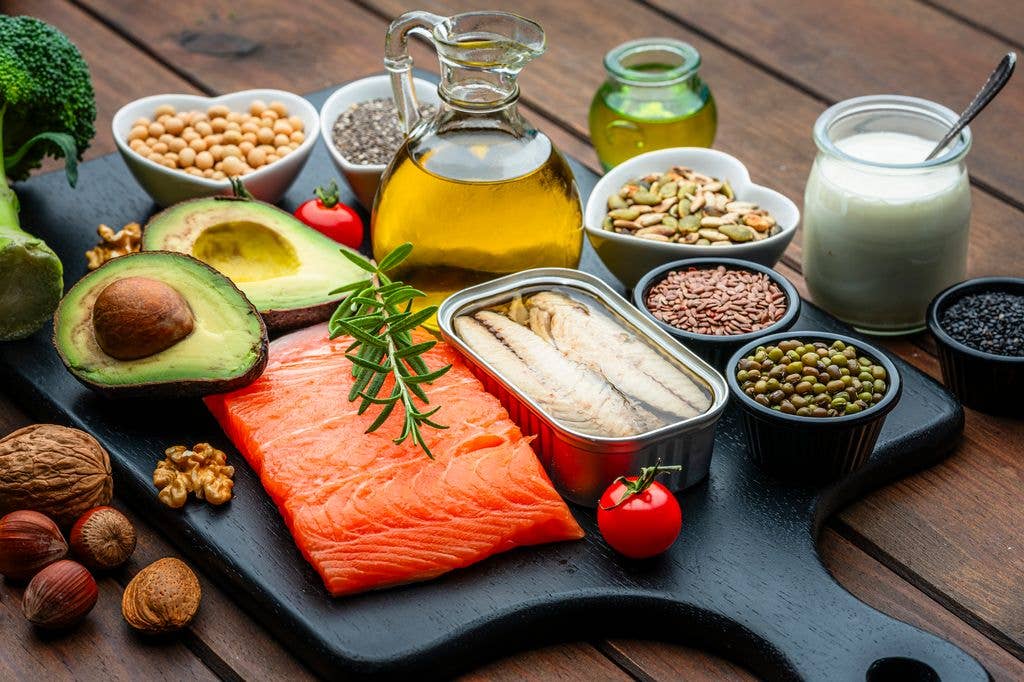
While the meals were marketed as high-protein, the actual protein content sometimes felt lower than expected, particularly for someone aiming to preserve muscle mass during midlife. Adequate protein intake becomes increasingly important during perimenopause because muscle loss accelerates with age, and maintaining lean mass is critical for metabolic health.
Another concern was fibre. Many of the meals were relatively low in fibre because they followed a strict low-carbohydrate structure. While keto diets can work for some people, fibre plays an important role in satiety, gut health and blood sugar regulation.
During the four weeks I followed the plan, I often found myself feeling hungry between meals, which is something I rarely experience when eating a higher-fibre diet built around vegetables, legumes and whole foods.
 © Getty Images
The weight loss results
In terms of weight loss, the results were modest. After four weeks on the plan, I had lost just one kilogram. While any weight loss can be positive, the result was smaller than I had expected given the controlled portion sizes and low-carbohydrate approach.
It is possible that the relatively high fat content of some meals contributed to this. While healthy fats are an important part of nutrition, they are also calorie dense, and if fat intake is too high it can slow weight loss. Combined with the lower fibre intake, this may have contributed to the persistent hunger I experienced during the program.
My final verdict
Overall, my experience with the meal delivery service was mixed.From a convenience perspective, it was excellent. The meals were fresh rather than frozen, the flavours were impressive and several dishes genuinely stood out. For busy professionals who struggle to find time to cook during the week, having nutritious meals delivered to the door can make healthy eating significantly easier.
However, from a nutritional perspective, I would make a few adjustments. Increasing protein portions and incorporating more fibre-rich vegetables would likely improve satiety and support more effective weight management, particularly for women navigating the hormonal changes of perimenopause.
For anyone considering a meal delivery service, my advice would be to view it as a helpful tool rather than a complete solution. Meal planning remains one of the most powerful strategies for maintaining a healthy weight, and services like this can certainly remove some of the stress that comes with it.
But ultimately, the most effective approach is one that balances protein, fibre and healthy fats while keeping you satisfied enough to maintain the routine long term. And in midlife, consistency matters far more than perfection.
Read the full article here