




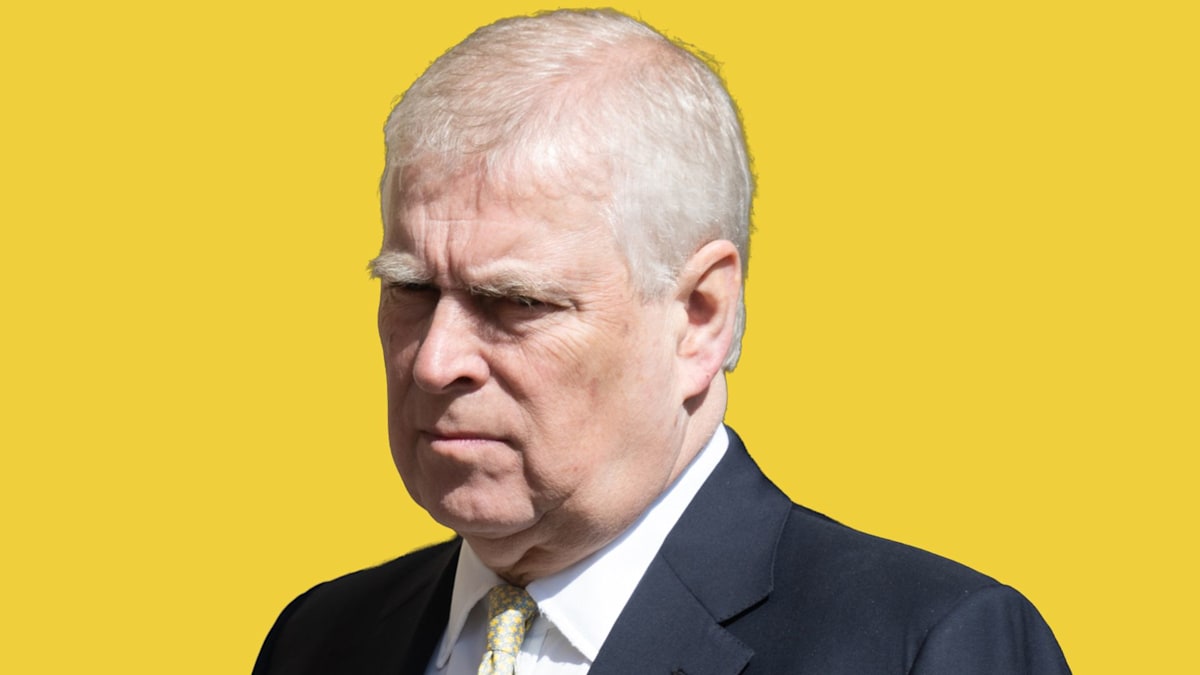

As the second son of Queen Elizabeth II, Andrew Mountbatten-Windsor, formerly known as Prince Andrew, was born second in line to the throne. Over the years, with his older brother Charles becoming a father and later a grandfather, the disgraced former Duke has been pushed further down, and now sits eighth in line.
While Andrew has lost his titles, honors, style, and longtime residence all within the last year because of his links to convicted sex offender Jeffrey Epstein, he has retained his place in the line of succession. However, calls to oust the King’s brother intensified after he was arrested on suspicion of misconduct in public office on February 19, his 66th birthday.
Following his arrest, a YouGov poll found that 82 percent of the British adults surveyed believe the 66-year-old royal should be removed from the line of succession. Succession to the throne isn’t regulated solely by descent, but also by Parliamentary statute, as the royal family’s website notes.
And in the wake of Andrew’s arrest, the UK government, according to the BBC, is considering removing him. The Times reported on February 21 that Prime Minister Keir Starmer was “willing to introduce legislation to strip Andrew of his right to succeed” and that the palace had “said it will not stand in the way”.
An unprecedented situation
The former Duke of York wouldn’t be the first member of the British royal family to be removed. Some members have lost their place due to relationships and religion. Though, as royal author Robert Jobson previously wrote for The HELLO! Royal Club: “There is also no precedent for a royal enforced removal. Edward VIII’s 1936 abdication was after all voluntary and he signed the instrument himself.”
“Nobody has ever been forcibly expelled from the British succession. Even Catholic King James II, who fled the country, was declared an abdication by Parliament, even though he never accepted it,” Robert added.
How and when would Andrew be removed
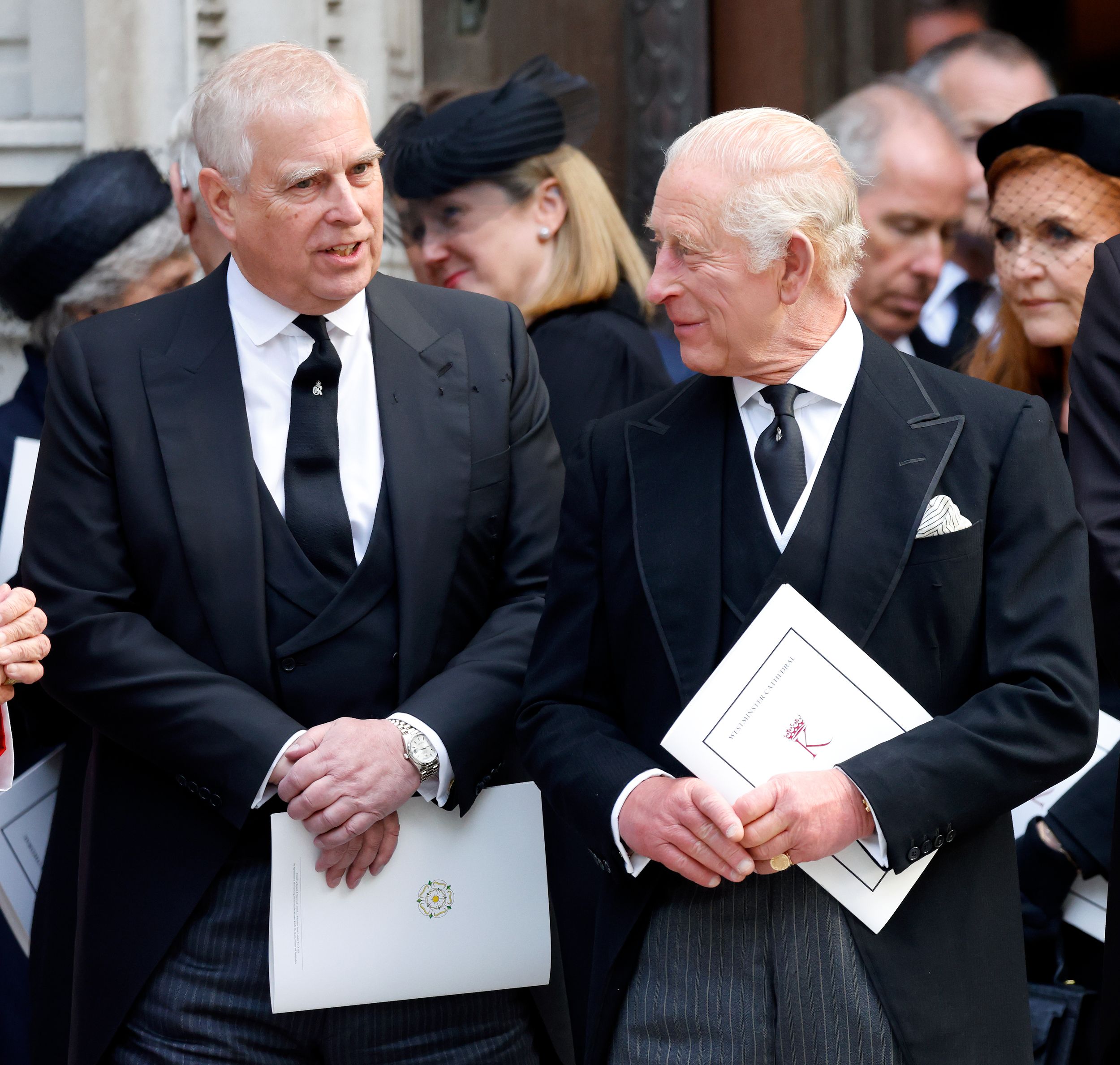
Ousting Andrew from the line of succession so that he could never be King would require an act of Parliament, approved by MPs and peers. It would come into effect when given royal assent by Andrew’s brother King Charles.
It would also need to be supported by the 14 Commonwealth realms, of which Charles is sovereign. Those realms include Antigua and Barbuda, Australia, Bahamas, Belize, Canada, Grenada, Jamaica, New Zealand, Papua New Guinea, Saint Kitts and Nevis, Saint Lucia, Saint Vincent and the Grenadines, Solomon Islands and Tuvalu.
Robert previously explained that “identical legislation” would have to pass through the realms, who “must agree and vote it through their parliament”.
It’s understand that the UK government will consider introducing such legislation once police have finished their investigation into the disgraced royal.
 © Getty Images
Australia’s support
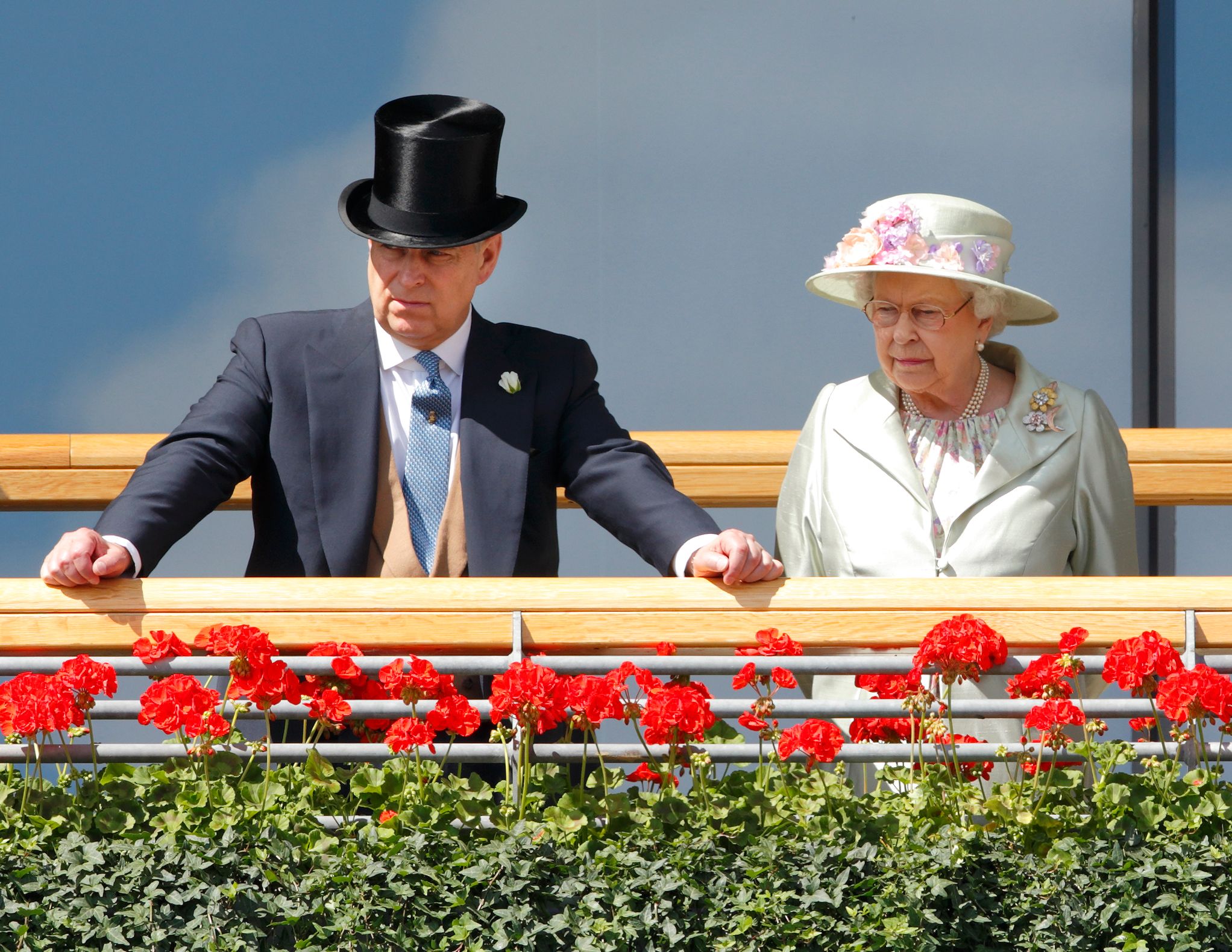
Australian Prime Minister Anthony Albanese has already written to British Prime Minister Keir Starmer expressing his support to remove Andrew. “In light of recent events concerning Andrew Mountbatten-Windsor, I am writing to confirm that my government would agree to any proposal to remove him from the line of royal succession,” Albanese penned in a letter to Starmer (via Sky News). “I agree with His Majesty that the law must now take its full course and there must be a full, fair and proper investigation. These are grave allegations and Australians take them seriously.”
During an interview on B105 Brisbane on February 24, the Australian Prime Minister remarked that removing Andrew would be a “good change”. He said: “I think these are pretty serious allegations. His Majesty, King Charles, is our head of state, and then there’s a line of succession. But I reckon that people don’t want this bloke in a line of succession to be our head of state. And people have different views about the republic, I’m a Republican, but we have a system in place. But it is completely unacceptable.”
“He’s been denied his title of prince, that’s been removed, but it’s about time as well that we removed him from the line of succession. That requires not just the UK to lead on this, but all 14 realm countries, that is, countries that have King Charles as their head of state, to agree. The last time this happened was when we allowed, changed the laws more than a decade ago so that girls could be in the line of succession, not just boys,” Anthony continued, referencing the 2011 Perth Agreement. “And that was a good change. And it’d be a good change to remove Andrew completely from that line.”
 © Max Mumby/Indigo/Getty Images
Backing from New Zealand
In the same interview, the Australian Prime Minister revealed that he had already written to other premiers and chief ministers telling them that they would require their support. New Zealand’s Prime Minister has also voiced support for Andrew’s removal.
A spokesperson for Prime Minister Christopher Luxon said in a statement (via the BBC): “If the UK Government proposes to remove Andrew Mountbatten-Windsor from the order of succession, New Zealand would support it,” adding: “The UK Government has said any proposals would come after the police investigation concludes.“
Later speaking to the media, Christopher said (via RNZ): “The bottom line is no one is above the law and once that investigation is closed, should the UK government decide to remove him from the line of succession, that is something we would support.”
Andrew’s arrest
Andrew hit a new low in his fall from grace on the morning of his 66th birthday, when he was arrested on suspicion of misconduct in public office. He was released later that evening looking shocked in the backseat of a vehicle as he left the Aylsham Police Station. Ten days prior, the Thames Valley Police confirmed that they were assessing claims that Andrew had shared confidential information from his role as the UK’s trade envoy with Epstein.
After his arrest on February 19, the King said in a statement shared by Buckingham Palace: “I have learned with the deepest concern the news about Andrew Mountbatten-Windsor and suspicion of misconduct in public office. What now follows is the full, fair and proper process by which this issue is investigated in the appropriate manner and by the appropriate authorities.”
“In this, as I have said before, they have our full and wholehearted support and co-operation. Let me state clearly: the law must take its course,” Charles continued. “As this process continues, it would not be right for me to comment further on this matter. Meanwhile, my family and I will continue in our duty and service to you all.”
Read the full article here