






Menopause is a natural stage that all women experience, typically between the ages of 45 and 55. It marks the end of a woman’s reproductive capacity and is officially defined as the point when you’ve gone twelve consecutive months without a period.
While fundamentally a biological change, primarily driven by hormonal fluctuations, its implications extend far beyond these chemical messengers and the disruption they can cause.
The menopause affects women’s physical health as well as their emotional and psychological well-being – but women often lack the correct information on how to improve their quality of life during this transition.
“Many enter this new stage with very little information because they haven’t paid attention to it until they start noticing the first signs in their body,” explains psychologist Maria Bolaños.
“Some choose to keep quiet about it because they associate it with the stigma of old age and feel the social pressure to stay youthful. That’s why reaching this stage can lead to frustration or embarrassment.”
Understanding menopause: Physical vs psychological symptoms
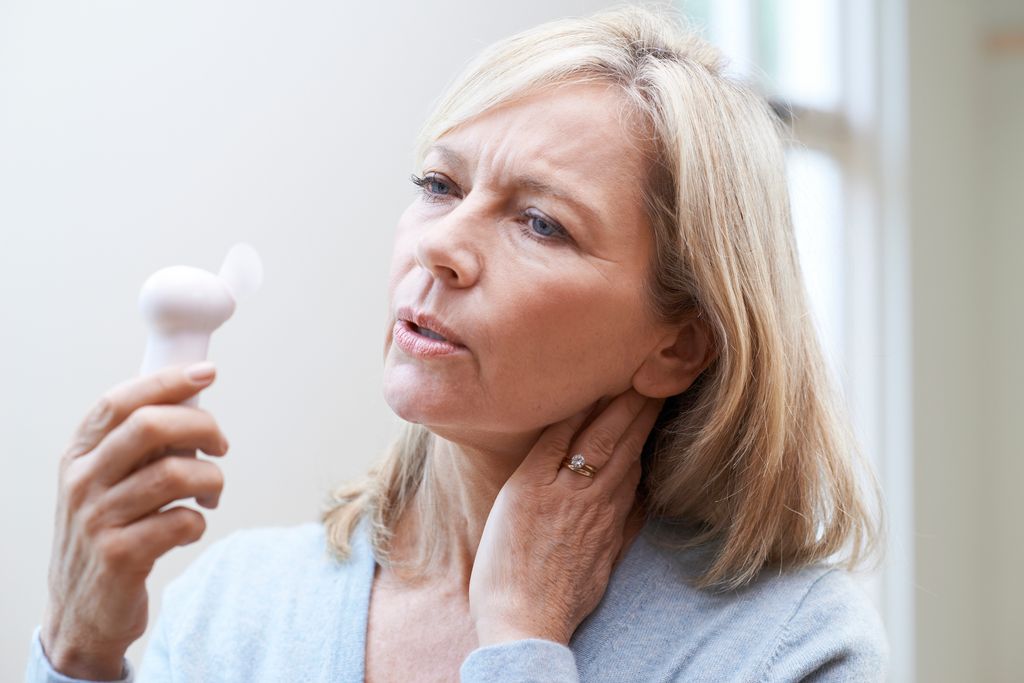
When we talk about the menopause, the first things that usually spring to mind are physical symptoms like hot flushes, insomnia, and weight gain, as well as mood swings, irritability and a reduced sex drive.
However, these don’t tell the full story of all the related changes a woman goes through. According to Bolaños, “All of these can be a result of hormonal changes, but we mustn’t forget the influence of psychological factors.”
“Some women choose to keep quiet about [perimenopause and menopause] because they associate it with the stigma of old age and feel the social pressure to stay youthful. That’s why reaching this stage can lead to frustration or embarrassment”
Menopause isn’t just about dealing with physical changes; it’s also about adapting to a new stage of life that is accompanied by what Bolaños calls an “emotional journey”.
This process is unique to every woman and depends on several factors: how expectations are managed, cultural and social beliefs about menopause and, last but not least, each woman’s previous lifestyle.
 © Getty Images
Why menopause feels different: Identity, risk and self-discovery
As we get older, “there are women who feel uncertain about the risk of suffering from conditions like osteoporosis or cardiovascular problems; other women feel a loss of identity due to the end of their reproductive capacity,” says the expert. “But there are also those who see this stage as a liberation or even as an opportunity to re-evaluate their life purpose and rediscover themselves.”
Menopause is an opportunity for personal growth – a time to leave behind stigmas, embrace change and reconnect with yourself
In fact, beyond the hormones and the physical and emotional changes that accompany the menopause, this stage also brings advantages, provided you learn how to see it that way and use techniques to achieve it.
Essential psychological tools to manage menopause
In addition to psychological support, there are practical tools that can make a significant difference to the quality of life during the menopause. Psychologist Patricia Ramírez – the social media personality known as Patri Psicóloga -highlights the importance of practices such as visualisation, meditation, conscious breathing and physical exercise.
“We now know that when the brain visualises something, it doesn’t distinguish between fiction and reality. If you visualise yourself in a calm place, as far as your brain is concerned, it’s as if you’re actually there,” she explains. “This leaves a trace in your memory that prepares you to be more confident to live the situation in real life.”
This stage can mark the start of a time of their lives that women can prioritise their physical and emotional well-being without feeling guilty
According to Patri, this technique is particularly useful in moments of insecurity or uncertainty, as it helps women reconnect with feelings of calm and empowerment.
She also suggests incorporating meditation and conscious breathing into your daily routine. These practices not only reduce stress but also improve emotional health by promoting a deeper connection with the present.
 © Getty Images
Beyond walking: The best exercise for menopause
Physical activity is another fundamental pillar for well-being during the menopause. According to Patri, while walking is a good habit, it isn’t enough.
“It’s important to add intense aerobic exercises, such as swimming, running or dancing, alternating with strength training routines. Until recently, the benefits of strength training for mental health weren’t fully understood. There’s a connection between muscle and mind that is as strong as the one between heart and mind. Neurogenesis, or the creation of new neurones, is generated, which strengthens the brain and helps prevent cognitive decline,” she explains.
In addition to the mental benefits, regular exercise helps combat some of the physical symptoms of the menopause, such as weight gain and loss of bone density. It also improves sleep quality, another key aspect of this stage.
 © Getty Images
How to improve sleep quality during the menopause transition
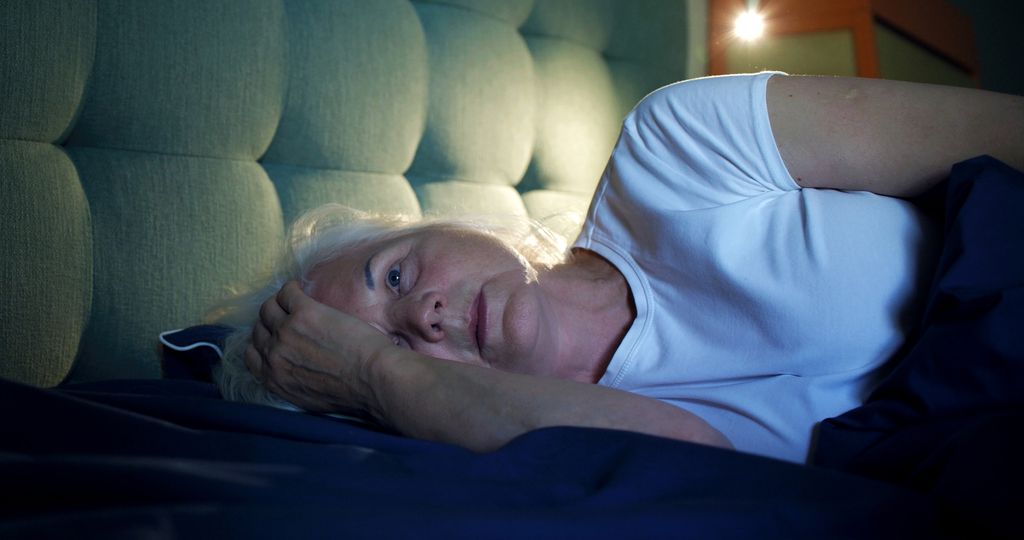
Sleep is often disrupted during the menopause due to hormonal changes. However, Ramirez reminds us that doing our best to get restorative rest is essential for maintaining emotional and physical balance.
“Neurotransmitters that help cognitive functions work well are regulated overnight. Without adequate sleep, it’s easier to become irritable and lose self-control,” she comments.
To improve sleep, she recommends muscle relaxation techniques and the use of specific food supplements that promote restorative rest. She also advises taking 15-minute breaks during the day so that the brain has time to regenerate and process accumulated information.
 © Getty
Social connection: The power of relationships in menopause wellbeing
Another fundamental aspect for emotional well-being during the menopause is personal relationships. According to Ramirez, meaningful connections with other people can have a profoundly positive impact.
“When you have fun, genuine relationships with people who share similar values with you, the positive psychological effect is maximised. You can’t underestimate the power of a good conversation and a shared laugh,” she affirms.
Menopause is a stage where you don’t have to pretend to be something you’re not – so it can mark the beginning of a fuller and more authentic period of life.
 © Getty
Embracing change: The positives of menopause
Although menopause can bring changes that often pose a significant challenge for women, both psychology experts agree that it’s also an opportunity for personal growth. It’s a time to leave behind stigmas, embrace change and reconnect with yourself.
“You don’t have to put on a persona that isn’t yours. You learn to accept yourself, and you may even have more time to look after yourself and focus on you,” Ramirez states.
 © miniseries
This stage can mark the beginning of a period where women can prioritise their physical and emotional well-being without feeling guilty.
You shouldn’t stop being yourself, and the arrival of the menopause doesn’t have to change you at all – you simply need to accept that it’s a moment, like so many, that you will have to go through. Sometimes, those moments of our lives that generate the most discomfort can provide the most valuable life lessons.
Read the full article here