




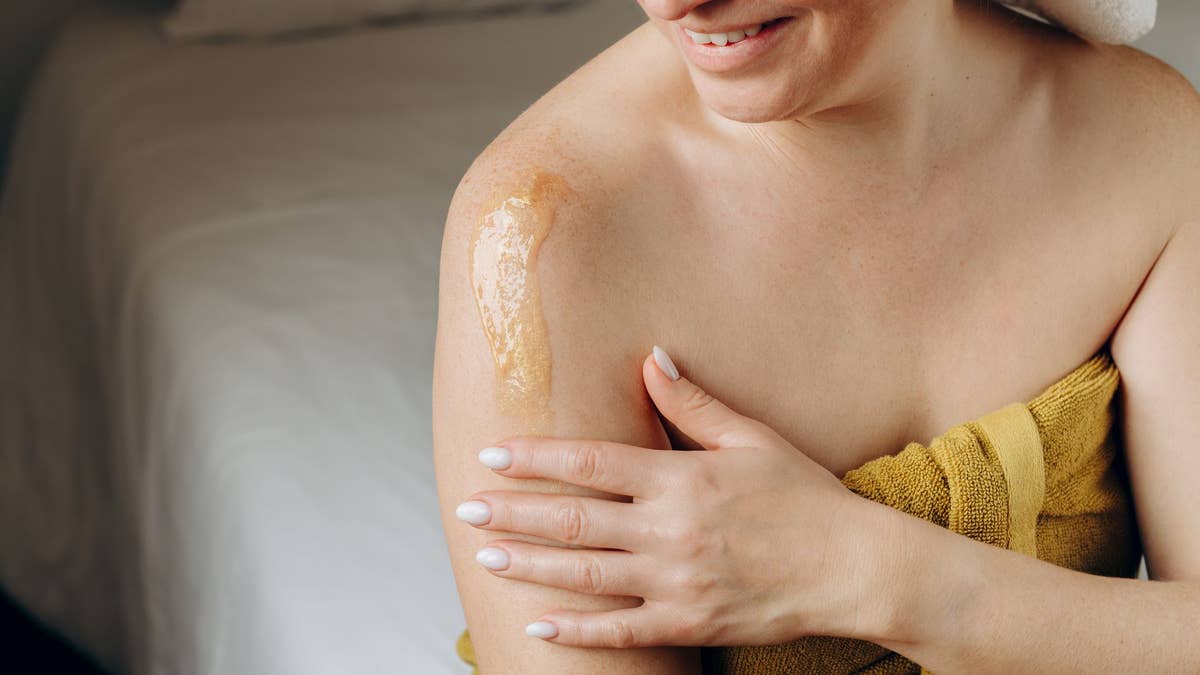

It’s easy to brush off an itch as something minor, but the truth is it can really take a toll on your quality of life – especially when it becomes a chronic issue with no end in sight.
The first step is getting to the bottom of what’s causing your itching, but from there you can look into how to solve it – and that doesn’t necessarily mean medication.
A pharmacist told us about some sure-fire natural treatments to try, including tried-and-tested home remedies that aren’t just myths.
According to pharmacist Pilar Pérez, pruritus (the medical term for chronic itching) can be triggered by a variety of factors, ranging from simple surface irritation to more complex internal health issues – but thankfully, there are remedies that can help.
The expert highlights the following common culprits of chronic itching:
- Dry skin (xerosis): Often the simplest and most common cause.
- Atopic eczema: A long-term inflammatory condition that leads to dry, irritated skin and intense itching.
- Psoriasis: An autoimmune condition that results in itchy, scaly patches (plaques) on the skin.
- Contact dermatitis: Triggered by irritants or allergens that cause the skin to become inflamed.
- Skin infections: Such as scabies or fungal infections (mycosis).
Identifying the underlying cause is essential to tackle the itch effectively and get rid of this uncomfortable symptom for good.
The ‘vicious cycle’: Why ignoring skin irritation is a major health mistake
Itching is a symptom that can truly undermine a person’s quality of life. “Constant itching can be utterly debilitating, impacting everything from sleep and mood to concentration,” explains the pharmacist.
“Constant itching often traps people in a vicious cycle of scratching and inflammation, which only makes the problem worse and can even lead to infections”
“It often traps people in a vicious cycle of scratching and inflammation, which only makes the problem worse and can even lead to secondary infections.” She adds that, over time, this can take a heavy toll on mental wellbeing, often triggering stress and anxiety.
Despite its impact, itching is frequently dismissed or not given the attention it deserves. “All too often, it’s written off as a minor or temporary nuisance. Because it isn’t as obvious as a physical wound or clear inflammation, the severity is often underplayed,” says Pérez. “In some cases, people simply get used to the discomfort and don’t seek medical advice until things have taken a turn for the worse.”
Remedies that work: Retro oatmeal baths to cold compresses
Given the impact itching can have, it’s worth looking at which natural remedies can help take the sting out of the discomfort.
 © Getty Images
The pharmacist suggests the following:
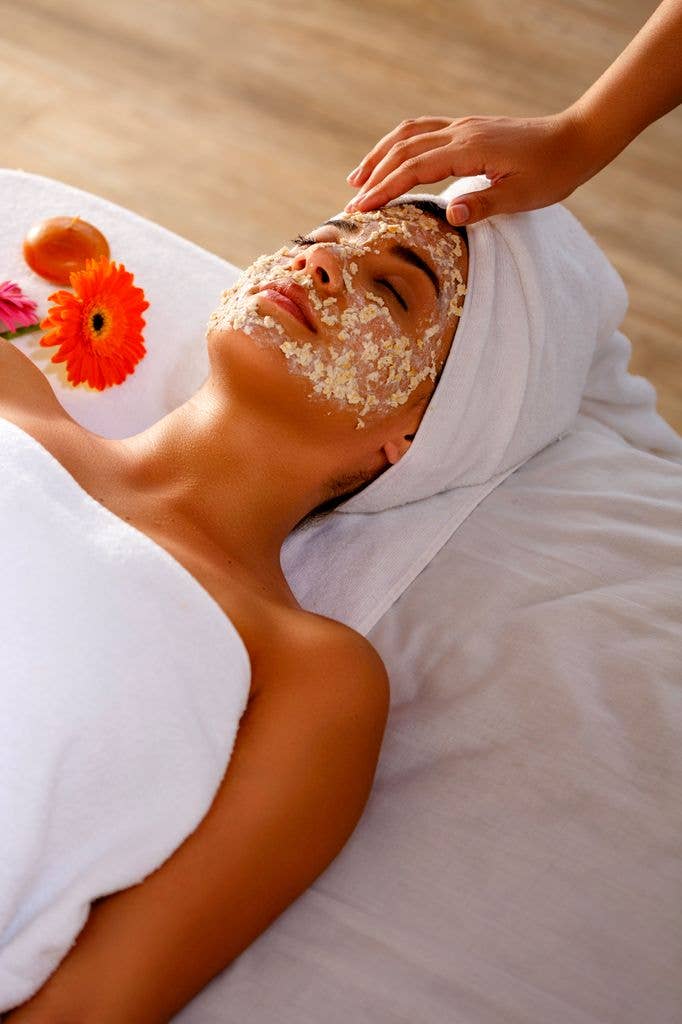
- Oatmeal baths: Oats are well-known for their anti-inflammatory and soothing properties. Adding a handful of colloidal oatmeal to your bathwater can provide instant relief.
- Cold compresses: Simply applying a cold, damp cloth to the itchy area can help bring down inflammation and dull the sensation of pruritus.
- Natural oils: Stick to organic oils to ensure they are free from pesticides. This allows your skin to fully soak up the benefits of their nourishing fatty acids.
- Organic skincare: If your skin is sensitive and prone to irritation, try to use organic products with calming ingredients. Avoid anything containing synthetic fragrances, preservatives or harsh sulphates. These gentler formulas help soothe the itch while repairing the skin’s natural barrier.
 © Getty Images
The best medicinal plants and essential oils for instant skin relief
We also looked into which medicinal plants are particularly effective at taking the sting out of an itch. Pérez highlights five key botanicals.
- Calendula is brilliant for calming and repairing the skin.
- Nettle acts as a natural antihistamine.
- Mallow is deeply hydrating and anti-inflammatory.
- Helichrysum helps with healing and scarring.
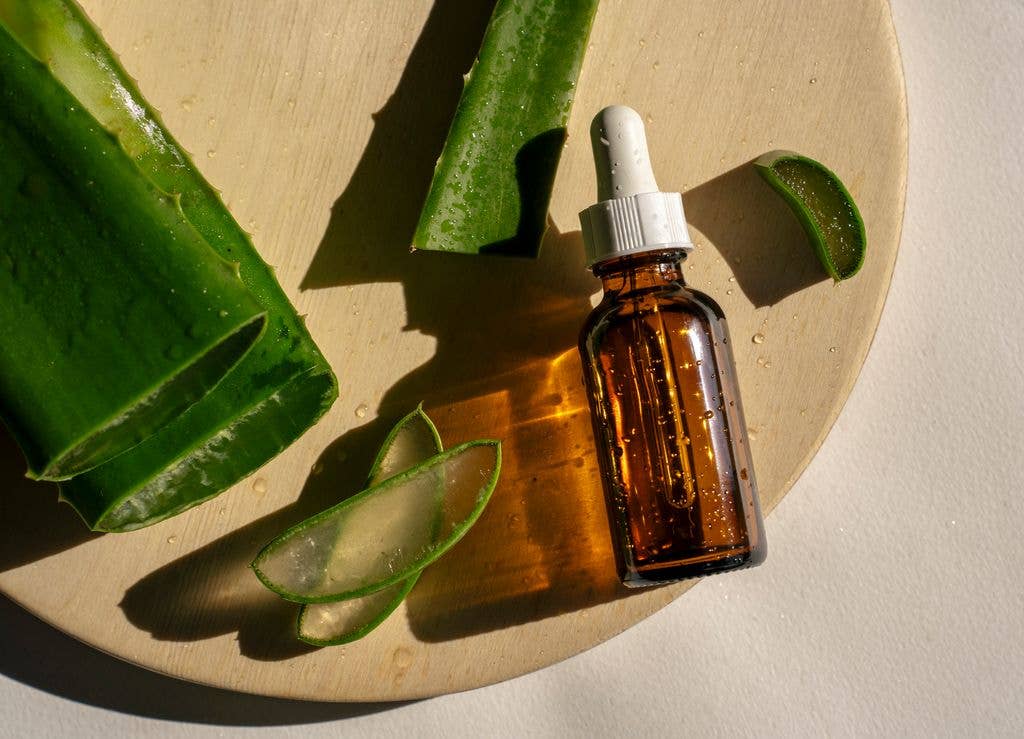
- Aloe vera is “fantastic for cooling and taking the heat out of irritation”.
- Essential oils: The pharmacist also recommends several carrier oils – such as coconut oil, black cumin, hemp, and sweet almond – which help to moisturise and restore the skin’s barrier.
Be careful with cinnamon and clove oils – they are incredibly potent and can easily cause a flare-up
“When it comes to essential oils, lavender is incredibly calming, while chamomile is excellent for bringing down inflammation. Bisabolol, a compound found in chamomile, is also highly effective for keeping the skin hydrated and settled,” she says.
How to get the best out of these natural remedies
Now that we know which plants can help, what’s the best way to use them for maximum effect?
 © Getty
“There are several ways to get the most out of these botanicals,” says the pharmacist. “Creams and balms containing these ingredients should be gently massaged into clean, dry skin.”
She also suggests that a lukewarm bath with extracts of oatmeal, mallow or chamomile is a brilliant way to calm overall irritation.
“If you’re out and about and need a quick fix, a floral water spray – especially one with Helichrysum – is perfect for refreshing the skin and taking the edge off an itch,” she adds.
Warning: The natural ingredients and essential oils you should never put on sensitive skin
It’s just as important to know which plants to avoid if you have sensitive or allergy-prone skin, as some natural ingredients can actually trigger an irritation.
“When it comes to essential oils, lavender is incredibly calming, while chamomile is excellent for bringing down inflammation”
“Fresh nettle can cause hives if it brushes against the skin, so it’s much better to stick to infusions or extracts. Citrus essential oils – such as lemon, orange, and bergamot – are photosensitive, meaning they can cause a nasty reaction if you go out in the sun after applying them.”
She also advises caution with cinnamon and clove oils, which are incredibly potent and may cause a flare-up. “In some people, even ivy can lead to skin irritation,” she adds.
 © Getty Images
5 simple lifestyle shifts to prevent flare-ups and protect your skin barrier
To stop an itch from getting worse, small changes to your routine can make a huge difference:
- Watch the temperature: Opt for a lukewarm shower rather than a steaming hot one, as heat can strip the skin of its natural oils.
- Choose the right fabrics: It’s best to wear breathable cotton instead of synthetic materials or scratchy wool.
- Keep skin moisturised: Ensure your skin is hydrated with gentle, unfragranced products.
- Check the labels: Try to avoid skincare containing alcohol, synthetic perfumes or harsh sulphates.
- Look at the big picture: A balanced diet and stress-relief techniques, like meditation or yoga, can help settle the nervous system.
“Since itching can have so many different triggers, the best approach is to identify the root cause and treat it holistically – combining healthy habits with the right products,” the expert concludes.
About the expert:
Pilar Pérez is a pharmacist, herbal therapy expert and founder and CEO of premium organic skincare company Albalab Bio.
Read the full article here