



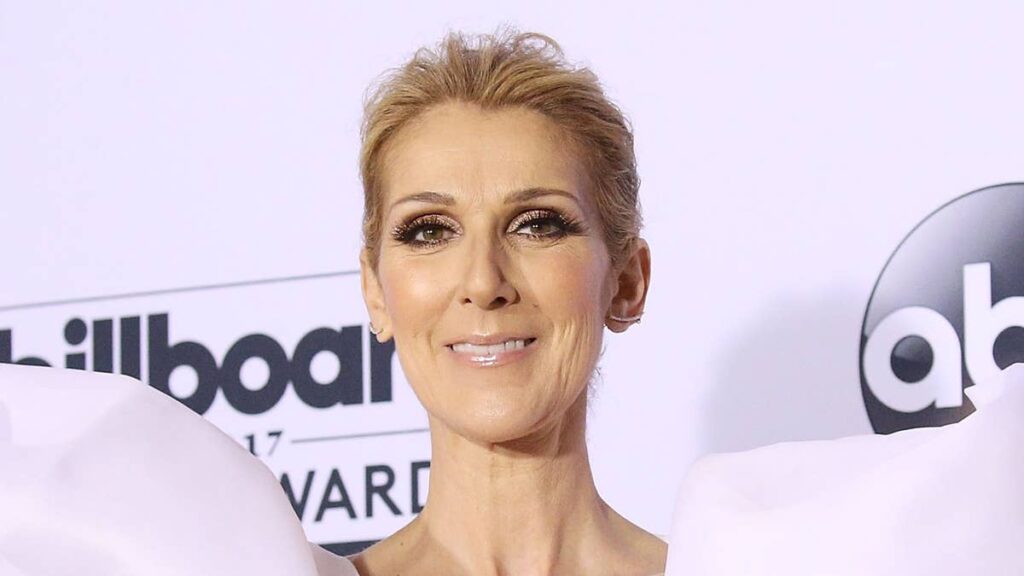
In less than a month, Celine Dion will be taking to the stage for the first time since being diagnosed with the incredibly rare neurological disorder, stiff person syndrome, in 2022.
The condition (Celine doesnât like to say disease, according to a profile this month in Harperâs Bazaar) sees the singer in agony with spasms, causing stiffness akin to paralysis, but sheâs been working through it, sharing that she does three 90-minute Pilates sessions a week to stay mobile.
Celine Dionâs recovery protocol
Itâs Celineâs dedication to Pilates that has helped, in part, get the singer ready to return to the stage, with physio-based Pilates instructor, Noemi Nagy-Bhavsar, who has a background in neurorehabilitation, telling HELLO!: âI cannot stress how effective Pilates is for helping people working through injury and/or neurological conditions.â
Fellow Pilates professional Carlotta Gagna, founder of unique method Pilates Linfodrenante, which targets lymphatic stimulation, agrees: âIt makes complete sense that Pilates is at the centre of CĂ©line Dionâs preparation.
âWhen the body cannot tolerate jarring, high-impact or unpredictable movement, Pilates is one of the disciplines that builds genuine strength and control: every movement is slow, deliberate and led by the breath. That is not a limitation; it is the point. You are training the deep stabilising muscles and the nervous system at a pace the body can actually tolerate.â
On why Pilates is the perfect practice for Celine, Noemi continues: âPilates is famous for helping people with injuries to recover because it offers low-impact, controlled movements that build core stability and correct muscle imbalances without straining healing joints. It targets weak stabilising muscles to prevent future re-injury.â
She continues: âPilates allows you to gradually rebuild strength through controlled, low-impact movements. By strengthening the core and supporting muscles, improving stability, and restoring better movement patterns, Pilates can help the body regain strength and confidence while reducing unnecessary stress on the joints.â
Celine is likely cautious about throwing herself into too much physical activity after being unable to move due to her condition. Pilates is a helpful medium to guide her back to health, according to Noemi, who points on: âPilates builds a sense of safety and reassurance physically and also releases unnecessary tension, fear, and emotions.
âBy strengthening this important connection of your breath, mind and body, it will gradually (re)connect and (re)align with your body, bringing overall equilibrium. When you feel relaxed and safe, the (re)building/rehabilitation journey is mind-blowing.â
Is three the magic number?
Celineâs routine sees her practice Pilates three times per week, doing ballet twice a week on top of this. Her disorder means that staying still for too long can cause her muscles to freeze, so she prefers to stay active, but how often one books in for a Pilates session is dependent on the individual, according to Pilates instructor Rebecca Dadoun, who is founder of online workout platform Pilates Prescription.
âMost people notice meaningful strength improvements with two or three sessions per week, especially when combining mat work with equipment-based sessions such as Reformer.â She adds: âConsistency matters more than intensity; regular practice helps the nervous system relearn safe, efficient movement patterns while steadily building strength.â
Noemi notes that how many sessions Celine is doing will be dependent on her own journey. âI personally believe slow and steady wins the race. Once you know the foundation and are open to challenging your body in a healthy way, the deeper stabilising muscles and overall strength will come gradually. Â Trusting the process without rushing or overdoing it is a fine balance.â
With less than three weeks until Celine takes to the stage in Paris, hereâs hoping her routine keeps her fit and well, ready to return to performing.
Read the full article here