




Did you know that body pain, premature ageing and weight gain are directly related to poor posture? That’s what personal trainer, osteopath and author Pablo Iglesias wants to make clear.
The expert, who has more than six million followers on Instagram, exudes a passion for helping people resolve chronic pain that’s rooted in personal experience.
After suffering debilitating back and neck pain that left him severely restricted during a pivotal time in his life, he immersed himself in the study of the human body to find a way out.
He tells us all about his belief that movement and good posture are the cornerstones of physical and mental wellbeing – plus his three favourite easy pilates moves for back health – in this helpful Q&A.
Do you believe that moving more leads to a longer and, more importantly, better life?
“It isn’t necessarily a direct link. In many cases, yes, but exercise doesn’t always guarantee a longer life. We’ve all heard stories about grandparents who never set foot in a gym but lived to a ripe old age – though they usually remained very active, which is quite different from structured ‘exercise’.
“The real goal here isn’t just longevity for the sake of it; it’s about remaining independent for as long as possible. That is where physical conditioning comes in. When you work out, you are essentially preparing your body for whatever challenges life throws at it. Whether it’s working on your posture, strength training, or simply maintaining a healthy lifestyle, these habits are what allow you to keep your independence.
“After all, what is the point of reaching 120 if you spend the final twenty years relying on others for everything because you can no longer move? It’s not just about lifespan; it’s about functional longevity. That is the real prize: staying capable and self-sufficient.”
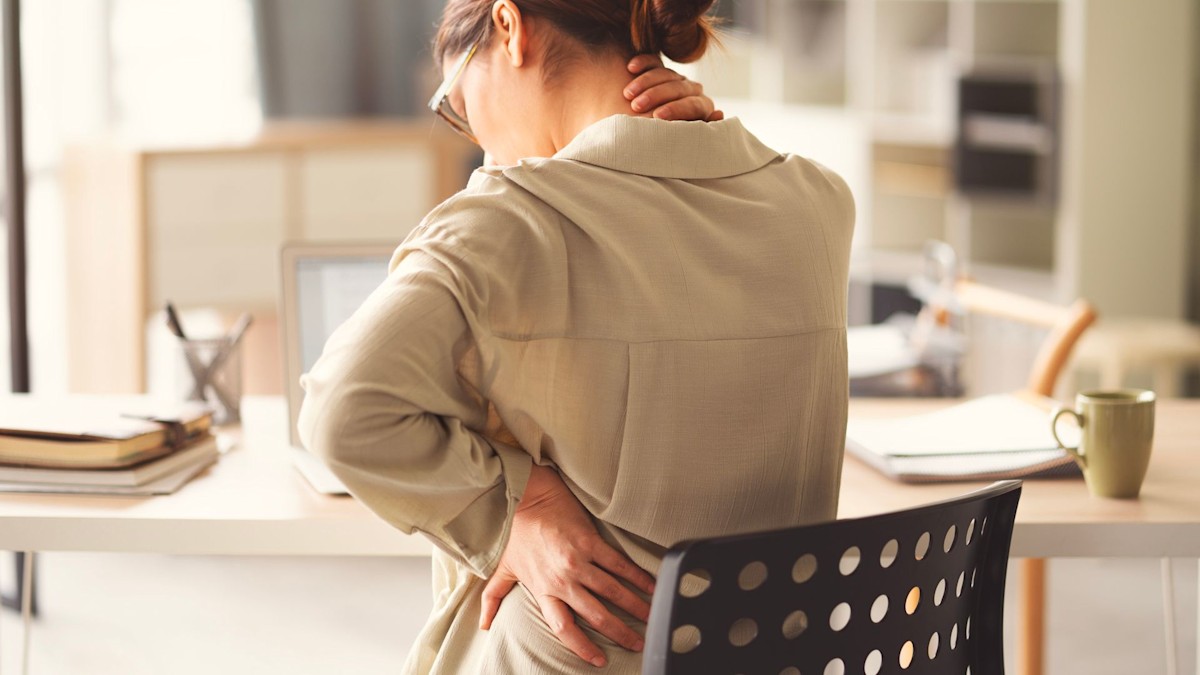
Humans clearly weren’t built to spend so much time sitting down, yet many of us are desk-bound for hours on end. Is this one of the defining health crises of our time?
“Absolutely. By our very nature, humans are hardwired to seek efficiency – though you might simply call it laziness! We are designed to conserve energy, and modern life now caters to that instinct perfectly. With one click, we can have food, furniture or clothes delivered to our doorstep. Our bodies quickly adapt to this lack of effort, and when you combine that with office-based jobs, we become increasingly sedentary.
“We’ve all heard stories about grandparents who never set foot in a gym but lived to a ripe old age – though they usually remained very active, which is quite different from structured ‘exercise'”
“When you’re sedentary for hours, muscular imbalances begin to set in. Certain muscle groups essentially ‘retract’ – they shorten and tighten over time… This physiological shift comes at a cost. Specific muscle groups have to work overtime just to keep us upright and stop us from slumping forward. This constant strain leads to chronic contractions and tightness. That ‘retraction’ is often the root cause of nerve compression, disc dehydration, chronic neck pain, sciatica and shoulder discomfort.
“The human body simply isn’t designed to be parked in a chair all day. I always remind people that we have 360 joints in the body, and they aren’t there for no reason. They exist so that you can move and reach your full physical potential. Ultimately, we were built for action, not to sit.”
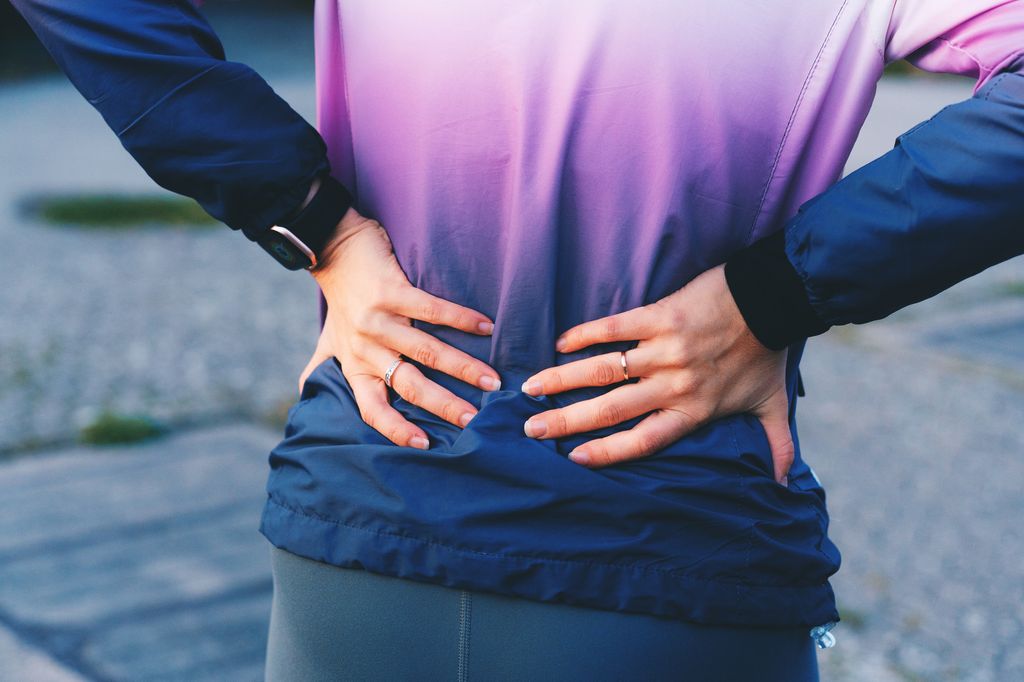
The statistics are a sobering reminder: About 20 per cent of the world’s population lives with chronic pain. Where are we going wrong?
“We need to move more, build better body awareness, and, most importantly, stop waiting for the pain to arrive before we take action. Once symptoms have already started, of course, we have to address them. But the real goal should be to get ahead of the problem.”
 © Getty Images
You’ve suffered from debilitating back and neck pain yourself – was that the catalyst that drove you to find a way to reclaim a pain-free life?
“It was undoubtedly the main driving force. Initially, I simply wanted to understand what was happening to my own body so I could find a fix. Thankfully, I managed to do just that, and now I’m in a position to help others do the same.”
What are the primary causes of joint pain?
“There are a number of potential causes, from inflammation to a simple fall. However, more often than not, it boils down to the same thing: postural issues.
“To understand why, you have to look at how the body is built. We have two types of joints: those designed for mobility and those designed for stability. When we neglect our movement, the body begins to compensate in a way that is completely counterproductive. The joints that are supposed to be stable start moving too much, while the joints meant for mobility begin to stiffen up and ‘lock’.
If we truly want to live without joint pain, we have to understand the specific role of each joint so we can find an exercise programme that actually meets the body’s needs.”
If left unchecked, these pains become chronic, which must have a massive impact on one’s quality of life.
“Absolutely. However, it’s vital not to be intimidated by the word ‘chronic’. In a clinical sense, it simply describes pain that has persisted for more than six months. It is a duration marker, not a life sentence.
 © Getty Images
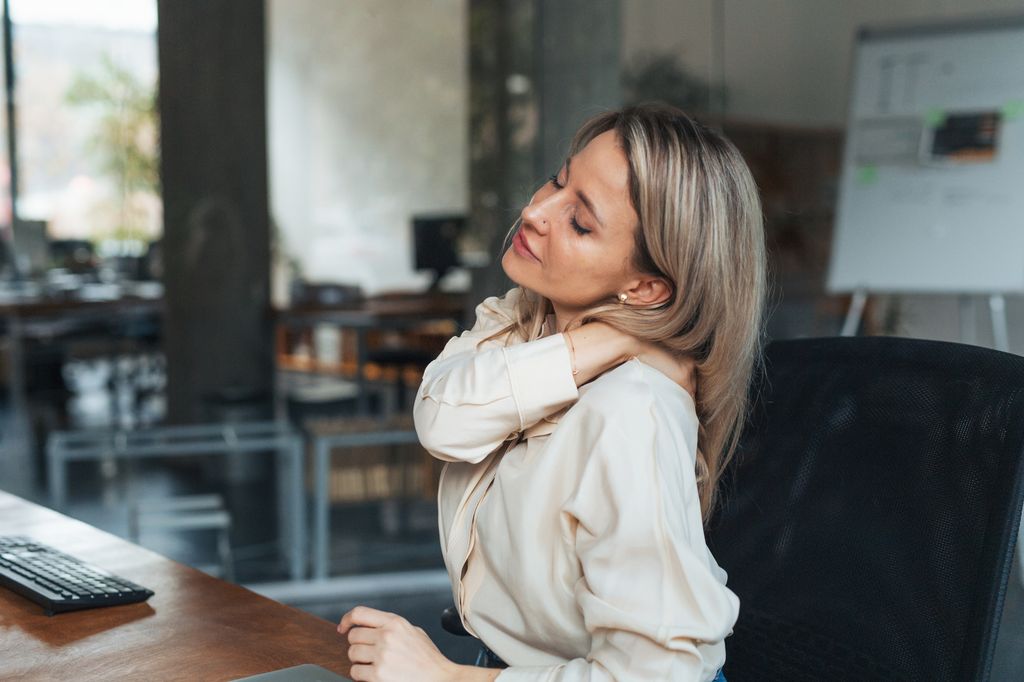
“That said, it absolutely must be addressed… Research shows that chronic pain significantly reduces our mental bandwidth. Our attention span shrinks because we are stuck in a cycle of rumination, constantly asking: “What can I do?” or “What is actually wrong with me?”
“So you stop moving because you’re afraid of the pain, which leads you to become more sedentary. As a result, your muscles weaken, your posture fails and the pain intensifies. It doesn’t just affect your body; it affects your whole life.”
For many of us, medication is the first port of call. Do you think that we should be focusing on the root cause instead?
“Exactly, but we shouldn’t dismiss the importance of medicine either. I always say that while an over-reliance on pharmaceuticals is a real issue, there are times when they are absolutely necessary.
“If you are in acute pain, a painkiller can be a massive help. It can even provide the necessary window to start an exercise routine if the pain is physically holding you back in the beginning. Like everything in life, it’s about using the right tool for the job.”
Improving our posture is clearly vital, but what are the practical keys to actually changing it in our day-to-day lives?
“Daily postural control exercises are non-negotiable. They should be the one thing you never skip. The good news is that you don’t need to spend hours training; two 15-minute routines a day are more than enough to see results.
“Physical conditioning is only half the battle, though. Once your muscles are better conditioned and toned, you need to regularly check in with yourself throughout the day. Ask yourself: ‘How am I sitting right now? How am I standing?’ Exercise and awareness must go hand in hand.”
 © Getty Images
Everyone seems to be recommending Pilates these days. What does the method actually offer, and why should we consider taking it up?
“At its heart, Pilates is all about balance. When your muscles are out of sync, it inevitably leads to poor posture. The goal of Pilates is to restore that alignment by prioritising postural control and core strength.”
How would you convince someone who thinks Pilates is a bit dull to give it a go?
“That’s a great question. Pilates can certainly feel a bit repetitive or even “boring” compared to high-intensity workouts, but the real draw isn’t the session itself – it’s how you feel afterwards. My advice is plain and simple: commit to it for a single month. We often write things off before we’ve truly tried them, but sometimes you have to do what is good for your body, whether it’s fun or not.
“We should not normalise living with pain. But the good news is that we heal through movement”
“If you are struggling with back issues, the postural work in Pilates is second to none. The real ‘hook’ isn’t the exercises; it’s the moment you realise you can walk down the stairs without that usual twinge, or pick up your grandchildren and play with them without any discomfort. That is what keeps people coming back. It’s about focusing on the end goal: quite literally getting your quality of life back.”
In your opinion, what are the essential Pilates moves we should all be weaving into our daily routines?
“There are three in particular that I’m a huge fan of:
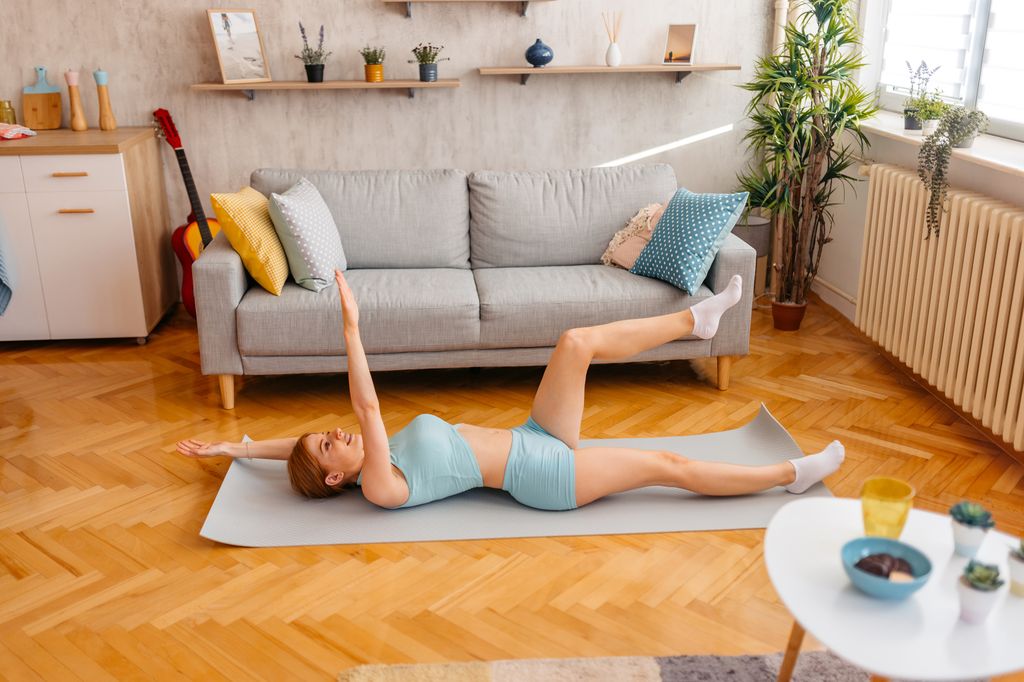
“The first is the Dead Bug. I love this move because it’s a fantastic way to strengthen the core while stabilising the spine.
 © Getty Images
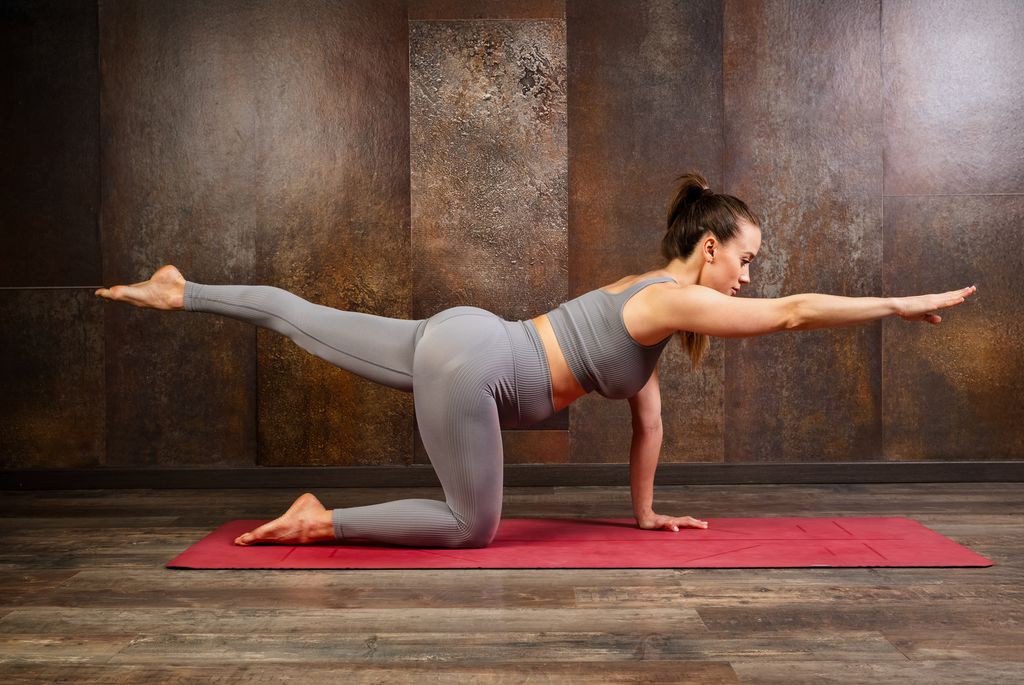
“The second is the Bird Dog. This is brilliant for both core strength and improving motor coordination and balance across the whole body.
 © Getty Images
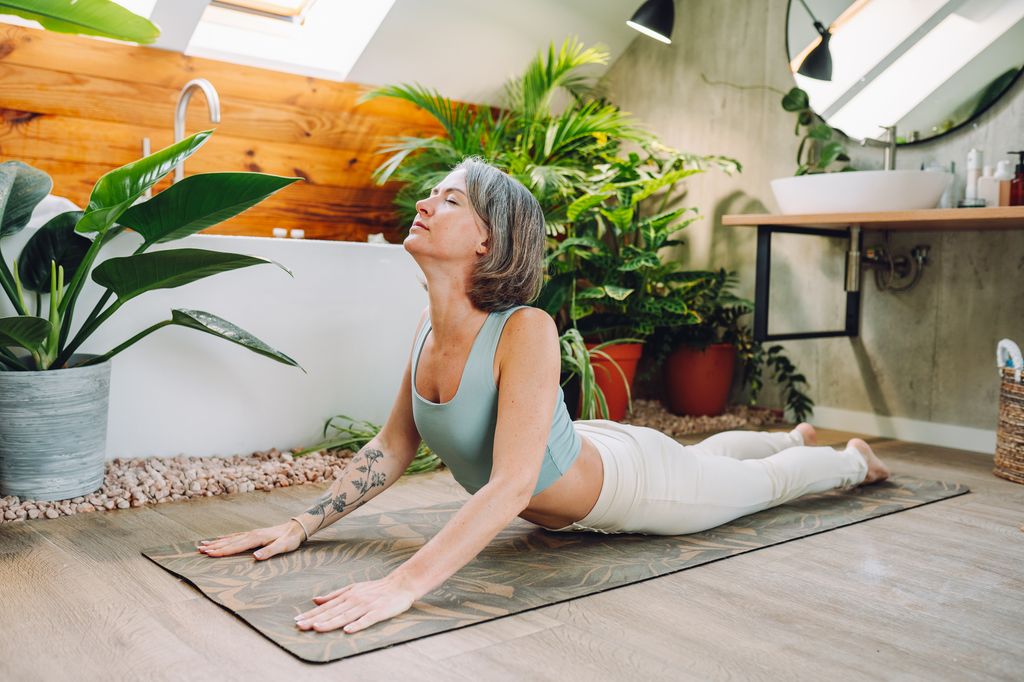
“Finally, there is the Cobra (often known as a “Cobra Stretch” in yoga). It is superb for restoring the natural curvature of the spine – something we are gradually losing as a direct result of being hunched over our desks for too long. If you can commit to those three, you’ll be making a massive investment in your long-term health.”
 © Getty Images
About the expert:
Pablo Iglesias is a qualified personal trainer and osteopath. He is the author of the Spanish-language book Muévete para vivir (Move to Live).
Read the full article here