






Who knew curling would be the sport marred with drama at the 2026 Winter Olympics in Cortina d’Ampezzo.
Curling has been an official medal sport in the Olympics since the 1998 games in Nagano, though it had made its debut back in 1924.
Often called “chess on ice,” the sport is played on a rectangular ice sheet, and involves two teams of four players alternating sliding 40-pound granite stones toward a target called the house, with the goal of having more, or closer, stones to the center, called the button, than the opponent after all 16 stones are thrown per end.
However, the “Spirit of Curling” — curling’s code of ethics that emphasizes good sportsmanship and respect for your opponents — has been rocked this Winter Olympics, after cheating accusations and an expletive-filled hot mic moment. Here’s what’s going on.
The Canada-Sweden beef
Over the weekend, Canadian curler Marc Kennedy had an expletive-filled outburst after Sweden accused him of cheating during a match, cursing out Oskar Eriksson from the Swedish team by telling him: “You can [expletive] off.”
Canada, who has historically dominated the sport, won 8-6, but is now facing questions over their tactics; the day after Marc competed, fellow Canadian representative and women’s captain Rachel Homan was accused of using the same move.
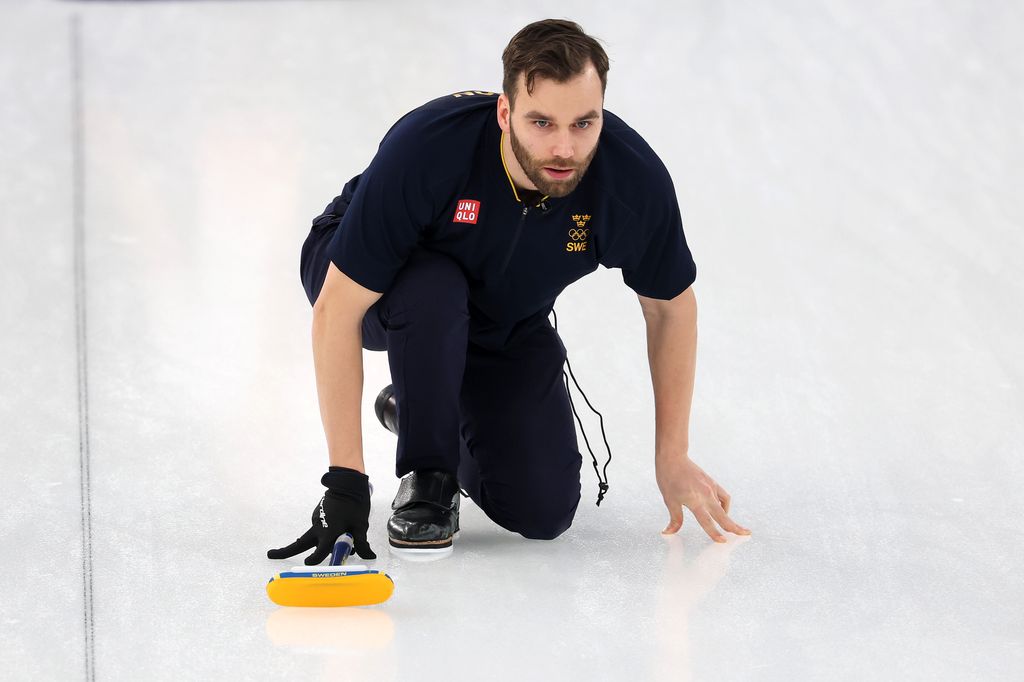 © Getty Images
The alleged cheating explained
Marc’s outburst followed accusations that he was cheating by touching a stone beyond the so-called “hog line” and “double-touching,” when a player touches the stone a second time after initially releasing it down the ice.
Per NPR, the Swedes allege that Marc had been double-touching the stone — releasing the stone’s handle, which contains electronic sensors, but then “poking the rock itself” and keeping a finger on it as it cruised over the line, Swedish curler Niklas Edin said.
Curling officials, who are stationed at either end of the sheet, say they didn’t see the violations so they couldn’t call it.
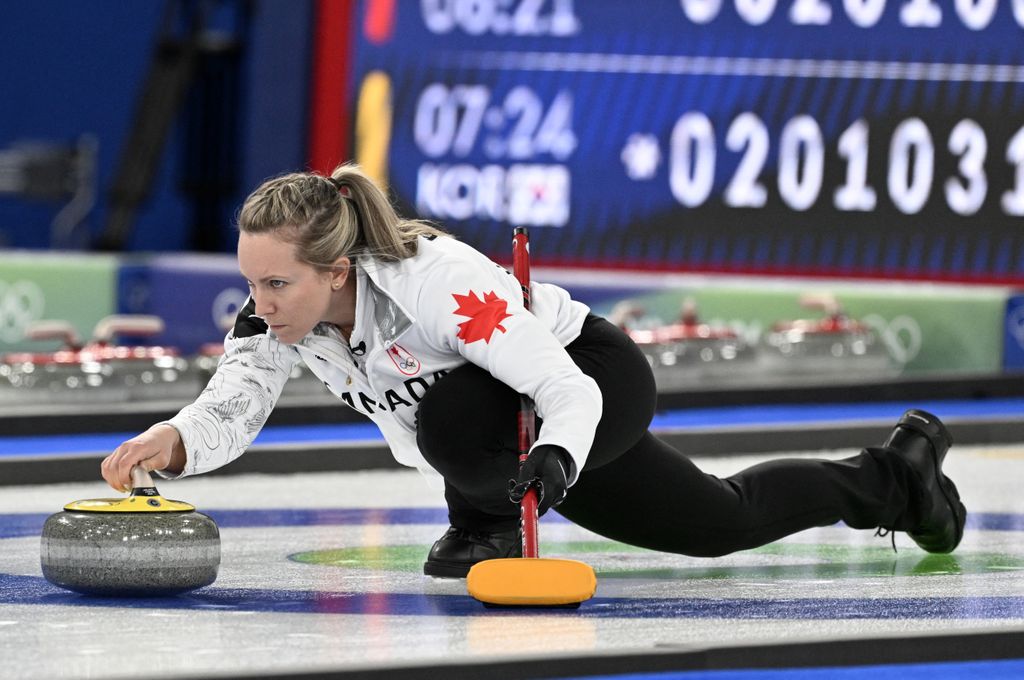 © Getty Images
The aftermath
Multiple outlets and witnesses report Canadians as being disappointed in the turn of events, particularly given their — and curling’s — reputation for niceness. “It’s a sad day for Canadian sport,” Canadian Tim Gray, told the BBC. “Integrity in the sport is important, even if you have to call it on yourself.”
“As Canadians, we aren’t supposed to do these things,” a man from Ontario also noted.
Marc denied the accusations, though admitted he could have handled the situation better. “I’ve curled my whole life, never once with the intention of getting an advantage through cheating,” he said after the match, adding: “So when [my integrity] gets attacked, I get my back up and get a little bit aggressive.”
“I could have handled it better. No question,” he maintained, though refused to apologize to Oskar.
Read the full article here