






Not everything your grandparents grew up eating would make it past modern-day food safety rules. From raw milk straight from the cow to bread boosted with a now-controversial additive, some once-everyday staples have quietly disappeared from supermarket shelves.
Raw milk, potassium bromate and coumarin were all widely used and enjoyed before some risks were discovered. These days, they’re banned or tightly restricted in many countries, after links to everything from harmful bacteria to potential cancer and liver damage. Here’s why these old favourites were phased out for good, and why they’re unlikely to return, according to Jennifer Pallian, a registered dietitian and food scientist.
Potassium bromate
“In addition, potassium bromate acts as a whitening agent for flour, enhances dough tolerance, reduces mixing time, and supports consistent results in high-volume bakeries, which made it both cost-effective and commercially attractive for decades.”
However, over time, significant safety concerns emerged, as it was deemed to be potentially carcinogenic and toxic to multiple organs. “Potassium bromate is classified by the International Agency for Research on Cancer (IARC) as a possible human carcinogen (Group 2B), and the European Union has classified it as a substance that can cause cancer (Group 1B),” the dietitian explains.
“Acute exposure symptoms include abdominal pain, diarrhoea, vomiting, sore throat, cough, irritation of mucous membranes, and kidney disorders. It has also been shown to degrade vitamins such as niacin and B vitamins in bread, reducing nutritional quality.”
In response to the mounting evidence, limits and bans were placed on its use, as Jennifer shares: “In 1993, the WHO and the American FDA set a baseline limit of 75 mg/kg in countries where it remained in use, while Japan and China set limits of 10 mg/kg and 50 mg/kg, respectively.” Meanwhile, countries such as the UK, Australia, New Zealand, China and Brazil have all since banned its use entirely.
Raw milk
 © Getty Images
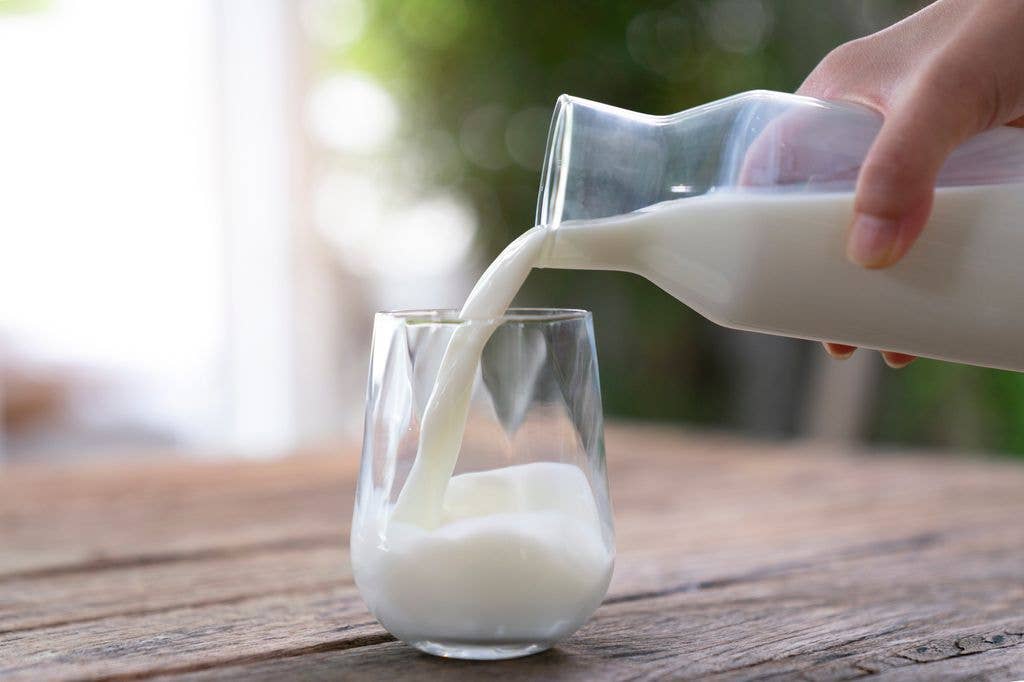
Raw milk was also widely consumed before widespread pasteurisation laws were put in place over safety concerns. “Raw milk can harbour numerous pathogens even when sourced from clinically healthy animals. Surveys have found prevalence levels as high as 13 per cent for pathogens such as Campylobacter jejuni and Listeria monocytogenes, and in some studies, nearly one-third of milk samples contained at least one type of pathogen,” the food scientist shares.
“Contamination can occur through direct passage from the cow’s blood into milk during systemic infection, mastitis (udder infection), faecal contamination during or after milking, contaminated equipment, or human handling. Dairy farms are important reservoirs of foodborne pathogens, and because pathogens are invisible to the naked eye, determining safety before consumption is extremely difficult.”
Meanwhile, Jennifer warns that the risk of food poisoning from raw milk has been estimated to be approximately 800 times higher than from pasteurised milk. “Illnesses range from fever, nausea, vomiting, diarrhoea, and abdominal pain to severe outcomes such as meningitis, septicemia, abortion in pregnant women, tuberculosis, and, in some cases, death,” she says.
“Following the introduction of pasteurisation and mid-1950s state-level bans, milkborne outbreaks fell dramatically from nearly a quarter of all reported intestinal infectious diseases to less than one per cent. Because contamination can occur even under good hygiene practices and cannot be fully eliminated, raw milk continues to pose a documented public health risk and remains banned or heavily restricted in many jurisdictions.”
Coumarin flavouring
 © Getty Images
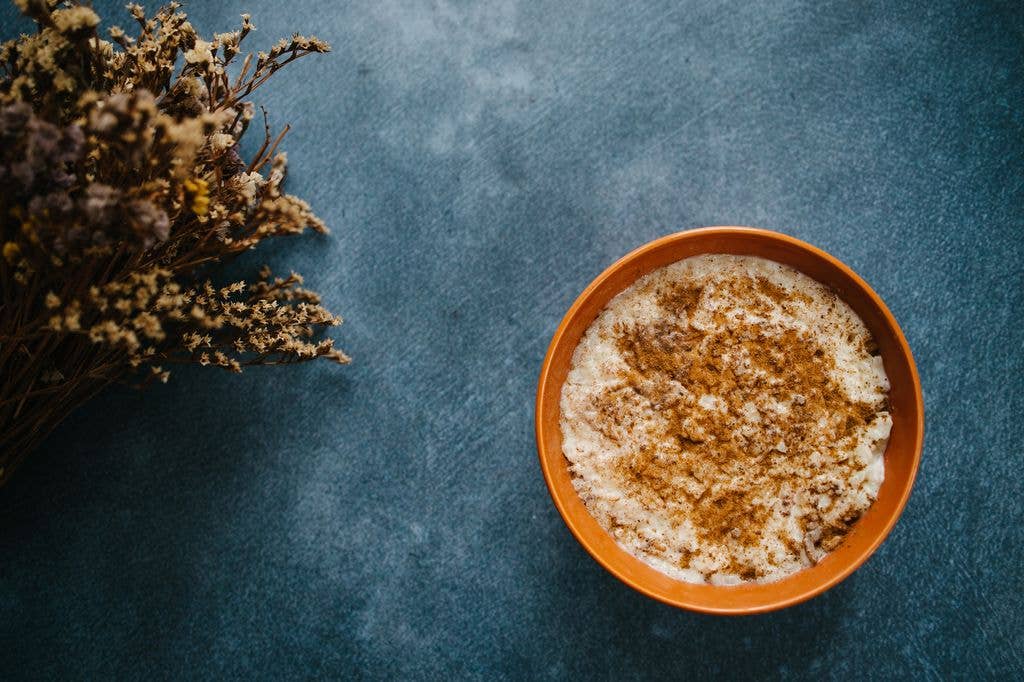
Another once-loved treat was baked goods and desserts flavoured with coumarin, a naturally occurring fragrant compound (1,2-benzopyrone) found in various plants and spices, particularly certain types of cinnamon.
“After being synthesised in 1868, coumarin was used as a flavouring substance in foods including puddings and baked goods, valued for its sweet scent often compared to fresh hay, vanilla, or woodruff. It was also widely used in perfumes and cosmetic products because of its pleasant aroma,” Jennifer says.
“However, safety concerns emerged when studies showed that high oral doses of coumarin caused liver toxicity in rats and dogs. As a result, in 1954, the United States banned the addition of pure coumarin to food on suspicion of hepatotoxicity, and any food containing added coumarin is considered adulterated under U.S. law.”
The dietitian adds: “Currently, coumarin may be present in foods only naturally or as part of flavourings derived from natural raw materials, like cinnamon, but pure coumarin is not permitted to be directly added to foods due to its hepatotoxic potential. As a result, although naturally occurring coumarin remains part of certain foods, its deliberate use as a standalone flavouring additive in the way it was historically used is unlikely to return to supermarket shelves.”
Read the full article here