






Breakfast is deemed to be the most important meal of the day, but it’s not only when you eat but what you eat that matters in setting you up for the best start to the day.
Foods that are high in sugar or refined carbohydrates may give you a quick energy boost first thing in the morning, but as they are also digested quickly, they can cause blood sugar spikes and subsequent crashes, impacting everything from your mood to your metabolism.
Drawing on my experience as a health and nutrition coach, I’m revealing to HELLO! readers the six worst offenders that spike blood sugar, and the high-protein, high-fibre alternatives I would recommend swapping them for…
Breakfast foods that spike blood sugar
 © Getty Images
White bread is digested quickly
White bread
White bread can lead to a sharp rise in blood sugar levels, with glucose entering the bloodstream in as little as 15 minutes after eating toast or bagels. The refined flour in white bread has been stripped of a lot of its nutrients and fibre, meaning it is digested quickly. Again, you can mitigate the impact on your blood sugar by serving it with toppings such as egg or avocado, and avoiding sugary jam or chocolate spread.
 © Getty Images
Fruit juice can cause rapid blood sugar spikes
Fruit juice
Fruit juices are a breakfast favourite, but they can also be responsible for starting your day on a blood sugar rollercoaster, causing soaring spikes and crashes. Fruit juice doesn’t retain the fruit’s fibre content, which means the fruit sugars are absorbed quickly into the bloodstream. Consider swapping these for smoothies, or limit your serving size if you don’t want to cut juice out altogether.
 © Getty Images
Flavoured yoghurts can be high in sugar
Fruit yoghurt
Flavoured yoghurts topped with fruit and granola may be a tasty breakfast option, but they are another common offender that cause blood sugar levels to soar. These flavoured yoghurts often contain artificial sweeteners or sugar to add flavour, while many commercial granolas and muesli products are also high in sugar.
 © Getty Images
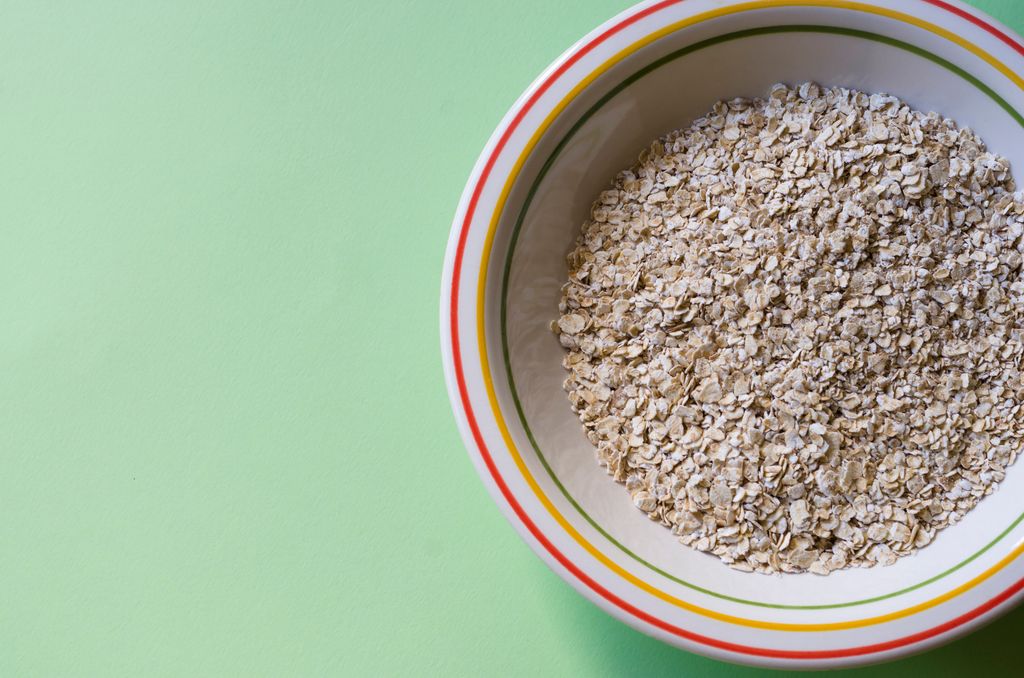
Finely-ground oats are digested quicker and can create blood sugar spikes
Instant oats
You may think that porridge is a nutritious breakfast option, but your choice of oats matters. Convenience products like instant oats blend down the oats into a fine powder that strips away a lot of the fibre and means they are digested quickly. Add in the fact that a lot of these products are often flavoured with dried fruit and sweeteners and you have a recipe for surging blood sugar levels.
Breakfast foods that don’t spike blood sugar
Starting your day with a breakfast that contains protein, fibre and healthy fats can help to prevent blood sugar spikes and give you a slower, more sustainable energy release that will keep you feeling full for longer. Here are six foods I recommend.
 © Getty Images
Versatile and high protein eggs make an ideal breakfast food
Eggs
Eggs are a versatile breakfast food that can get your morning off to a stable start. One medium egg contains an average of six grams of protein, along with around five grams of fat and less than one gram of carbohydrates, along with vitamin D and brain-boosting choline. Try scrambled, boiled or poached, or you could prepare egg muffins or frittatas in advance if you don’t have time to cook in the morning.
 © Getty Images
Avocado is ideal when you’re trying to keep blood sugar balanced
Avocado
Avocado on toast is another tasty breakfast option that won’t send your blood sugar soaring. You may be worried that avocados are calorific (a medium avocado contains around 240 calories), but this nutritionally-dense fruit contains monounsaturated fats, protein and a high fibre content that will keep you feeling full for longer and likely avoid the need for snacks later in the morning. Mash on wholegrain or sourdough toast, or serve alongside eggs for a satiating and nutritious breakfast.
 © Getty Images
The fibre content in wholegrain bread means it is digested much more slowly
Wholegrain bread
Swapping ultra-processed white bread for wholegrain alternatives means it won’t spike your blood sugar in the same way. Wholegrain bread is higher in fibre and has a lower glycaemic load, which means it takes longer to digest and doesn’t have the same effect on blood sugar. Better yet, try a seeded bread for even more nutrition benefits.
 © Getty Images
Adding greek yoghurt and seeds as sources of protein to smoothies can lower blood sugar spikes
Protein-rich smoothies
Not all smoothies are made equal; if you love a fruity smoothie, try trading tropical fruits for berries, which have a much lower sugar content, and add extra ingredients such as Greek yoghurt, seeds and leafy greens for an extra source of protein, fibre and healthy fats. Not only will these help you to feel much more full, but they won’t send your blood sugar soaring like some other smoothies might.
 © Getty Images
Greek yoghurt and berries is a nutritious breakfast option
Greek yoghurt
If you love yoghurt for breakfast, you don’t have to forego it when you’re trying to keep your blood sugar under control. Avoid flavoured yoghurts and instead opt for full-fat Greek yoghurt served with berries and a sprinkle of cinnamon or seeds for a filling and delicious breakfast that is also a good source of protein and gut-friendly probiotics.
 © Getty Images
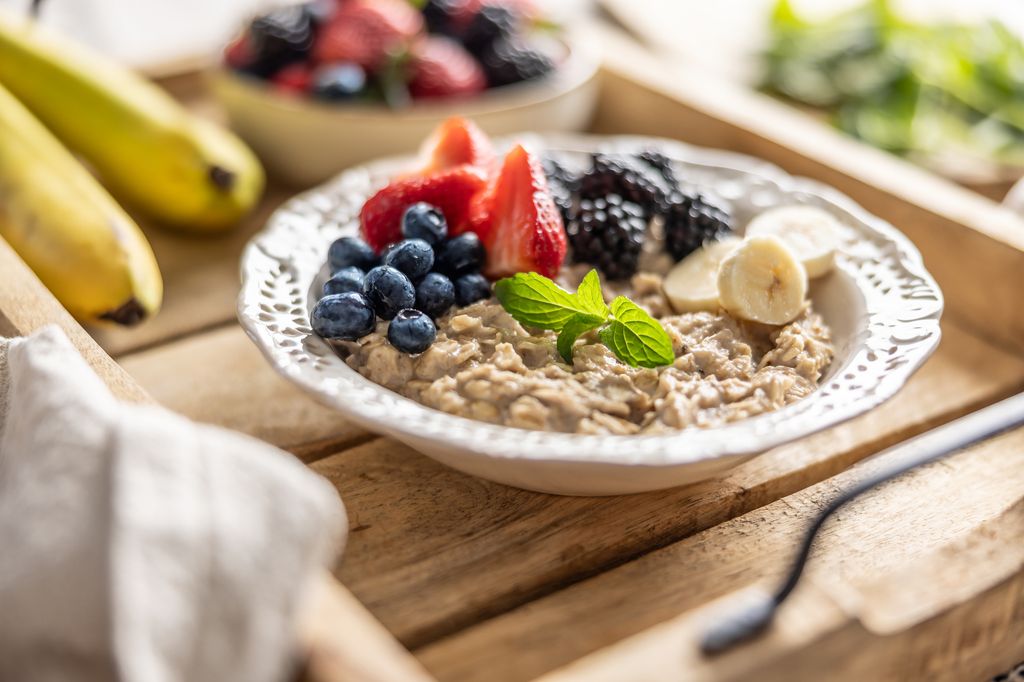
Make porridge using rolled oats to reduce blood sugar spikes
Steel cut or rolled oats
Porridge doesn’t have to be off the menu either. Swap your processed instant oats for steel cut or rolled oats which are high in fibre and have a lower glycaemic load. Meanwhile, adding extra toppings like Greek yoghurt, seeds or nut butter can add extra protein to reduce the effects of the carbohydrates on your blood sugar.
Read the full article here