




Watching our parents grow older is deeply painful. It becomes even harder when one or both seem to lose their spark, dwelling on the past, missing those who have gone and longing for the familiar rhythms of years gone by.
While these feelings are entirely natural and understandable, is there anything we can do to bring a sense of joy back into their lives? We spoke with psychologist Adriana Henríquez Lomba, who explains why this sadness—or even depression—often creeps in during later life. The expert shares practical ways families can help light up their world again, and the well-meaning pitfalls to avoid.
Why do some older people lose their spark?
“More often than not, it doesn’t happen ‘just because’ or simply as a result of getting older. It occurs because so many of the things that once gave them a reason to keep going change or disappear. There are fewer activities that excite them, a dwindling sense of purpose, and, at times, fewer reasons to look forward to the day ahead.
On top of this, retirement often strips away a major part of someone’s daily routine and identity. Suddenly, there is far more time on their hands, but not always a meaningful way to fill it.
Then there is the physical reality that cannot be ignored: aches and pains, physical limitations, or the onset of health conditions—including neurodegenerative diseases—gradually chip away at energy levels and independence. When basic tasks start taking far more effort, it becomes easy to simply give up on them… and that is when a person’s world shrinks and life starts to feel like a real uphill struggle.
How do loneliness, retirement, or the loss of daily roles affect their motivation?
“It has a profound impact. Loneliness isn’t just being on your own; it’s also feeling lonely even when you’re surrounded by people, and that takes a heavy emotional toll.
“Retirement, for instance, can be a welcome relief for some, but for others, it means losing a major part of their identity. The schedules and routines disappear, along with that sense of contributing to society.
“It’s important that at this stage of their lives, their goals are realistic and meaningful”
“When those key roles slip away—whether as a worker, a caregiver, or a provider—it brings up a deeply unsettling question that shakes a person’s self-worth: ‘Who am I now?'”
What signs indicate that an elderly parent is feeling down rather than just ‘settled’?
“It’s crucial to look at whether they are still taking pleasure in the little things. Someone can be in a perfectly healthy place emotionally even if they do less—or different—things than they used to. But when depression sets in, you’ll usually notice a loss of interest in hobbies they once loved, alongside withdrawal, apathy or irritability. It isn’t so much about how active they are, but whether they are actually enjoying what they do.”
What mistakes do family members make most often?
“Some of the most common pitfalls include brushing off an ageing parent’s feelings with phrases like, ‘You just need to cheer up’ or ‘Stop complaining’, without ever bothering to explore why they feel that way in the first place.
“Another big one is taking over and doing everything for them. We think we’re helping, but in reality, we’re taking away their independence and making them feel useless. With the best of intentions, it’s easy to end up isolating them even further.”
What can their adult children do to help bring back that spark?
“It’s important to make a distinction between trying to ‘fix’ things and simply ‘being there’. We often try to manage how others feel, but we need to validate their experience and accept that many older people are grieving for the life they used to have. That process is entirely natural.
“It isn’t about packing their day with activities, but making sure that whatever they do choose to do actually matters to them”
“Simply being present, genuinely listening, encouraging them to pick up activities that keep them active and lifted, and reassuring them that they aren’t alone are all fundamental to helping them feel better in themselves.”
How can you help an elderly parent redefine their goals?
“Goals naturally shift as we move through different stages of life. At this point, it’s essential that their goals are both realistic and meaningful to them. That might mean caring for something or someone, passing down life lessons to the family, staying connected with others, or simply keeping up gentle routines. Ultimately, it’s not about packing their schedule, but ensuring that whatever they do actually matters to them.”
What role do grandchildren play?
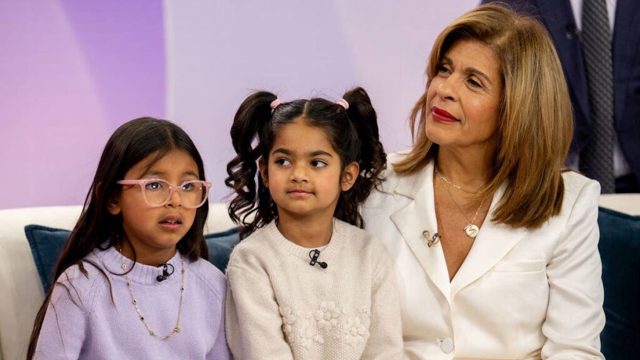
“Grandchildren can be a wonderful source of joy and purpose. They give older people a reason to stay involved, to care, and to feel truly valued.”
Does a person’s life story influence their ability to regain their spark?
“Immensely. Everyone is different; we haven’t all had the same opportunities, nor have we all felt equally fulfilled. Often, unprocessed emotions build up over a lifetime, and when old age arrives and people look back, it’s easy to get stuck in the past. It’s vital to support them through that—to help them keep finding inspiration and encourage them to hold onto goals in life, no matter how small.”
When is it advisable to seek professional help?
“When feeling down is constant and starts taking over their day-to-day life. For instance, if they become deeply withdrawn, refuse to get out of bed or leave the house, or express overwhelming pessimism about life. In situations like these, reaching out for professional support is one of the best ways to care for them.”
About the expert:
Adriana Henríquez Lomba is a psychologist at Vithas Las Palmas University Hospital in Gran Canaria, Spain.
Read the full article here